

Master Trash Card Game Rules: Expert Guide to Winning Every Hand
Trash, also known as Garbage, is one of the most exciting and fast-paced card games that combines strategy, luck, and quick thinking. Whether you’re hosting a casual game night with friends or looking for a competitive card game experience, Trash delivers non-stop entertainment and engaging gameplay that keeps everyone on their toes. This comprehensive guide will walk you through every rule, strategy, and tip you need to become a Trash card game master.
The beauty of Trash lies in its simplicity mixed with tactical depth. Unlike some complex card games that require hours to learn, Trash can be picked up in minutes, yet mastering it takes dedication and practice. The game moves quickly, rounds conclude in just a few minutes, and the competitive nature means you’re always fighting to improve your position on the board. If you enjoy competitive multiplayer experiences, you’ll find Trash offers that same adrenaline rush in card form.
What is Trash Card Game: Understanding the Basics
Trash is a rummy-style card game designed for 2-6 players that focuses on creating sequences and matching sets. The primary objective is to arrange your cards in numerical order from Ace (1) through King (13) in your designated play area. Each player gets their own row of ten cards laid out face-down, and the goal is to flip these cards over by replacing them with correctly numbered cards from your hand or the draw pile.
The game earned its name because unsuccessful cards are essentially “trashed” or discarded into a communal discard pile. What makes Trash unique compared to other card gaming experiences is the real-time element and the constant pressure to maintain momentum. You’re racing against other players, and the first person to complete their entire sequence wins the round. The competitive nature and fast pace make it perfect for game nights, family gatherings, or casual entertainment with friends.
Understanding the core mechanic is essential: you need cards numbered 1-13 in sequential order. When you draw a card that matches a position in your sequence, you place it down. If you draw a card you don’t need, you discard it. Other players can pick up your discards if they need them, creating an interactive and sometimes chaotic gameplay environment that keeps everyone engaged throughout the round.
Game Setup and Deal: Preparing to Play
Before diving into gameplay, proper setup is crucial for a smooth experience. Start by gathering a standard 52-card deck (or multiple decks if playing with more than four players). Shuffle thoroughly to ensure random distribution. Each player receives exactly ten cards dealt face-down in a row in front of them. These ten cards will remain face-down until they’re replaced during gameplay—this is the foundation of your Trash tableau.
After dealing ten cards to each player, place the remaining deck in the center of the playing area as the draw pile. Designate one player to go first (typically the player to the dealer’s left, though house rules may vary). Have someone establish a discard pile location near the draw pile. Some players prefer using a designated discard area, while others simply place discards in a visible pile.
Before starting, make sure everyone understands their card positions. Cards are numbered positions 1-10 (where Aces count as 1, numbered cards as their face value, and face cards as Jack=11, Queen=12, King=13). Position 1 should have an Ace, position 2 should have a 2, and so forth through position 10 which should have a 10. Many players find it helpful to write down the position numbers or use markers to avoid confusion during gameplay.
Basic Rules and Gameplay: How Turns Work
The player who goes first draws a card from the draw pile and examines it. If the card matches one of their needed positions (1-10), they place it face-up in that position and flip over the face-down card that was originally there. That flipped card becomes their new draw, and they continue this process. The turn continues as long as they keep drawing cards they need—this is called a “hot hand” and it’s incredibly advantageous.
If a player draws a card they don’t need (perhaps they already have that position filled or they’re looking for a different number), they place it on the discard pile, and their turn ends. The next player can either draw from the draw pile or take the top card from the discard pile. This creates interesting strategic decisions: do you risk drawing an unknown card, or do you take a known card from the discard pile that might help another player?
The sequence continues around the table until someone completes all ten positions with cards 1-10. That player wins the round, and players score points based on how many positions they completed. Typically, scoring awards one point per completed position, so a winning player gets 10 points. Some variations award bonus points for winning. After scoring, reshuffle all cards and begin a new round with the next player dealing.
One crucial rule: if you flip over a card during your turn and it’s a card you need, you must take it and continue your turn. You cannot refuse a card that matches your needed position. This rule maintains the game’s unpredictable nature and prevents players from strategically avoiding helpful cards.
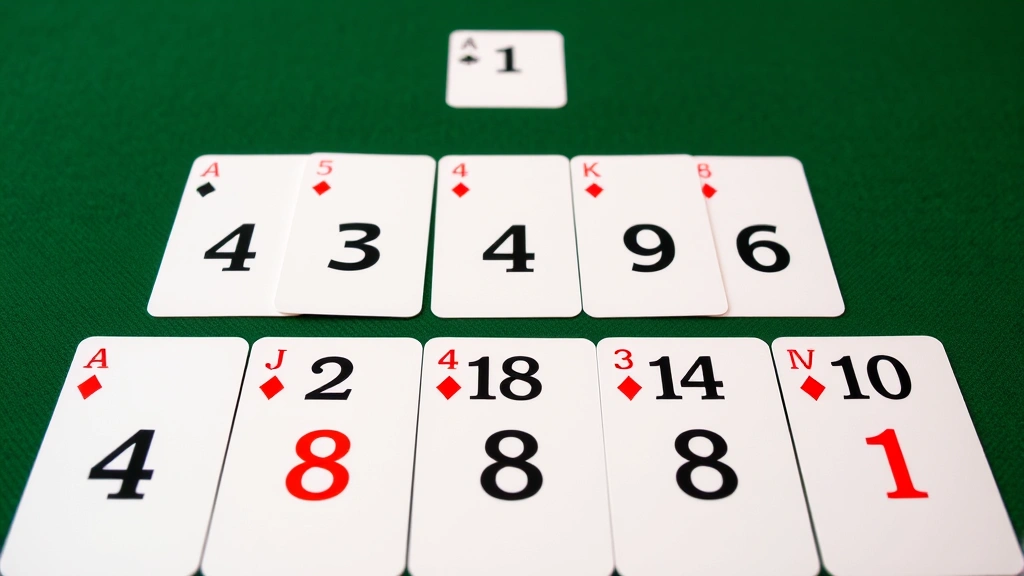
Advanced Strategies: Winning at Trash Card Game
Once you understand basic rules, strategy separates casual players from competitive ones. The most important strategic principle is position prioritization. Focus on completing lower-numbered positions first (1-5) because these positions are statistically easier to fill. Aces appear frequently, and low cards are more common than high cards in a standard deck. Once you’ve secured positions 1-5, momentum builds naturally.
Another critical strategy involves discard pile management. When you discard, think about what cards other players might need. If you know a player is working on completing their sequence and needs high cards, avoid discarding those cards if possible. Conversely, if you’re ahead, discard high cards that might help opponents catch up—this is a psychological element that adds depth to the game.
The draw versus discard decision is perhaps the most consequential choice in Trash. Drawing from the pile is risky but potentially rewarding; you might get exactly what you need. Taking from the discard pile is safer but telegraphs your needs to other players. Advanced players read the discard pile like a book, understanding what other players are pursuing and adjusting their strategy accordingly. If the discard pile shows mostly low cards, other players likely need high cards, so be cautious about discarding high cards.
Hot hand management requires discipline. When you’re on a hot streak, drawing card after card that you need, maintain focus and avoid rushing. Slow down, double-check positions, and ensure you’re placing cards correctly. Many players lose winning positions by making careless mistakes during hot hands when excitement overwhelms attention to detail.
Understanding probability and card counting elevates your game significantly. Keep mental track of which cards have been played. If three Aces have appeared and you still need position 1, the probability of drawing the fourth Ace decreases. This knowledge helps you decide whether to draw or take from the discard pile. For instance, if you need position 5 and you’ve seen three 5s already, drawing becomes riskier.
Common Mistakes to Avoid: Learn from Others’ Errors
New players frequently make the mistake of ignoring position order. Some beginners try to fill positions randomly, jumping from position 3 to position 8 to position 2. This scattered approach wastes turns and reduces efficiency. Always establish a logical progression, typically working sequentially from position 1 upward. This systematic approach maximizes your turn efficiency and increases your chances of completing the sequence first.
Another common error is poor discard decisions. Players often discard cards without thinking about opponents’ needs or their own future strategy. Every discard should be intentional. Ask yourself: “Will this card help my opponents more than it helps me?” and “What cards do I still need, and does this discard reduce my chances of getting them?”
Many players give up too early. Trash is unpredictable—you might be far behind one moment and catch up dramatically the next. The game’s random nature means comebacks are always possible. Stay engaged throughout the round, maintain focus, and never assume the game is lost until someone actually completes their sequence.
Players also frequently miscount their positions, placing cards in incorrect locations. This error wastes turns and can cost you the game. Before placing a card, verbally confirm the position number. “I’m placing this 7 in position 7” prevents confusion and mistakes. Taking an extra second prevents costly errors that could determine the round’s outcome.
Neglecting discard pile observation is a subtle but significant mistake. The discard pile tells a story. If you see three Kings discarded early, you know high cards are available. If low cards dominate the discard pile, opponents are likely filling low positions. Read the discard pile actively and adjust your strategy based on what’s been discarded.
Variations and House Rules: Customize Your Experience
While standard Trash follows consistent rules, countless variations exist. Some groups play with modified scoring systems. Instead of one point per position, some players award two points for completing all ten positions, creating higher stakes. Others use a “first to 50 points” format, extending gameplay across multiple rounds and increasing strategy depth.
The wild card variation introduces jokers or designated cards as wildcards that can represent any number. This increases luck and reduces strategy importance, making the game more casual and less competitive. Some groups allow wildcards only for high-numbered positions (9-10), balancing luck and skill.
Double deck variations for larger groups use two complete decks shuffled together, allowing more simultaneous gameplay and reducing draw pile depletion. This variation works well when playing with 5-6 players and prevents the draw pile from running out too quickly.
The speed variation implements strict time limits per turn, typically 10-15 seconds. This creates frantic, chaotic gameplay that emphasizes quick thinking over careful strategy. Speed Trash is excellent for party settings where entertainment value trumps competitive integrity.
Some groups establish custom house rules regarding discard pile access. Standard rules allow taking from the discard pile, but some variations restrict this to specific circumstances or require players to draw from the deck exclusively. Others allow “stealing” from opponents’ completed positions under certain conditions, adding negotiation and social elements.
The knockout variation eliminates players who fall behind. If you haven’t completed any positions after three rounds, you’re out. This creates mounting pressure and ensures remaining players are competitive, though it’s less friendly for casual play.
Tips for Winning Consistently: Master-Level Advice
Consistency in Trash comes from combining multiple skills. First, develop excellent observation skills. Watch what cards opponents discard, notice which positions they’re filling, and track the draw pile depletion rate. This information informs your decisions and gives you tactical advantages. Many winning players spend as much mental energy observing opponents as they do managing their own positions.
Second, maintain emotional control. Trash can be frustrating when you’re close to winning but keep drawing useless cards. Don’t let frustration cloud your judgment or cause you to make reckless decisions. Conversely, don’t get overconfident when you’re winning. Stay focused, maintain discipline, and play each turn with intention.
Third, understand risk management. Sometimes taking from the discard pile is the smart play even if it slows your progress, because the guaranteed card prevents opponents from using it. Other times, drawing from the deck is worth the risk because you’re close to completing your sequence. Evaluate each decision’s risk-reward ratio objectively.
Fourth, practice mental card tracking. Serious Trash players develop the ability to remember which cards have been played, discarded, and are still in the draw pile. This skill takes practice but dramatically improves decision-making. Start by tracking just the cards you need; progress to tracking all cards as you improve.
Finally, adapt to your opponents. Some players are aggressive; others are conservative. Some focus on speed; others deliberate carefully. Adjust your strategy based on opponent tendencies. Against aggressive players, sometimes slowing the game down works in your favor. Against cautious players, maintaining momentum creates pressure.
Consider reading articles about strategic thinking in games to develop broader strategic competencies that transfer to card games. Many concepts from digital gaming strategy apply to traditional card games as well. You might also explore different gaming platforms to understand how various entertainment mediums apply strategic principles.
FAQ
How many players can play Trash card game?
Trash accommodates 2-6 players comfortably. With two players, the game moves quickly and becomes highly competitive. With three to four players, you get optimal balance between game speed and interaction. With five to six players, consider using two decks to prevent the draw pile from depleting too quickly. More than six players becomes unwieldy and disrupts game flow.
How long does a typical Trash game last?
A single round of Trash typically lasts 3-10 minutes depending on player count, card luck, and player skill. Most groups play multiple rounds (5-10 rounds) in a single session, making a complete game session last 30-90 minutes. The game’s fast pace makes it ideal for casual gaming sessions where you want multiple quick rounds.
What happens if the draw pile runs out?
If the draw pile depletes before anyone wins, most groups reshuffle the discard pile (except the top card) to create a new draw pile. Some variations allow the game to continue with only the discard pile available, forcing players to take the top discard card. House rules should establish this before gameplay begins to avoid confusion.
Can you refuse to take a card from the discard pile?
Standard rules require you to take the top discard card if you choose that option over drawing from the deck. However, if you draw from the deck and flip a card you need, you must take it. Some house rules allow refusing cards, but this changes game dynamics significantly and isn’t recommended for competitive play.
What’s the best strategy for choosing between draw and discard?
Generally, take from the discard pile when you know the card is useful and you’re behind in positions. Draw from the deck when you’re ahead and can afford the risk, or when the discard pile offers nothing useful. This isn’t absolute—context matters. If you’re close to winning and need only one specific card, sometimes drawing is worth the risk despite the discard pile having something useful.
Is Trash the same as Garbage card game?
Trash and Garbage are essentially the same game with identical rules. Different regions and groups use different names, but gameplay is identical. Both refer to the same rummy-style card game focused on completing numerical sequences from 1-13. No functional differences exist between the two names.
How do you handle ties in Trash?
Ties rarely occur because the game ends the moment someone completes their sequence. If somehow two players claim completion simultaneously, the player who physically completed their sequence first (or the player closest to the dealer’s left if it’s truly simultaneous) wins the round. Most groups use this left-of-dealer tiebreaker rule.
What’s the difference between position and rank?
Position refers to the location in your tableau (positions 1-10), while rank refers to the card’s numerical value (Ace through King). Position 1 should contain an Ace (rank 1), position 2 should contain a 2 (rank 2), and so forth. Understanding this distinction prevents confusion during gameplay.