
Level Up Your Skills: Expert Tips Inside
Whether you’re a casual player just starting your gaming journey or a seasoned veteran looking to dominate competitive leaderboards, skill development is the cornerstone of gaming success. The difference between struggling through a boss fight and executing a perfect strategy often comes down to deliberate practice, understanding game mechanics, and applying proven techniques that separate average players from elite competitors.
In this comprehensive guide, we’ll explore actionable strategies to accelerate your progression across virtually any game genre. From mastering fundamental controls to analyzing pro-level gameplay, these expert tips will help you break through plateaus and reach new heights in your gaming performance. Let’s dive into the essential elements that transform casual players into skilled competitors.
Master the Fundamentals First
Every expert was once a beginner, and they all started by mastering the fundamentals. Before attempting advanced techniques or complex strategies, you must develop rock-solid foundational skills. This means spending dedicated time learning your game’s core mechanics, understanding character abilities, and becoming comfortable with standard controls.
For action-oriented games, this includes perfecting your aim, understanding movement mechanics, and learning timing windows for critical actions. In strategy games, it means grasping resource management, unit positioning, and basic build orders. Fighting game enthusiasts need to master combos, blocking, and spacing before attempting frame-data analysis.
The mistake many players make is rushing toward advanced content before their fundamentals are solid. This creates a shaky foundation that limits future growth. Instead, dedicate 20-30% of your practice time to fundamentals, even after you’ve reached intermediate skill levels. This consistent reinforcement prevents bad habits from developing and ensures your advanced techniques build on a stable base.
Consider using training modes available in most modern games. These controlled environments let you practice without the pressure of competition, allowing you to focus entirely on execution and muscle memory development. Many games now feature comprehensive tutorials and practice areas specifically designed for skill development.
Practice with Purpose and Intention
Not all practice is created equal. Mindless grinding through repetitive tasks won’t accelerate your improvement nearly as effectively as deliberate, focused practice sessions. Each gaming session should have specific, measurable goals rather than vague intentions like “get better today.”
Set concrete objectives such as “improve my reaction time by 50 milliseconds” or “master three new character matchups” or “complete this level without taking damage.” These specific targets give your practice direction and allow you to measure progress objectively. When you finish a session, you’ll know exactly whether you achieved your goals or need additional work.
Break complex skills into smaller, manageable components. If you’re struggling with a difficult boss encounter, isolate specific attack patterns and practice countering them individually. Once you’ve mastered each pattern separately, combine them into full encounters. This systematic approach prevents frustration and builds confidence progressively.
Record your gameplay sessions and review them critically. Most players can’t accurately assess their own performance in real-time because they’re focused on immediate gameplay. Watching replays lets you identify mistakes objectively, spot patterns in your failures, and recognize improvement areas you might have missed during live play. Many modern games include replay features, and external recording tools work perfectly for games without built-in systems.
Consider implementing the 80/20 principle: spend 80% of your time practicing weaknesses and only 20% reinforcing strengths. This targeted approach maximizes improvement rate by focusing effort where it matters most. Identify your three biggest skill gaps and dedicate practice sessions specifically to addressing them.
Study Professional Gameplay
Learning from elite players accelerates your development exponentially. Professional gamers have already solved many problems you’ll encounter, and studying their approaches provides valuable shortcuts to improvement. Fortunately, accessing high-level gameplay has never been easier.
Platforms like Twitch and YouTube host thousands of hours of professional gameplay. Watch matches featuring top players in your game, but don’t passively consume content. Instead, actively analyze their decision-making, positioning, resource allocation, and timing. Pause frequently to understand why professionals made specific choices in particular situations.
Pay attention to subtle details: how pros position their camera, what information they prioritize, how they manage their attention during complex scenarios, and how they adapt strategies against different opponents. These nuanced elements separate good players from great ones, and they’re often invisible to casual viewers who only watch the flashy moments.
Follow professional esports organizations and tournaments. Major games like League of Legends, Overwatch, and Dota 2 feature well-organized competitive scenes with extensive tournament coverage. Watching top-tier competition exposes you to the highest skill levels and cutting-edge strategies that eventually filter down to casual play.
Many professional players stream regularly and interact with viewers. Don’t hesitate to ask questions in chat or during Q&A sessions. Most pros appreciate genuine interest and often provide valuable insights about their training routines, thought processes, and recommendations for improvement.
Optimize Your Gaming Setup
Your hardware and environment significantly impact performance potential. While expensive equipment isn’t absolutely necessary, optimizing what you have removes unnecessary obstacles to improvement. Check out our gaming PC build guide for detailed hardware recommendations.
Monitor quality deserves special attention. A high-refresh-rate monitor (144Hz or higher) provides smoother visuals and reduces input lag compared to standard 60Hz displays. This hardware advantage becomes increasingly important in competitive games where milliseconds matter. If you can’t upgrade immediately, at least ensure your current setup operates at maximum refresh rate capacity.
Input devices matter tremendously. Quality gaming mice and keyboards with low latency provide more responsive feedback than standard peripherals. Test different sensitivity settings to find your optimal balance between precision and speed. Most professionals adjust sensitivity lower than casual players, prioritizing accuracy over quick movements.
Minimize distractions in your gaming environment. Reduce ambient noise, eliminate visual clutter, and ensure adequate lighting to reduce eye strain. These environmental factors might seem minor, but they accumulate into significant performance impacts during extended sessions. A dedicated gaming space where you can focus completely accelerates skill development.
Check your game’s graphics settings and performance metrics. While prettier graphics might feel satisfying, prioritize smooth frame rates over visual fidelity. Most competitive games perform better at 1080p with maximum frame rates rather than 4K with variable performance. Consistent, high frame rates improve reaction times and reduce visual stuttering that interferes with precision.
Develop Game-Specific Strategies
Each game requires unique strategic approaches. Strategy game players need different skills than first-person shooter enthusiasts, who need different skills than fighting game competitors. Develop deep understanding of your specific game’s meta-game and strategic landscape.
The meta-game represents the current understanding of what strategies work best within a game’s current balance state. Understanding meta trends helps you make informed decisions about character selection, build choices, and tactical approaches. Follow patch notes carefully; balance changes shift the meta regularly, and staying current prevents you from investing time in outdated strategies.
Study matchup information. In fighting games, this means understanding favorable and unfavorable character pairings. In strategy games, this involves learning which unit compositions counter opposing strategies. In team games, this means recognizing how your team composition matches against enemy composition. Matchup knowledge helps you make smarter decisions and understand why certain approaches work better in specific situations.
Create a personal strategy journal documenting effective tactics you discover. Note which approaches work against specific opponents or situations, what failed and why, and patterns you notice in your losses. This documentation creates a personalized strategy guide you can reference before matches or practice sessions.
Experiment deliberately with unconventional strategies during practice sessions. While you shouldn’t deviate from meta-game fundamentals during competitive play, testing innovative approaches in low-pressure environments might reveal undiscovered tactics. Many meta-game shifts originate from players experimenting and discovering overlooked strategies.
Join Communities and Compete
Playing against human opponents accelerates skill development far more effectively than practicing against AI. Real players adapt, punish mistakes unpredictably, and force you to think dynamically rather than executing predetermined patterns. Join multiplayer communities and participate in competitive play regularly.
Online communities surrounding your game provide invaluable resources. Discord servers, Reddit communities, and official forums connect you with thousands of players at various skill levels. These communities share strategies, organize practice groups, and often host tournaments or casual competitions. Don’t underestimate the value of finding practice partners at similar skill levels; consistent matchups against the same opponents accelerate mutual improvement as you both adapt to each other’s playstyles.
Participate in ranked systems if available. Ranked play matches you against opponents of comparable skill, ensuring you’re constantly challenged appropriately. This progressive difficulty ensures steady improvement without overwhelming frustration. Avoid smurfing (using low-rank accounts to dominate weaker players); this prevents genuine skill development and frustrates newer players.
Attend local gaming events or tournaments when possible. Competing against players you’ve never faced before exposes you to diverse playstyles and strategies you won’t encounter in regular matchmaking. Tournament pressure also reveals mental weaknesses and helps you develop composure under competitive stress.
Consider streaming your gameplay or starting a gaming blog documenting your improvement journey. Teaching others forces you to articulate your strategies clearly, which deepens your own understanding. Additionally, community feedback provides perspectives you might miss independently.
Mental Game and Consistency
Mechanical skill represents only part of competitive gaming. Mental resilience, emotional control, and psychological consistency separate elite players from everyone else. Developing these mental attributes requires deliberate effort alongside mechanical practice.
Manage tilt effectively. Tilt occurs when frustration impacts decision-making, causing you to make increasingly poor choices. Recognize tilt symptoms early (increased frustration, rushed decisions, careless mistakes) and take breaks before tilt spirals out of control. Even 10-15 minute breaks help reset your mental state and prevent cascading performance deterioration.
Maintain consistency through routine. Establish regular practice schedules and stick to them. Consistent practice builds habits and muscle memory more effectively than sporadic intense sessions. Even 1-2 hour daily sessions outperform occasional 8-hour marathons. Your brain needs time between sessions to consolidate learning and develop neural pathways supporting skill execution.
Develop pre-match routines. Professional athletes use consistent rituals before competition to achieve optimal mental states. This might include specific warm-up exercises, breathing techniques, or mental visualization. Find routines that help you achieve focus and confidence before important matches.
Track your mental and physical state during gaming. Fatigue, hunger, and poor sleep significantly degrade performance. Maintain healthy habits: sleep adequately, eat balanced meals, stay hydrated, and take regular breaks. These basic health practices directly impact cognitive function and reaction times.
Embrace losses as learning opportunities rather than failures. Every loss contains valuable information about your current skill level and areas needing improvement. Players who view losses negatively avoid analyzing them and repeat the same mistakes. Players who view losses as data points systematically extract lessons and improve faster.
Set long-term skill development goals spanning months or years. Short-term goals guide daily practice, but long-term vision maintains motivation through inevitable plateaus. Write down where you want to reach (competitive rank, tournament placement, specific skill achievements) and regularly assess progress toward these objectives.
Advanced Techniques and Specialization
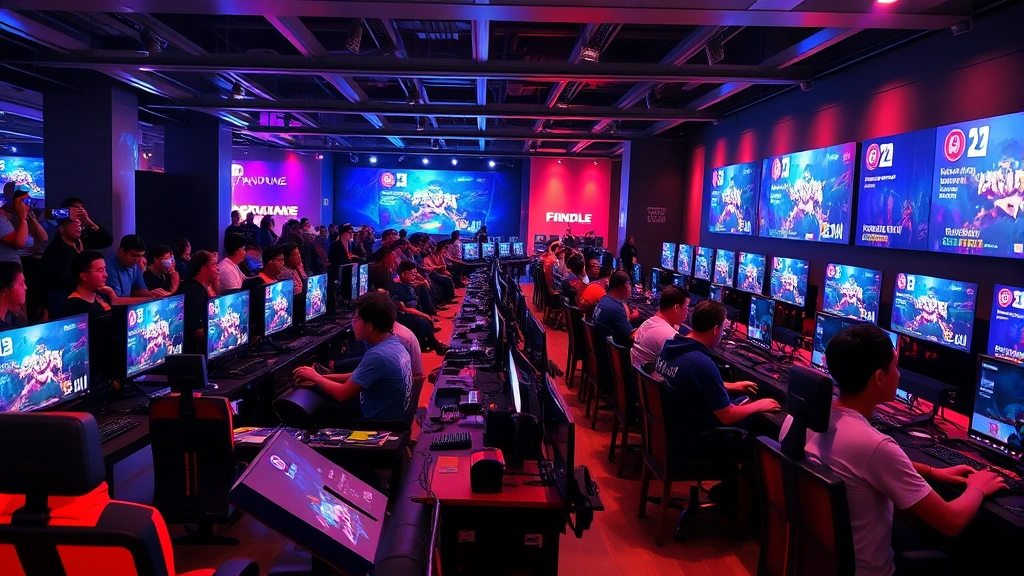
After establishing solid fundamentals, you can begin specializing in advanced techniques specific to your game. This specialization path differs dramatically based on game genre, but the principle remains constant: deep mastery of specific mechanics creates competitive advantage.
Fighting game players might specialize in specific characters, learning frame-data intimately and mastering complex combos. First-person shooter players might focus on particular weapon mastery or specific map knowledge. Strategy game enthusiasts might specialize in particular races or civilizations. This specialization creates expertise that translates to competitive advantage.
Explore advanced positioning strategies. Positioning represents one of the highest-impact skills in team-based games. Positioning determines whether you can execute your strategy safely while disrupting enemy strategies. Study how professional players position themselves relative to teammates and enemies, and practice implementing these positions during competitive matches.
Learn prediction and adaptation. Expert players don’t react to opponent actions; they predict likely actions and position themselves accordingly. This predictive gameplay develops through extensive experience against diverse opponents. Gradually you’ll recognize patterns in how different players approach situations, allowing you to make educated predictions about their likely actions.
Master resource management if your game involves resources. Whether managing economy in strategy games, cooldown management in action games, or map control in competitive shooters, efficient resource utilization separates competent players from excellent ones. Analyze how professionals manage resources and implement their efficiency principles into your gameplay.
Leverage Technology and Tools
Modern gaming technology offers numerous tools accelerating skill development. Beyond basic recording software, specialized applications provide detailed performance analytics. Consider exploring how to record gameplay on PC for comprehensive recording solutions.
Use aim trainers for first-person shooters. Dedicated aim training applications like Aim Lab and Kovaak’s provide customizable scenarios targeting specific aspects of aiming: flick accuracy, tracking, target switching, and reaction time. These specialized tools improve aim faster than general gameplay practice alone.
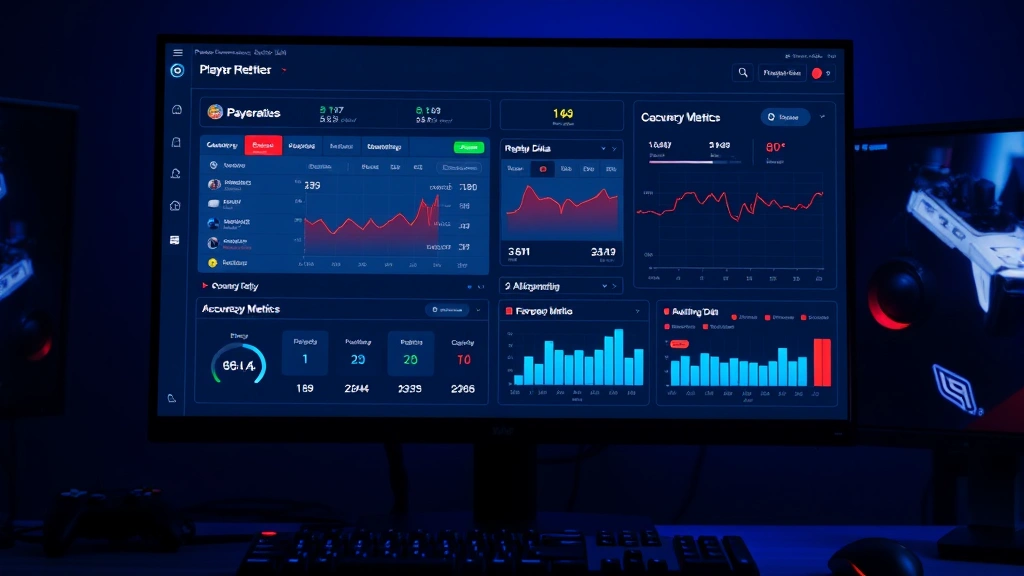
Analyze replay data. Many competitive games now provide detailed statistics from your matches: accuracy percentages, damage dealt, positioning heatmaps, and decision timelines. Study this data to identify patterns in your performance and recognize improvement areas.
Join coaching communities. Experienced players offer coaching services ranging from free community coaching to professional esports coaching. A good coach identifies your specific weaknesses and provides targeted exercises addressing them. This personalized guidance accelerates improvement compared to general advice.
Experiment with different input methods. Some players perform better with keyboard and mouse; others prefer controller input. Testing different input devices might reveal equipment that matches your natural playstyle better than your current setup. Don’t dismiss this possibility without genuine experimentation.
Expanding Your Gaming Horizons
While specializing in specific games builds competitive excellence, exploring diverse titles develops versatile gaming skills. Different games emphasize different abilities, and experiencing variety strengthens overall gaming competency. Check out our best indie games for PC for titles offering unique gameplay experiences.
Playing different genres strengthens different neural pathways. First-person shooters develop twitch reflexes and spatial awareness. Strategy games develop long-term planning and resource optimization. Puzzle games develop problem-solving and pattern recognition. Exposure to diverse games creates well-rounded gaming abilities.
Follow industry trends and new game releases. Emerging games often introduce innovative mechanics that eventually influence broader gaming landscapes. Early adoption of new titles lets you learn these mechanics before they become mainstream, potentially creating competitive advantage when these mechanics become standard.
Visit the GameForge Daily Blog regularly for comprehensive gaming guides, strategy articles, and industry insights. Staying informed about gaming trends, balance changes, and emerging strategies keeps your knowledge current and prevents skill stagnation.
Consider exploring cloud gaming options. Our guide on what is cloud gaming explains how this technology enables gaming on various devices, potentially expanding where and when you can practice.
FAQ
How long does it take to reach competitive skill levels?
Skill development timelines vary dramatically based on game complexity, your dedication level, and prior gaming experience. Simple games might take weeks to months of consistent practice. Complex competitive games typically require 6-12 months of dedicated daily practice to reach competitive viability. Elite-level skill usually requires 2-5 years of sustained effort. Remember that 10,000 hours represents the rough threshold for mastery in any complex skill, though focused practice compresses this timeline significantly.
Should I specialize in one game or play multiple games?
For competitive excellence, specialization generally outperforms playing multiple games simultaneously. Focusing on one game lets you develop deep expertise and climb competitive rankings. However, occasionally playing other genres strengthens versatile gaming abilities and prevents burnout. A balanced approach: maintain primary focus on your main competitive game while casually exploring other genres 10-20% of practice time.
What’s more important: mechanical skill or game knowledge?
Both matter critically, but game knowledge often receives insufficient attention from developing players. Excellent mechanics without game knowledge leads to executing perfect plays in wrong situations. Perfect game knowledge without mechanics prevents executing strategies effectively. Ideally, develop both simultaneously, but if forced to choose, prioritize game knowledge early since it improves faster than mechanics.
How do I overcome skill plateaus?
Plateaus occur when current practice routines stop producing improvement. Break through by changing practice approaches: try different practice partners, study professional play more intensively, focus on different skill aspects, or temporarily shift to different game modes. Often plateaus indicate you’ve exhausted benefits from current practice methods rather than hitting actual skill ceiling. Deliberate practice method adjustments usually reignite improvement.
Is expensive equipment necessary for skill development?
While quality equipment removes performance obstacles, it’s not absolutely necessary for reaching competitive skill levels. Professional players use quality equipment, but primarily because they’ve already developed fundamental skills. Focus first on developing core abilities with whatever equipment you currently own. Upgrade progressively as you recognize specific hardware limitations hindering further improvement. Budget equipment supports skill development perfectly adequately.
How important is streaming or content creation for improvement?
Streaming and content creation aren’t necessary for skill development, but they provide valuable side benefits. Creating content forces articulation of strategies, which deepens understanding. Community feedback provides external perspectives on your gameplay. However, don’t sacrifice practice quality for content creation. Prioritize deliberate practice; create content during supplementary time if interested.