

Marco Polo in Gaming: A Dive into History’s Legacy
Marco Polo stands as one of history’s most legendary explorers, and his remarkable journey across Asia has captivated imaginations for centuries. Now, the gaming industry has embraced this historical icon, bringing his adventures to life through interactive experiences that blend education with entertainment. Whether you’re a history enthusiast or simply looking for compelling narrative-driven games, the Marco Polo game genre offers something truly special.
The intersection of historical figures and gaming creates unique opportunities for developers to reimagine classic stories. Marco Polo’s expeditions, documented in his travels along the Silk Road, provide rich material for game designers seeking to craft immersive worlds filled with exploration, discovery, and cultural encounters. From indie developers to major studios, creators have found inspiration in the Venetian merchant’s legacy, resulting in games that educate while they entertain.
This comprehensive guide explores how Marco Polo has been represented in gaming, the various titles that feature his story, and why historical games continue to resonate with modern audiences. We’ll examine the mechanics, narratives, and cultural significance of these games while discussing what makes them stand out in today’s competitive gaming landscape.

The Historical Marco Polo and His Journey
Understanding the real Marco Polo enriches your appreciation for games built around his legacy. Born in 1254 in Venice, Marco Polo embarked on an extraordinary expedition that would define his life and influence global trade for generations. His father, Niccolò, and uncle, Maffeo, were merchants who had already traveled to Asia, and young Marco joined them on what would become a 24-year journey across the Silk Road.
The Polo family’s travels took them through treacherous mountain passes, vast deserts, and bustling trading posts. They reached the court of Kublai Khan, the Mongol ruler of the Yuan Dynasty, where Marco served as an ambassador and administrator. His detailed accounts of Asian cities, customs, and geographical features filled his book, “The Travels of Marco Polo,” which became a crucial resource for European understanding of Asia.
This historical context makes Marco Polo an ideal subject for game narratives. His journey encompasses discovery, danger, cultural exchange, and personal growth—all elements that translate beautifully into interactive entertainment. Game developers have seized upon these themes to create experiences that capture the spirit of exploration that defined the medieval world.
The Silk Road itself serves as a perfect setting for games, offering diverse environments from Mediterranean ports to Asian mountains. The historical period presents opportunities for authentic costume design, architecture, and cultural representation. When you explore a Marco Polo game, you’re not just playing—you’re walking through history.
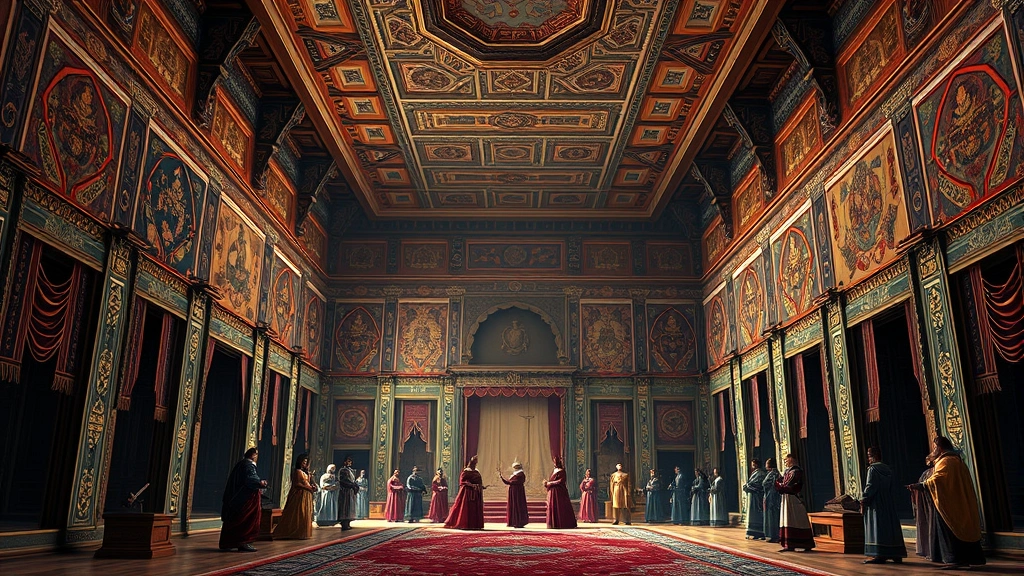
Marco Polo Games: Types and Genres
Marco Polo has appeared across multiple gaming genres, each offering different approaches to his story. The diversity of these games reflects how adaptable his narrative is to various gameplay styles and player preferences.
Adventure Games: These titles focus on exploration and puzzle-solving, allowing players to retrace Marco Polo’s steps across Asia. Adventure games emphasize narrative depth and environmental storytelling, making them ideal for players interested in historical immersion. Many feature inventory systems, dialogue choices, and branching narratives that reward player agency.
Strategy and Simulation Games: Some games approach Marco Polo from a strategic perspective, requiring players to manage trade routes, negotiate with different cultures, and overcome logistical challenges. These games appeal to players who enjoy planning and resource management alongside historical learning.
Educational Games: Designed specifically for learning, these titles integrate Marco Polo’s history into engaging mechanics. They’re popular in educational settings and among families seeking games that entertain while teaching. These often feature quizzes, historical facts, and interactive timelines.
Indie Games: The indie scene has produced creative interpretations of Marco Polo’s journey. Check out our guide to best indie games for PC to discover innovative titles that reimagine historical narratives in fresh ways.
If you’re interested in multiplayer experiences, consider exploring best co-op games on Steam, as some Marco Polo-inspired titles offer collaborative gameplay where you and friends can journey together.
Notable Titles Featuring Marco Polo
Several games have brought Marco Polo’s story to interactive life, each with unique approaches to the historical material.
Marco Polo: Journey to the East: This educational adventure game follows Marco’s expedition chronologically, presenting historically accurate locations and encounters. Players navigate through different regions, learning about medieval Asian cultures while solving puzzles and making choices that affect the narrative. The game emphasizes historical authenticity while maintaining engaging gameplay mechanics.
Silk Road Trading Company: A strategy simulation that puts players in the role of a merchant on the Silk Road during Marco Polo’s era. Rather than directly controlling Marco, players experience the trading environment that made his journey significant. Resource management, negotiation, and route planning become central mechanics.
The Venetian Merchant: This indie title offers a more intimate look at merchant life during the medieval period. While not exclusively about Marco Polo, his influence and reputation permeate the game world, and players can encounter references to his travels throughout their journey.
Discovery: The Golden Age: A broader exploration game where Marco Polo is one of several historical figures players can embody. This title lets you experience multiple perspectives on the Age of Exploration, comparing Marco’s medieval journey with later explorers’ adventures.
For more recommendations on narrative-driven experiences, visit our best single player games 2025 guide, which features several historically-themed titles.
Gameplay Mechanics in Historical Adventure Games
The mechanics that make Marco Polo games engaging are carefully designed to balance historical authenticity with entertaining gameplay. Understanding these systems reveals why historical games can be just as compelling as contemporary titles.
Navigation and Exploration: Most Marco Polo games feature expansive maps representing the Silk Road and Asian territories. Players navigate through different regions, discovering new locations and encountering various NPCs. Navigation systems often include historical waypoints and landmarks, educating players about geography while providing gameplay objectives.
Resource Management: Many titles incorporate trading mechanics where players must manage supplies, trade goods, and currency. This reflects the real challenges Marco Polo faced—maintaining provisions across vast distances and profiting from trading opportunities. Players must decide what goods to carry, when to trade, and which routes offer the best returns.
Dialogue and Relationship Building: Interactions with NPCs representing different cultures and backgrounds create meaningful encounters. Dialogue systems often feature multiple choice options, allowing players to approach situations diplomatically or pragmatically. Building relationships with key figures can unlock new paths and information.
Puzzle Solving: Environmental puzzles and challenges test players’ problem-solving abilities. These might involve deciphering ancient languages, solving riddles from different cultures, or figuring out how to navigate treacherous terrain. Puzzles are typically designed to feel historically plausible rather than abstract.
Combat Systems: Some Marco Polo games include combat mechanics, ranging from real-time action to turn-based strategy. Combat often reflects historical weapons and tactics, though most games emphasize avoidance and negotiation over violence, staying true to Marco’s role as a merchant rather than a warrior.
Character Development: Players typically develop their character through experience points or skill advancement. Learning languages, improving trading acumen, and developing cultural understanding become gameplay progression systems that reinforce the educational aspects of the experience.
Educational Value and Historical Accuracy
One of the most compelling aspects of Marco Polo games is their educational potential. These titles serve as interactive history lessons, teaching players about medieval geography, cultural diversity, and historical trade routes.
Geographic Education: Players learn the actual layout of the Silk Road, discovering real cities and geographical features. Games often include detailed descriptions of landmarks, helping players understand the scale and diversity of the regions Marco traversed. This geographic knowledge sticks with players far more effectively than traditional textbook learning.
Cultural Representation: Encounters with different cultures—Mongol, Chinese, Persian, Indian—expose players to diverse historical perspectives. Well-designed games present these cultures respectfully and authentically, promoting cross-cultural understanding. Players learn about different customs, belief systems, and societal structures through natural gameplay encounters rather than exposition.
Historical Context: Quality Marco Polo games provide context about the medieval world—the Mongol Empire’s influence, the state of global trade, political structures, and technological developments. This contextual knowledge helps players understand why Marco’s journey was significant and what made it possible.
Accuracy Considerations: While all games take creative liberties, the best historical titles maintain fidelity to documented facts while filling gaps with plausible speculation. Developers consult historical sources and experts to ensure that major events, locations, and cultural details remain accurate. This balance between historical truth and entertaining fiction makes the games both educational and engaging.
For those seeking to enhance their gaming setup while enjoying these educational titles, consider reviewing our gaming PC build guide to ensure your system can handle modern historical adventure games at their best.
The Future of Historical Gaming
The success of Marco Polo games and similar historical titles indicates a bright future for this genre. Several trends are shaping how developers approach historical narratives in gaming.
Enhanced Historical Authenticity: Developers are increasingly consulting with historians and cultural experts to ensure authentic representation. Advanced technology allows for more detailed recreations of historical locations, making the settings feel genuinely immersive. Future games will likely feature even more precise historical details without sacrificing gameplay enjoyment.
Interactive Storytelling: The gaming medium’s unique strength—player agency—is being leveraged more effectively to tell historical stories. Rather than simply following a predetermined narrative, players will increasingly make meaningful choices that affect how history unfolds within the game world. This creates personal connections to historical events.
Diverse Perspectives: Future games will likely explore historical events from multiple viewpoints. Rather than always playing as the famous explorer, games might feature perspectives of merchants, local inhabitants, or other travelers on the Silk Road. This creates richer, more nuanced understandings of historical periods.
Virtual Reality Integration: VR technology promises unprecedented immersion in historical settings. Imagine walking through a medieval Asian marketplace or standing in Marco Polo’s court with authentic sensory details. As VR becomes more accessible, historical games in this medium will offer transformative educational experiences.
Cross-Media Narratives: Future games might integrate with other media—books, documentaries, podcasts—creating comprehensive historical experiences. Players could explore Marco Polo’s story across multiple platforms, each offering unique insights and entertainment value.
The gaming industry’s continued investment in historical content reflects growing audience demand for meaningful, educational entertainment. Marco Polo games represent just one facet of this trend, but they exemplify how gaming can make history accessible, engaging, and unforgettable.
Check out GameForge Daily Blog for the latest updates on historical game releases and industry trends.
FAQ
What is the most popular Marco Polo game?
“Marco Polo: Journey to the East” remains one of the most acclaimed titles, praised for its historical accuracy and engaging gameplay. However, popularity varies by platform and region, with different games gaining traction in different communities.
Are Marco Polo games suitable for children?
Many Marco Polo games are designed with educational value for younger players. However, content varies by title—some games feature violence or complex themes. Always check age ratings and reviews before purchasing for children.
Can I play Marco Polo games on consoles?
While many Marco Polo games originated on PC, several have been ported to consoles like PlayStation and Nintendo Switch. Check individual game listings to see what platforms support your preferred title.
How historically accurate are Marco Polo games?
Quality Marco Polo games maintain fidelity to documented history while taking creative liberties for entertainment. Developers typically consult historical sources, though games prioritize engaging gameplay alongside educational value.
What should I look for when choosing a Marco Polo game?
Consider your preferred gameplay style—adventure, strategy, education—and check reviews for historical accuracy and narrative quality. Reading player reviews and watching gameplay videos helps ensure the game matches your interests.
Are there multiplayer Marco Polo games?
Some games offer cooperative or competitive multiplayer modes where players journey together or compete as rival merchants. Check individual game descriptions for multiplayer features.

