

McDonald’s Squid Game Meal: Worth the Hype?
When Netflix’s Squid Game became a global phenomenon, it was only a matter of time before fast-food chains capitalized on the craze. McDonald’s jumped on the opportunity with a limited-edition Squid Game meal that promised to deliver the show’s aesthetic straight to your local restaurant. But does this promotional tie-in actually deliver on the hype, or is it just another marketing gimmick designed to empty your wallet? As gamers and pop culture enthusiasts, we’ve all experienced the disappointment of branded merchandise that looks nothing like the promotional images. This meal is no exception, but there’s more to the story than meets the eye.
The Squid Game phenomenon transcended television and became a cultural event, much like how the best single player games capture audiences worldwide. McDonald’s saw an opportunity to tap into this massive audience by creating a meal that references the show’s iconic imagery and themes. Whether you’re a die-hard fan or just curious about what all the fuss is about, understanding what this meal offers—and what it doesn’t—will help you decide if it’s worth your money.

What Is the McDonald’s Squid Game Meal?
McDonald’s Squid Game meal is a limited-edition promotional offering that combines classic menu items with exclusive packaging inspired by the hit Netflix series. The meal typically includes a burger, fries, a drink, and sometimes a dessert item, all wrapped in specially designed packaging featuring the show’s iconic green tracksuits, geometric symbols, and minimalist aesthetic. Different regions have offered varying versions of this meal, with some locations providing unique items unavailable in other markets.
The concept behind the meal is straightforward: leverage the massive popularity of Squid Game to drive foot traffic and sales. From a marketing perspective, it’s brilliant. The show has been viewed by hundreds of millions of people worldwide, and merchandise tied to popular media properties consistently performs well. However, the execution of such promotional meals often falls short of expectations, leaving consumers questioning whether the novelty justifies the premium pricing.
Understanding what makes this meal special requires looking at both the tangible elements—the food itself—and the intangible factors like brand association and collectibility. It’s similar to how the best co-op games on Steam succeed by combining engaging gameplay with memorable experiences; McDonald’s is betting that the Squid Game branding will create a memorable fast-food experience.
Packaging and Presentation
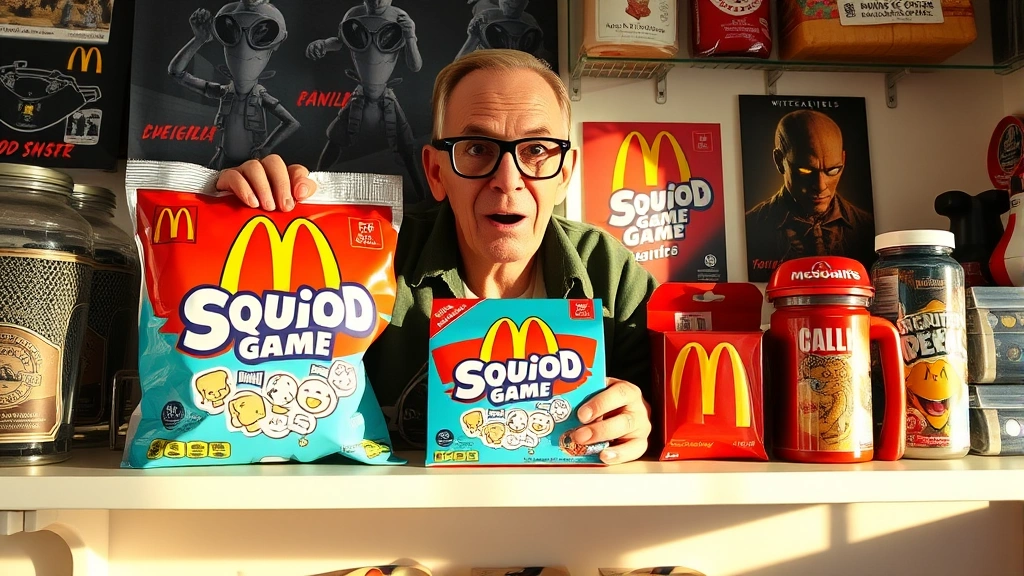
This is where the McDonald’s Squid Game meal truly shines. The packaging is undeniably impressive and instantly recognizable to anyone familiar with the show. The design features the series’ signature green color, the three geometric symbols (circle, triangle, and square) that represent different roles in the games, and minimalist typography that captures the show’s aesthetic perfectly. For fans of Squid Game, unboxing this meal feels like owning a piece of merchandise.
The attention to detail in the packaging is remarkable. McDonald’s didn’t just slap a logo on a standard box; they created a cohesive visual experience that reflects the show’s themes of inequality, control, and survival. The packaging itself has become collectible, with fans saving boxes and sharing photos on social media. This marketing strategy has proven incredibly effective, generating organic buzz and free advertising through user-generated content.
However, packaging alone doesn’t make a meal worth purchasing. The presentation might impress you when you first open the box, but once you’ve removed the food, you’re left with standard McDonald’s fare. The novelty wears off quickly, especially if the actual food quality doesn’t match the premium presentation. Many consumers report feeling underwhelmed after the initial excitement of seeing the branded packaging, realizing they’ve paid extra for essentially the same meal they could get any other day.
Food Quality and Taste
Here’s where we need to be brutally honest: the McDonald’s Squid Game meal contains nothing special in terms of actual food. You’re getting standard McDonald’s items—a burger (usually a Quarter Pounder or Big Mac depending on your region), French fries, and a beverage. The food quality is exactly what you’d expect from McDonald’s, which means it’s acceptable fast food but nothing extraordinary.
The fries are McDonald’s fries—crispy on the outside, soft on the inside, and served at the appropriate temperature if you eat them immediately. The burger is competently made but uses the same ingredients and preparation methods as any other day. There are no exclusive menu items, no special sauces, and no culinary innovations. You’re essentially paying for the branding and packaging rather than superior food quality.
This is a critical distinction that many consumers overlook. When you purchase the Squid Game meal, you’re not investing in better food; you’re investing in the cultural association and collectible packaging. For die-hard fans of the show, this might be acceptable. For anyone expecting an enhanced fast-food experience, you’ll likely feel disappointed. It’s similar to purchasing the best indie games for PC—the value proposition depends on whether you’re buying for gameplay, aesthetics, or both.
Price and Value Proposition
McDonald’s Squid Game meals are typically priced 20-30% higher than standard combo meals, with prices varying by location and included items. This premium pricing is purely for the branding and packaging; the actual food cost remains unchanged. In most cases, you’re paying $12-15 for what would normally cost $8-10.
From a pure value perspective, this is difficult to justify. You’re not receiving additional food, better quality ingredients, or larger portions. You’re receiving packaging that, while visually appealing, will eventually be discarded. Unless you’re specifically collecting the packaging for its novelty value or are a devoted Squid Game fan, the premium pricing doesn’t align with the actual product value.
However, value is subjective. If you view the meal as a collectible experience rather than just food, the equation changes. Some people happily spend money on merchandise, experiences, and limited-edition items, especially when they’re tied to beloved media franchises. For these consumers, the McDonald’s Squid Game meal represents an affordable way to own a piece of pop culture memorabilia while also getting a meal.
The key question is: what are you really paying for? Are you buying the meal because you’re hungry and want McDonald’s, or are you buying it primarily for the packaging and cultural association? If it’s the former, you’re overpaying. If it’s the latter, the price might feel reasonable depending on your budget and passion for the show.
Cultural Impact and Marketing
From a marketing perspective, the McDonald’s Squid Game meal is a masterclass in leveraging pop culture trends. The collaboration generated massive buzz on social media platforms like TikTok, Instagram, and Twitter, with millions of impressions and shares. This organic marketing value far exceeds what McDonald’s would typically spend on advertising for a standard promotional meal.
The meal’s success demonstrates the power of limited-edition offerings and cultural relevance in driving consumer behavior. When something is available for a limited time, people feel urgency to purchase it before it disappears. This psychological principle, known as scarcity marketing, is incredibly effective and explains why people who might never normally purchase a promotional meal felt compelled to buy the Squid Game version.
The collaboration also highlights the growing intersection between gaming culture, streaming entertainment, and fast-food marketing. Brands are increasingly recognizing that younger demographics—the primary audience for both video games and streaming content—respond to cultural tie-ins and branded experiences. If you’re interested in how entertainment influences consumer behavior, check out our Game Forge Daily Blog for more insights on gaming culture and trends.
Additionally, this marketing strategy has implications for the gaming industry. Just as McDonald’s capitalized on Squid Game’s popularity, game developers and esports organizations are increasingly exploring partnerships with mainstream brands. These collaborations create cross-promotional opportunities that introduce gaming content to broader audiences and bring mainstream brands into gaming spaces.
Collector Appeal and Memorabilia
The true value of the McDonald’s Squid Game meal lies in its collector appeal. For fans of the show, owning the branded packaging represents a tangible connection to the media they love. This is the same psychology that drives people to purchase figurines, posters, t-shirts, and other merchandise tied to their favorite franchises.
Some collectors have reported that unopened or well-preserved packaging from limited-edition fast-food meals can appreciate in value over time, particularly if the meal is discontinued and becomes rare. However, it’s important to note that most fast-food packaging doesn’t become significantly valuable, and banking on future collectibility is risky. The market for fast-food memorabilia is niche and unpredictable.
That said, if you’re someone who enjoys collecting pop culture memorabilia and has the means to purchase the meal without financial strain, it could be a worthwhile addition to your collection. The packaging is genuinely well-designed and visually striking, making it more display-worthy than typical fast-food containers. Just don’t expect to make money off it in the future.
The collector appeal also extends to the experience itself. In our era of content creation and social media sharing, purchasing and documenting the meal is part of the appeal. Unboxing videos, aesthetic photography, and social media posts about limited-edition products are incredibly popular, and the Squid Game meal’s distinctive packaging makes it ideal content material.
FAQ
Is the McDonald’s Squid Game meal still available?
The meal was a limited-time offering that has since been discontinued in most markets. However, McDonald’s periodically brings back popular promotional meals, so it’s possible it could return in the future. Check your local McDonald’s or the official McDonald’s app for current promotional offerings.
How much does the Squid Game meal cost?
Pricing varies by location, but most consumers reported paying between $12-15 for the complete meal, which represents a 20-30% premium over standard combo meals.
Is the food different from regular McDonald’s meals?
No, the food is identical to standard McDonald’s offerings. The only difference is the packaging. You’re not receiving special menu items, exclusive ingredients, or enhanced quality.
Should I buy the McDonald’s Squid Game meal?
This depends on your priorities. If you’re a passionate Squid Game fan who enjoys collecting memorabilia and views the meal as a cultural experience, it could be worthwhile. If you’re primarily interested in getting a good meal at a fair price, you’re better off purchasing a standard combo and saving the money.
Will the packaging become valuable?
While it’s theoretically possible that preserved packaging could appreciate in value, this is not guaranteed. Fast-food packaging rarely becomes significantly valuable. Don’t purchase the meal expecting to profit from it later.
Where can I find more information about gaming culture and pop culture trends?
Visit our gaming PC build guide and other resources on Game Forge Daily to explore how entertainment, gaming, and consumer culture intersect. You can also check out external sources like IGN for entertainment news and GameSpot for gaming culture coverage.
Are there other fast-food tie-ins with entertainment properties?
Yes, fast-food chains frequently collaborate with popular movies, TV shows, and games. McDonald’s has done promotions for numerous franchises, and other chains like Burger King and Taco Bell also participate in similar marketing campaigns. These collaborations are expected to continue as brands recognize the value of cultural relevance.
Final Verdict
The McDonald’s Squid Game meal is a well-executed marketing campaign that successfully capitalized on the show’s massive popularity. The packaging is genuinely impressive and immediately recognizable to fans. However, the food itself is standard McDonald’s fare offered at a premium price. Whether it’s worth purchasing depends entirely on your perspective: if you view it as a collectible experience and cultural tie-in, it could be worthwhile; if you’re looking for value in terms of food quality and price, you’ll be disappointed.
For more insights into how entertainment and consumer culture intersect with gaming, explore our guide on recording gameplay and stay updated on the latest gaming trends. The intersection of mainstream entertainment and gaming culture continues to evolve, creating unique opportunities for both consumers and brands to connect.
Ultimately, the meal’s value is subjective. For devoted Squid Game fans with disposable income, the nostalgia and collectibility factor might justify the purchase. For everyone else, you’re better off saving your money and enjoying a standard fast-food meal at a better price. The real takeaway is understanding that limited-edition branded products trade on cultural relevance and scarcity rather than inherent product quality—and that’s perfectly acceptable as long as you’re making an informed decision about where your money is going.