
Top Minute Games for Kids: Parent-Approved Fun That Teaches and Entertains
Are you searching for engaging activities that fit perfectly into your child’s busy schedule? Minute to win it games for kids have become the ultimate solution for parents seeking quick, entertaining, and educational entertainment. These bite-sized gaming experiences deliver maximum fun in minimal time, making them ideal for busy families juggling school, sports, and extracurricular activities. Whether you’re looking for something to occupy a rainy afternoon or a fun reward after homework, minute-to-win-it games offer the perfect balance of challenge and accessibility.
The beauty of these games lies in their simplicity and engaging gameplay mechanics. Kids don’t need hours to complete levels or understand complex rules—they can jump in, have fun, and feel accomplished within moments. Parents love them because they’re often free or inexpensive, require minimal screen time, and frequently involve physical activity or creative thinking. In this comprehensive guide, we’ll explore the best minute-to-win-it games that have earned the seal of approval from parents and educators worldwide.
Classic Physical Minute Games That Never Get Old
Physical minute games have been entertaining kids for generations, and their popularity hasn’t diminished one bit. These games require minimal setup, basic household items, and maximum fun. The beauty of physical games is that they get kids moving, boost their confidence, and create memorable experiences with family and friends.
Stacking Cups remains one of the most popular minute-to-win-it games. Kids race to stack and unstack plastic cups as quickly as possible, typically completing the challenge in under 60 seconds. This game develops hand-eye coordination, fine motor skills, and spatial awareness. The competitive element keeps children engaged and motivated to beat their previous times.
Cookie Face is another beloved classic where players balance cookies on their foreheads and race to move them into their mouths without using their hands. It’s hilarious, harmless, and teaches kids about facial muscles and body control. Parents appreciate that it’s mess-free and requires only cookies and willing participants.
Chopstick Challenge involves picking up small objects using chopsticks and transferring them to another container. This game enhances dexterity, concentration, and patience. It’s particularly beneficial for younger children developing fine motor control and can be adjusted for different difficulty levels by using smaller or larger objects.
When exploring cooperative gaming experiences, you’ll notice that many digital games share similar principles with physical minute games: quick engagement, clear objectives, and immediate feedback. These elements make games inherently satisfying for young players.
Digital Minute Games for Screens
In today’s digital age, screen-based minute games offer equally engaging experiences. These games are designed with short play sessions in mind, making them perfect for children who prefer interactive digital entertainment. The best digital minute games combine simple mechanics with addictive gameplay.
Flappy Bird-style games remain incredibly popular with kids of all ages. These simple tap-to-play games require players to navigate obstacles with precise timing. Despite their simplicity, they’re challenging enough to keep children engaged and motivated to improve their high scores. The short nature of each attempt makes them perfect for quick gaming sessions.
Puzzle games like 2048 and Threes! provide mathematical challenges wrapped in engaging gameplay. Kids develop problem-solving skills, number recognition, and strategic thinking while having fun. These games can be completed in various timeframes, but individual rounds typically last just a few minutes.
Rhythm games such as Beat Saber (in short song modes) and Guitar Hero offer musical entertainment that develops hand-eye coordination and rhythm awareness. Many rhythm games feature kid-friendly song selections and difficulty modes suitable for younger players.
For parents interested in understanding gaming technology better, check out our guide on cloud gaming solutions, which can make accessing quality games easier than ever. Cloud gaming platforms often feature curated collections of family-friendly titles perfect for quick sessions.

Mobile games deserve special mention as they’ve revolutionized minute gaming. Titles like Crossy Road, Monument Valley, and Two Dots are specifically designed for quick, satisfying play sessions. These games feature beautiful graphics, intuitive controls, and achievement systems that reward short-term progress.
When selecting digital minute games, parents should look for titles that are age-appropriate, free from aggressive advertising, and designed to encourage healthy play habits rather than excessive screen time. Many indie games for PC offer excellent minute-game experiences with unique art styles and innovative gameplay mechanics.
Educational Benefits of Quick Games
Minute games provide surprising educational value that extends far beyond entertainment. These games serve as powerful learning tools that develop critical cognitive and physical skills in children.
Cognitive Development: Quick games strengthen memory, problem-solving abilities, and decision-making skills. When children engage in timed challenges, their brains work rapidly to process information and respond appropriately. This mental agility translates to improved performance in academic settings.
Motor Skills: Both physical and digital minute games develop fine and gross motor skills. Physical games like Cup Stacking enhance hand-eye coordination and reaction time, while digital games improve finger dexterity and spatial reasoning. These skills are foundational for academic success and athletic performance.
Social Skills: Minute games are excellent for group play, teaching children about competition, sportsmanship, and cooperation. When kids play together, they learn to celebrate others’ successes, handle friendly competition, and work as a team. These social competencies are invaluable in school and throughout life.
Confidence Building: The achievable nature of minute games makes them perfect for building self-esteem. Kids can complete challenges within a short timeframe, experience success, and feel proud of their accomplishments. This positive reinforcement encourages them to tackle more challenging activities.
Time Management: These games naturally teach children about working within time constraints. Kids learn to focus, prioritize actions, and work efficiently—skills that benefit their academic performance and future productivity.
Family-Friendly Game Ideas for All Ages
The best minute games are those that bring families together. Here are some fantastic options suitable for mixed-age groups:
Minute to Win It Originals: The television show that spawned this gaming phenomenon featured dozens of creative challenges. Games like “Marshmallow Madness” (catching marshmallows in your mouth), “Dizzy Mummy” (wrapping someone in toilet paper), and “Minute Mover” (dancing while keeping a pencil balanced on your head) remain crowd favorites.
Scavenger Hunt Games: Time-limited scavenger hunts get kids moving and thinking. Parents can create themed hunts where children find items around the house or yard within one minute. This variation of the classic game keeps children physically active and mentally engaged.
Balance and Coordination Games: “Walk the Line” challenges kids to walk a straight line while balancing an object on their heads. “Noodle Neck” involves moving a pool noodle from one end of the body to the other without using hands. These games are hilarious, harmless, and develop body awareness.
Relay Race Variations: Modified relay races where teams complete minute challenges before passing to the next player create exciting competitive experiences. These work wonderfully at birthday parties and family gatherings.
For inspiration on engaging group gaming experiences, explore our GameForge Daily Blog where we regularly feature creative gaming ideas for families and groups.
How to Host Minute Games Events
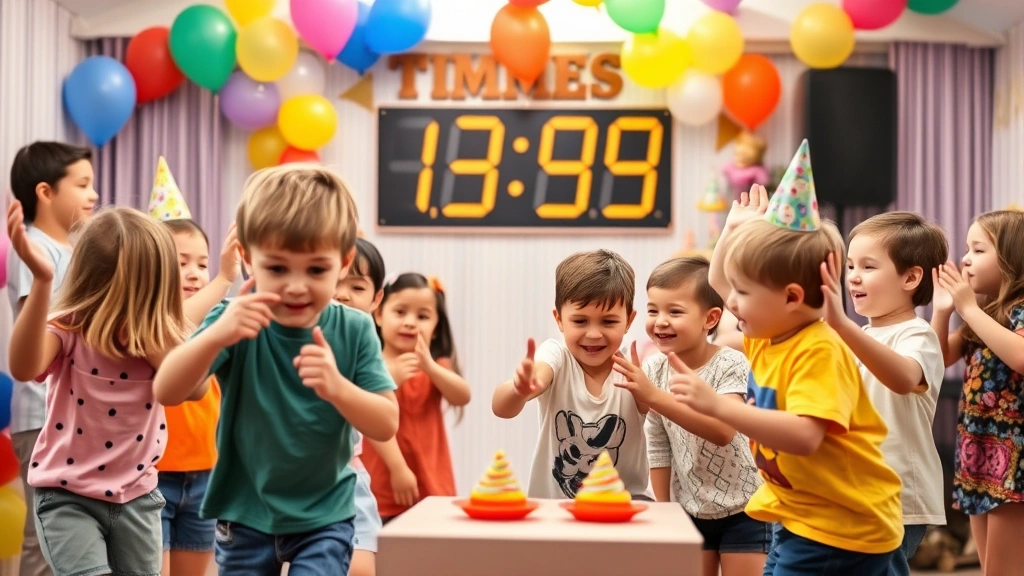
Hosting a minute games event is easier than you might think. Whether you’re planning a birthday party, family gathering, or classroom activity, these guidelines will help you create an unforgettable experience.
Planning Your Event: Start by selecting 8-12 different games that suit your group’s age range and abilities. Mix physical and digital games to maintain variety and engagement. Create a schedule that flows logically, perhaps starting with warm-up games and progressing to more challenging activities.
Setting Up Stations: For physical games, set up different stations around your space. Each station should have clear instructions posted, necessary materials ready, and space for spectators to watch and cheer. This setup keeps the event organized and ensures everyone understands the rules.
Scoring Systems: Develop a simple scoring system that rewards both winners and participants. Consider giving points for completion, personal bests, and sportsmanship. This inclusive approach ensures every child feels valued and motivated to participate.
Equipment Needed: Most minute games require only household items: plastic cups, cookies, chopsticks, pencils, balloons, and string. For digital games, ensure you have appropriate devices and games installed beforehand. Keep a timer visible to all participants—a large digital timer or stopwatch app works perfectly.
Creating Excitement: Play energetic background music, use a microphone if available, and provide enthusiastic commentary. Celebrate each participant’s effort, not just winners. This positive atmosphere encourages kids to try their best and have fun regardless of their performance.
Safety Considerations: Always supervise games, especially those involving younger children or physical activity. Remove hazards from game areas, use age-appropriate challenges, and have first aid supplies nearby. Brief participants on proper technique before starting each game.
If you’re interested in learning more about gaming technology for events, our Gaming PC Build Guide provides information on setting up systems for group gaming experiences.
FAQ
What age group are minute games suitable for?
Minute games are incredibly versatile and can be adapted for ages 4 and up. Younger children (4-7) benefit from simpler physical games with basic rules, while older kids (8+) enjoy more challenging variations and competitive digital games. The key is selecting age-appropriate challenges and difficulty levels. Always supervise younger children during physical games.
How long should minute games actually last?
Despite the name, minute games don’t always last exactly 60 seconds. Most challenges are designed to be completed within one to two minutes, though some may take slightly longer. The emphasis is on quick, engaging gameplay rather than hitting a precise time limit. Adjust durations based on your group’s needs and abilities.
Can minute games help with child development?
Absolutely! Minute games provide excellent developmental benefits including improved motor skills, enhanced cognitive function, better social interaction, and increased confidence. They’re particularly valuable for children who struggle with longer, more complex games or activities. The quick-win nature of these games provides immediate positive reinforcement that encourages continued learning and development.
What’s the best way to make minute games educational?
Select games that target specific skills you want to develop. Coordination games improve motor skills, puzzle games enhance problem-solving, and group games build social competencies. You can also create custom minute games based on academic concepts—spelling challenges, math problems, or science facts timed within one minute. This approach makes learning feel like play.
Are there minute games suitable for large groups?
Yes! Many minute games work wonderfully with large groups. Team-based challenges, relay races, and station-style events accommodate numerous participants. For digital games, consider tournament-style competitions where players compete in rounds. The key is having multiple stations or activities running simultaneously to keep everyone engaged.
How do I keep minute games fresh and exciting?
Rotate games regularly to maintain novelty and excitement. Create variations of classic games by changing rules, difficulty levels, or team compositions. Introduce new games periodically and encourage kids to invent their own minute challenges. Keeping a log of games played helps you remember which ones were most popular and which need refreshing.
What equipment do I really need for minute games?
Most minute games require minimal equipment—household items like cups, cookies, pencils, balloons, and string suffice for physical games. For digital games, you’ll need appropriate devices (tablets, computers, or smartphones) and game apps installed. The beauty of minute games is their simplicity; expensive equipment isn’t necessary for maximum fun.
Minute to win it games for kids represent the perfect intersection of entertainment, education, and family bonding. Whether you’re hosting a special event, looking for rainy-day activities, or seeking to develop your child’s skills through play, these games deliver consistent results. Parents appreciate their simplicity and educational value, while kids love the immediate gratification and fun factor. Start exploring these games today and discover why families worldwide have embraced this entertaining gaming format. Your next family game night could be just minutes away from becoming an unforgettable memory!