
Mountain Dew Game Fuel: Gamer Reviews & Tips
When you’re deep into a competitive ranked match, speedrunning through a challenging campaign, or grinding for that next achievement, having the right fuel makes all the difference. Mountain Dew Game Fuel has become a staple in gaming culture, offering gamers a caffeinated boost designed specifically for extended gaming sessions. Whether you’re a casual player enjoying the best indie games for PC or a hardcore esports competitor, understanding what Game Fuel brings to the table can help you make informed choices about your gaming refreshment.
This comprehensive guide breaks down everything you need to know about Mountain Dew Game Fuel, from flavor profiles and nutritional content to real gamer reviews and pro tips for maximizing your gaming sessions. We’ll explore why this beverage has become synonymous with gaming culture, examine different flavors, and provide you with insider knowledge from the gaming community.
What is Mountain Dew Game Fuel?
Mountain Dew Game Fuel represents a specialized energy beverage crafted with gamers in mind. Launched as a collaboration between PepsiCo and gaming culture, this drink combines the iconic citrus punch of Mountain Dew with enhanced caffeine content and gaming-focused marketing. Unlike standard Mountain Dew, Game Fuel contains higher caffeine levels—typically around 85-95mg per 12oz serving—making it a potent choice for marathon gaming sessions.
The beverage isn’t just about caffeine content; it’s about the entire gaming experience. Mountain Dew Game Fuel bottles feature vibrant, eye-catching designs that resonate with gaming aesthetics. The brand has partnered with major gaming franchises, esports organizations, and streaming platforms to create limited editions and exclusive flavors. This strategic positioning has made Game Fuel more than just a drink—it’s a cultural statement within the gaming community.
What sets Game Fuel apart is its understanding of gamer needs. During intense gaming moments—whether you’re tackling the best single player games 2025 or competing in ranked matches—you need sustained energy without the crash. Game Fuel’s formulation attempts to deliver consistent energy through a combination of caffeine, sugar, and other ingredients designed to keep you alert and focused.
Flavor Lineup and Varieties
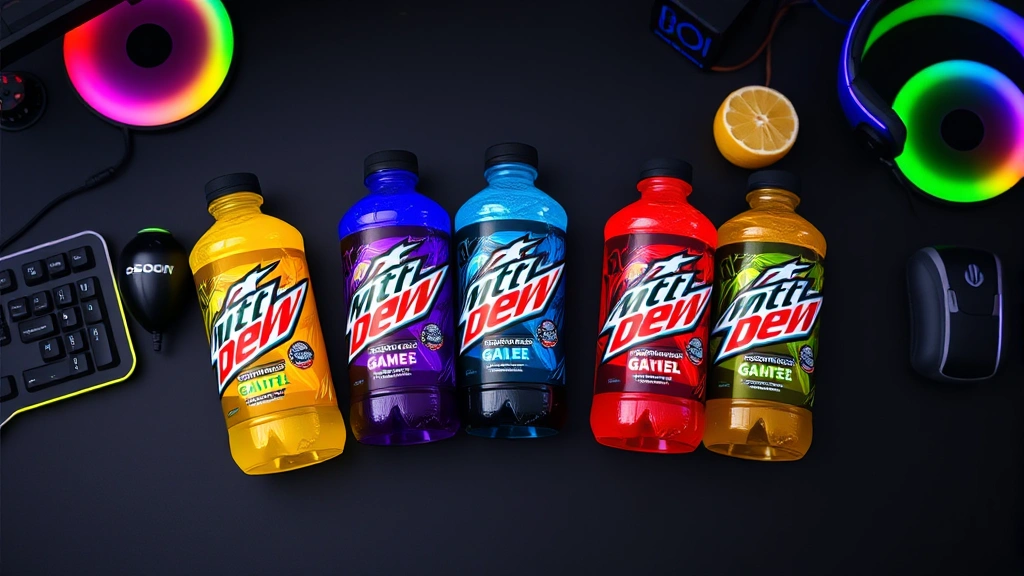
Mountain Dew Game Fuel has released numerous flavors since its inception, each designed to appeal to different taste preferences and gaming moods. The flavor lineup is constantly evolving, with seasonal releases and limited-edition offerings that create excitement within the gaming community.
Original Citrus Flavor remains the flagship option, delivering the classic Mountain Dew taste with an energy boost. This is the go-to choice for purists who want reliable, familiar flavor paired with enhanced caffeine.
Tropical Smash combines tropical fruit notes with the signature Mountain Dew bite, offering a refreshing alternative that appeals to gamers seeking something different from the original formula. This flavor gained significant traction among streamers and casual gamers.
Blue Glacier presents a blue raspberry profile that’s become iconic in gaming beverages. The cool, crisp taste pairs well with extended gaming marathons, and the vibrant blue color has become instantly recognizable at gaming events and tournaments.
Voltage offers a grape-flavored option that stands out from typical energy drink lineups. This purple-hued beverage has developed a loyal following among specific gaming communities.
Limited Edition Flavors tied to gaming franchises and esports events generate buzz and collectibility. These seasonal releases often correlate with major game launches or esports championships, creating synchronicity between gaming events and beverage availability.
When choosing your flavor, consider your personal taste preferences and how the beverage pairs with your gaming environment. Some gamers prefer lighter flavors during intense competitive sessions, while others enjoy bolder tastes during casual gameplay. Experimentation helps you discover your ideal Game Fuel flavor.
Nutritional Breakdown
Understanding what you’re consuming is crucial for any gamer maintaining their health during extended sessions. A standard 12oz serving of Mountain Dew Game Fuel contains approximately 170 calories, with most energy coming from 46 grams of sugar. The caffeine content typically ranges from 85-95mg, providing a noticeable boost without excessive jitteriness for most users.
The drink contains essential B vitamins including niacin, B6, and B12, which support energy metabolism. These vitamins contribute to sustained energy release rather than just the immediate caffeine spike. Additionally, Game Fuel includes taurine, an amino acid commonly found in energy drinks that may support mental focus during gaming.
The sugar content is worth noting for health-conscious gamers. At 46 grams per serving, a single bottle exceeds the American Heart Association’s recommended daily sugar intake for many individuals. This is an important consideration if you’re consuming multiple bottles during extended gaming sessions or planning regular Game Fuel consumption.
For gamers concerned about sugar intake, consider alternating Game Fuel with water or sugar-free alternatives. Staying hydrated is crucial during long gaming marathons, and water should remain your primary beverage. Game Fuel works best as an occasional boost rather than your sole hydration source.
The artificial sweeteners and ingredients vary by flavor and region, so checking the specific label on your bottle ensures you’re aware of exactly what you’re consuming. Some gamers with sensitivities to artificial ingredients report better tolerance with certain flavors over others.
Real Gamer Reviews
The gaming community has provided extensive feedback on Mountain Dew Game Fuel across streaming platforms, forums, and social media. Professional esports players, content creators, and casual gamers share surprisingly consistent perspectives on the beverage.
Positive Feedback centers on the immediate energy boost and sustained focus during competitive gaming. Many streamers report that Game Fuel helps them maintain concentration during eight-to-twelve-hour streaming marathons. The taste is frequently praised as enjoyable and less artificial-tasting than many competing energy drinks. Gamers also appreciate the brand’s gaming-focused marketing and limited edition releases, which create collectible value beyond the beverage itself.
Notable Praise from Competitive Players: Professional esports athletes often credit energy drinks like Game Fuel with supporting their performance during tournaments. The psychological component—knowing you’re consuming a gaming-specific product—may provide confidence boost alongside the actual caffeine benefits.
Constructive Criticism from the gaming community includes concerns about sugar content, with health-conscious gamers seeking alternatives. Some players report energy crashes after the initial boost wears off, particularly if consumed without food. A few gamers mention that the taste becomes less appealing after consuming multiple bottles, suggesting it’s better enjoyed occasionally rather than daily.
Long-time gamers often recommend limiting Game Fuel consumption to important gaming sessions—ranked tournaments, challenging boss fights, or extended streaming sessions—rather than making it a daily habit. This approach maximizes the psychological and physiological benefits while minimizing health concerns.
Gaming Tips and Best Practices
Maximizing your Game Fuel experience requires strategic consumption and complementary habits. Here are expert tips from experienced gamers and esports professionals:
Timing Your Consumption matters significantly. Drink Game Fuel approximately 15-20 minutes before your gaming session begins, allowing the caffeine to take effect just as you’re settling in. This timing ensures peak alertness during critical gaming moments.
Stay Hydrated: While Game Fuel provides energy, it’s not a hydration solution. Alternate Game Fuel with water throughout your session. For every Game Fuel consumed, drink at least one full glass of water. This approach maintains hydration while leveraging Game Fuel’s energy benefits. Dehydration impairs gaming performance more than most gamers realize.
Pair with Nutrition: Consume Game Fuel alongside light snacks—nuts, fruit, or protein bars—rather than on an empty stomach. This combination prevents energy crashes and maintains stable blood sugar levels throughout extended gaming sessions. Professional gamers know that nutrition supports both physical and mental performance.
Avoid Late-Night Consumption: If you’re gaming during evening hours, be cautious about Game Fuel consumption. The 85-95mg caffeine content can interfere with sleep quality if consumed within six hours of bedtime. Sleep is crucial for gaming performance and overall health, so prioritize rest over late-night energy boosts.
Limit Daily Intake: Health professionals recommend limiting caffeine consumption to 400mg daily for most adults. A single Game Fuel contains roughly one-fifth of this limit, meaning you can safely consume multiple bottles daily from a caffeine perspective. However, sugar content and overall health considerations suggest limiting consumption to 1-2 bottles on gaming days.
Create a Gaming Setup: Make Game Fuel part of your gaming ritual. Having your preferred flavor chilled and ready alongside your gaming setup creates psychological readiness. This ritual aspect enhances the overall gaming experience beyond the beverage’s actual effects. Check out our gaming PC build guide for comprehensive setup recommendations.
How it Compares to Other Gaming Beverages
The gaming beverage market has expanded significantly, offering gamers numerous options beyond Mountain Dew Game Fuel. Understanding how Game Fuel stacks up against competitors helps you make informed choices for your gaming needs.
Versus Standard Energy Drinks: Game Fuel competes directly with brands like Red Bull, Monster, and 5-Hour Energy. While Red Bull offers 80mg caffeine per serving with a premium price point, Game Fuel delivers similar caffeine in a larger serving at a lower cost. Monster provides more caffeine (160mg) but at higher caloric and sugar costs. Game Fuel positions itself as the middle ground—more caffeine than regular soda but less aggressive than dedicated energy drinks.
Versus Coffee and Tea: A standard cup of coffee contains 95-200mg caffeine, exceeding Game Fuel’s content. However, coffee’s flavor profile differs dramatically, and many gamers find the ritualistic aspect of Game Fuel more appealing during gaming sessions. Tea offers lower caffeine (25-50mg) but provides sustained energy without the sugar spike.
Versus Gaming-Specific Alternatives: Brands like GamerSupps, Voost, and specialized gaming energy products have entered the market. These competitors often emphasize ingredient transparency and health-conscious formulations. They typically cost more but appeal to gamers prioritizing nutrition alongside performance enhancement.
Versus Sports Drinks: Beverages like Gatorade and Powerade focus on hydration and electrolyte replacement rather than energy boost. While valuable for physical gaming activities, they don’t provide the caffeine benefit Game Fuel offers for mental focus.
The best choice depends on your priorities. If you want gaming culture alignment and brand recognition, Game Fuel excels. If you prioritize caffeine content, coffee wins. If you’re health-conscious, specialized gaming beverages may suit you better. Most experienced gamers maintain a rotation of options depending on their specific needs.
The Esports Connection
Mountain Dew’s involvement in esports extends far beyond casual product placement. The brand has become deeply integrated into competitive gaming culture through sponsorships, partnerships, and limited editions tied to major esports events.
Tournament Sponsorships: Mountain Dew sponsors numerous esports organizations and tournaments globally. Their presence at major League of Legends, Call of Duty, and Valorant competitions makes Game Fuel visible to millions of esports viewers. Players competing at the highest levels often have Game Fuel as part of their tournament setup.
Streamer Partnerships: Major content creators and streamers frequently partner with Mountain Dew, featuring Game Fuel during their broadcasts. These partnerships range from casual mentions to dedicated segments where streamers discuss how Game Fuel supports their streaming marathons. The authenticity of these endorsements varies, but the brand presence is undeniable.
Limited Edition Esports Flavors: Mountain Dew releases special Game Fuel editions tied to major esports events and game launches. These limited releases create urgency and collectibility within the gaming community. Gamers often seek these editions not just for consumption but as collectible items.
Professional Player Preferences: While players compete based on skill, many professional gamers credit energy drinks like Game Fuel with supporting their performance during grueling tournament schedules. The psychological component—confidence from using a gaming-specific product—shouldn’t be underestimated in competitive contexts.
For aspiring competitive gamers looking to record gameplay on PC and build their esports presence, understanding the gaming beverage landscape helps you align with community standards and professional practices.
FAQ
How much caffeine is in Mountain Dew Game Fuel?
Mountain Dew Game Fuel contains approximately 85-95mg of caffeine per 12oz serving, making it stronger than regular Mountain Dew (54mg) but comparable to many standard energy drinks. This caffeine content provides noticeable mental stimulation without excessive jitteriness for most users.
Is Mountain Dew Game Fuel bad for you?
Like most energy drinks, Game Fuel carries health considerations. The primary concerns are high sugar content (46g per serving) and caffeine intake. Consumed occasionally as part of a balanced diet with proper hydration, it poses minimal health risk for most adults. Regular consumption warrants consideration of cumulative sugar and caffeine intake. Individuals sensitive to caffeine, pregnant women, and those with certain health conditions should consult healthcare providers before consumption.
What flavors of Game Fuel are currently available?
Current availability varies by region and season. Original Citrus, Blue Glacier, Tropical Smash, and Voltage are typically available year-round. Limited edition flavors tied to gaming events and franchise partnerships rotate seasonally. Check your local retailers or Mountain Dew’s official website for current availability in your area.
Can I drink Game Fuel every day?
From a pure caffeine perspective, daily Game Fuel consumption falls within safe limits for most adults (85-95mg daily is well below the 400mg recommended maximum). However, the sugar content makes daily consumption less advisable. Most gaming nutrition experts recommend limiting Game Fuel to 2-3 servings per week, reserving it for important gaming sessions rather than daily consumption.
Does Game Fuel actually improve gaming performance?
The caffeine in Game Fuel demonstrably improves mental alertness and focus, which directly supports gaming performance. However, the magnitude of improvement varies individually. Factors like placebo effect, overall health, sleep quality, and nutritional status significantly influence whether you’ll notice performance improvements. Game Fuel works best as one component of a comprehensive gaming performance strategy including proper sleep, nutrition, and practice.
Where can I buy Mountain Dew Game Fuel?
Game Fuel is widely available at major retailers including Walmart, Target, convenience stores, and online platforms like Amazon. Availability of specific flavors varies by location. Limited edition releases may be harder to find and sometimes command premium prices on secondary markets. Checking local retailers first is usually more cost-effective than online purchases.
How does Game Fuel compare to coffee for gaming?
Coffee provides more caffeine (95-200mg per cup) than Game Fuel but takes longer to take effect and can cause more pronounced crashes. Game Fuel’s faster absorption and consistent formulation make it predictable for gaming sessions. However, coffee is cheaper and less sugary. Many gamers use both strategically—coffee for morning sessions and Game Fuel for afternoon or evening gaming.
Are there sugar-free Game Fuel options?
Mountain Dew has released zero-sugar versions of Game Fuel in some markets, using artificial sweeteners instead. These alternatives maintain the caffeine content and flavor profile while eliminating sugar concerns. Availability of zero-sugar options varies significantly by region, so check your local retailers or online retailers like GameStop, which sometimes stocks gaming-specific beverages.
What should I drink alongside Game Fuel?
Water should be your primary accompanying beverage. For every Game Fuel consumed, drink at least one full glass of water to maintain proper hydration. Some gamers also enjoy pairing Game Fuel with light snacks containing protein and complex carbohydrates to prevent energy crashes and maintain stable blood sugar throughout gaming sessions.