
Top N64 Games Ever? Expert Reviews & Definitive Rankings
The Nintendo 64 stands as one of gaming’s most iconic consoles, revolutionizing the industry with its groundbreaking 3D capabilities and innovative controller design. Released in 1996, the N64 delivered unforgettable experiences that shaped an entire generation of gamers and continue to influence modern game design today. Whether you’re a nostalgic veteran or discovering these classics for the first time, understanding which N64 games truly deserve legendary status is essential to appreciating gaming history.
In this comprehensive guide, we’ll explore the absolute best N64 games ever created, examining what made each title exceptional and why they remain relevant decades later. From revolutionary action-adventures to genre-defining sports titles, these games represent the pinnacle of what the console achieved. We’ve analyzed expert reviews, player feedback, and industry recognition to bring you the definitive ranking of N64 masterpieces that shaped gaming forever.
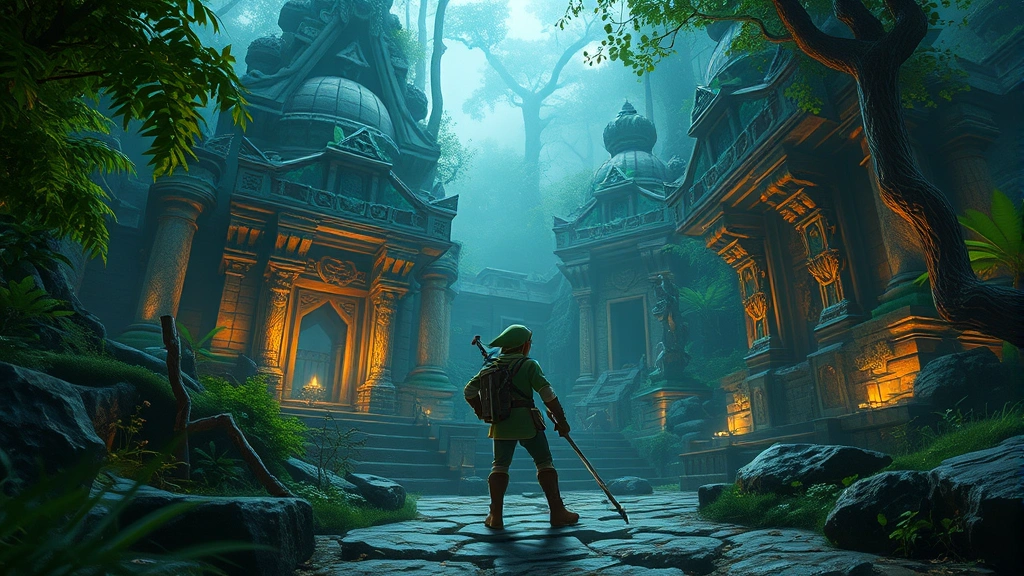
The Legend of Zelda: Ocarina of Time – The Gold Standard
The Legend of Zelda: Ocarina of Time isn’t just one of the best N64 games; it’s frequently cited as one of the greatest video games ever made, period. Released in 1998, this masterpiece redefined what adventure games could achieve in three dimensions. The seamless transition between young Link and adult Link provided two distinct gameplay experiences within a single, cohesive narrative that still captivates players today.
What makes Ocarina of Time absolutely revolutionary is its perfect balance of exploration, puzzle-solving, and combat. The Z-targeting system became industry standard for third-person action games, demonstrating how intuitive camera control should work. Every dungeon is meticulously designed with environmental puzzles that encourage creative thinking, while the overworld begs exploration with hidden secrets and side quests rewarding curiosity.
According to IGN’s retrospective analysis, Ocarina of Time’s influence on modern gaming cannot be overstated. The game’s narrative depth, emotional resonance, and technical achievement earned it universal acclaim that has only strengthened with time. Expert reviewers consistently rank it at the top of N64 games lists, and its Metacritic score of 99 remains virtually untouchable.
The music composed by Koji Kondo perfectly complements every moment, from the haunting melodies of the Lost Woods to the epic orchestration of boss battles. This audio-visual presentation elevated the N64’s capabilities and proved that cartridge-based gaming could deliver experiences rivaling CD-based competitors.
Super Mario 64 – The 3D Revolution
Super Mario 64 launched alongside the N64 console and immediately demonstrated the system’s potential. This isn’t merely a Mario game translated to three dimensions—it’s a complete reinvention of how platformers function in 3D space. The analog stick control, revolutionary for its time, provided unprecedented freedom of movement that became the foundation for modern 3D game design.
The game’s level design is nothing short of genius. Each world feels like a playground encouraging experimentation and discovery. Rather than linear progression, players navigate open environments finding multiple solutions to reach objectives. This non-linear design philosophy influenced countless games that followed, from modern single-player adventures to contemporary platformers.
What separates Super Mario 64 from other N64 games is its accessibility combined with depth. Newcomers can enjoy straightforward platforming challenges, while skilled players discover advanced techniques like wall kicks and triple jumps enabling speedrun-level mastery. This scalable difficulty approach remains a gold standard for game design.
The camera system, while occasionally frustrating by modern standards, was groundbreaking for its era. Players could manipulate the camera to navigate around obstacles and examine environments from multiple angles—a feature most N64 games attempted but few perfected like Mario 64.
GoldenEye 007 – Console FPS Pioneer
Before GoldenEye 007, console first-person shooters were considered inferior to their PC counterparts. Rare’s exceptional port of the James Bond license fundamentally changed that perception, proving that N64 games could deliver compelling FPS experiences. Released in 1997, GoldenEye 007 became the system’s best-selling third-party title and arguably the most influential multiplayer game of its generation.
The single-player campaign brilliantly adapts the film’s narrative into interactive form, with level design encouraging creative approaches to objectives. Players could approach situations stealthily or guns-blazing, and the game rewarded both playstyles. The AI, particularly on higher difficulties, provided genuine challenge that remains impressive today.
However, GoldenEye’s true legacy lies in its multiplayer modes. The split-screen combat became legendary in gaming history, with countless sleepovers and parties revolving around battles on Facility, Temple, and Slappers Only matches. The weapon balance, map design, and character selection created emergent gameplay that defined console multiplayer gaming for millions of players.
GameSpot’s retrospective credits GoldenEye 007 with legitimizing console shooters and establishing multiplayer gaming as central to console success. Expert reviews consistently highlight how this single game shifted industry perception of what N64 games could accomplish.
Mario Kart 64 – Racing Excellence
Mario Kart 64 brought the beloved racing franchise into three dimensions while maintaining the series’ accessibility and competitive spirit. Though it arrived after Super Mario 64, Mario Kart 64 demonstrated that the N64 could deliver polished racing experiences rivaling dedicated racing games on other platforms.
The game features eight playable characters, each with distinct handling characteristics, encouraging experimentation to find your ideal driver. Track design showcases creative use of the N64’s capabilities, from Rainbow Road’s cosmic setting to Yoshi Valley’s branching paths. Every track feels distinct with memorable visual themes and environmental hazards adding strategic depth.
What elevates Mario Kart 64 among other N64 games is its perfect blend of accessibility and competitive depth. Casual players enjoy fun racing experiences while competitive players discover subtle techniques like power-sliding and item management creating skill-based advantages. The battle modes provided additional entertainment beyond traditional racing, with Balloon Battle and Coin Collection becoming party staples.
The 16-player support via multitap accessory extended multiplayer possibilities, though the split-screen modes remain the most memorable. Friends and family gathered around single televisions created countless gaming memories, cementing Mario Kart 64’s place in N64 gaming history.
The Legend of Zelda: Majora’s Mask – Bold Innovation
Following Ocarina of Time’s massive success, Nintendo took an enormous creative risk with The Legend of Zelda: Majora’s Mask. Rather than creating a safe sequel, they crafted something entirely different—a game built around time mechanics and mask-based transformation systems that fundamentally altered Zelda formula expectations.
The three-day cycle creates urgency absent from traditional Zelda games. Players must accomplish objectives within a repeating 72-hour period before resetting time, forcing strategic planning and prioritization. This mechanic initially frustrated some players but ultimately created a unique experience demonstrating that N64 games could successfully experiment with unconventional design philosophies.
The transformation masks—allowing Link to become a Deku Scrub, Goron, or Zora—provide gameplay variety unmatched by other adventure titles. Each transformation grants unique abilities and perspectives, fundamentally changing how players approach puzzles and combat. This mechanic influenced countless games exploring character transformation as core gameplay element.
Majora’s Mask’s willingness to embrace darkness and psychological horror themes set it apart from other N64 games and most Zelda titles generally. The haunting atmosphere, combined with intricate side quests revealing character development, created emotional depth that rewards attentive players. Expert reviewers increasingly recognize Majora’s Mask as a masterpiece that deserved more initial recognition.
Perfect Dark – Espionage Excellence
Rare’s spiritual successor to GoldenEye 007, Perfect Dark expanded upon the FPS formula with deeper single-player campaigns and enhanced multiplayer features. Released in 2000, Perfect Dark represented the technical pinnacle of N64 gaming, pushing the console’s capabilities to their absolute limits.
The single-player campaign follows secret agent Joanna Dark across globe-spanning missions with AI-driven objectives and strategic depth exceeding GoldenEye’s campaign. Level design encouraged exploration and creative problem-solving, with multiple approaches to achieving mission objectives. The story, while convoluted, provided genuine narrative intrigue through cinematic presentation.
Perfect Dark’s multiplayer modes expanded on GoldenEye’s formula with new weapons, maps, and gameplay modes. The bot support allowed customizable AI opponents, enabling single-player multiplayer experiences that proved invaluable when friends weren’t available. This innovation influenced console gaming’s approach to offline multiplayer for years afterward.
The game’s technical achievements on N64 hardware remain astounding. Complex AI behaviors, detailed environments, and smooth frame rates represented the console’s technical zenith. Perfect Dark demonstrated that aging hardware could still deliver cutting-edge experiences through optimized programming and creative design.
Banjo-Kazooie – Collectathon Mastery
Rare’s Banjo-Kazooie took the collectathon platformer formula and perfected it for the N64 generation. Released in 1998, this charming adventure follows the bear-bird duo through imaginative worlds filled with secrets, puzzles, and memorable characters. The game’s personality shines through every interaction, from witty dialogue to creative enemy designs.
The level design demonstrates remarkable variety, with each world introducing unique mechanics and themes. Mumbo’s Mountain, Clanker’s Cavern, Gobi’s Valley, and other worlds feel distinct while maintaining cohesive design philosophy. Players collect musical notes, jigsaw puzzle pieces, and golden eggs through exploration and completion of character-specific challenges.
What distinguishes Banjo-Kazooie among other N64 games is its perfect difficulty balance. Casual players can enjoy exploration and collect basic items, while completionists face genuine challenges discovering all secrets. The transformation sequences, where Kazooie becomes vehicles or other forms, provide gameplay variety preventing repetition across extensive play sessions.
The humor and charm give Banjo-Kazooie timeless appeal. Character personalities, environmental storytelling, and witty writing create emotional connection transcending typical platformer experiences. The soundtrack, composed by Grant Kirkhope, perfectly complements each environment while remaining catchy and memorable decades later.
Star Fox 64 – On-Rails Innovation
Star Fox 64 refined the on-rails shooting formula while introducing the Rumble Pak accessory, revolutionizing how controllers could provide tactile feedback. Released in 1997, this arcade-style shooter delivered intense action sequences that showcased the N64’s technical capabilities through impressive visual effects and smooth frame rates.
The branching path structure encouraged multiple playthroughs, as players discovering alternate routes unlocked new levels and challenges. This design philosophy influenced countless games exploring non-linear progression within structured experiences. The difficulty settings provided appropriate challenges for casual and hardcore players alike.
Multiplayer modes added longevity to Star Fox 64, with competitive and cooperative options extending entertainment beyond the single-player campaign. The versus modes, where players compete for kills and objectives, created competitive depth matching other N64 games’ multiplayer excellence.
The Rumble Pak integration demonstrated how hardware innovations could enhance immersion. Every weapon discharge, collision, and explosion provided tactile feedback that made gameplay feel more impactful. This pioneering approach influenced console controller design for generations, proving that innovative gaming experiences required hardware and software collaboration.
F-Zero X – Futuristic Racing Perfection
Nintendo’s F-Zero X delivered high-speed racing experiences that pushed the N64’s processing capabilities to remarkable levels. The game maintained consistent frame rates while displaying multiple competitors across intricate tracks, representing technical excellence that impressed industry professionals and players alike.
The track design showcases creativity and danger, with dynamic elements like collapsing sections and environmental hazards adding strategic depth. Players must balance speed optimization with defensive maneuvering, creating engaging gameplay rewarding both aggressive and cautious approaches. The vehicle customization system allowed players to fine-tune performance characteristics matching their playstyle.
F-Zero X’s greatest achievement lies in its ability to deliver intense competitive racing without sacrificing visual clarity or frame rate stability. The game’s technical prowess demonstrated that N64 games could rival arcade racing experiences through optimized programming and smart design choices.
The multiplayer modes extended entertainment through competitive and cooperative racing, while the championship series provided lengthy single-player content. F-Zero X proved that racing games could deliver satisfying experiences on cartridge-based hardware, challenging the perception that CD-based systems held technical advantages.
Donkey Kong 64 – Platform Collecting Adventure
Donkey Kong 64 brought the Donkey Kong Country series into three dimensions with a collectathon platformer featuring five playable Kongs with distinct abilities. Released in 1999, this ambitious title demonstrated Rare’s continued mastery of N64 game design through creative level architecture and personality-driven gameplay.
Each Kong possesses unique moves and abilities essential for collecting all game items. Donkey Kong’s strength, Diddy Kong’s helicopter spin, Chunky Kong’s size-changing abilities, Tiny Kong’s miniaturization, and Lanky Kong’s extended reach create gameplay variety preventing repetition across extensive play sessions. This design encouraged players to revisit levels with different characters, discovering previously inaccessible areas.
The game’s visual presentation remains impressive, with detailed character animations and vibrant world design showcasing the N64’s capabilities. The environments feel alive with interactive elements and secrets rewarding exploration. Cranky Kong’s arcade games within the game provided nostalgic references while offering entertaining diversions.
Donkey Kong 64’s willingness to embrace extensive collectibles and completionist gameplay influenced how developers approached collection-focused titles. While some players found the abundance of items overwhelming, others appreciated the extensive content justifying the game’s value proposition. The game remains beloved by fans who embrace its ambitious scope and charming presentation.
FAQ
What are the top-rated N64 games according to critics?
The most critically acclaimed N64 games include The Legend of Zelda: Ocarina of Time, Super Mario 64, GoldenEye 007, and The Legend of Zelda: Majora’s Mask. These titles consistently rank at the top of expert reviews and maintain the highest Metacritic scores among N64 releases, demonstrating their enduring critical recognition.
Which N64 games offer the best multiplayer experiences?
GoldenEye 007 revolutionized console multiplayer, while Mario Kart 64, Perfect Dark, Star Fox 64, and F-Zero X all delivered exceptional competitive and cooperative experiences. The split-screen modes became legendary for party gaming, creating countless memorable gaming sessions among friends and family.
Are N64 games still worth playing today?
Absolutely. The best N64 games feature timeless game design principles that transcend technological limitations. While graphics appear dated compared to modern standards, the gameplay mechanics, level design, and creative vision remain engaging and rewarding. Many players discover that these classics provide more satisfying experiences than contemporary titles focusing excessively on graphics over substance.
How do N64 games compare to modern gaming alternatives?
While modern games offer superior graphics and technical capabilities, the best N64 games established design principles that contemporary developers still follow. The level design, difficulty balancing, and creative innovation found in titles like Ocarina of Time and Super Mario 64 influenced virtually every major gaming franchise. For players interested in gaming history and design evolution, N64 games remain essential experiences.
Which N64 game should I start with?
For action-adventure fans, The Legend of Zelda: Ocarina of Time offers the most complete experience. Platformer enthusiasts should begin with Super Mario 64, while those preferring shooters should try GoldenEye 007. The best starting point depends on your genre preferences, though most gamers find Ocarina of Time the most universally appealing entry point.
What makes these N64 games timeless?
The best N64 games prioritize gameplay innovation and creative design over technological specifications. Strong fundamentals in controls, level design, and difficulty balancing create experiences that remain engaging regardless of graphical fidelity. The imagination and ambition developers demonstrated within hardware limitations resulted in games that defined entire genres and influenced gaming for decades.