
Norrath Game Review: Player Insights and Deep Dive Analysis
Norrath stands as one of gaming’s most iconic fantasy worlds, serving as the setting for EverQuest and its successors. This legendary MMORPG universe has captivated millions of players across multiple decades, creating a rich tapestry of lore, challenging dungeons, and unforgettable player experiences. Whether you’re a seasoned adventurer returning to familiar lands or a curious newcomer wondering what makes Norrath special, this comprehensive review explores what players truly think about this enduring game world and why it continues to thrive in today’s competitive gaming landscape.
The realm of Norrath represents more than just a virtual playground—it’s a cultural phenomenon that shaped modern MMORPGs. From the frozen wastelands of Velious to the mystical towers of Kunark, every zone tells a story. We’ve gathered extensive player feedback, community insights, and expert analysis to bring you an authentic perspective on what makes the Norrath game experience remarkable. This article breaks down everything from gameplay mechanics to social features, helping you understand why millions continue their adventures in this legendary world.
What Makes Norrath Legendary
The Norrath game universe emerged from EverQuest in 1999, fundamentally changing how players approached online gaming. Unlike competitors, Norrath wasn’t designed as a solo experience—it demanded cooperation, strategy, and genuine community engagement. Players worldwide gathered in zones like the Plane of Fear and Plane of Hate, forming bonds that extended far beyond digital interactions. This emphasis on cooperation created a social fabric that remains unmatched in many modern MMORPGs.
What separates Norrath from countless other fantasy worlds is its unwavering commitment to challenging content. Players weren’t hand-held through quests or given participation trophies for showing up. Instead, they faced genuine danger, experienced meaningful defeats, and celebrated hard-earned victories. This philosophy attracted serious gamers who craved authentic challenge and consequence. The world evolved through expansion after expansion, each introducing new zones, creatures, and mysteries that kept the community engaged and theorycrafting about hidden secrets.
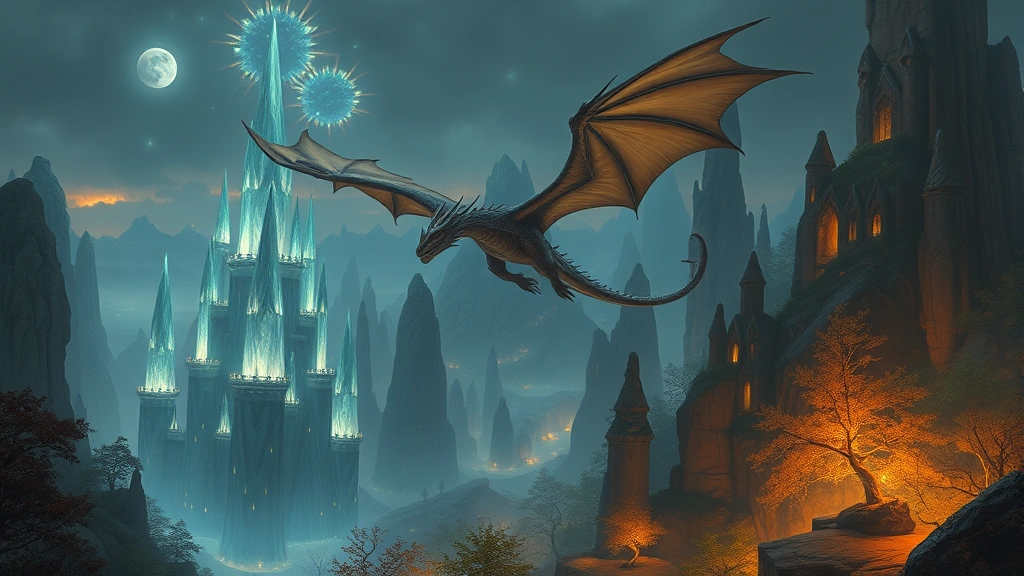
The lore of Norrath weaves together Norse mythology, classic fantasy tropes, and original storytelling that resonates with players. Dragons rule the skies, ancient civilizations lie forgotten in dungeons, and player characters become legends through their deeds. This narrative depth transforms Norrath from a mere game setting into a living, breathing world with history and significance. Players don’t just exist in Norrath—they become part of its ongoing saga.
Gameplay Mechanics and Combat Systems
Combat in Norrath operates on principles that reward tactical thinking and proper positioning. Unlike action-oriented MMORPGs, Norrath game combat emphasizes group composition, crowd control, and strategic ability usage. A well-organized group with proper roles—tanks, healers, damage dealers, and crowd controllers—can triumph against overwhelming odds. Poorly organized groups face swift punishment, creating natural incentives for cooperation and communication.
The auto-attack system allows players to manage multiple objectives simultaneously while combat unfolds. This design philosophy enables conversations, tactical discussions, and genuine social interaction during gameplay rather than requiring constant button-mashing. Veterans appreciate this approach, as it permits guild coordination, raid planning, and relationship-building within the game world itself. Newer players sometimes find it leisurely compared to modern action-combat systems, but once they understand the strategic depth beneath the surface, many become converts.
Ability rotations in Norrath require knowledge and timing rather than pure reflexes. Each class features unique abilities with strategic applications—warriors generate threat through specialized attacks, wizards manage mana pools while delivering devastating area damage, rogues execute critical strikes from behind enemies, and clerics maintain group survival through healing and damage prevention. Learning your class transforms from rote memorization into mastering a complete combat philosophy that defines your role within the community.
Community and Social Experience
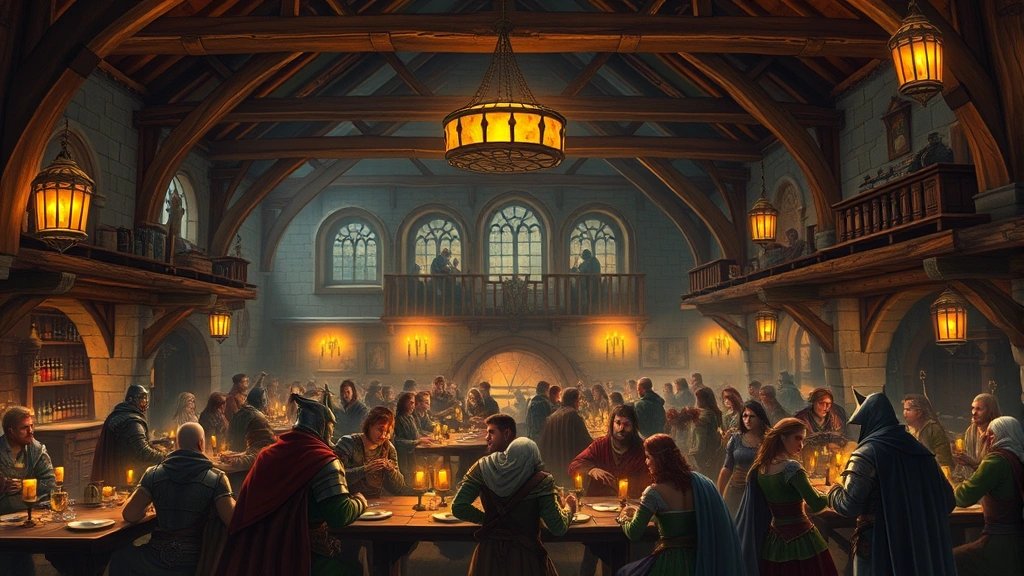
The social architecture of Norrath creates natural gathering points and encourages interaction. Towns like Qeynos and Freeport buzz with activity as players congregate at key locations. Guilds form around shared goals, timezones, and playstyles, creating smaller communities within the larger world. These organizations develop their own cultures, inside jokes, and traditions that bond members together across years or even decades.
Player-versus-player servers add another layer of community dynamics, though opinions remain divided on this feature. Some players thrive in the constant tension and territorial competition these servers create. Others prefer the cooperative atmosphere of player-versus-environment servers where conflict emerges through challenging content rather than other players. Both approaches have dedicated followings, and the existence of multiple server types allows players to choose their preferred community style.
Trading and economic interaction form crucial social components. The bazaar becomes a social hub where players negotiate deals, showcase rare items, and engage in the metagame of resource management. This economy-focused gameplay creates interdependence—crafters need raw materials from gatherers, adventurers need equipment from crafters, and everyone participates in a complex web of mutual benefit. This interconnectedness strengthens community bonds and creates natural reasons for players to interact beyond combat.
For insights into cooperative gaming experiences, Norrath stands as a gold standard that influenced the entire genre. The emphasis on group play and community-driven progression remains relevant decades later.
Character Progression and Classes
Character development in Norrath spans a journey measured in hundreds of hours. The progression curve rewards dedication without becoming unreasonably grindy, though dedicated players certainly advance faster than casual participants. Each level unlock new abilities, improved statistics, and access to more challenging content, creating a satisfying sense of advancement that persists throughout the entire experience.
Class selection dramatically impacts your gameplay experience and role within groups. The Norrath game features diverse classes including warriors, clerics, druids, monks, rangers, rogues, magicians, wizards, necromancers, enchanters, bards, shamans, and others depending on expansions. Each class possesses unique strengths, weaknesses, and playstyles. Warriors tank and generate threat, clerics heal and provide buffs, wizards deliver raw damage, and enchanters control enemy behavior through crowd control and debuffs.
Multiclassing options through alternate advancement systems allow experienced players to customize their characters beyond traditional class boundaries. These systems provide flexibility without eliminating class identity or creating overpowered characters. Players appreciate the opportunity to specialize their characters while maintaining meaningful differences between classes. This balance keeps the meta-game fresh across multiple characters while rewarding exploration and experimentation.
If you’re building a gaming PC specifically for MMORPGs like Norrath, our gaming PC build guide offers comprehensive recommendations for optimal performance.
Dungeons, Raids, and Endgame Content
Endgame content in Norrath caters to various commitment levels and playstyles. Dungeon crawling provides challenging encounters for small groups seeking treasure and experience. These instances demand coordination and skill, punishing careless mistakes while rewarding careful planning. The variety of dungeons—from classic locations like Unrest to newer challenging zones—ensures players face constantly evolving challenges.
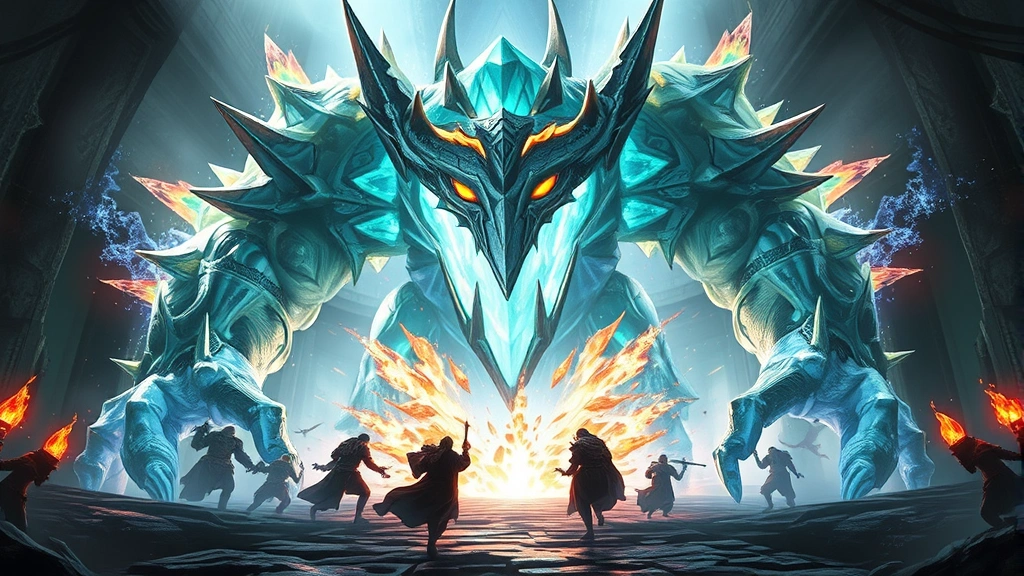
Raid content represents the pinnacle of Norrath game difficulty, requiring coordinated groups of 24 or 72 players depending on expansion. These encounters feature complex mechanics, devastating attacks, and mechanics that punish mistakes instantly. Successful raids demand leadership, communication, and mechanical execution at the highest levels. The prestige associated with defeating major raid bosses creates aspirational goals that drive player engagement and guild competition.
Seasonal events, world bosses, and limited-time content keep the endgame fresh. Players never fully exhaust available challenges, as developers consistently introduce new raid encounters, dungeons, and world events. This content pipeline maintains long-term engagement by ensuring veterans always have new goals to pursue. The achievement system tracks accomplishments and rewards dedicated players with visible recognition of their dedication and skill.
Graphics, Performance, and Technical Aspects
The visual presentation of Norrath has evolved dramatically across its lifespan. Early versions featured simple polygon models and basic textures by modern standards, yet conveyed character and atmosphere effectively. Modern iterations maintain the classic aesthetic while improving graphical fidelity, allowing longtime players to recognize familiar locations while enjoying enhanced visuals. The art direction prioritizes clarity and readability over photorealism, ensuring combat remains legible even during intense encounters with dozens of characters onscreen.
Performance optimization allows the Norrath game to run on modest hardware, broadening accessibility. Players with older computers or limited budgets can participate fully, though higher-end systems unlock enhanced graphics options and smoother framerates. This accessibility philosophy reflects the developers’ commitment to inclusivity, ensuring financial barriers don’t prevent interested players from joining the community.
The user interface has undergone substantial refinement over decades. Customizable layouts, efficient inventory management, and intuitive menu systems reduce friction for new players while providing power-user options for veterans. The ability to customize UI elements allows players to optimize their interface for their specific playstyle and preferences, demonstrating respect for player autonomy and personal preference.
Technical stability remains strong, with the developers maintaining robust servers and rapid response to issues. Downtime occurs infrequently, and when maintenance happens, it’s scheduled with advance notice. This reliability builds trust within the community and ensures players can depend on the game world remaining accessible when they want to play.
Player Retention and Long-term Appeal
The remarkable player retention in Norrath demonstrates something special about the game’s design. Players return years after initial play, finding their old guilds still active and their characters waiting for new adventures. This retention stems from genuine community connections, meaningful progression systems, and consistently rewarding gameplay. Players don’t feel like they’re wasting time grinding meaningless tasks—every activity contributes to meaningful goals.
The Norrath game success with long-term retention reveals what modern gaming sometimes overlooks: players crave meaningful challenge, genuine community, and persistent worlds where their actions matter. Casual content exists for players with limited time, but serious players always have challenging goals to pursue. This layered approach accommodates various playstyles without diminishing the experience for any particular group.
Returning players find systems have evolved significantly while maintaining core identity. Quality-of-life improvements smooth rough edges without eliminating challenge. New expansions introduce fresh zones and creatures, preventing the world from feeling stale. Legacy players appreciate these improvements while newer content maintains engagement for both veteran and fresh adventurers exploring Norrath for the first time.
Guild structures provide the primary vehicle for long-term engagement, transforming Norrath game from a solo experience into a community endeavor. Players who join quality guilds develop friendships that persist despite real-world circumstances. These relationships transcend gaming, creating genuine human connections that explain why players return to Norrath decades after first logging in.
Monetization and Value Proposition
The subscription model remains the primary monetization approach, with optional cosmetic purchases and convenience items available through an in-game marketplace. This model ensures developers maintain steady revenue for ongoing development while avoiding pay-to-win mechanics that would undermine community trust. Players appreciate this balance—they’re willing to pay for content and convenience, but not for competitive advantages.
The free-to-play option with limitations allows interested players to experience Norrath before committing financially. This approach reduces barriers to entry while incentivizing subscription through superior experience quality. Players can determine whether the Norrath game suits their interests before making financial commitment, reducing buyer’s remorse and building goodwill within the community.
Expansion pricing follows the industry standard, providing substantial content for reasonable cost. Major expansions include dozens of new zones, hundreds of new creatures, challenging raid content, and significant story progression. When players calculate cost-per-hour of entertainment, Norrath compares favorably to other entertainment options, representing excellent value for committed players.
The optional nature of cosmetic purchases respects player autonomy. Purchasing aesthetic items provides no gameplay advantage, allowing players to support developers without creating competitive imbalance. This philosophy maintains integrity while providing revenue streams for ongoing development and server maintenance.
For additional perspective on gaming value and industry trends, check out our GameForge Daily Blog where we regularly discuss game economics and player-friendly monetization models.
FAQ
Is Norrath game appropriate for new players?
Absolutely. While Norrath maintains challenge, new player zones provide manageable difficulty progression. Guilds actively recruit and mentor newcomers, ensuring fresh players receive guidance. The community largely welcomes new adventurers and helps them understand game systems. Starting fresh in Norrath means joining a welcoming community rather than facing gatekeeping.
How much time commitment does Norrath game require?
This varies substantially based on playstyle. Casual players can enjoy meaningful progress with 5-10 hours weekly. Serious players pursuing endgame raid content invest 20+ hours weekly. The flexibility means players can engage at their preferred commitment level without feeling pressured to exceed their availability or interest. Quality-of-life systems accommodate various schedules.
What makes Norrath game different from other MMORPGs?
The emphasis on group cooperation, meaningful challenge, and persistent community distinguishes Norrath from competitors. While many modern MMORPGs prioritize solo play and instant gratification, Norrath maintains its original philosophy: meaningful achievements require cooperation and dedication. This approach creates stronger communities and more memorable experiences.
Can solo players enjoy Norrath game?
Yes, though the experience differs from group-focused play. Solo content exists for leveling and casual exploration, allowing independent players to progress. However, the game’s true depth emerges through group interaction. Solo players should recognize they’re experiencing one aspect of a fundamentally community-oriented game.
Is Norrath game still worth playing in 2024?
Definitely. The game continues receiving regular updates, new content, and community support. Player populations remain healthy, guilds actively recruit, and the community welcomes new members. If you appreciate challenging gameplay, genuine community, and persistent worlds with consequence, Norrath remains one of gaming’s finest experiences.
How does Norrath game compare to World of Warcraft?
While both are landmark MMORPGs, they serve different philosophies. World of Warcraft emphasizes accessibility and solo content, with group play as optional endgame. Norrath prioritizes group cooperation and community as core mechanics. Neither approach is objectively superior—they appeal to different player preferences and playstyles.