Classic Pokémon TCG: Is It Worth Collecting?
The Pokémon Trading Card Game has captivated collectors and players for nearly three decades, transforming from a simple children’s pastime into a multi-billion dollar investment phenomenon. Whether you’re a nostalgic millennial seeking to recapture childhood memories or a savvy investor looking for alternative asset classes, the question of whether classic Pokémon TCG cards are worth collecting deserves serious consideration. The market has exploded in recent years, with rare first-edition cards commanding astronomical prices that rival fine art and luxury goods.
But beyond the headlines of record-breaking sales, there’s a nuanced reality to understand about collecting classic Pokémon cards. Not every card is a goldmine, and the collecting landscape has shifted dramatically since the franchise’s 1996 debut in Japan and 1999 arrival in North America. This comprehensive guide explores the investment potential, personal enjoyment factor, and practical considerations for anyone contemplating diving into the world of classic Pokémon TCG collecting.
The History and Evolution of Pokémon TCG
Understanding the history of Pokémon cards is essential for any prospective collector. The franchise launched its trading card game in Japan on October 20, 1996, with the Base Set, featuring iconic creatures like Charizard, Blastoise, and Venusaur. The English version arrived three years later in March 1999, initially targeted at children but quickly gaining traction among older players and collectors. The early Base Set and its first edition variants became the holy grail of Pokémon collecting, with pristine copies commanding five and six-figure prices today.
The game’s evolution through subsequent sets—Jungle, Fossil, Team Rocket, Gym Heroes, and beyond—created a rich tapestry of collectible cards. Each era brought new mechanics, artwork styles, and memorable creatures. The Neo Genesis set in 2000 introduced the Legendary Pokémon, while the EX era beginning in 2003 revolutionized competitive play and card design. Understanding which sets hold value requires knowledge of their cultural impact, print runs, and player demand during their respective eras. As you explore gaming culture and entertainment, you’ll find that TCG collecting shares similar passion with gaming communities.
Investment Potential and Market Trends
The Pokémon TCG market has experienced explosive growth, particularly since 2020 when pandemic-driven nostalgia and limited product availability created perfect conditions for investment speculation. PSA-graded first-edition Charizard cards have sold for over $300,000, while shadowless Base Set holographics regularly fetch tens of thousands. However, this market is highly volatile and heavily influenced by speculation, celebrity endorsements, and social media trends rather than fundamental value.
Recent market data suggests the initial bubble has deflated somewhat, with many cards seeing 30-50% price corrections from their 2021 peaks. This doesn’t mean collecting isn’t worthwhile—rather, it means the market has matured and separated genuine collectibles from speculative plays. Cards with strong fundamentals, limited print runs, and historical significance continue appreciating, while bulk commons from modern sets have plummeted in value. For serious investors, understanding market dynamics mirrors the strategic thinking required in competitive gaming.
According to IGN’s reporting on collectible trends, the average collector shouldn’t expect guaranteed returns. Instead, focus on cards that combine multiple value drivers: scarcity, condition, historical importance, and enduring popularity. The most reliable investments come from early Base Set cards, promotional items with extremely limited distribution, and cards featuring cultural icons like Charizard or Pikachu.
Which Cards Are Actually Worth Money
Not all classic Pokémon cards are created equal. Understanding which cards hold value is crucial before spending significant money. The hierarchy generally breaks down as follows:
- First Edition Base Set Holos: The most valuable cards, particularly Charizard, Blastoise, and Venusaur. A PSA 10 first-edition Charizard can exceed $100,000. Even lower grades command substantial prices.
- Shadowless Base Set Cards: Printed before the shadow effect was added to card borders, these 1999 variants are rarer and more valuable than unlimited printings. A shadowless Charizard holo in gem mint condition recently sold for $369,000.
- Promotional Cards: Certain promotional holos distributed at tournaments, in magazines, or through special events possess extreme rarity. The Pikachu Illustrator card, given to contest winners, is considered the holy grail with a single PSA 10 copy valued at over $5 million.
- Error Cards: Printing mistakes, miscuts, and production anomalies can significantly increase value if they’re unique enough. The Prerelease Raichu with its distinctive stamp is highly sought after.
- Vintage Holos from Key Sets: Cards from Jungle, Fossil, and Team Rocket sets maintain solid value, particularly holographic rares in high grades.
Commons and uncommons from any era, regardless of condition, rarely appreciate. Even unlimited Base Set holos of less popular Pokémon struggle to command premium prices. The critical factor is condition—a first-edition Charizard in poor condition might fetch $5,000, while the same card in pristine condition reaches six figures. This is why grading and authentication matter enormously.
Grading and Authentication
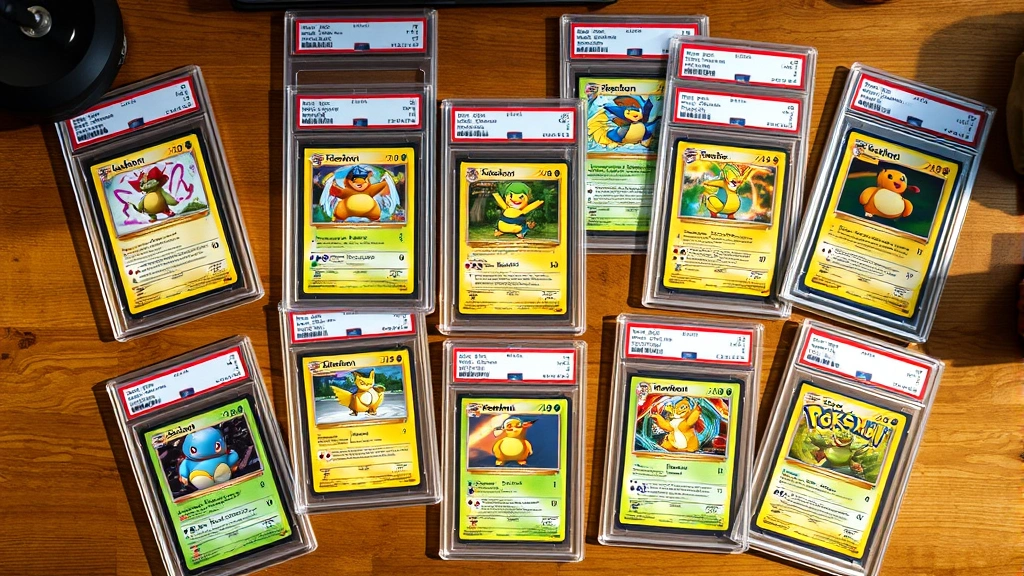
Professional grading through companies like PSA (Professional Sports Authenticator), Beckett Grading Services, and CGC Cards has become industry standard. These services authenticate cards and assign numerical grades from 1-10, with 10 being gem mint condition. A graded card’s value can differ dramatically based on the grade assigned—the difference between PSA 8 and PSA 9 might represent a 200-300% price increase for desirable cards.
However, grading comes with costs. Submission fees range from $20-$100+ per card depending on turnaround time and estimated value. For bulk collections, this becomes expensive quickly. Additionally, the grading market itself has experienced manipulation, with some third-party graders issuing inflated grades that don’t hold up to scrutiny. Stick with established companies like PSA, BGS, and CGC for authenticity confidence.
Counterfeit cards are a genuine concern in the secondary market. Modern fakes are sophisticated enough to fool casual collectors. Before purchasing expensive cards, learn to identify authentic cards by examining print quality, card stock weight, texture, and hologram patterns. When buying from dealers or online marketplaces, prioritize pre-graded cards or purchase from reputable sellers with extensive positive feedback histories.
Building Your Collection Strategically
Approaching Pokémon card collecting requires strategy beyond randomly purchasing cards you find appealing. Successful collectors typically follow one of several frameworks:
- The Investment Approach: Focus exclusively on cards with strong fundamentals—early printings, low population reports, and proven demand. This requires significant capital upfront and patience holding cards long-term. It’s less about enjoying the cards and more about portfolio diversification.
- The Nostalgia Approach: Collect cards from your childhood, prioritizing favorites and memorable creatures regardless of monetary value. This approach maximizes personal enjoyment and removes pressure to chase appreciation.
- The Master Set Approach: Aim to complete entire sets, building comprehensive collections of specific eras. This provides clear goals and allows appreciation of card design evolution.
- The Grade Grind: Purchase raw cards at reasonable prices, identify undergraded gems, submit for professional grading, and flip them if grades exceed expectations. This requires expertise but can be profitable.
Regardless of your approach, set a budget and stick to it. The allure of rare cards can lead to irrational spending. Many collectors regret chasing the latest hype purchases that subsequently depreciated. Start with focused collecting strategies that align with your financial situation and goals.
Consider joining collector communities on Reddit, Discord, and specialized forums. These communities provide invaluable knowledge about market trends, authentication tips, and buying opportunities. Experienced collectors can help you avoid common pitfalls and identify undervalued cards before the broader market catches on.
Risks and Challenges for Collectors
The classic Pokémon TCG market carries substantial risks that deserve serious consideration. Market volatility remains extreme, with prices fluctuating based on celebrity interest, social media trends, and speculation rather than fundamental scarcity. A card worth $10,000 today might decline to $3,000 within months if market sentiment shifts.
Counterfeiting represents another significant threat. Sophisticated fakes circulate through online marketplaces, and even experienced collectors occasionally get deceived. The rise of third-party seller platforms has made authentication increasingly difficult. Budget for professional grading if you’re investing seriously, as it provides both authentication and marketability.
Liquidity challenges affect high-value cards. While common cards sell quickly on platforms like TCGPlayer, extremely rare cards might take months or years to find suitable buyers at asking prices. You could own a $50,000 card that’s difficult to liquidate quickly without accepting substantial discounts.
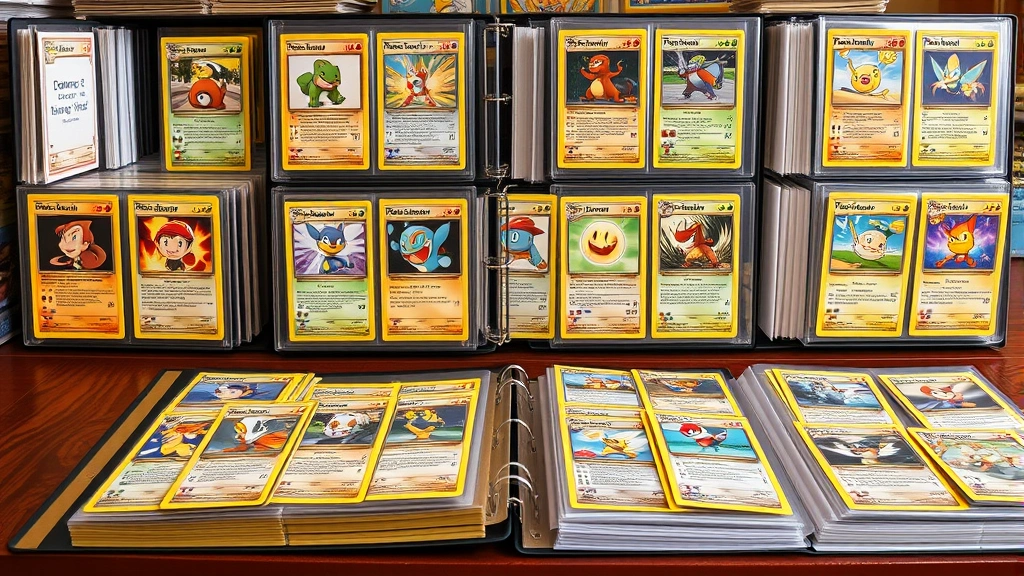
Storage and preservation require investment. Cards deteriorate under improper conditions—humidity, light exposure, and temperature fluctuations all cause damage. Proper storage in acid-free sleeves, binders, or slabs, kept in climate-controlled environments, adds ongoing costs. Damage that occurs under your watch significantly impacts value regardless of original condition.
Tax implications for serious collectors are often overlooked. If you’re treating card collecting as an investment business rather than a hobby, you may owe capital gains taxes on profits. Consult with a tax professional if you’re buying and selling cards regularly, as deductions and obligations vary by jurisdiction.
The Enjoyment Factor Beyond Profit
Perhaps the most important consideration for Pokémon card collecting is whether you’ll enjoy it regardless of financial returns. The most successful long-term collectors are those who derive pleasure from the hobby itself—appreciating card artwork, reliving childhood memories, and connecting with community members. Financial returns become secondary to personal satisfaction.
Collecting offers unique non-monetary benefits. The thrill of finding a rare card at an estate sale or local shop, the satisfaction of completing a set, and the joy of displaying your collection create intrinsic value that transcends market prices. These emotional rewards often matter more than portfolio appreciation. Many collectors report that the hobby has introduced them to lifelong friends and enriched their lives in unexpected ways.
The artwork on vintage Pokémon cards deserves appreciation on its own merit. Early Base Set illustrations feature unique artistic styles that differ dramatically from modern cards. Appreciating the creativity and craftsmanship of illustrators like Ken Sugimori, Mitsuhiro Arita, and Hasegawa Akira adds another dimension to collecting beyond investment value.
Consider your actual engagement with the hobby. Will you actively research cards, attend card shows, and participate in collector communities? Or are you passively hoping cards appreciate while sitting in storage? Active collectors tend to be happier and more successful because they’re engaged with something they love. If you’re purely chasing investment returns without genuine interest, you might be better served by traditional investment vehicles that don’t require specialized knowledge.
The GameSpot community discussions often highlight how collecting hobbies enhance overall entertainment enjoyment. Similar to gaming communities, TCG collectors benefit from shared passion and knowledge exchange.
FAQ
What’s the best classic Pokémon card to start collecting?
For beginners, start with non-holo Base Set cards or lower-grade holos from key sets. These are affordable enough to learn about the hobby without risking substantial capital. First-edition Shadowless Base Set cards represent the pinnacle but require significant investment.
Should I grade my cards immediately?
No. First assess whether cards justify grading costs. Common cards and lower-value holos shouldn’t be graded unless they’re exceptional. Reserve grading for cards you believe are genuinely rare or high-grade. Grading costs can exceed the card’s value for bulk collections.
Where should I buy classic Pokémon cards?
Reputable sources include established TCG retailers, auction houses specializing in cards, local card shops with positive reputations, and trusted online sellers with extensive feedback. Avoid suspicious marketplace listings with suspiciously low prices—they’re often counterfeits.
Can I make money flipping Pokémon cards?
Yes, but it’s challenging. Success requires expertise identifying undervalued cards, understanding market trends, and having patience. Most casual flippers lose money after accounting for grading fees, shipping, and marketplace commissions. Treat it as a hobby with occasional profit potential rather than a reliable income source.
Are modern Pokémon cards worth collecting?
Modern cards (post-2020) have different value dynamics than classics. They’re more abundant, easier to grade, and appeal to active players. While some modern cards appreciate, the investment potential differs significantly from vintage cards. Collect modern cards if you enjoy the game or current artwork, not primarily for investment.
How do I protect my collection from damage?
Store cards in acid-free sleeves within binders or storage boxes kept in climate-controlled environments. Avoid direct sunlight, extreme humidity, and temperature fluctuations. For valuable cards, consider professional grading slabs which provide both protection and authentication.
What’s the difference between first edition and unlimited cards?
First edition cards were printed initially and feature a “1st Edition” stamp on the left side. Unlimited cards lack this stamp and came from subsequent print runs. First edition versions are significantly rarer and more valuable, often commanding 5-10 times the price of unlimited versions.