
Kings Cup Card Game Rules: Expert Guide to Mastering the Classic Drinking Game
Kings Cup stands as one of the most beloved card games at parties, gatherings, and game nights around the world. This exciting drinking game combines simple rules with unpredictable chaos, making every round unique and entertaining. Whether you’re a seasoned player looking to brush up on the official rules to kings cup card game or a complete beginner ready to learn, this comprehensive guide covers everything you need to know to host the perfect game night.
The beauty of Kings Cup lies in its flexibility and adaptability. While the core mechanics remain consistent, countless house rules and variations exist, allowing players to customize their experience. Understanding the fundamental rules is essential before diving into the creative variations that make each game special. Let’s explore what makes this game a timeless classic and how you can become an expert player.

What is Kings Cup?
Kings Cup, also known as Kings, is a card-based drinking game that has entertained players for decades. The game’s objective is straightforward: draw cards from a deck and follow the rules associated with each card value. What makes it thrilling is the unpredictability—you never know what card you’ll pull next, and one bad draw can lead to hilarious consequences.
The game works perfectly for groups of 2-15 players, though it’s most enjoyable with 4-8 participants. Like cooperative gaming experiences, Kings Cup thrives on social interaction and shared moments of laughter. Players take turns drawing cards, and the game continues until all cards are drawn or the central Kings Cup is emptied. The social element transforms this simple card game into an unforgettable experience.
What separates Kings Cup from other drinking games is its perfect balance between luck and player creativity. While card draws are random, many card rules allow players to make decisions that affect others. This combination ensures that skilled players can influence outcomes while maintaining the unpredictability that keeps everyone engaged.
Setup and Preparation
Getting your Kings Cup game ready requires minimal preparation, making it ideal for spontaneous game nights. Here’s everything you need:
- One standard 52-card deck of playing cards
- A cup or glass placed in the center of the table (this is your Kings Cup)
- Beverages for each player—alcoholic or non-alcoholic, your choice
- A flat surface large enough for all players to sit around
- 4-8 players for optimal gameplay
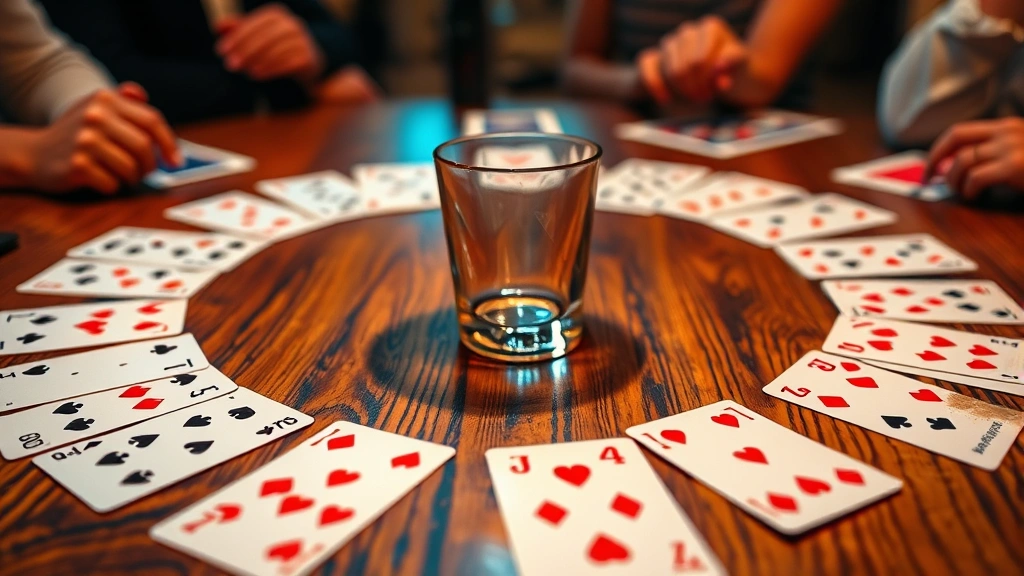
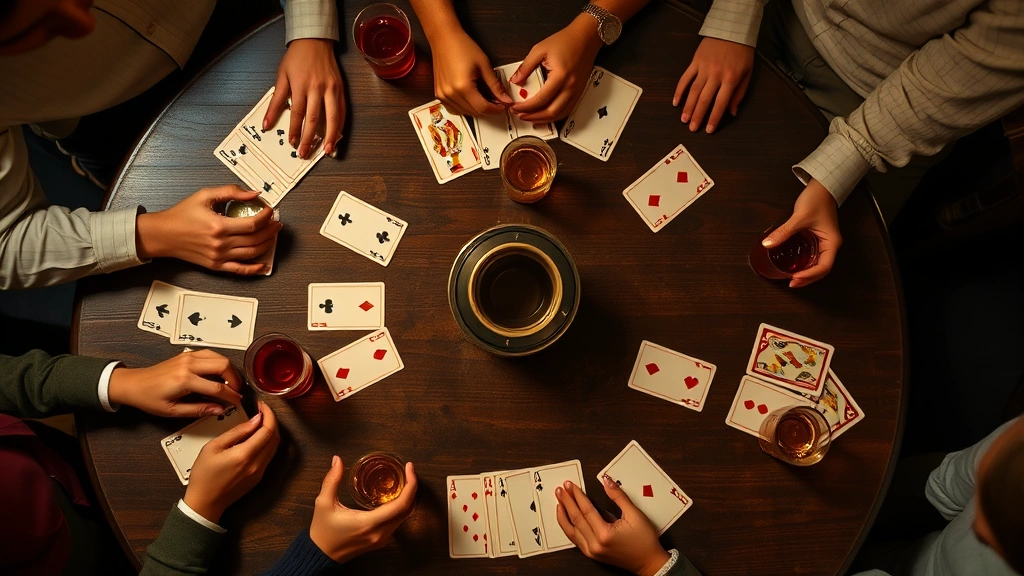
Arrange all players in a circle around the table with the Kings Cup positioned in the center. Each player should have their drink within easy reach. Shuffle the deck thoroughly and place it face-down next to the Kings Cup. Designate someone to deal cards or allow players to draw directly from the deck—both methods work equally well.
Before starting, everyone should agree on which house rules you’re playing with. This prevents arguments mid-game and ensures everyone understands the consequences of each card. Write down your custom rules if you’re introducing new variations, especially if players are unfamiliar with them.
Card Values and Rules
Each card in the deck corresponds to a specific action or rule. Understanding these associations is crucial for playing correctly. Here are the standard Kings Cup card rules:
- Ace: Waterfall rule—players must continuously drink until the person before them stops drinking
- Two: You choose someone to drink
- Three: You drink
- Four: All players touch the floor; last person to do so drinks
- Five: Guys drink (or designated gender/group)
- Six: Girls drink (or designated gender/group)
- Seven: Thumbs rule—last person to place their thumb on the table drinks
- Eight: You choose a person to be your “mate”; whenever you drink, they drink
- Nine: Rhyme time—you say a word, others rhyme with it; first to fail drinks
- Ten: Categories—you name a category, players list items; first to fail drinks
- Jack: Make a rule that lasts the entire game
- Queen: Ask a question; whoever answers drinks
- King: Pour some of your drink into the Kings Cup; whoever draws the fourth King must drink the entire Kings Cup
These standard rules form the foundation of most Kings Cup games. However, checking our game forge daily blog regularly reveals exciting new variations that creative players develop. The flexibility of these rules allows groups to customize their experience based on player preferences and skill levels.
Gameplay Mechanics
Once setup is complete, the game begins with the player to the dealer’s left drawing the first card. Players take turns drawing one card at a time, moving clockwise around the table. When a player draws a card, they immediately perform the associated action.
The key to smooth gameplay is ensuring everyone understands what happens next. If a card requires another player to drink, that action occurs immediately. If a card creates an ongoing rule (like a Jack), that rule remains in effect until the game ends or is superseded by another Jack.
Some cards create interesting interactions. For example, if you draw an Eight and make someone your mate, and they subsequently draw a Two and choose you to drink, you must drink twice—once for being their mate and once for being directly chosen. These cascading effects create memorable moments and unpredictable game states.
The game maintains momentum by keeping the card flow consistent. Players shouldn’t spend excessive time deciding whom to choose or what rule to create. Quick decisions keep energy high and prevent the game from becoming tedious. Similar to how indie games maintain engaging pacing, Kings Cup thrives when actions flow smoothly and surprises come frequently.
Kings and the Cup
The Kings represent the climax of Kings Cup gameplay. When someone draws a King, they pour some of their drink into the central Kings Cup. The amount is flexible—some groups use a sip, others use a quarter of their drink, and some even use half. Establish this rule before the game starts.
The tension builds as Kings are drawn because everyone knows the fourth King spells disaster for that player. The person who draws the fourth King must drink the entire Kings Cup—all the accumulated drinks from the three previous Kings. This creates genuinely suspenseful moments as the fourth King approaches.
Strategic thinking comes into play here. Some players intentionally drink quickly early in the game to minimize what goes into the Kings Cup. Others pace themselves carefully. While you can’t control which King you’ll draw, you can influence how much of your drink contributes to the eventual punishment.
The Kings Cup rule is what transforms Kings from a simple drinking game into a game with genuine stakes and memorable conclusions. The fourth King draw typically becomes the most celebrated (or lamented) moment of the entire game night.
Popular House Rules and Variations
The true genius of Kings Cup emerges when groups develop house rules. These variations maintain the core gameplay while adding unique twists that reflect player preferences. Here are some of the most popular variations:
Gentleman’s Rule: When someone draws a card and creates a rule, they can declare it “gentleman’s rule,” meaning they’re exempt from that rule. This adds a layer of strategy and negotiation.
Reverse Cards: Some groups add a reverse card that reverses the direction of play, similar to Uno. This keeps players on their toes about who draws next.
Double Kings: When drawing a King, some play that you must drink twice and pour twice into the Kings Cup. This makes the final cup even more formidable.
Multiplier Cards: Creating special cards that multiply drinking requirements for the next card adds chaos and unpredictability. For example, a “times two” card means the next card’s consequences double.
Dare Cards: Some groups replace certain numbered cards with dare cards. Drawing a dare means you must complete a challenge instead of (or in addition to) drinking.
Exemption Cards: Adding cards that let you skip the next drinking requirement or pass your consequence to someone else creates strategic depth.
When implementing house rules, ensure everyone agrees beforehand and understands them completely. Write them down if the list gets long. Just as building a gaming PC requires careful planning, structuring your Kings Cup rules ensures the best experience for all participants.
Strategy Tips for Winners
While luck plays a significant role in Kings Cup, experienced players employ strategies that improve their outcomes. Here are expert tips for dominating your next game:
Pace Your Drinking: Don’t drink quickly early in the game. Pace yourself so you have stamina for the entire match. This also means less drink goes into the Kings Cup if you draw a King.
Create Strategic Rules: When you draw a Jack, create rules that benefit you or disadvantage strong competitors. For example, create a rule that penalizes players who haven’t drawn many cards yet.
Master the Rhyme and Category Games: Practice rhyming words and thinking of categories quickly. Being sharp in Nine and Ten cards gives you significant advantages.
Use Your Mate Wisely: If you draw an Eight, choose a mate strategically. Pick someone who draws frequently or someone you want to bond with—the shared drinking creates alliance.
Read the Room: Pay attention to who’s drinking heavily and who’s pacing themselves. This information helps you make better choices when given options.
Question Strategy: When you draw a Queen, ask questions that are hard to answer. Questions with multiple valid answers make it difficult for people to claim they “answered it.”
Waterfall Confidence: During an Ace waterfall, maintain consistent drinking speed. Stopping abruptly can be suspicious and might lead to arguments about who actually stopped first.
These strategies transform Kings Cup from pure chance into a game where skill, psychology, and decision-making matter. The best players combine luck management with social awareness.
FAQ
What happens if someone refuses to drink?
While Kings Cup is a drinking game, no one should ever be pressured to consume alcohol. Non-alcoholic alternatives work perfectly—use juice, water, or soda instead. Respect personal boundaries and ensure everyone participates voluntarily.
Can Kings Cup be played with fewer than 4 players?
Yes, but the game works best with at least 3-4 players. With only 2 players, it becomes less social and exciting. For solo play, you can modify rules, but the experience differs significantly from group play.
How long does a typical Kings Cup game last?
Most games last 45 minutes to 1.5 hours, depending on player count and house rules. With 8 players and complex rules, games can extend longer. The game naturally concludes when all cards are drawn or the Kings Cup is drunk.
Are there any safety considerations for Kings Cup?
Yes. Set drinking limits beforehand, ensure players have food and water available, and never pressure anyone to drink. Have a sober person present if playing with alcohol. Stop immediately if anyone feels unwell. Just as responsible gaming applies to digital experiences, responsible play is essential for drinking games.
Can I modify the card rules?
Absolutely! One of Kings Cup’s best features is its flexibility. Create variations that suit your group. Just ensure everyone understands and agrees to the rules before starting.
What’s the best deck to use for Kings Cup?
Any standard 52-card deck works perfectly. Fancy decks, vintage decks, or novelty decks all function identically for gameplay. Choose whatever you have available or prefer aesthetically.
Is there a winner in Kings Cup?
Not traditionally. The person who draws the fourth King “loses” by drinking the Kings Cup, but Kings Cup is more about the experience than winning. The real winner is whoever has the most fun and creates the best memories.
Can Kings Cup be played online?
Yes! Use video conferencing with a physical deck at each location, or use online simulators that randomly generate cards. However, the in-person experience creates better social interaction and energy.