
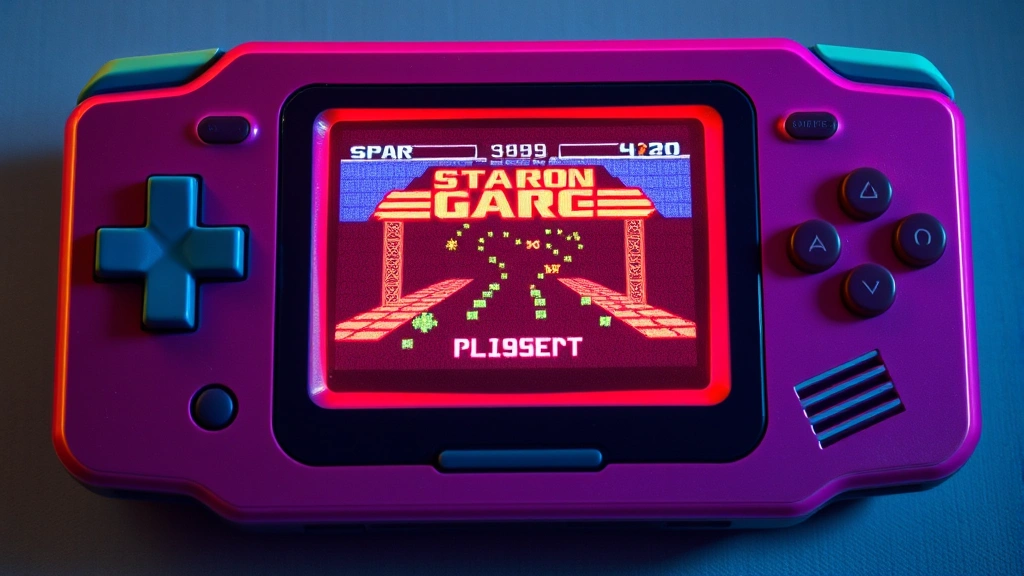
Top Sega Game Gear Games: Expert Reviews & Definitive Rankings
The Sega Game Gear stands as one of gaming’s most ambitious handheld experiments. Released in 1990, this backlit powerhouse delivered console-quality gaming experiences to your pocket, rivaling Nintendo’s Game Boy with superior graphics and processing power. While the Game Gear’s battery life became legendary for all the wrong reasons, its software library remains phenomenal—packed with exclusive titles and arcade ports that still captivate retro gamers today.
Whether you’re a nostalgic collector or discovering these classics for the first time, understanding which Sega Game Gear games deserve your attention is essential. This comprehensive guide explores the platform’s greatest hits, hidden gems, and technical standouts. We’ll examine gameplay mechanics, historical significance, and why certain titles continue resonating with gaming enthusiasts worldwide. From action-packed adventures to puzzle masterpieces, the Game Gear library showcases Sega’s creative ambition during the golden age of handheld gaming.
The handheld market has evolved dramatically since the Game Gear’s heyday, but these games represent crucial touchstones in portable gaming history. Many influenced modern game design, while others simply provided unforgettable entertainment experiences. Let’s dive into the titles that made the Game Gear a legitimate competitor in the handheld wars.
Sonic the Hedgehog Series
Sonic’s portable adventures defined the Game Gear’s identity. Sonic the Hedgehog: Triple Trouble remains the platform’s flagship title, delivering authentic Sonic gameplay with vibrant visuals and challenging level design. This isn’t merely a downscaled console port—it’s a dedicated handheld experience featuring exclusive zones like Turbo Traction and Tidal Plant. The game balances speed with platforming precision, demanding skillful navigation through looping tracks and enemy gauntlets.
Sonic 2: World Championship and Sonic Drift expanded Sonic’s Game Gear presence into racing territory. These titles proved Sega could translate the speedy hedgehog into different genres while maintaining mechanical integrity. Sonic Drift particularly impressed with its Mode 7-style scaling effects, pushing the Game Gear’s technical capabilities. The kart racing gameplay felt fresh, offering competitive multiplayer through the link cable feature.
Beyond these flagship entries, Sonic Chaos and Sonic Blast provided additional platforming adventures. While Sonic Blast’s pre-rendered graphics were technically impressive, they sometimes hindered gameplay clarity. Sonic Chaos, conversely, offered accessible fun with tight controls and clever level design. Collectors often debate these titles’ merits, but both deserve appreciation for expanding Sonic’s handheld legacy.
The Sonic Game Gear collection showcases why Sega’s mascot dominated the early 90s. These games delivered genuine entertainment without relying solely on brand recognition. Each entry experimented with mechanics, level progression, and visual presentation—proving handheld gaming could match console experiences. If you’re interested in single-player gaming experiences, Sonic’s Game Gear catalog offers substantial content.
Action & Adventure Classics
Beyond Sonic, the Game Gear hosted exceptional action games that challenged players and pushed technical boundaries. Shinobi series entries brought arcade-style ninja action to handheld gaming. The GG Shinobi and Shinobi II: The Silent Fury featured fluid animation, responsive controls, and satisfying combat mechanics. These games demanded precision timing and pattern memorization—classic arcade sensibilities translated beautifully to portable format.
The Gunstar Heroes port demonstrated Sega’s ability to adapt ambitious console games for handheld hardware. While obviously scaled down, this run-and-gun adventure maintained the original’s chaotic energy and creative boss designs. The Game Gear version featured exclusive content and impressive scaling effects, proving the hardware could handle complex action sequences.
Mortal Kombat and its sequels arrived on Game Gear, bringing controversial fighting game violence to portable platforms. These versions featured digitized sprites, though with reduced animation frames and smaller character sizes. Despite technical compromises, the games remained playable and captured the MK experience’s essential elements. They sparked playground debates about handheld violence that presaged modern gaming controversies.
Dynamite Headdy showcased Sega’s quirky creativity, featuring a puppet protagonist with a detachable head that served as a projectile weapon. This platformer combined Kirby-like mechanics with Sega’s visual flair, creating genuinely original gameplay. Its surreal aesthetic and creative level design made it memorable among Game Gear owners who discovered its charm.
The Castlevania appearance on Game Gear proved Konami could adapt its gothic platformer to portable hardware effectively. While not matching console versions, the handheld Castlevania delivered recognizable level designs and satisfying whip combat. It demonstrated how cross-platform releases could maintain gameplay integrity while accounting for technical limitations.
Puzzle & Strategy Games
The Game Gear excelled at puzzle gaming, offering experiences that benefited from portable convenience. Puyo Puyo became a phenomenon on the platform, with multiple versions catering to different skill levels and preferences. The colorful, addictive puzzle mechanics translated perfectly to handheld gaming, making Puyo Puyo ideal for quick gaming sessions during commutes or waiting periods.
Columns served as Sega’s answer to Tetris, featuring gem-matching gameplay with distinct mechanics. While less iconic than its Nintendo competitor, Columns offered compelling strategic depth. The Game Gear version included various modes and visual themes, providing substantial content for puzzle enthusiasts.
The Maze Hunter combined exploration with puzzle-solving, creating dungeon-crawling experiences that felt substantial for handheld gaming. Its first-person perspective offered technical novelty, showcasing the Game Gear’s 3D capabilities. Though primitive by modern standards, the technical achievement impressed 1990s gamers.
Strategy enthusiasts found Checkers and Chess implementations on Game Gear, along with more complex strategy games. Panzer Dragoon Mini brought on-rails shooting action with strategic positioning elements. These titles proved handheld gaming could accommodate thoughtful gameplay beyond reflexive action.
For those seeking deeper strategic experiences, check out our guide on cooperative gaming experiences to understand how modern games evolved from these foundational concepts. The Game Gear’s puzzle selection established templates modern mobile gaming still follows.
Sports & Racing Titles
Sega Game Gear sports games represented the platform’s commitment to diverse content. PGA Tour Golf brought golfing simulation to portable gaming with surprising depth. Multiple courses, difficulty settings, and realistic mechanics made it a favorite among sports game enthusiasts. The isometric perspective showcased Game Gear’s visual capabilities while maintaining playability.
World Series Baseball and World Series Baseball II delivered baseball experiences that impressed critics with their scope and detail. These games featured multiple teams, statistical tracking, and arcade-style gameplay options. The second iteration improved graphics and added features, demonstrating Sega’s commitment to franchise evolution.
Road Rash adapted the motorcycle racing franchise for Game Gear, maintaining the series’ distinctive blend of racing and combat. Punching rivals while maintaining velocity required skill and strategy. The handheld version simplified visuals but preserved core mechanics that made Road Rash distinctive.
Grand Prix and Grand Slam racing titles offered arcade-style racing experiences. These games prioritized immediate fun over simulation depth, making them accessible to casual players while offering challenge for experienced racers. Multiple tracks, vehicle customization, and competitive modes provided substantial content.
Tennis and golf sports games proliferated on Game Gear, with Andre Agassi Tennis and PGA Tour Golf II delivering polished experiences. These titles proved sports games could thrive on handheld platforms when developers prioritized engaging mechanics over graphical prowess. The Game Gear’s sports library remains underappreciated in retro gaming discourse.
Hidden Gems Worth Discovering
Wonder Boy in Monster Land stands as a masterful platformer that combines action with RPG elements. This adventure features experience systems, equipment upgrades, and exploration—concepts that influenced modern game design. The handheld version captures the arcade original’s essence while adding Game Gear-specific enhancements.
Tails’ Skypatrol offered unique gameplay featuring Tails in a flying adventure. This exclusive Game Gear title remains obscure but deserves recognition for creative mechanics and charming presentation. Its vertical scrolling action and puzzle-solving elements made it distinctive among handheld games.
Magical Puzzle Popstar combined puzzle mechanics with narrative elements, creating experiences richer than typical puzzle games. Its colorful presentation and progressive difficulty made it appealing to diverse audiences. This game exemplifies how Game Gear developers experimented with genre conventions.
Eruption and Asteroids brought classic arcade sensibilities to portable gaming. These titles proved retro arcade games thrived on Game Gear hardware, offering authentic experiences with handheld convenience. Their simplicity provided perfect gaming for brief sessions.
For more recommendations on underrated gaming experiences, explore our gaming blog for comprehensive analysis. Hidden gems often represent the most rewarding gaming discoveries, offering unique experiences beyond mainstream titles.
Technical Achievements
The Game Gear represented cutting-edge handheld technology for 1990. Its backlit LCD screen provided color visuals that Game Boy couldn’t match. While battery consumption became notorious, the technical achievement impressed gamers accustomed to monochrome portables. Developers leveraged this visual capability, creating games with vibrant palettes and detailed sprites.
Game Gear’s processor power enabled scaling, rotation, and sprite manipulation that rival systems couldn’t achieve. Games like Sonic Drift demonstrated Mode 7-style effects, creating pseudo-3D visuals. This technical prowess allowed developers to experiment with visual techniques that pushed the platform’s capabilities.
The link cable functionality enabled multiplayer gaming, connecting multiple Game Gears for competitive experiences. This feature was revolutionary for handheld gaming, predating modern wireless connectivity by years. Games utilized link cable capabilities creatively, offering features unavailable in single-player modes.
Sega’s Master System compatibility cartridges allowed Game Gear owners to play certain Master System games. This technological bridge demonstrated forward-thinking hardware design. While limited in scope, this compatibility expanded the Game Gear’s library considerably for enthusiastic players.
The Game Gear’s sound capabilities impressed audiences familiar with Game Boy’s limited audio. Its superior processor allowed complex music compositions and sound effects that enhanced gaming experiences. Composers took advantage of these capabilities, creating memorable soundtracks that defined the platform’s identity.
For understanding how handheld gaming evolved, consider our gaming hardware guide examining technological progression. The Game Gear’s technical specifications influenced handheld design principles for decades.
FAQ
What was the best-selling Sega Game Gear game?
Sonic the Hedgehog: Triple Trouble remains the platform’s most commercially successful title. Its combination of recognizable franchise appeal and quality handheld gameplay made it the system’s flagship experience. The game sold hundreds of thousands of copies, representing a significant portion of Game Gear software sales.
Can you play Sega Game Gear games on modern systems?
Yes! Emulation communities have developed accurate Game Gear emulators allowing modern gameplay on computers and smartphones. Additionally, some Game Gear titles have received official re-releases through compilation collections and digital storefronts. Legal options exist for experiencing these classics without original hardware.
How does Game Gear’s game library compare to Game Boy?
While Game Boy achieved larger commercial success, Game Gear’s library offered comparable quality with superior technical presentation. Game Gear games featured better graphics and sound, though Game Boy’s battery efficiency and Nintendo’s franchise dominance secured superior market position. Both platforms produced exceptional games worthy of appreciation.
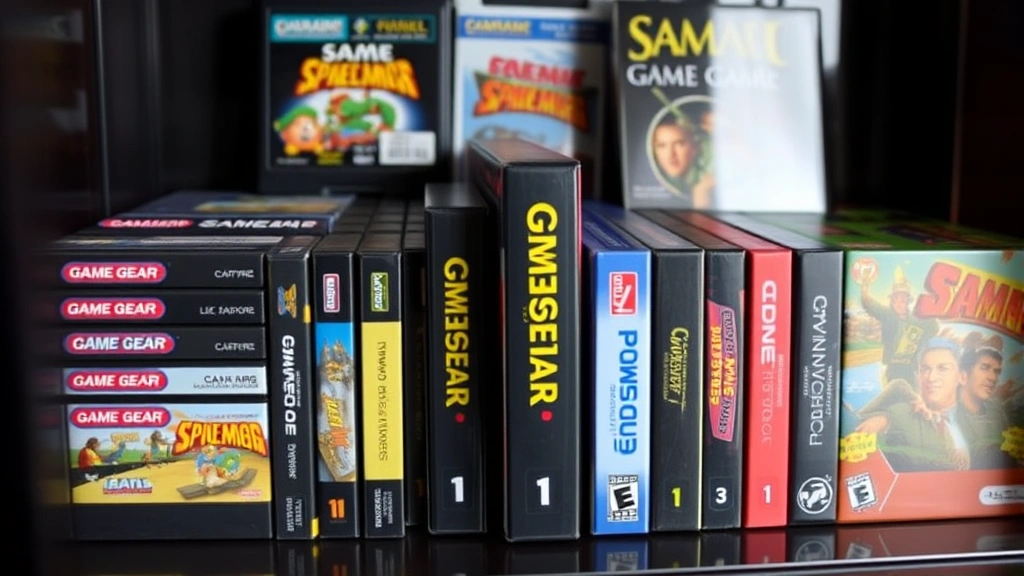
What Game Gear games are most valuable to collectors?
Rare titles like Tails’ Skypatrol, Magical Puzzle Popstar, and Japan-exclusive games command premium prices. Condition significantly impacts value, with complete-in-box versions worth considerably more than cartridge-only copies. Limited print runs and regional exclusivity drive collector demand for specific titles.
Are there any Game Gear games still worth playing today?
Absolutely! Titles like Sonic Triple Trouble, Shinobi II, and Wonder Boy in Monster Land remain engaging experiences. These games featured timeless design principles prioritizing fun over graphical prowess. Modern players appreciate their mechanical quality and charming presentation, discovering why these games entertained audiences decades ago.
Did Game Gear have exclusive games other consoles never received?
Yes! Several Game Gear exclusives never appeared on other platforms, including Tails’ Skypatrol, Solitaire Poker, and various Japan-exclusive releases. These exclusive titles represent unique gaming experiences available nowhere else, making Game Gear ownership valuable for completionists.