
Top Single Player Card Games: Expert Recommendations
Card games have evolved dramatically over the past decade, transcending the traditional tabletop experience to become immersive digital adventures. Whether you’re a seasoned strategist or casual player seeking relaxation, single player card games offer incredible depth, replayability, and entertainment value without requiring opponents. These games combine the tactical satisfaction of deck-building with compelling narratives and stunning visual design that rival AAA titles.
The beauty of single player card games lies in their accessibility and flexibility. You can play at your own pace, experiment with unconventional strategies, and enjoy rich storytelling that multiplayer experiences often lack. From roguelike deck builders to narrative-driven card adventures, today’s market is brimming with exceptional titles that deserve your attention. We’ve curated expert recommendations across multiple genres and platforms to help you discover your next gaming obsession.
In this comprehensive guide, we’ll explore the most engaging single player card games available, breaking down their unique mechanics, what makes them special, and why they’ve captured the hearts of millions of gamers worldwide. Whether you’re interested in strategic depth or atmospheric storytelling, you’ll find something extraordinary here.
Roguelike Deck Builders: The Modern Classic
Slay the Spire revolutionized the gaming landscape when it launched, proving that card games could captivate millions without multiplayer mechanics. This roguelike masterpiece combines strategic deck-building with dungeon-crawling progression, creating an endlessly replayable experience. Each run presents different challenges, relics, and card synergies, meaning no two playthroughs feel identical. The game’s difficulty curve is perfectly balanced—accessible for newcomers while offering tremendous depth for veterans optimizing specific strategies.
What makes Slay the Spire exceptional is its elegant design philosophy. Every decision matters, from which cards you add to your deck to which paths you choose through the map. Explore more single player games if you want broader recommendations, but Slay the Spire consistently ranks at the top for card game enthusiasts. The game’s influence spawned an entire genre of roguelike deck builders, yet it remains the gold standard for polish, balance, and pure fun.
Monster Train takes the roguelike deck-building formula and adds fresh mechanics that set it apart. You’re building a deck to defend your train against increasingly difficult enemies, combining card synergies with unit placement strategy. The clan system allows for vastly different deck archetypes, encouraging experimentation and creative deck construction. Monster Train’s pixel art aesthetic is charming, and the soundtrack perfectly complements the dark fantasy atmosphere.
FTL: Faster Than Light deserves mention here as a pioneering roguelike that influenced countless card games. While not strictly a card game, its deck-like system of upgrades and tactical decision-making at each encounter mirrors card game strategies. FTL’s unforgiving difficulty and permadeath mechanics create tension and satisfaction that few games achieve.
Inscryption blurs the line between card game and psychological thriller. Starting as a simple card game against mysterious opponents, Inscryption gradually reveals a deeper narrative with unsettling twists. The card mechanics are genuinely innovative, featuring unique mechanics like sacrificing creatures to power up attacks and managing limited resources. The game’s atmosphere is genuinely creepy, and discovering its secrets becomes as engaging as mastering its card system.
Narrative-Driven Card Games
Card games aren’t just about strategy—some of the most memorable experiences come from titles that prioritize storytelling. Disco Elysium, while not purely a card game, features a card-like system representing your character’s internal thoughts and personality traits that influence dialogue and decisions. The writing is phenomenal, creating one of gaming’s most compelling narratives alongside its unique mechanical system.
Pony Island presents a deceptive experience that starts as a simple card game before transforming into something far stranger. Without spoiling the journey, expect meta-commentary, philosophical questions, and genuine surprises that challenge your assumptions about what you’re playing.
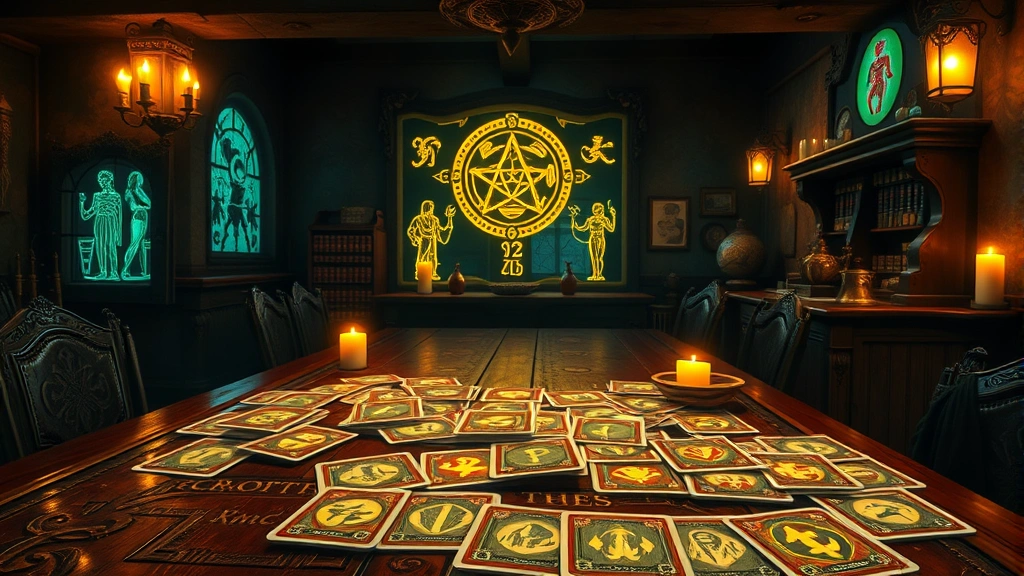
Cultist Simulator is a narrative card game where cards represent story elements, people, and concepts. You arrange these cards to create branching narratives about running a cult. The game’s writing is exceptional, with multiple story paths and endings depending on your choices. It’s more interactive fiction than traditional card game, but the card-based interface is integral to the experience.
Signs of the Sojourner uses a card game as its primary mechanic to tell a story about a traveling merchant connecting communities. The card combinations represent conversations and relationships, creating a uniquely touching narrative experience. It’s short, sweet, and emotionally resonant—perfect for players seeking substance over challenge.
Strategic Collectible Card Games
For players wanting traditional collectible card game experiences with single player options, several titles excel. Magic: The Gathering Arena offers robust single player content including story campaigns and challenging puzzle modes alongside its multiplayer focus. The card pool is enormous, allowing for diverse deck construction and experimentation. Arena’s free-to-play model is generous, making it accessible without requiring massive investments.
Legends of Runeterra, set in the League of Legends universe, provides exceptional single player campaigns with compelling narratives for each region. The game’s mechanics are elegant and balanced, with multiple viable strategies rather than a single dominant archetype. The artwork is stunning, bringing Runeterra’s diverse regions to vivid life. Unlike many competitive card games, Legends of Runeterra genuinely values its single player experience.
Marvel Snap revolutionized the CCG format with its fast-paced gameplay and strategic depth packed into short matches. While primarily competitive, the game includes story content and challenges that provide satisfying single player experiences. The card pool is carefully curated, preventing the power creep that plagues many traditional CCGs.
Indie Gems Worth Your Time
The indie scene has produced remarkable card games that rival or exceed commercial releases. Peglin combines pachinko mechanics with roguelike deck-building, creating an unexpectedly addictive experience. You’re bouncing balls down a board to defeat enemies, with cards providing special abilities and modifications. The physics-based gameplay adds a layer of unpredictability that makes each run unique.
Hades deserves recognition for its card-like progression system and roguelike structure. While primarily an action game, Hades’ upgrade system functions like a deck-building game where you select which abilities and modifiers to enhance. The game’s narrative, character development, and mechanical depth make it essential for any gamer. Check out our best indie games recommendations for more extraordinary experiences.
Balatro is a poker-themed roguelike that sounds deceptively simple but offers incredible strategic depth. You’re modifying poker hands with special cards that add multipliers, change card values, or trigger chain reactions. The game escalates beautifully, introducing new card types and mechanics that maintain freshness throughout dozens of hours of gameplay.
Duelyst combined card game mechanics with tactical grid-based positioning, creating a unique hybrid experience. Though the original shut down, the community-run Duelyst 2 continues the legacy with all the original content and new additions. The positioning element adds strategic dimensions absent from traditional card games, rewarding spatial thinking alongside deck construction.
Crossover Experiences and Unique Mechanics
Some of the most innovative single player card games defy traditional categorization. Slay the Spire successors like Griftlands add negotiation mechanics to the roguelike deck-building formula. You’re building two decks—one for combat and one for persuasion—creating interesting synergies between systems. Griftlands’ pixel art and character-driven narrative elevate it beyond pure mechanical innovation.
Backpack Hero takes Tetris-like inventory management and combines it with roguelike progression and card game mechanics. You’re managing a backpack’s limited space while collecting items with special properties. The game’s charm and clever design make managing inventory genuinely engaging rather than tedious.
Wildfrost is a deck-building roguelike with a winter aesthetic and unique mechanics like frozen units that can’t act until thawed. The clan system provides distinct playstyles, and the game’s difficulty modes ensure long-term engagement. The pixel art is gorgeous, and the soundtrack perfectly captures the icy atmosphere.
For those interested in broader gaming recommendations, visit our gaming blog for comprehensive coverage of the industry’s best experiences.
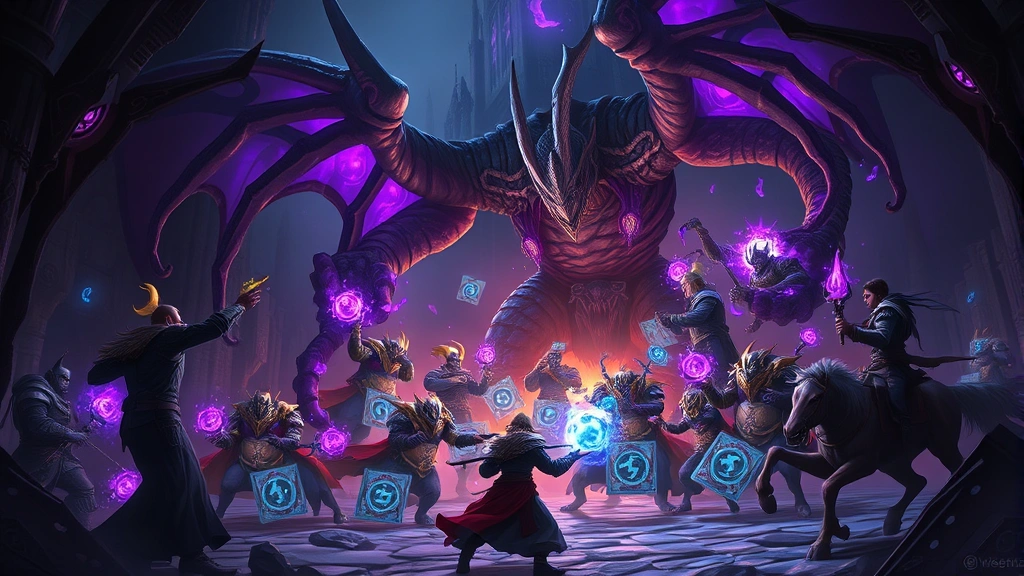
Gordian Quest combines deck-building with party management and dungeon crawling. You’re leading a team of characters, each with their own deck, through strategic turn-based combat. The game offers incredible customization options and multiple difficulty modes, making it accessible while providing serious challenge for optimization enthusiasts.
Monster Sanctuary blends metroidvania exploration with deck-building mechanics. You’re collecting and training monsters, each representing different card types and abilities. The game’s exploration rewards curiosity, and the combat system deepens significantly as you understand monster synergies and team composition.
Why Single Player Card Games Matter
Single player card games represent a significant evolution in gaming. They prove that card games don’t require human opponents to be engaging—instead, they can offer carefully crafted AI opponents, roguelike randomization, or narrative experiences that multiplayer games struggle to achieve. These games respect player time by allowing pause, saving, and playing at your own pace without pressure from other players.
The strategic depth of card games appeals to a broad audience. Unlike action games requiring quick reflexes, card games reward careful thinking, planning, and adaptation. They’re accessible to players with different physical abilities while remaining engaging for hardcore strategists seeking optimization challenges.
Additionally, single player card games offer exceptional value. Many provide 50+ hours of engaging content, with some offering hundreds of hours through roguelike replayability. The indie titles especially offer premium experiences at budget prices, democratizing access to high-quality gaming.
Getting Started: Platforms and Accessibility
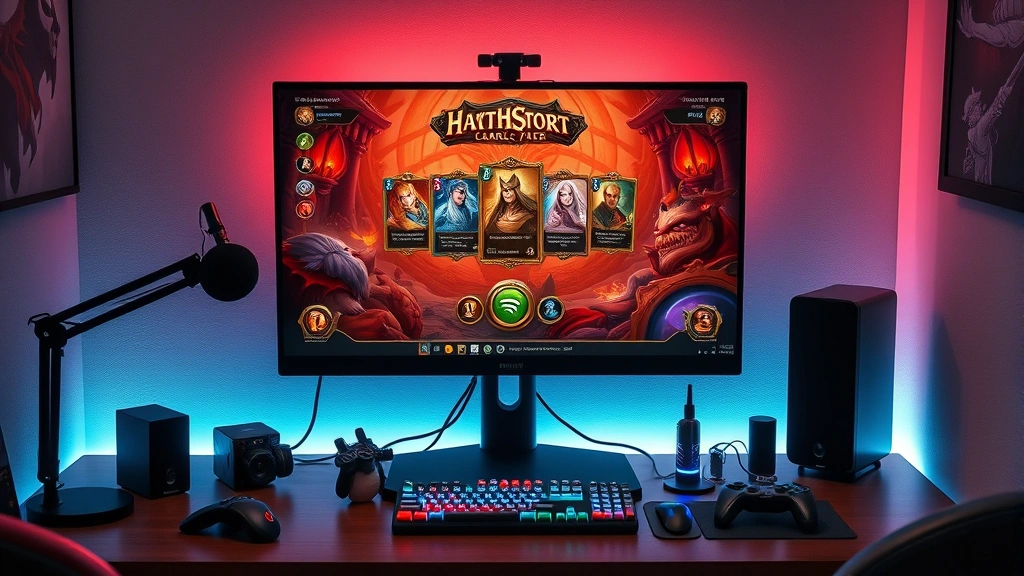
Most single player card games are available across multiple platforms—PC, mobile, and consoles. Slay the Spire, for instance, runs on everything from powerful gaming PCs to smartphones, making it accessible wherever you play. Many titles offer cross-platform play or cloud saves, letting you continue your run on different devices.
The barrier to entry is remarkably low. Most card games cost between $5-$20, significantly less than AAA releases. Many offer free-to-play models with optional purchases that don’t impact single player experiences. This affordability means you can experiment with different games without major financial commitment.
If you’re building a gaming setup to experience these titles optimally, check our gaming PC build guide for recommendations on capable hardware that won’t break the bank.
The Future of Single Player Card Games
The single player card game market continues expanding with new releases regularly pushing mechanical boundaries. Developers are experimenting with AI opponents that learn from player strategies, procedural generation that creates endless variety, and narrative systems that adapt to player choices.
According to industry reports from IGN and GameSpot, card game popularity has surged in recent years, with both indie developers and major studios investing heavily in the genre. This trend shows no signs of slowing, promising exciting innovations ahead.
Emerging technologies like machine learning enable smarter AI opponents that provide genuine challenge without feeling unfair. Procedural generation techniques create practically infinite content, ensuring players always have new experiences to discover. These advancements position card games as a cornerstone of gaming’s future.
If you’re interested in broader single player experiences, explore our ultimate single player games guide for comprehensive recommendations across all genres.
FAQ
What is the best single player card game for beginners?
Slay the Spire is the ideal starting point. Its tutorial is thorough, difficulty curve is manageable, and core mechanics are intuitive while offering tremendous depth for continued learning. The game respects your time and doesn’t punish experimentation harshly.
Can I play card games on mobile devices?
Absolutely! Many card games are optimized for mobile, including Slay the Spire, Legends of Runeterra, and Monster Train. Mobile versions often feature touch-optimized interfaces and cloud saves for seamless transitions between devices.
How many hours of gameplay do single player card games typically offer?
This varies significantly. Narrative-focused games like Cultist Simulator might offer 10-20 hours, while roguelike deck builders like Slay the Spire provide 50-200+ hours depending on how deeply you engage with different strategies and difficulty modes. The replayability is exceptional compared to traditional single player games.
Are card games expensive?
Most single player card games are affordable, typically costing $5-$20 with no pay-to-win mechanics. Free-to-play options like Magic: The Gathering Arena exist, though cosmetic purchases are available. You can enjoy complete experiences without spending beyond the initial purchase.
Do I need to understand traditional card games to enjoy digital card games?
Not at all! Digital card games teach you their mechanics through tutorials and gameplay. Many innovate beyond traditional card game concepts, making prior experience unnecessary. Even players unfamiliar with poker or Magic can master and enjoy these games.
What’s the difference between roguelike and traditional card games?
Roguelike card games feature randomized runs where you build decks from available options, with each playthrough being unique. Traditional card games involve pre-constructed decks and competitive matchups against opponents. Roguelikes emphasize adaptation and discovery, while traditional games reward mastery of specific strategies.
Can I play card games offline?
Most single player card games work perfectly offline. Games like Slay the Spire, Monster Train, and Peglin require no internet connection. Some online-focused titles like Magic: The Gathering Arena require initial downloads but run fine offline afterward.