

Soulja Boy Game Console: Worth the Hype? Expert Review
The Soulja Boy Game Console burst onto the gaming scene with massive fanfare, promising to deliver retro gaming nostalgia with modern convenience. As a rapper and entrepreneur, Soulja Boy ventured into the gaming hardware market with bold claims about his console’s capabilities and library. But does this device actually live up to the hype, or is it another overhyped gadget destined for the bargain bin? We’re diving deep into our expert analysis to give you the real story behind this controversial gaming device.
When the Soulja Boy Game Console first launched, it generated significant buzz across social media and gaming communities. The device promised thousands of games, affordability, and the ability to play classic titles from multiple gaming generations. However, the reality proved far more complicated than the marketing promised. Throughout this comprehensive review, we’ll examine every aspect of this console—from hardware specifications and game library to user experience and value for money—to help you decide whether it’s worth your hard-earned cash.
What Is the Soulja Boy Game Console?
The Soulja Boy Game Console represents an ambitious attempt to capitalize on the retro gaming revival that’s swept the industry over the past decade. Launched by the rapper and entrepreneur DeAndre Cortez Way (Soulja Boy), this device aims to provide instant access to a vast library of classic games without requiring multiple separate consoles. The product emerged at a time when indie gaming and retro revivals were gaining tremendous momentum in the gaming community.
The console marketed itself as an all-in-one solution for gaming enthusiasts, promising to emulate games from systems like the Nintendo Entertainment System (NES), Super Nintendo (SNES), Sega Genesis, PlayStation, and even Nintendo 64. Soulja Boy positioned the device as an affordable alternative to expensive original hardware and official Nintendo products like the Nintendo Switch or dedicated retro consoles. The marketing campaign emphasized the sheer volume of games—claims of having thousands of titles pre-loaded—and the convenience factor of having everything in one portable device.
However, the journey from announcement to market delivery revealed several red flags that should concern potential buyers. The console faced multiple legal challenges, supply chain issues, and technical problems that overshadowed the initial excitement. Understanding what this device actually delivers versus what it promised is crucial before making a purchase decision.

Hardware Specifications and Design
When examining the Soulja Boy Game Console from a hardware perspective, the specifications reveal a device that’s modest by modern standards. The console features a compact, handheld design with a built-in screen, making it portable and convenient for gaming on the go. The device includes a rechargeable battery that provides several hours of gameplay, though specific battery life claims have varied across different product iterations and reviews.
The processing power behind the Soulja Boy Game Console relies on ARM-based architecture, which is perfectly adequate for running emulated retro games but would struggle significantly with modern titles. This is intentional, as the device targets classic gaming rather than contemporary AAA experiences. The RAM and storage specifications are modest, though the console comes with significant pre-loaded content that consumes much of the available storage space.
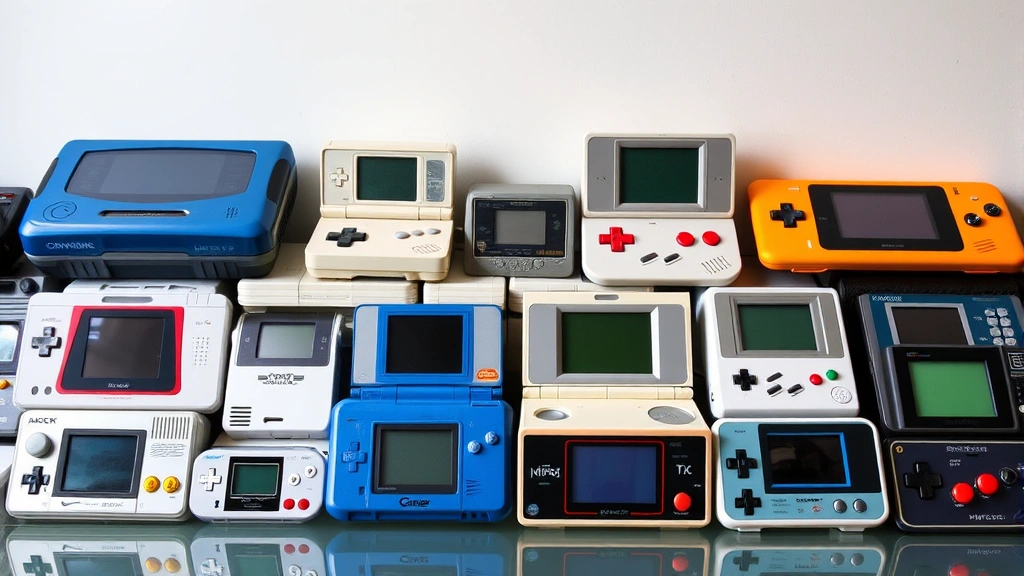
The build quality has been a mixed bag according to user reports. Some units feature solid construction with responsive buttons and a clear display, while others have arrived with manufacturing defects, loose components, or screen issues. The design itself borrows heavily from other retro handhelds on the market, featuring a classic controller layout with D-pad, action buttons, shoulder buttons, and analog sticks. The display, while adequate for retro games, doesn’t offer the vibrant colors or sharp resolution you’d find on modern gaming devices.
Connectivity options include USB charging and connections to external displays or TVs through HDMI or composite output, allowing players to enjoy games on larger screens. Some versions include wireless controller support, though reliability has been inconsistent across different batches. The device’s overall footprint makes it genuinely portable, comparable in size to classic Game Boy handhelds or the Nintendo Switch Lite.
Game Library and Emulation
The game library represents the Soulja Boy Game Console’s most compelling selling point and its biggest source of controversy. The device claims to include thousands of games spanning multiple gaming generations, from 8-bit NES classics to 32-bit PlayStation titles. This vast library is what initially attracted so many consumers to the product, as owning all these games through legitimate channels would cost thousands of dollars.
The reality of the game library, however, involves significant caveats. While the quantity of games is indeed substantial, the quality and variety raise questions. Many included titles are obscure or low-quality games that few players have heard of or would want to play. The console relies on emulation technology to run these games, which means they’re not running on original hardware but rather through software that mimics the original systems’ behavior. For many classic titles, this works reasonably well, but compatibility varies significantly.
Some of the most beloved games from these eras are notably absent from the library, either due to licensing restrictions or the legal gray areas surrounding emulation. Players hoping to relive specific childhood favorites may be disappointed to find them missing from the pre-loaded collection. The console does allow for adding additional games through USB, but this requires technical knowledge and introduces additional legal and ethical considerations.
If you’re interested in exploring multiplayer gaming experiences, the Soulja Boy Game Console’s library includes some solid cooperative titles from the retro era, though the limited screen size makes some games challenging to enjoy with multiple players.
Performance and Technical Issues
Performance on the Soulja Boy Game Console varies depending on which games you’re playing and which hardware revision you own. For NES and SNES games, the emulation generally performs well, with minimal lag or compatibility issues. These simpler systems are well-understood by emulation developers, and the console’s hardware is more than capable of handling them smoothly.
However, performance deteriorates noticeably when moving to more demanding systems like Sega Genesis or especially PlayStation. Some users report significant frame rate drops, audio glitches, and occasional game crashes when running 32-bit titles. The console’s limited processing power becomes a bottleneck, and not all games emulate perfectly. This can range from minor visual artifacts to game-breaking bugs that make certain titles unplayable.
Technical issues extend beyond just emulation performance. Users have reported various hardware problems including screen flickering, unresponsive buttons, battery issues, and connectivity problems with external devices. The quality control appears inconsistent, with some units performing flawlessly while others arrive with defects. The lack of an official support channel or warranty coverage has left many frustrated customers without recourse when problems arise.
Software stability is another concern, as the console occasionally freezes or requires hard resets to function properly. Firmware updates have been limited, and there’s no clear roadmap for improvements or bug fixes. This stagnation means early purchasers are essentially stuck with whatever version of the software they received at launch, bugs and all.
User Experience and Interface
The user interface on the Soulja Boy Game Console attempts to organize thousands of games into navigable menus, with mixed results. Finding specific games can be frustrating due to poor organization and a clunky menu system. The interface lacks the polish and intuitiveness of Nintendo’s offerings or even other third-party retro consoles. Searching through thousands of games to find the one you want feels like work rather than entertainment.
Game launching is generally straightforward—select a title and press start—but the menus themselves feel dated and unintuitive. There’s no robust search function or filtering system to help you quickly locate games by genre, release date, or rating. Categories exist but aren’t always logical, and some games appear in multiple places while others seem randomly placed.
The controller layout and button responsiveness are generally adequate, though some users report that buttons become less responsive over time with extended use. The analog sticks, which are crucial for 3D games like PlayStation titles, can feel imprecise and sometimes drift, a common issue with budget gaming hardware. The overall handling of the device is comfortable for extended gaming sessions, though the relatively small screen might strain eyes during long play periods.
Customization options are limited compared to dedicated gaming PCs where you can record gameplay and create content, but the Soulja Boy Game Console does allow some basic adjustments to display settings and control configurations. However, these options are buried in menus and not always intuitive to access.
Price and Value Comparison
The Soulja Boy Game Console typically retails between $60 and $100 depending on the specific model and retailer, positioning it as an affordable entry point into retro gaming. At first glance, this seems like exceptional value—thousands of games for less than the cost of a single modern AAA title. However, the real value proposition becomes murkier when you consider the alternatives available in the market.
Comparing the Soulja Boy Game Console to other retro gaming options reveals why many experts question its value. The Nintendo Switch Lite, available for around $200, offers superior hardware, an official game library with genuine versions of classic Nintendo titles, and strong third-party support. While more expensive, it provides better build quality and longevity. For retro gaming specifically, dedicated devices like the Analogue Pocket or the Retroid Pocket offer better hardware, superior emulation, and legal game libraries, though at higher price points.
If you’re willing to invest in a proper gaming setup, building a gaming PC opens access to thousands of legally available games and superior performance. The upfront cost is higher, but the long-term value and versatility far exceed what the Soulja Boy Game Console offers. Additionally, PC gaming provides access to the best single player games in 2025 across all genres and generations.
The low price point is the console’s primary advantage, but it comes at the cost of quality, support, and legality. For budget-conscious gamers, the console might seem tempting, but the hidden costs—potential hardware failures, limited game enjoyment due to compatibility issues, and the ethical concerns—make it a questionable investment.
Legal and Copyright Concerns
One of the most significant issues surrounding the Soulja Boy Game Console involves its legal status and copyright implications. The device relies on emulation technology to run games that are often still owned and sold by major publishers like Nintendo, Sega, and others. This exists in a legal gray area that has attracted attention from intellectual property holders and gaming industry organizations.
Nintendo, in particular, has been aggressive in protecting its intellectual property and has taken action against companies selling devices with pre-loaded Nintendo games without authorization. The Soulja Boy Game Console has faced multiple cease-and-desist letters and legal threats, though the specifics of ongoing litigation remain unclear to consumers. This legal uncertainty is a significant concern—you could invest money in a device that might be subject to forced recalls or service shutdowns.
The presence of copyrighted games on the console without proper licensing agreements raises ethical questions beyond just legal ones. Game developers and publishers deserve compensation for their creative work. While emulation itself isn’t illegal, distributing copyrighted games without permission violates intellectual property law in most jurisdictions. Purchasing a device built on this foundation means supporting a business model that circumvents proper licensing.
Furthermore, there’s no guarantee of long-term support or service for a device in legal limbo. If the company faces successful legal action, they might cease operations, leaving customers with unsupported hardware. This uncertainty should weigh heavily in your purchasing decision, as you’re essentially gambling on the device’s legality and future viability.
Alternatives to Consider
Before committing to the Soulja Boy Game Console, exploring legitimate alternatives is essential. The gaming market offers numerous options that provide better value, superior build quality, and legal game libraries. Understanding what’s available helps you make an informed decision about where your gaming budget is best spent.
The Nintendo Switch and Nintendo Switch Lite represent the most obvious alternative for retro gaming enthusiasts. Nintendo has released numerous classic titles on the Switch eShop, including NES and SNES games, allowing you to legally experience these classics. The Switch also offers modern games and exceptional first-party titles, making it a more versatile purchase. Check out our coverage of game releases and reviews on Game Forge Daily for more information on Switch titles.
The Analogue Pocket is a premium handheld that plays original cartridges from classic systems, providing authentic hardware emulation without the legal concerns of pre-loaded game devices. It’s more expensive but offers superior build quality and the satisfaction of playing actual cartridges. The Retroid Pocket 4 offers a middle ground—a handheld device with excellent emulation capabilities and a legal framework for running games.
For those interested in comprehensive retro gaming, PC emulation through legal channels like Steam or GOG provides access to licensed versions of classic games. Building or purchasing a gaming PC gives you access to the entire modern gaming library alongside retro titles, making it the most versatile option if you have the budget.
The Sega Genesis Mini and SNES Classic Edition (when available) offer officially licensed collections of classic games with proper emulation, though they have smaller libraries than the Soulja Boy Game Console. However, the quality and legality of these products make them preferable for most consumers willing to spend slightly more.
FAQ
Is the Soulja Boy Game Console legal to buy?
The legal status is complicated. While purchasing the device itself may not be illegal in many jurisdictions, the device contains copyrighted games without proper licensing, which creates legal gray areas. The console has faced multiple legal challenges from major publishers, and there’s no guarantee it will remain available or functional long-term.
How many games does it actually have?
The console claims to have thousands of pre-loaded games, but the actual number of playable, high-quality titles is significantly lower. Many included games are obscure or low-quality, and compatibility varies. The quantity is impressive on paper but the practical value is much less.
Can you add more games to the console?
Yes, you can add games via USB, but this requires technical knowledge and introduces additional legal and ethical concerns. Most users find this process cumbersome and potentially risky.
How is the build quality compared to Nintendo products?
The build quality is noticeably inferior to Nintendo’s offerings. Quality control issues, hardware defects, and durability concerns plague many units. Official Nintendo products offer significantly better construction and longevity.
Is it worth buying in 2024?
For most consumers, there are better alternatives available. The low price is appealing, but the legal uncertainty, technical issues, and limited support make it a risky purchase. Spending a bit more on officially licensed alternatives provides better value and peace of mind.
What should I do if the console stops working?
There’s no official customer support or warranty coverage, leaving you without recourse if hardware fails. This is a significant disadvantage compared to products from established manufacturers that offer proper warranties and support.
Can it connect to a TV?
Yes, most versions include HDMI or composite output, allowing you to play on larger screens. However, the quality of the connection and stability can vary between units.