
Squid Game Baby CGI: Behind the Scenes Magic
When Netflix’s Squid Game premiered, audiences were captivated by its dystopian narrative, brutal games, and shocking twists. However, one of the most talked-about moments in the series involved a scene featuring a CGI baby that sparked widespread discussion across gaming and entertainment communities. This digital creation became a fascinating case study in modern visual effects, raising questions about when and why filmmakers choose computer-generated imagery over practical alternatives. The Squid Game baby CGI represents a pivotal moment in how streaming productions handle sensitive scenes, blending technical prowess with creative storytelling.
The use of CGI for this particular sequence wasn’t merely a technical choice—it was a narrative and ethical one. Creators faced the challenge of depicting an emotionally complex scene while maintaining realism and respecting audience sensibilities. Understanding the behind-the-scenes process reveals how modern visual effects studios approach character creation, animation, and integration into live-action sequences. This exploration takes us deep into the world of digital character development, rendering technology, and the collaborative efforts required to bring such moments to life on screen.
The Technical Foundation of Character CGI
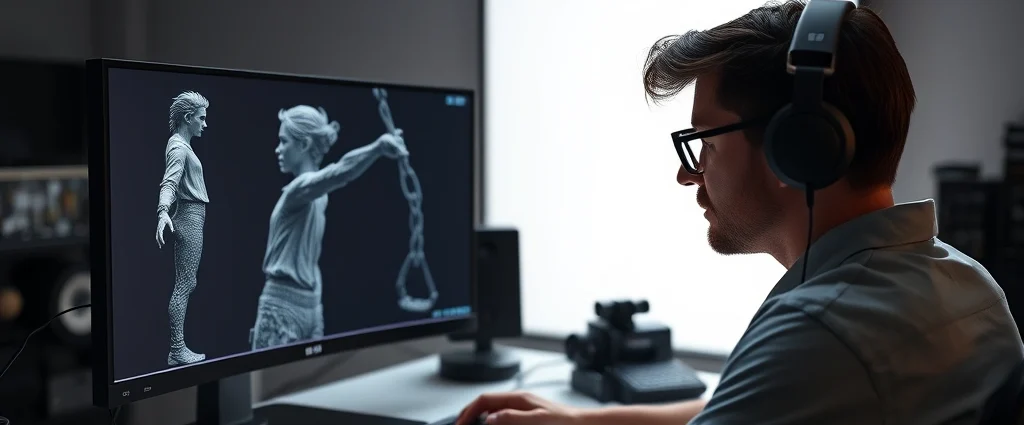
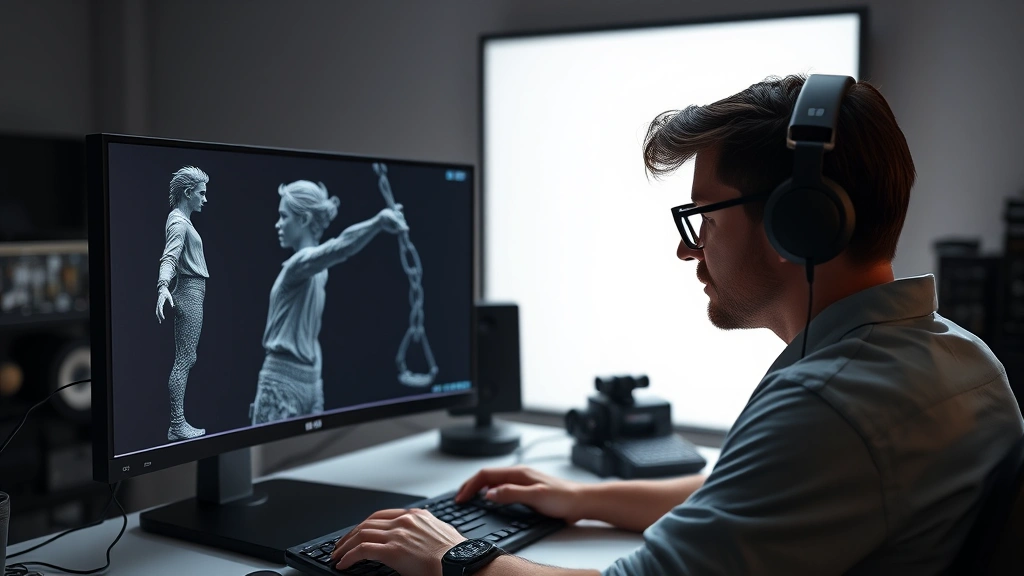
Creating a photorealistic CGI baby required an extraordinary level of technical expertise and specialized software. The foundation of this digital character began with detailed 3D modeling, where artists sculpted every anatomical feature with precision. Unlike stylized animation, photorealistic character creation demands accuracy in proportions, skin texture, and subtle facial movements that audiences recognize as human. The modeling phase involved studying actual infant anatomy, examining reference footage, and consulting with specialists to ensure authenticity.
The software tools used in this process are industry standards: Autodesk Maya for modeling and rigging, ZBrush for high-resolution sculpting, and specialized rendering engines like Arnold or V-Ray. These platforms allow artists to create incredibly detailed geometry that can be manipulated and animated. For the Squid Game baby CGI, the team likely employed multi-layered approaches, building separate assets for clothing, skin, hair, and accessories that could be composited together for maximum control and efficiency.
Skin shader development represents one of the most challenging aspects of creating photorealistic characters. Human skin isn’t simply a flat texture—it’s translucent, reflective, and responsive to light in complex ways. Subsurface scattering simulates how light penetrates skin, creating the warm, lifelike quality we recognize immediately. Artists developed custom shaders that replicated infant skin characteristics: higher translucency, smoother surfaces, and the subtle coloration variations that make babies distinctive. This attention to detail separates professional productions from amateur attempts and explains why audiences can sense when something is authentically rendered versus obviously artificial.
Motion Capture and Digital Performance
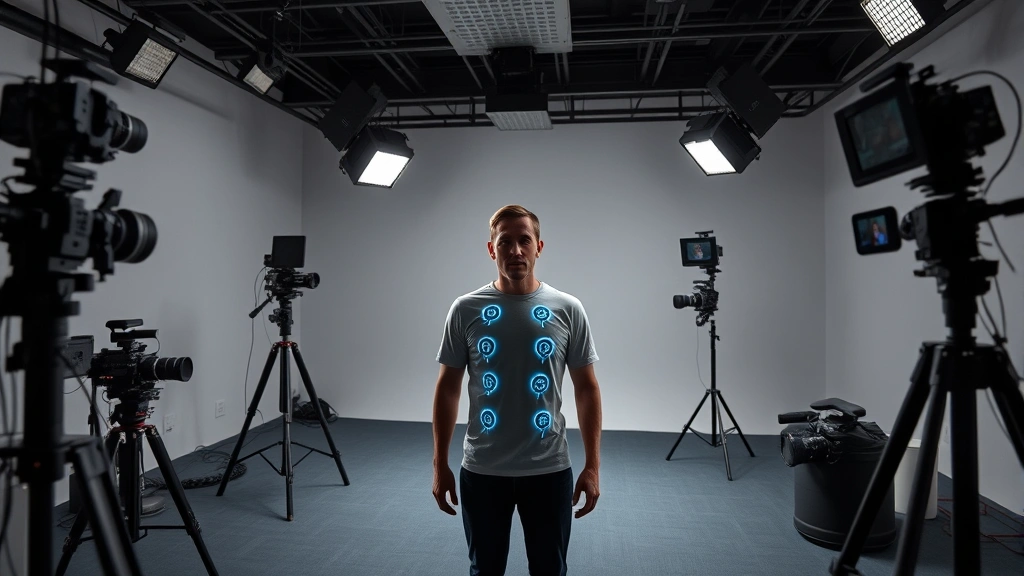
While the Squid Game baby CGI might not have involved traditional motion capture of an infant actor, the animation team used reference footage extensively. Motion capture technology works by placing reflective markers on a performer’s body, allowing cameras to track movement in three-dimensional space. For sensitive scenes involving children, productions often opt for alternative approaches: animating based on reference footage, using detailed storyboarding, and relying on animator expertise to create believable movements.
The animation process for a CGI baby requires understanding infant biomechanics—how babies move, hold their heads, and respond to their environment differs significantly from adult movement. Animators studied reference footage, observed actual infants, and applied their knowledge to create authentic motion. This isn’t simply copying movements frame-by-frame; it’s understanding the weight distribution, muscle engagement, and physical limitations that define infant locomotion and behavior.
Facial animation deserves particular attention when creating believable digital characters. A baby’s face communicates emotion through subtle expressions: eye movements, mouth positioning, eyebrow elevation, and the overall softness of features. The rigging process—creating the digital skeleton and control systems—must allow animators to achieve these expressions naturally. Modern productions use blend shapes and bone-based rigging systems that provide intuitive control while maintaining the character’s integrity. For the Squid Game baby CGI, animators likely spent considerable time perfecting eye contact and emotional resonance, as audiences are exceptionally sensitive to uncanny expressions in digital characters.
The rendering process transforms these animated sequences into final footage. This computationally intensive step involves calculating how light interacts with every surface, shadow, and material in the scene. A single frame might require hours of processing time on powerful render farms. Studios employ strategies like progressive rendering, denoising algorithms, and distributed computing to manage these demands. The final output must seamlessly integrate with live-action footage, matching lighting, color grading, and camera movements from the actual scene.
Rendering and Post-Production Excellence
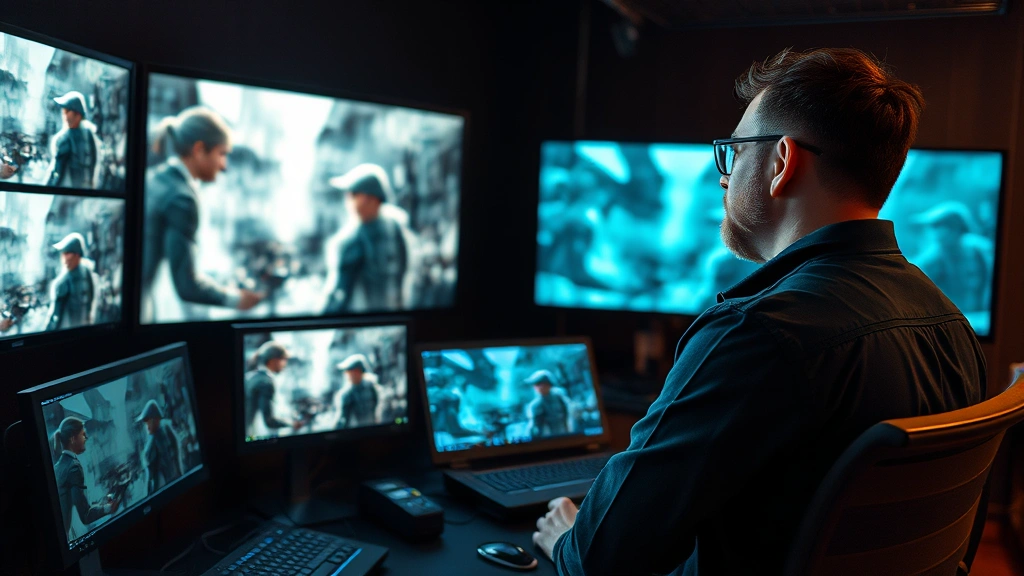
Post-production work transforms raw rendered footage into the polished sequences viewers see on screen. Color grading ensures the CGI character matches the lighting and color palette of surrounding live-action footage. This involves adjusting hues, saturation, contrast, and exposure to create visual cohesion. For a streaming platform like Netflix, which distributes content across various devices and viewing conditions, color grading must account for how images appear on different screens, from OLED televisions to mobile phones.
Compositing represents the final crucial step where visual effects are layered together. The compositing team combines the rendered character with background elements, adds atmospheric effects, and integrates motion blur and depth-of-field. They use software like Nuke to manage these complex layers, ensuring perfect integration. For the Squid Game baby CGI, compositors ensured that shadows fell correctly, reflections appeared in eyes, and the character interacted physically with its environment in believable ways.
Quality assurance involves multiple review rounds where supervisors, directors, and producers evaluate the final output. They examine technical aspects like render quality, animation fluidity, and integration accuracy, while also assessing artistic elements like emotional impact and scene effectiveness. This iterative process ensures that the final product meets broadcast standards and creative vision.
Streaming platforms like Netflix require specific technical specifications: resolution (4K or lower), frame rate (24fps for cinema-style productions), color space (DCI-P3 or Rec. 2020), and audio specifications. The visual effects team must ensure their work meets these requirements while maintaining maximum quality. This technical precision separates professional productions from independent projects and demonstrates why major studios invest heavily in specialized infrastructure and expertise.
Creative Decision-Making Behind Digital Characters
The choice to use CGI for this particular scene in Squid Game reflected thoughtful creative and ethical considerations. Casting an actual infant actor would involve complex logistics, child labor regulations, and potential safety concerns. CGI provides an alternative that protects child actors while allowing filmmakers to realize their creative vision. This decision aligns with broader industry trends where sensitive scenes involving children increasingly employ digital alternatives.
Narrative context matters significantly in these decisions. The scene needed to convey specific emotional information to the audience while maintaining the show’s tone and thematic consistency. The visual effects team worked closely with directors to understand the intended emotional impact, pacing, and integration with surrounding scenes. This collaboration ensures that technical execution serves storytelling rather than existing as a standalone spectacle.
Character design for the CGI baby involved decisions about appearance, clothing, and context. The team considered how the character would be perceived by diverse global audiences watching Squid Game. These choices affect how viewers emotionally connect with the scene and interpret its significance within the larger narrative. Design decisions included skin tone, hair texture, facial features, and age-appropriate clothing—all elements that required careful consideration and consultation.
The uncanny valley—that unsettling feeling when something appears almost but not quite human—represents a persistent challenge in digital character creation. The team had to achieve sufficient realism to maintain emotional engagement while avoiding the disturbing quality of imperfect humanoid representations. This balance required extensive testing, feedback gathering, and iterative refinement. Modern audiences have become increasingly sophisticated in detecting artificiality, raising the technical and artistic bar for what constitutes acceptable CGI.
Industry Standards and Best Practices
Visual effects studios working on major productions like Squid Game operate under established industry standards and best practices. Organizations like the Academy of Motion Picture Arts and Sciences and VES (Visual Effects Society) publish guidelines for visual effects quality and ethical practices. These standards address technical specifications, workflow efficiency, and professional conduct within the industry.
Collaboration between departments represents a best practice that ensures quality outcomes. The modeling, rigging, animation, lighting, and compositing teams must communicate continuously, sharing assets and addressing compatibility issues. Project management software, version control systems, and regular review meetings facilitate this coordination. For a production of Squid Game‘s scale and quality standards, this infrastructure is essential to managing complexity and maintaining consistency.
Reference and research form the foundation of believable character creation. The team studying infant anatomy, movement patterns, and behavior consulted medical resources, observed real babies, and reviewed footage from other productions. This research-driven approach ensures that even subtle details—the way a baby’s chest rises with breath, the specific quality of infant skin—contribute to overall authenticity. This commitment to accuracy distinguishes professional productions from amateur efforts.
Budget allocation reflects industry priorities regarding character quality. Creating a single photorealistic digital character can cost hundreds of thousands of dollars when accounting for modeling, rigging, animation, rendering, and compositing labor. For a streaming giant like Netflix producing premium content, this investment is justified by the production’s scale, audience expectations, and the technical demands of photorealistic imagery. Understanding these financial realities provides context for why major productions employ such sophisticated approaches.
The Future of Character Animation
The Squid Game baby CGI exemplifies current state-of-the-art techniques, but the field continues evolving rapidly. Artificial intelligence and machine learning are beginning to influence character creation workflows. AI can assist with rotoscoping, automatically tracking objects through footage and reducing manual labor. Some studios experiment with AI-assisted animation, where algorithms suggest movement based on established patterns, allowing animators to refine rather than create from scratch.
Real-time rendering represents another frontier transforming visual effects production. Technologies like Unreal Engine and Unity increasingly handle tasks traditionally requiring offline rendering. Real-time rendering allows filmmakers to see results immediately, enabling faster iteration and more creative experimentation. As these tools mature, production workflows may fundamentally shift, potentially reducing rendering times and costs while increasing creative flexibility.
Volumetric capture technology offers new possibilities for character creation. This approach uses multiple cameras to record three-dimensional performance data, capturing nuanced movement with exceptional accuracy. While currently expensive and requiring specialized facilities, volumetric capture may become more accessible, potentially revolutionizing how performances are captured and integrated into films and shows.
Ethical considerations will increasingly shape how the industry approaches digital character creation. Questions about consent, representation, and appropriate use of digital performers require thoughtful industry dialogue. Professional organizations continue developing guidelines ensuring that digital characters are created and used responsibly, respecting both technical standards and human dignity. For productions like Squid Game, these ethical frameworks inform decisions about when CGI is appropriate and how digital characters should be implemented.
For gamers interested in visual effects and character animation, understanding these techniques provides insight into how modern entertainment is created. Many concepts from film and television visual effects influence video game graphics and character design. Exploring best VR games 2025 reveals how real-time rendering and character animation have become central to immersive gaming experiences. Similarly, understanding visual effects principles enriches appreciation for how game developers create believable digital characters and environments.
The intersection of gaming and visual effects continues deepening. Real-time graphics engines that power modern games increasingly approach cinematic quality, blurring boundaries between pre-rendered content and interactive experiences. Developers working on narrative-driven games study visual effects techniques from film and television, implementing similar approaches within the constraints of real-time performance. This convergence suggests future entertainment experiences will seamlessly blend interactive and cinematic elements, with character animation and visual effects playing central roles.
For those interested in building systems capable of handling demanding visual content, understanding gaming PC build guide principles becomes relevant. The rendering power required for modern visual effects—whether in films, games, or interactive applications—demands sophisticated hardware. Graphics processing units, high-speed storage, and substantial RAM are essential for professionals working with character animation and visual effects software.
FAQ
Why did Squid Game use CGI for the baby instead of casting an actual infant actor?
Using CGI eliminated complex logistics involving child labor regulations, safety considerations, and on-set management of an infant. This approach allowed the production team to achieve their creative vision while protecting the welfare of actual child actors. Additionally, CGI provides precise control over appearance, movement, and integration with the surrounding scene, enabling the filmmakers to realize specific artistic intentions.
How long does it take to create a photorealistic digital character?
Timeline varies significantly based on complexity, detail level, and project scope. A photorealistic character might require three to six months of work across modeling, rigging, animation, and rendering phases. This timeframe assumes a dedicated team of specialists working collaboratively. Complex characters with extensive animation requirements or highly detailed facial expressions may require considerably longer.
What software do professional studios use for character creation?
Industry-standard tools include Autodesk Maya for modeling and animation, ZBrush for high-resolution sculpting, and specialized rendering engines like Arnold or V-Ray. Compositing is typically handled through software like Nuke. Additionally, studios use motion capture systems, color grading software, and project management platforms. The specific software selection depends on studio preferences, project requirements, and workflow optimization.
Can CGI characters be created faster using artificial intelligence?
AI is beginning to assist with specific tasks within character creation workflows, such as rotoscoping and motion tracking. However, creating photorealistic characters currently requires substantial human expertise and creative decision-making. AI tools accelerate certain processes but don’t replace the need for skilled modelers, riggers, animators, and visual effects artists. As technology advances, AI may play increasingly significant roles, but human creativity and judgment remain essential.
How do visual effects studios ensure CGI characters match live-action footage?
Professional studios employ color grading, meticulous lighting matching, and careful compositing to integrate digital characters seamlessly. The visual effects team studies lighting conditions, camera angles, and color palettes from live-action footage, then replicates these conditions in the digital environment. Multiple review rounds and quality assurance processes ensure that the final composited result appears natural and convincing to viewers.
What is the uncanny valley and how do artists avoid it?
The uncanny valley refers to the unsettling feeling when something appears almost but not quite human. Artists avoid this by achieving sufficient realism that audiences perceive the character as authentically human rather than obviously artificial. This requires meticulous attention to details like skin texture, eye movement, facial expressions, and subtle anatomical accuracy. Extensive testing and refinement help determine the precise level of realism necessary for audience acceptance.
How does real-time rendering differ from offline rendering?
Offline rendering, used in film and television, calculates images with maximum quality regardless of processing time, often requiring hours per frame. Real-time rendering, used in games and interactive applications, must generate images within strict time constraints (typically 16-33 milliseconds per frame). Real-time rendering prioritizes speed while maintaining acceptable quality, whereas offline rendering prioritizes maximum quality without time constraints.