
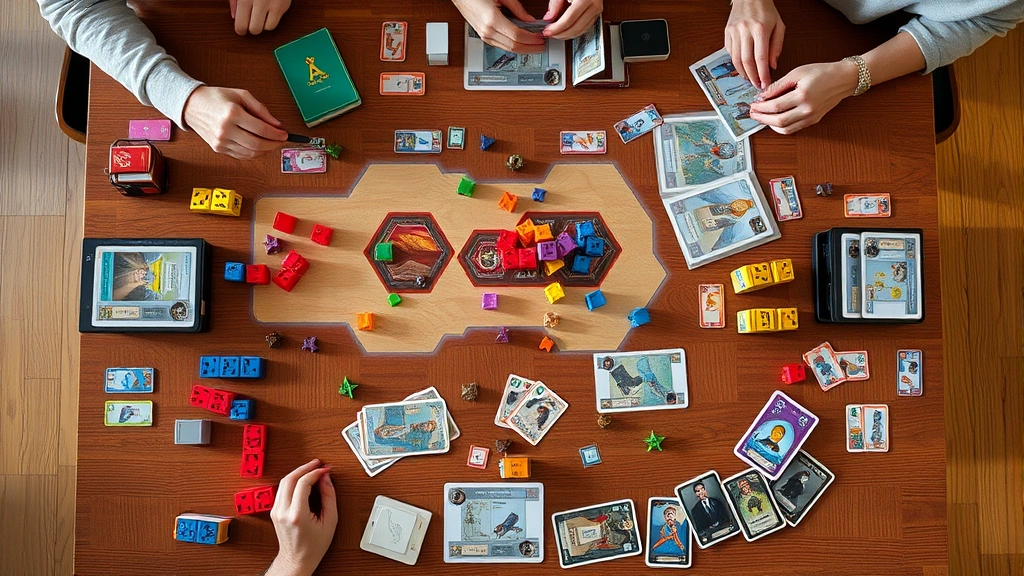
Top Strategy Board Games: Expert Recommendations for 2024
Strategy board games represent one of the most intellectually engaging and socially rewarding gaming experiences available today. Whether you’re a seasoned tabletop enthusiast or someone looking to explore the world beyond digital screens, the modern board game landscape offers an incredible variety of options that challenge your mind, foster meaningful interactions, and provide hours of entertainment. From complex economic simulations to elegant resource management puzzles, strategy board games have evolved far beyond the classics many of us grew up with.
The beauty of strategy board games lies in their ability to bring people together around a physical table, creating memorable moments that digital gaming often cannot replicate. Unlike video games where you might retreat into a solo experience, board games demand engagement, negotiation, and face-to-face competition. If you’re interested in exploring more gaming options, our comprehensive guide to cooperative gaming experiences covers similar themes in the digital realm, though nothing quite matches the tangible satisfaction of moving physical pieces across a board.
In this expert guide, we’ll explore the top strategy board games that deserve a place on your shelf, examining what makes each one special and helping you determine which games best match your playstyle and preferences.

What Defines a Strategy Board Game
Before diving into specific recommendations, it’s important to understand what separates strategy board games from other tabletop experiences. A true strategy board game emphasizes player decision-making, resource management, and long-term planning over luck. While many strategy games include dice rolls or card draws, these elements serve as variables that skilled players learn to navigate rather than the primary determinants of victory.
Strategy board games typically feature several key characteristics: meaningful choices where multiple viable paths to victory exist, player interaction that creates dynamic gameplay sessions, scalable complexity that rewards deeper understanding, and replayability that comes from emergent gameplay rather than repetitive mechanics. The best strategy games balance these elements perfectly, creating experiences that feel fresh even after dozens of plays.
For those interested in how strategic thinking applies to digital entertainment, you might enjoy exploring our collection of indie games that often emphasize thoughtful gameplay over action-focused mechanics.
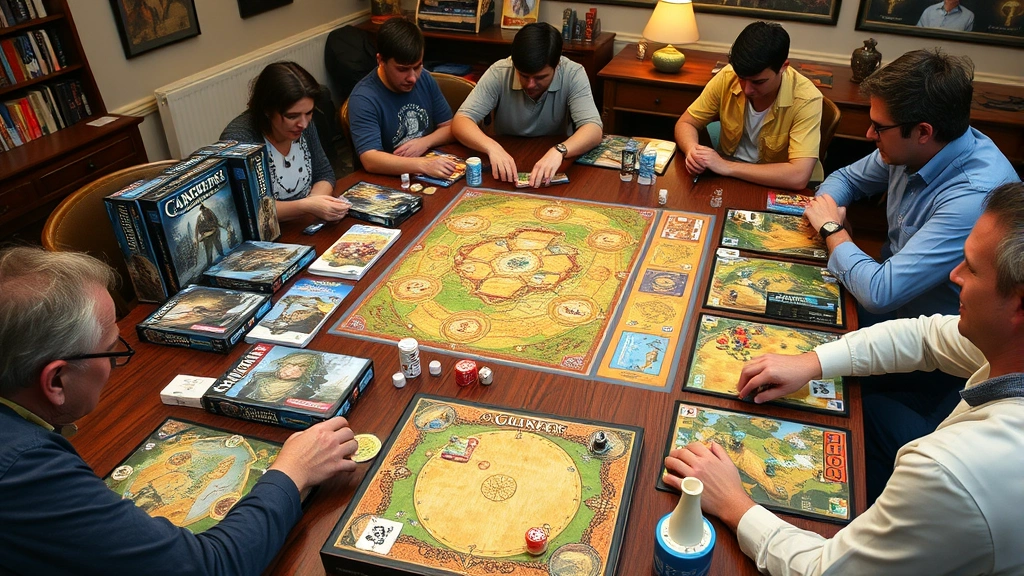
Catan: The Gateway Classic
Catan remains the quintessential entry point into modern strategy board gaming. This masterpiece of game design teaches fundamental concepts—resource management, trading, negotiation, and strategic planning—while remaining accessible to newcomers. Players settle an island, collecting resources like wheat, sheep, and ore to build roads, settlements, and cities.
What makes Catan exceptional is its elegant simplicity combined with surprising depth. Each game plays differently thanks to the modular board layout, and player interaction through trading creates unpredictable social dynamics. The robber mechanic introduces player-versus-player conflict, while the development card system adds hidden information and surprise elements. With numerous expansions available, Catan offers virtually unlimited replay value.
The game typically plays in 60-90 minutes with 2-4 players, making it perfect for regular game nights. If you’re looking to build a comprehensive gaming collection, check out our gaming blog for additional recommendations on building your board game library.
Ticket to Ride: Building Your Network
Ticket to Ride transforms the simple concept of collecting train cards into an engaging network-building competition. Players draw route cards indicating destinations they must connect with continuous railway lines, earning points for completed routes while blocking opponents from their objectives.
The genius of Ticket to Ride lies in its simultaneous simplicity and strategic depth. New players can immediately grasp the core mechanics—collect matching colored cards, claim railway routes—yet experienced players develop sophisticated strategies involving route planning, blocking tactics, and risk assessment. The tension between completing your own routes and preventing opponents from completing theirs creates compelling interactive moments.
With multiple map editions covering different regions and time periods, Ticket to Ride offers remarkable variety. The base game accommodates 2-5 players in approximately 45-60 minutes, making it ideal for diverse group sizes. Its accessibility and engaging theme have made it one of the best-selling strategy board games of all time, and for good reason.
Splendor: Resource Management Mastery
Splendor stands as a masterclass in elegant game design. Players take on roles as gem merchants during the Renaissance, collecting gems to purchase developments that increase their purchasing power and prestige. The game’s economy creates beautiful emergent gameplay where your current gem collection directly enables future purchases.
The strategic depth in Splendor comes from balancing multiple competing interests: which gem types to collect, which developments to purchase, when to invest in expensive cards versus quick wins, and how to position yourself against opponents’ strategies. The noble tile system adds a secondary scoring path, creating multiple viable strategies for victory.
Splendor plays in roughly 30 minutes with 2-4 players, making it perfect for tight game night schedules. Its quick playtime combined with substantial strategic content makes it one of the most efficient strategy board games available. The game has spawned a successful digital adaptation and numerous expansions, testament to its enduring appeal.
Agricola: Deep Strategic Complexity
Agricola represents strategy board gaming at its most ambitious and rewarding. Players develop small farms over fourteen rounds, managing workers, planting crops, raising livestock, and improving their homesteads. The game’s complexity comes not from convoluted rules but from the staggering number of viable strategies and the constant pressure of limited actions.
Each round, players place workers on action spaces to perform various tasks. With limited workers and abundant opportunities, every placement decision matters. Do you prioritize expanding your fields, improving your house, or developing special occupations? The tension between short-term needs and long-term development creates consistently engaging gameplay.
Agricola’s occupations and minor improvements add tremendous replayability, with hundreds of card combinations creating different strategic landscapes. While it demands 90-150 minutes and significant player attention, the reward is one of the most satisfying and intellectually challenging strategy board games ever created. This is a game for players ready to embrace complexity and master its systems.
Dominion: Deck-Building Innovation
Dominion revolutionized strategy board gaming by introducing the deck-building mechanic. Players start with identical decks and purchase cards from a central marketplace, gradually building powerful engines that generate resources and actions. This innovative approach transformed how strategy games could be structured.
The beauty of Dominion lies in its variable setup. Ten different card sets are selected for each game, creating entirely different strategic landscapes. One game might emphasize drawing many cards and playing expensive actions, while another rewards lean, efficient decks. This variability ensures that Dominion remains fresh across hundreds of plays.
Dominion’s influence on modern board gaming cannot be overstated. The deck-building mechanic has spawned countless imitators and variations, yet the original remains exceptional. Games typically last 30-45 minutes, and with numerous expansions available, the strategic possibilities are virtually endless. If you enjoy Dominion’s card-driven gameplay, you’ll appreciate how similar principles appear in strategic indie games.
Twilight Struggle: Cold War Tension
Twilight Struggle brings historical Cold War tension into strategic board game form. Players represent the United States and Soviet Union, competing for global influence through political maneuvering, military posturing, and proxy conflicts. The game’s card-driven system creates emergent narratives that mirror actual historical events.
What distinguishes Twilight Struggle is how its mechanics reinforce thematic elements. The card system creates constant tension between playing cards for their effects versus using them for influence points. The space race, scoring tracks, and various crises force meaningful decisions where multiple viable strategies compete for your attention.
Twilight Struggle is deliberately designed for two players, creating an intimate competitive experience where you’re constantly reading your opponent’s intentions. Games typically run 120-180 minutes, demanding significant commitment but rewarding it with unforgettable moments of tension and drama. This is essential playing for strategy enthusiasts seeking thematic depth.
7 Wonders: Simultaneous Civilization Building
7 Wonders elegantly solves the problem of player downtime by implementing simultaneous action selection. Players construct civilizations across three eras, with each round involving simultaneous card selection from hand. This creates exciting reveals and constant engagement throughout the game.
The game’s brilliance lies in how its simultaneous mechanics create meaningful interaction. You must anticipate opponents’ needs while pursuing your own strategy. Do you pick the card you want or the card you’re afraid an opponent will use? This constant tension between self-interest and disruption creates compelling gameplay moments.
7 Wonders accommodates 2-7 players in approximately 45 minutes, making it exceptional for larger groups. The card-drafting system and multiple scoring paths create tremendous replayability. Military conflict, scientific advancement, and economic prosperity all offer viable paths to victory, rewarding diverse strategic approaches.
Pandemic: Cooperative Challenge
Pandemic fundamentally changed how strategy board games approach player interaction by introducing the cooperative model. Instead of competing against each other, players collaborate as disease-fighting specialists racing against disease outbreaks across the globe. The game’s difficulty adjusts through difficulty levels, ensuring appropriate challenges for various experience levels.
What makes Pandemic exceptional is how it creates tension through cooperation. Players must balance competing priorities—treating infections, gathering resources, discovering cures—while the game actively works against them through escalating threat levels. The “quarterbacking” problem, where dominant players dictate strategy, creates interesting social dynamics that groups must actively manage.
Pandemic plays in approximately 45-60 minutes with 2-4 players. Its accessible mechanics and engaging theme make it perfect for introducing new players to strategy board gaming. The numerous expansions add new mechanics and challenges, while the base game remains elegant and replayable. For those interested in cooperative gaming experiences, our guide to cooperative games on Steam offers digital alternatives with similar collaborative spirit.
Gloomhaven: Modern Campaign Excellence
Gloomhaven represents the modern evolution of strategy board gaming by combining campaign narratives with tactical combat. Players control adventurers undertaking missions in a persistent world where their choices impact future scenarios. The legacy system creates genuine investment in the game’s long-term progression.
The tactical combat system emphasizes positioning, card play, and resource management. Each character possesses unique abilities and card combinations, creating diverse playstyles. Scenarios feel like mini-puzzles where optimal positioning and action sequencing matter tremendously. The difficulty scaling ensures appropriate challenges throughout the campaign.
Gloomhaven requires significant time investment—campaigns typically span 50+ hours across 50+ scenarios. However, this commitment rewards dedicated groups with one of gaming’s most satisfying experiences. The branching narrative creates meaningful choices where decisions echo through future scenarios. If you’re seeking immersive experiences, you might also explore how cloud gaming enables access to narrative-driven digital games.
How to Choose Your Next Strategy Board Game
Selecting the right strategy board game depends on several factors specific to your situation. Player count matters significantly—some games shine with exactly two players, while others accommodate larger groups better. Playtime considerations affect whether you can accommodate 30-minute quick games or 180-minute epics. Complexity tolerance determines whether you want accessible entry points or deep, demanding experiences.
Consider your group’s experience level and gaming preferences. New players benefit from gateway games like Catan or Ticket to Ride that teach fundamental concepts. Experienced groups seeking depth should explore Agricola or Twilight Struggle. Those prioritizing social interaction might prefer negotiation-heavy games like Catan or 7 Wonders.
Theme preference influences enjoyment significantly. Historical themes appeal to some players, while others prefer abstract systems or fantastical settings. Your personal preferences matter—a game perfectly suited to others might not resonate with you if the theme doesn’t engage you.
Don’t overlook expansion possibilities. Games with robust expansion ecosystems offer long-term value and variety. Starting with a base game and gradually adding expansions lets you deepen your engagement over time rather than investing heavily upfront.
Finally, consider your budget and storage space. Strategy board games represent meaningful investments, typically ranging from $30-$100+ for quality titles. Ensure you have space to store games and that your budget aligns with your gaming frequency. For those building comprehensive collections, our gaming blog regularly features tips for optimizing game collection management.
FAQ
What’s the best strategy board game for beginners?
Catan remains the gold standard for introducing newcomers to strategy board gaming. Its accessible rules teach fundamental concepts—resource management, trading, strategic planning—while remaining genuinely engaging. Ticket to Ride serves as an excellent alternative if players prefer network-building themes over resource management.
How long do strategy board games typically take?
Strategy board games vary tremendously in playtime. Quick games like Splendor finish in 30 minutes, while medium-weight games like 7 Wonders run 45-60 minutes. Heavy games like Agricola or Twilight Struggle demand 90-180+ minutes. Always check playtime estimates before purchasing to ensure compatibility with your group’s availability.
Can strategy board games be played with two players?
Many strategy board games work wonderfully with two players, though some are specifically designed for two-player competitive experiences like Twilight Struggle. Others accommodate two players but shine with larger groups. Always verify player count compatibility before purchasing.
What’s the difference between strategy and Euro games?
Euro games (European-style board games) emphasize elegant mechanics, minimal luck, and indirect player interaction. While not all strategy games are Euro games, most modern strategy board games incorporate Euro game design principles. The terms often overlap but aren’t identical.
How do I prevent strategy board games from becoming repetitive?
Choose games with high replayability through variable setups, expansions, or multiple viable strategies. Games like Dominion and 7 Wonders offer tremendous variety through their card selection systems. Expansions like those for Catan add new mechanics and strategic dimensions. Finally, rotating between different games prevents any single game from becoming stale.
Are strategy board games good for team building?
Absolutely! Strategy board games create engaging social experiences that foster communication, negotiation, and collaborative problem-solving. Cooperative games like Pandemic work particularly well for team building, though competitive games also encourage meaningful interaction and memorable moments together.
What’s the learning curve for complex strategy games?
Complex games like Agricola demand 1-2 plays before players feel genuinely comfortable with mechanics, and several more plays to develop actual strategy. However, this learning process often proves rewarding as players gradually master systems and discover strategic depth. Start with accessible games and gradually work toward more complex titles.