
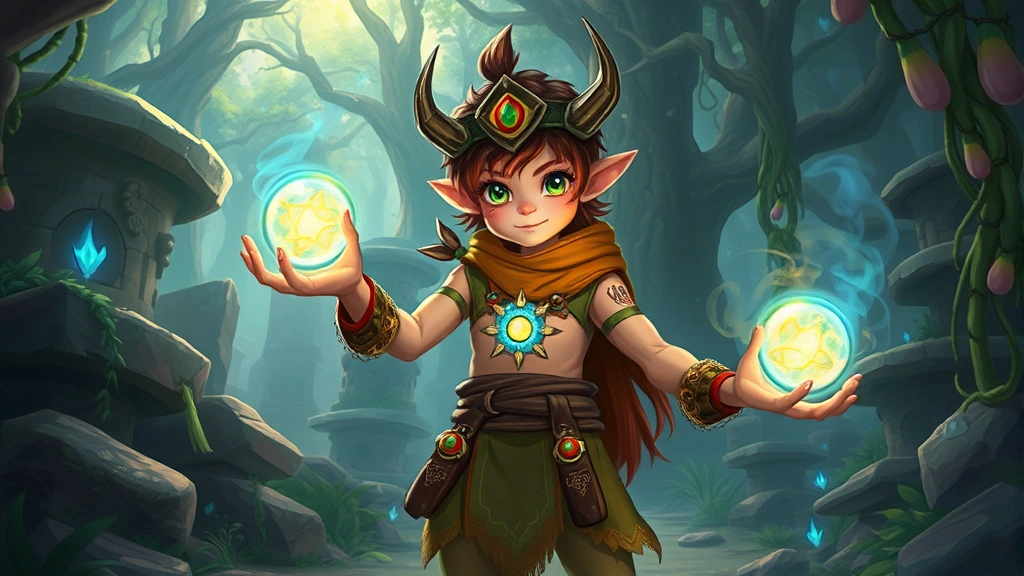
Tak and the Power of Juju: Retro Review Insights
Tak and the Power of Juju stands as one of the most charming and underrated platformers of the early 2000s. Originally developed by Avalanche Software and published by THQ, this delightful adventure captured the hearts of gamers with its vibrant world, engaging gameplay mechanics, and genuinely funny storytelling. Whether you’re revisiting this classic or discovering it for the first time, understanding what made Tak special reveals important lessons about game design that still resonate today. The game’s unique approach to character progression, environmental puzzle-solving, and cooperative gameplay mechanics created an experience that transcended typical platformer conventions of its era.
Released across multiple platforms including PlayStation 2, GameCube, Xbox, and Game Boy Advance, Tak and the Power of Juju proved its versatility and appeal to diverse gaming audiences. The narrative follows Tak, a young shaman’s apprentice who must harness the mystical power of Juju magic to save his village from a dark curse. What begins as a simple rescue mission evolves into an epic journey filled with unexpected twists, memorable characters, and genuinely satisfying character development. The game’s writing demonstrates remarkable wit and charm, with dialogue that entertains both children and adults, a rare achievement in the platforming genre.
Gameplay Mechanics and Design Philosophy
The gameplay foundation of Tak and the Power of Juju rests on accessible yet surprisingly deep platforming mechanics that appeal to both casual players and hardcore enthusiasts. Tak’s movement feels responsive and intuitive, with fluid animations that make every jump, dash, and magical spell feel satisfying. The developers at Avalanche Software clearly understood that great platformers require precise controls and immediate feedback, elements that Tak delivers consistently throughout its runtime. Unlike many platformers that rely solely on jumping challenges, Tak incorporates combat, puzzle-solving, and magical abilities into a cohesive experience.
The magic system introduces fresh mechanics that differentiate Tak from other platformers available for PC and consoles. Each Juju magic ability serves both offensive and puzzle-solving purposes, encouraging creative problem-solving rather than rote memorization. Tak can acquire multiple magical abilities throughout his journey, each with distinct visual effects and gameplay applications. The progression feels earned and rewarding, as players gradually unlock new powers that open previously inaccessible areas. This design philosophy mirrors the best practices found in modern cooperative gaming experiences, where ability unlocks drive exploration and replayability.
Visual Style and Artistic Direction
Tak and the Power of Juju immediately impresses with its distinctive visual presentation that has aged gracefully compared to contemporaneous titles. The art direction emphasizes vibrant colors, expressive character designs, and imaginative environments that feel genuinely alive. Rather than pursuing photorealism, the developers opted for a stylized aesthetic that prioritizes charm and clarity. This artistic choice proved prescient, as the game remains visually appealing decades later, unlike many games that attempted hyper-realism with limited hardware capabilities.
The character design deserves particular praise, with Tak himself serving as an excellent protagonist whose animations convey personality and emotion. Supporting characters feature equally distinctive designs that make them memorable and engaging. Environmental design showcases incredible variety, from lush forests and ancient temples to industrial facilities and magical realms. Each level presents a unique visual identity that helps players maintain orientation while exploring. The attention to detail in background elements and environmental storytelling enriches the world without overwhelming the player’s attention during gameplay.
The Juju Magic System Explained
The Juju magic system represents the game’s most innovative gameplay element, fundamentally distinguishing it from standard platformers. Players collect magical Juju creatures that grant Tak distinct supernatural abilities, each with unique mechanics and applications. The Fireworks Juju enables explosive attacks, the Boomerang Juju provides ranged combat options, and the Reversing Juju manipulates time in localized areas. This variety ensures that no two encounters play identically, as players must adapt their magical arsenal to different challenges.
What makes the Juju system particularly brilliant is its integration into puzzle design. Environmental obstacles frequently require specific magical abilities to overcome, creating natural progression gates that teach players to think creatively about ability usage. A blocked passage might require the Strength Juju to push heavy objects, while a puzzle chamber demands the Reversing Juju to rewind falling platforms. This interconnectedness between abilities and environmental design reflects sophisticated game design philosophy that encourages exploration and experimentation. Players feel genuinely clever when discovering solutions, a sensation that modern game designers still strive to achieve.
Level Design and Environmental Puzzles
The level design in Tak and the Power of Juju demonstrates masterful understanding of pacing and player progression. Each stage begins with straightforward challenges that introduce new mechanics, gradually escalating in complexity as players develop competence. This scaffolding approach ensures accessibility for newer players while maintaining engagement for experienced gamers. The developers clearly understood learning curve psychology, introducing concepts gradually before combining them in challenging ways.
Environmental puzzles stand out as particularly well-crafted, requiring players to observe their surroundings carefully and think spatially about problem-solving. Unlike puzzle games that rely on obtuse logic, Tak’s puzzles feel intuitive once players understand the mechanics involved. The game respects player intelligence without demanding excessive trial-and-error experimentation. Hidden areas reward thorough exploration, encouraging players to investigate every corner of each level. This approach to level design influenced many subsequent platformers and remains relevant for modern game developers creating adventure experiences.
The pacing between action and puzzle-solving maintains perfect balance, preventing fatigue while ensuring constant engagement. Combat encounters interrupt exploration naturally, providing relief from intense puzzle-solving. Conversely, puzzle sections break up action sequences, allowing players to catch their breath mentally. This rhythm demonstrates sophisticated understanding of game design principles that create satisfying experiences for extended play sessions.
Multiplayer and Cooperative Features
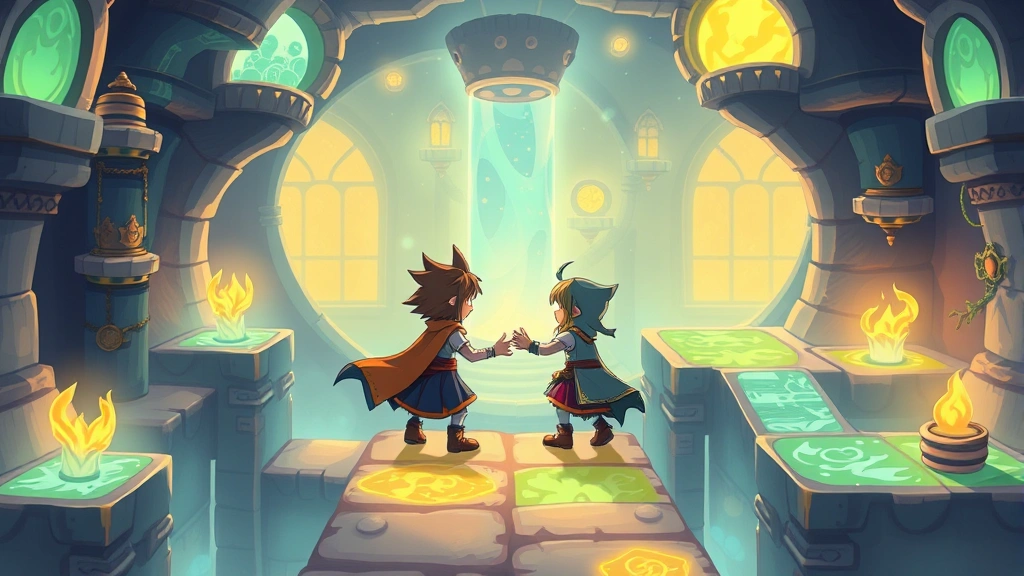
Tak and the Power of Juju includes multiplayer components that add significant replay value and social enjoyment. The cooperative gameplay mode allows players to experience challenges together, with one player controlling Tak while another controls a companion character. This asymmetrical cooperative design creates interesting dynamics, as players must coordinate their actions to overcome obstacles. Unlike many cooperative games that simply place two players in identical scenarios, Tak’s multiplayer mode leverages each character’s unique abilities to create genuinely collaborative challenges.
The multiplayer implementation reflects best practices from contemporary cooperative game design, emphasizing teamwork over competition. Players cannot progress without coordinating their magical abilities and movements, fostering communication and shared problem-solving. This cooperative focus influenced many subsequent cooperative gaming titles on modern platforms, establishing Tak as an early pioneer in couch cooperative gameplay. The experience proves particularly enjoyable for players of varying skill levels, as both participants contribute meaningfully to success.
Competitive multiplayer modes provide additional content for players seeking different experiences. These modes leverage the game’s combat mechanics in new contexts, creating fast-paced challenges that test reflexes and tactical thinking. While less acclaimed than the cooperative modes, these competitive experiences demonstrate the game’s mechanical flexibility and design depth.
Soundtrack and Audio Design
The audio design of Tak and the Power of Juju contributes significantly to the game’s charm and immersion. The soundtrack features memorable melodies that perfectly complement each environment, from whimsical forest themes to ominous dungeon compositions. Composer John Debney created music that enhances emotional moments while remaining unobtrusive during gameplay. The memorable themes stick with players long after finishing the game, a testament to compositional quality that modern gaming soundtracks frequently lack.
Sound effects receive equally careful attention, with each magical ability producing distinctive audio cues that provide immediate feedback to player actions. Environmental sounds create atmospheric depth, making worlds feel populated and alive. Voice acting brings characters to life with genuine performances that convey personality and emotion. The dialogue delivery never feels phoned-in or monotonous, with voice actors clearly understanding their characters’ motivations and emotional arcs. This attention to voice performance elevates storytelling beyond what text alone could achieve, creating memorable character interactions that drive narrative engagement.
Sequels and Legacy Impact
The success of Tak and the Power of Juju spawned a sequel, Tak 2: The Staff of Dreams, which continued the franchise’s tradition of quality platforming. While the sequel expanded on established mechanics and introduced new magical abilities, it struggled to capture the original’s magic despite its technical improvements. The law of diminishing returns affected player perception, as sequels often face unrealistic expectations. Nevertheless, both games established Tak as an important platformer series that contributed meaningfully to the genre’s evolution.
The franchise’s impact extends beyond direct sequels, influencing numerous platformers that adopted similar design philosophies. Game developers studying Tak’s success recognized the value of magical ability systems, cooperative gameplay, and character-driven narratives in platformers. Many modern indie developers cite Tak as inspiration for their own projects, particularly regarding how to balance accessibility with depth. The game demonstrated that platformers could appeal to broad audiences without sacrificing mechanical complexity or artistic ambition.
Unfortunately, THQ’s financial collapse in 2012 effectively ended active development on the franchise, leaving Tak’s legacy in the hands of passionate fans and developers inspired by its design. The games remain available on various platforms, allowing new generations to experience what made them special. Emulation communities have preserved these titles, ensuring they remain accessible despite their age. The lack of modern sequels represents a genuine loss for platforming enthusiasts who appreciated Tak’s unique approach to the genre.
The retro gaming community continues celebrating Tak and the Power of Juju as a masterclass in platformer design. Speedrunning communities have created communities around the games, discovering sequence breaks and optimization techniques that showcase mechanical depth. Content creators on platforms like YouTube regularly feature Tak in retrospectives and “forgotten gems” lists, introducing the franchise to audiences who missed it originally. This sustained interest demonstrates the games’ timeless appeal and enduring quality.
Modern game developers interested in building gaming systems and understanding classic design should study Tak’s approach to progression, pacing, and accessibility. The game proves that commercial success and artistic merit need not be mutually exclusive, that games can entertain broad audiences while maintaining mechanical sophistication. For players seeking recommendations, visiting GameForge Daily Blog for comprehensive gaming reviews provides context for understanding how Tak fits within broader gaming history.
The enduring appeal of Tak and the Power of Juju stems from its commitment to quality across all design dimensions. From gameplay mechanics to artistic presentation, every element contributes to a cohesive, enjoyable experience. The game respects player intelligence while remaining accessible, a balance that many modern titles struggle to achieve. Whether experiencing it as a nostalgic return to youth or discovering it fresh, Tak and the Power of Juju delivers genuine entertainment and mechanical satisfaction that transcends its release date.
FAQ
What platforms can I play Tak and the Power of Juju on?
Tak and the Power of Juju was originally released on PlayStation 2, GameCube, Xbox, and Game Boy Advance. These original versions remain playable on their respective hardware. Additionally, emulation allows access on PC through legal preservation communities. Some versions have appeared on digital storefronts, though availability varies by region and platform. Checking official sources and digital retailers provides current availability information.
How long does it take to complete Tak and the Power of Juju?
A typical playthrough requires approximately 10-15 hours, depending on exploration thoroughness and puzzle-solving efficiency. Players seeking complete achievement or collecting all hidden items might extend playtime to 20+ hours. The game’s design encourages exploration without forcing excessive grinding, making completion feel achievable within reasonable timeframes. Speedrunners complete the game in under two hours, showcasing mechanical mastery and sequence break knowledge.
Is Tak and the Power of Juju appropriate for children?
Yes, Tak and the Power of Juju is designed as a family-friendly title with content suitable for children. The ESRB rated it E10+ (Everyone 10 and older), indicating age-appropriate content with minimal violence. The humor appeals to both children and adults, making it excellent for family gaming sessions. Parents seeking engaging titles for younger players will find Tak an excellent choice that respects both entertainment and appropriateness.
How does the sequel compare to the original Tak game?
Tak 2: The Staff of Dreams expands on the original’s mechanics with additional magical abilities and refined gameplay systems. However, many players prefer the original’s tighter design and more cohesive experience. The sequel introduces new features but occasionally feels bloated compared to the original’s elegant simplicity. Both games merit playing, though opinions vary regarding which represents the superior experience.
Can I play Tak and the Power of Juju solo, or is multiplayer required?
The game features robust single-player content that comprises the primary campaign experience. Multiplayer modes enhance the experience but aren’t required for progression or story completion. Solo players will find complete satisfaction with the single-player campaign, while multiplayer options provide additional content for those with access to cooperating or competitive partners. The flexible structure accommodates various playing preferences.
What makes Tak and the Power of Juju unique compared to other platformers?
The Juju magic system distinguishes Tak from contemporaneous platformers, offering varied abilities that solve both combat and puzzle challenges. The emphasis on cooperative gameplay, character-driven narrative, and environmental puzzle-solving creates a distinctive experience. The art style and audio design contribute to an identity that separates Tak from generic platformers. For players seeking platformers with personality and mechanical innovation, Tak delivers on both fronts.