
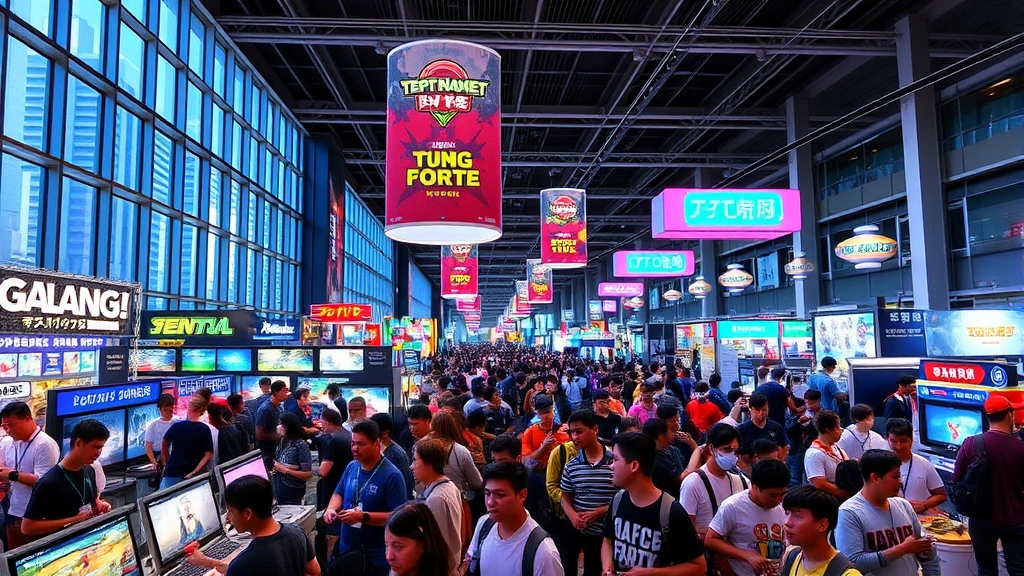
Tokyo Game Show Highlights? Insider Insights Into Gaming’s Biggest Asian Event
The Tokyo Game Show stands as one of the gaming industry’s most anticipated annual events, drawing hundreds of thousands of visitors from around the globe to experience cutting-edge gaming technology, upcoming releases, and exclusive announcements. This massive celebration of interactive entertainment has become a cultural phenomenon in Japan and a crucial showcase for developers, publishers, and hardware manufacturers looking to make waves in the Asian market and beyond. From indie developers showcasing their passion projects to major studios unveiling blockbuster titles, the Tokyo Game Show represents the future of gaming innovation and creative expression.
Every year, the event brings together industry professionals, content creators, and passionate gamers under one roof to celebrate what makes gaming special. The energy at the Tokyo Game Show is electric—attendees queue for hours to experience playable demos, meet their favorite developers, and witness live presentations that often become the catalyst for industry-wide trends. Whether you’re interested in indie game discoveries or blockbuster announcements, the Tokyo Game Show consistently delivers unforgettable moments that shape the gaming landscape for months to come.
What Makes Tokyo Game Show Essential
The Tokyo Game Show has earned its reputation as the gaming industry’s premier event through decades of consistently delivering groundbreaking announcements and exclusive experiences. Unlike other gaming conferences that focus primarily on Western markets, the Tokyo Game Show emphasizes the Asian gaming ecosystem while maintaining global relevance. This unique positioning makes it essential viewing for anyone serious about understanding where gaming is headed.
The event attracts over 300,000 visitors annually, making it one of the largest gaming conventions worldwide. Attendees include industry veterans, aspiring developers, gaming journalists, esports professionals, and hardcore enthusiasts. The diversity of the crowd creates an incredibly dynamic atmosphere where networking opportunities abound and unexpected collaborations spark. Major publishers like Sony, Nintendo, Microsoft, Capcom, and Square Enix use the Tokyo Game Show as their primary platform for regional announcements, often revealing titles and features exclusively to this audience before global reveals.
What distinguishes the Tokyo Game Show from other gaming events is its emphasis on playable demos and hands-on experiences. Attendees don’t just watch presentations—they actively engage with games in development, providing valuable feedback to developers and experiencing firsthand what the future of gaming looks like. This interactive approach has made the Tokyo Game Show a favorite among content creators who stream their experiences to millions of viewers worldwide, extending the event’s influence far beyond Tokyo’s physical boundaries.
Recent Highlights and Major Announcements
Recent Tokyo Game Shows have become legendary for unexpected announcements and surprise reveals that send shockwaves through the gaming community. Publishers strategically time major announcements to coincide with the event, knowing the global media coverage and audience engagement will amplify their message exponentially. From trailer drops to release date confirmations, the Tokyo Game Show stage has become where gaming history is made.
Previous years have seen monumental reveals including highly anticipated sequels, new IP announcements, and technological demonstrations that push hardware capabilities to their limits. The event has hosted exclusive gameplay footage for some of gaming’s biggest franchises, with developers using the platform to showcase innovation in graphics, gameplay mechanics, and storytelling. Industry analysts closely monitor Tokyo Game Show announcements because they often indicate broader trends in game development, including shifts toward cloud gaming technologies and cross-platform experiences.
The Tokyo Game Show also serves as a crucial barometer for the health of the gaming industry. Economic indicators, developer sentiment, and investment trends become apparent through the types of games showcased and the enthusiasm of attendees. Gaming media outlets like IGN and GameSpot provide extensive coverage, analyzing announcements and interviewing developers to give their audiences comprehensive insights into what the Tokyo Game Show means for the industry’s future.
Streaming has transformed how the Tokyo Game Show reaches global audiences. Content creators camp out at booths for hours to capture footage, conduct interviews, and share their reactions in real-time with viewers. This democratization of access means that gamers unable to attend in person can still experience the excitement through multiple perspectives and commentary styles. The Tokyo Game Show’s cultural impact has never been greater, as millions of viewers worldwide tune in to catch every announcement and gameplay reveal.
Indie Developer Showcase
One of the most vibrant aspects of the Tokyo Game Show is the dedicated indie developer section, where small studios and independent creators get their moment in the spotlight. The indie game showcase represents the heart of gaming innovation, featuring passion projects that often take creative risks that larger studios cannot afford to take. These developers bring fresh perspectives, unique art styles, and innovative gameplay mechanics that frequently become industry benchmarks.
The indie section at the Tokyo Game Show has launched numerous successful titles into the mainstream consciousness. Games that started as humble booth demos have gone on to win prestigious awards, achieve critical acclaim, and build devoted fanbases. Publishers actively scout the indie sections looking for promising talent and potential acquisition targets, making the Tokyo Game Show a crucial career-launching platform for independent developers.
What makes the indie presence at the Tokyo Game Show particularly special is the accessibility and genuine enthusiasm from developers. Unlike corporate booths with polished presentations, indie developers often personally demo their games, answer questions directly, and express authentic passion for their projects. This personal connection resonates with attendees and creates memorable interactions that frequently translate into social media buzz and organic marketing that money cannot buy.
Hardware and Technology Innovations
The Tokyo Game Show serves as an important venue for hardware manufacturers to showcase next-generation technology and demonstrate how their platforms will shape gaming’s future. Console manufacturers, GPU developers, and peripheral makers use the event to unveil innovations that define the gaming experience. These technology demonstrations often provide the first hands-on experience for journalists and enthusiasts to evaluate hardware capabilities and performance improvements.
Recent Tokyo Game Shows have featured impressive demonstrations of ray tracing technology, haptic feedback systems, and AI-driven game design tools that promise to revolutionize how games are developed and played. Building a gaming PC for optimal performance has become increasingly relevant as developers push technical boundaries, and the Tokyo Game Show provides clear indicators of what specifications gamers should target for upcoming releases.
Virtual reality and augmented reality technologies receive significant attention at the Tokyo Game Show, with developers and hardware manufacturers showcasing immersive experiences that point toward gaming’s future. These emerging platforms represent new frontiers for creative expression and player engagement, and the Tokyo Game Show provides a crucial testing ground where developers can gauge market interest and gather feedback from experienced gamers and industry professionals.
The Tokyo Game Show also highlights the importance of accessibility in gaming technology. Developers showcase adaptive controllers, accessibility features, and inclusive design principles that make gaming available to players with diverse abilities. These innovations represent a fundamental shift in how the industry approaches game design, recognizing that accessibility benefits all players while expanding gaming’s reach to previously underserved audiences.
Esports and Competitive Gaming
Esports has become an increasingly prominent feature of the Tokyo Game Show, reflecting the explosive growth of competitive gaming as both a spectator sport and professional career path. Tournament organizers, esports teams, and gaming equipment manufacturers use the event to promote upcoming competitions and showcase the athletes who compete at the highest levels. The energy surrounding esports at the Tokyo Game Show rivals traditional sports events, with passionate fans cheering for their favorite teams and players.
Major esports tournaments frequently announce partnerships and sponsorships at the Tokyo Game Show, leveraging the event’s massive audience to build excitement for upcoming competitions. Professional players often appear at the event, conducting meet-and-greets, signing autographs, and demonstrating their skills in exhibition matches. These interactions between professional gamers and fans create unforgettable moments that strengthen the esports community and inspire aspiring competitive players.
The Tokyo Game Show provides a platform for esports organizations to recruit talent, establish partnerships, and expand their global presence. Teams use the event to announce roster changes, unveil new team jerseys, and launch sponsorship deals that enable them to compete at the highest levels. The visibility and prestige associated with Tokyo Game Show announcements make the event crucial for any esports organization serious about establishing credibility and attracting investment.
Planning Your Tokyo Game Show Visit
For gamers considering attending the Tokyo Game Show in person, thorough planning is essential to maximize the experience and minimize frustration. The event typically occurs in September and draws massive crowds, so arriving early and understanding the venue layout significantly improves your ability to experience everything you want to see. Prioritizing which booths and demonstrations align with your interests helps you allocate your limited time effectively.
Attending the Tokyo Game Show requires advance preparation including accommodation arrangements, transportation planning, and understanding the event schedule. Early bird tickets often sell out quickly, so securing your admission well in advance is advisable. The event spans multiple days with different themes and focuses each day, so strategic planning allows you to attend sessions most relevant to your interests.
For those unable to attend in person, content creators share gameplay footage and developer interviews extensively, allowing remote audiences to experience highlights. Following official Tokyo Game Show social media accounts, subscribing to gaming news outlets, and watching dedicated coverage from Polygon ensures you stay informed about major announcements and industry developments.
Networking at the Tokyo Game Show creates valuable connections for aspiring developers and gaming professionals. The event attracts industry veterans, publishers, and talent scouts actively looking to hire skilled individuals. Bringing business cards, preparing an elevator pitch, and approaching conversations with genuine enthusiasm about gaming increases the likelihood of making meaningful professional connections that could advance your career in the gaming industry.
The Tokyo Game Show also offers unique cultural experiences beyond gaming. Exploring Tokyo’s vibrant gaming culture, visiting arcades, experiencing game-themed restaurants, and engaging with Japan’s unique gaming heritage enriches the overall trip. The city’s gaming community is incredibly welcoming to international visitors, and combining the Tokyo Game Show experience with cultural exploration creates unforgettable memories.
FAQ
When does the Tokyo Game Show typically occur?
The Tokyo Game Show generally takes place in September each year, typically spanning three to four days. The event usually occurs in mid-September, though specific dates vary annually. Checking the official Tokyo Game Show website provides exact scheduling for each year’s event.
How much does Tokyo Game Show admission cost?
Admission prices vary depending on whether you purchase tickets in advance or at the gate, with advance tickets typically offering better value. Day passes and multi-day passes are available at different price points. VIP passes providing early entry and exclusive access cost more but offer enhanced experiences for dedicated attendees.
Can I attend Tokyo Game Show remotely?
Yes, extensive online coverage through streaming platforms, gaming media outlets, and content creators allows remote participation. Major announcements are broadcast live, and developers often release gameplay footage online for those unable to attend in person.
What should I bring to Tokyo Game Show?
Comfortable shoes, a portable phone charger, and a camera or smartphone for capturing content are essential. Bringing a small backpack helps carry merchandise, business cards if networking, and personal items. Hydration and snacks sustain you through long days of exploration.
Are there any insider tips for maximizing Tokyo Game Show experience?
Arriving early secures better positions for popular booth queues. Consulting the event schedule in advance and prioritizing sessions prevents missing must-see demonstrations. Following social media for real-time updates on surprise announcements and special events optimizes your experience. Engaging respectfully with developers and fellow attendees creates positive interactions and networking opportunities.