
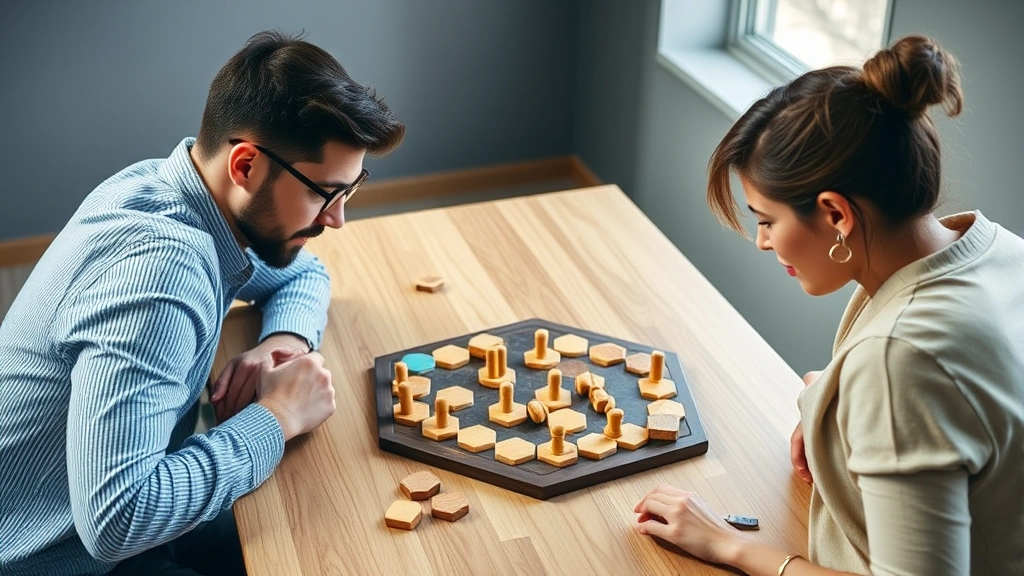
Top Two-Player Board Games: Expert List for Strategic Gamers
Whether you’re a seasoned tabletop enthusiast or just discovering the world of two-player board games, finding the perfect game for intimate competitive or cooperative play can be challenging. Board games have experienced a massive renaissance in recent years, with designers creating increasingly sophisticated experiences that rival video games in depth and engagement. Two-player games hold a special place in this ecosystem because they offer a unique dynamic—direct competition, meaningful cooperation, or a blend of both—without the complexity of managing larger player counts.
In this comprehensive guide, we’ve curated the absolute best two-player board games that deliver exceptional gameplay, strategic depth, and memorable experiences. Whether you prefer turn-based strategy, abstract games, or narrative-driven adventures, you’ll find titles that captivate and challenge you. We’ve tested and researched extensively to bring you games that consistently rank among the most beloved in the tabletop community, offering everything from quick 20-minute matches to epic multi-hour campaigns.
The Best Abstract Strategy Games
Abstract strategy games form the foundation of serious two-player gaming. These games strip away theme and narrative to focus on pure strategic decision-making, making every move critical. If you enjoy turn-based strategy games, you’ll appreciate how these board games demand similar levels of tactical thinking.
Chess remains the gold standard for abstract strategy, but modern designers have created equally compelling alternatives. Go, an ancient game with simple rules but infinite complexity, offers an entirely different strategic experience. For contemporary options, Azul combines elegant mechanics with beautiful aesthetics—players draft colored tiles to create mosaic patterns, requiring both tactical placement and forward planning.
Hive is another exceptional choice, featuring hexagonal tiles that represent insects, each with unique movement abilities. The game plays without a board, making it incredibly portable while maintaining surprising depth. Oink Games specializes in minimalist designs like this, proving that complexity doesn’t require elaborate components.
7 Wonders Duel elevates the abstract strategy genre by combining tableau-building with civilization development. Players simultaneously draft from a shared pool of cards, creating their own civilizations while denying opponents valuable resources. The simultaneous selection mechanic creates tension and unpredictability that keeps every game fresh.
Patchwork deserves special mention as one of the most innovative abstract games released. Players compete to create the most valuable quilt by purchasing fabric patches in turn-based fashion. It’s deceptively simple yet strategically rich, proving that great games don’t require complex rulesets.
Twilight Struggle stands as perhaps the most acclaimed two-player board game ever designed. This card-driven game simulates the Cold War, with players managing geopolitical tensions, space races, and proxy conflicts. The game’s elegance lies in how its card mechanics create meaningful decisions—each card serves multiple purposes, forcing players to choose between immediate benefits and long-term strategy.
Jaipur offers a completely different abstract experience, focusing on merchant trading. Players compete to sell goods and earn the most money through careful hand management and negotiation tactics. Despite its simplicity, the game creates surprising moments of drama and clever plays.
Cooperative Board Games for Two Players
Not every game requires defeating your opponent. Cooperative two-player board games let you and a partner work together against the game itself, creating shared victories and memorable moments. This style of play has revolutionized modern board gaming, with designers creating increasingly sophisticated cooperative experiences.
Pandemic pioneered the cooperative board game genre, and the base game works exceptionally well with two players. You and your partner assume roles as disease-fighting specialists trying to contain global outbreaks. The game’s difficulty scales based on player count, ensuring appropriate challenge levels. The expansions add tremendous variety, including roles with unique abilities and new diseases to combat.
Spirit Island
Gloomhaven
Arkham Horror: The Card Game
CodenamesCodenames Duet was specifically designed for two players. You and your partner work together to identify secret agents using one-word clues, creating a collaborative puzzle-solving experience that rewards communication and lateral thinking.
Forbidden IslandForbidden Desert provide accessible entry points to cooperative gaming. These games feature rising difficulty as the game state deteriorates—an island sinks or a sandstorm intensifies. The time pressure creates genuine tension despite the games’ relatively short playtimes.
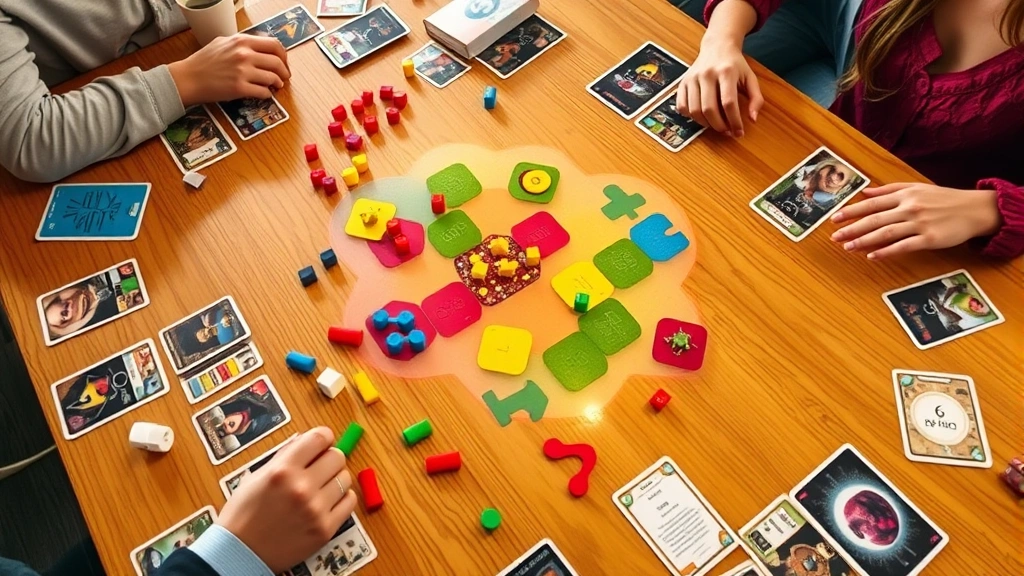
Competitive Deck-Building and Card Games
Deck-building games have exploded in popularity, offering strategic depth through card selection and management. These games reward both long-term planning and tactical flexibility, making them endlessly replayable.
Dominion invented the deck-building genre and remains phenomenal for two players. Each player builds their deck during the game, purchasing cards from a shared market. The strategic decision-making spans multiple dimensions—which cards to buy, when to pivot strategies, and how to predict opponent moves. The game includes numerous expansions, each introducing new mechanics that prevent the base experience from becoming stale.
Star Realms
Everdell
Legendary: A Marvel Deck Building Game
Sushi Go!
Thematic Adventure Games
Some two-player board games prioritize thematic immersion, using mechanics to reinforce narrative. These games transport you into worlds where every action feels meaningful within the story context.
Sherlock Holmes: Consulting Detective
Robinson Crusoe: Adventures on the Cursed Island
Mansions of Madness
Mage Knight
Brass: BirminghamBrass: Lancashire
Quick Play Games Under 30 Minutes
Not every gaming session allows for multi-hour commitments. Quick two-player board games deliver satisfying experiences in shorter timeframes, perfect for weeknight entertainment or testing new systems.
Love Letter
Coup
Hive Pocket
Targi
Patchwork
Santorini
Mastering two-player board games requires understanding principles beyond just knowing rules. Here are expert strategies for maximizing your gaming experience: Understand Asymmetry: Many excellent two-player games feature asymmetrical designs where players have different abilities, goals, or constraints. Rather than seeing this as imbalance, recognize that asymmetry creates variety and prevents games from becoming solved. Cooperative experiences often use asymmetry to ensure no two players have identical roles. Master Information Management: Games with hidden information create tension and unpredictability. In two-player games, information advantage matters tremendously. Pay attention to what your opponent has revealed, what they’re likely holding, and what information they might be hiding. This mental game often matters as much as the physical gameplay. Develop Flexible Strategies: Rigid strategies fail in two-player games because opponents actively work to counter your plans. Instead, develop multiple viable strategies and remain ready to pivot when circumstances change. The best players adapt their approaches based on opponent behavior and game state evolution. Study Opening Principles: Like chess, many two-player board games have established opening principles. Research how experienced players begin games and understand the reasoning behind these choices. This accelerates your learning curve and prevents common early mistakes. Analyze Endgame Scenarios: While opening play matters, endgame mastery often determines winners. Understand how games typically conclude and practice endgame positions repeatedly. This knowledge prevents last-minute blunders and helps you recognize winning positions before they disappear. Balance Aggression and Defense: Aggressive play pressures opponents but can leave you vulnerable. Defensive play protects you but allows opponents to develop unopposed. The optimal balance depends on specific game mechanics and current board state. Learn to assess when to attack and when to consolidate. Leverage Asymmetric Information: In games where players have different information, use this to your advantage. What your opponent doesn’t know can be as valuable as what they do know. However, be cautious about telegraphing information—experienced opponents will pick up on your patterns. Practice Probability Assessment: Many games involve probability and chance. Develop strong intuition about likelihoods and expected values. Understanding whether a risky play has positive expected value helps you make mathematically sound decisions that win games over time. For additional strategic insights, check out our guide on turn-based strategy games, which covers similar tactical principles applicable to many board games. Excellent two-player games feature balanced mechanics that work specifically for two-player counts, meaningful decision-making where both players’ choices matter, and gameplay that encourages engagement without excessive downtime. Games designed for two players often feature direct competition or cooperation that creates tension and memorable moments. Asymmetrical designs often excel because they prevent games from becoming predictable or solved. Significantly, yes. Games designed for two players often feature direct competition or cooperation without the negotiation and social dynamics present in larger groups. Two-player games typically have tighter balance and shorter playtimes. Many games marketed as 2-4 players work adequately with two but feel better with three or four. Conversely, games specifically designed for two players usually offer superior experiences than forcing larger-group games into two-player play. Playtime varies tremendously. Quick games like Love Letter finish in 15 minutes, while medium-weight games like Azul last 30-45 minutes. Heavier strategy games like Twilight Struggle or Mage Knight require 2-3 hours or more. When selecting games, consider your available time and energy levels. Quick games suit casual gaming sessions, while longer games reward dedicated gaming nights. Azul is exceptional for newcomers—it features simple rules, beautiful components, and engaging gameplay that teaches strategic thinking without overwhelming complexity. Jaipur works equally well for beginners, offering quick playtime and intuitive mechanics. Love Letter introduces bluffing and deduction concepts accessibly. For cooperative play, Forbidden Island teaches teamwork and shared problem-solving. These games serve as excellent gateways into more complex games. Absolutely. If you enjoy single-player video games and indie games, you’ll likely appreciate board games’ strategic depth and creative design. Many board games offer similar satisfaction to video games—problem-solving, resource management, strategic planning—but with the added benefit of face-to-face interaction. The tabletop medium offers unique experiences impossible in digital form, particularly the social connection with your opponent. Casual players typically prefer games with intuitive rules, shorter playtimes, and fun themes. Ticket to Ride: Nordic Countries (specifically designed for 2-3 players) combines simple mechanics with engaging gameplay. Splendor teaches resource management accessibly. 7 Wonders Duel works for players seeking slightly more complexity without overwhelming rules overhead. Codenames Duet provides social, cooperative fun without competitive pressure. Consider your gaming goals and relationship with your opponent. Competitive games suit players who enjoy direct competition and testing their skills. Cooperative games work better for players preferring teamwork and shared problem-solving, particularly if you want to avoid the tension of direct competition. Many players enjoy both styles—competitive games for intense gaming sessions and cooperative games for more relaxed, collaborative experiences. Try both to discover your preferences. Yes. Games like Azul work equally well for beginners and experienced players—the simple rules don’t limit strategic depth. Twilight Struggle offers accessibility for newcomers but rewards deep strategic study. Spirit Island
BoardGameGeek remains the ultimate resource for board game information, ratings, and community discussions. IGN and GameSpot regularly cover board games alongside video games. Dedicated board game review channels on YouTube provide video reviews and gameplay footage. Game Forge Daily Blog offers curated recommendations and expert analysis. Local board game cafes often provide excellent recommendations based on your preferences. Start with games featuring simple rules, 30-45 minute playtimes, and themes that genuinely interest you. Component quality matters—beautiful games encourage regular play. Check multiple reviews from trusted sources before purchasing, particularly gameplay videos showing actual play. Consider your budget—excellent games exist at all price points. Don’t feel pressured to buy expensive games immediately; many outstanding games cost $20-30. Most importantly, choose games you’re genuinely excited to play repeatedly, as board games’ value comes from repeated plays, not single experiences.Expert Tips for Two-Player Gaming
FAQ
What makes a board game good for two players?
Are two-player board games different from games designed for larger groups?
How long do typical two-player board games take?
What’s the best two-player board game for beginners?
Can video game enthusiasts enjoy board games?
What two-player board games work best for casual players?
How do I choose between competitive and cooperative two-player games?
Are there two-player board games suitable for different skill levels?
Where can I find recommendations for two-player board games?
What should I consider when buying my first two-player board game?