
Top Gamer Struggles? Expert Solutions Inside
Every gamer faces challenges—whether you’re grinding through a brutal boss fight, dealing with lag during competitive matches, or struggling to maintain focus during marathon gaming sessions. These gamer struggles are universal, but they don’t have to derail your gaming experience. The good news? Most common gaming frustrations have practical, proven solutions that can transform how you play.
From technical performance issues to ergonomic problems and psychological barriers, gamers encounter obstacles that impact everything from frame rates to hand fatigue. Understanding these challenges and implementing expert-recommended fixes will elevate your gameplay, improve your health, and make gaming more enjoyable than ever before.
This comprehensive guide breaks down the biggest struggles gamers face today and provides actionable solutions from industry experts, professional players, and gaming researchers. Whether you’re a casual player, competitive enthusiast, or hardcore devotee, you’ll find strategies tailored to your specific needs.
Performance and Technical Issues
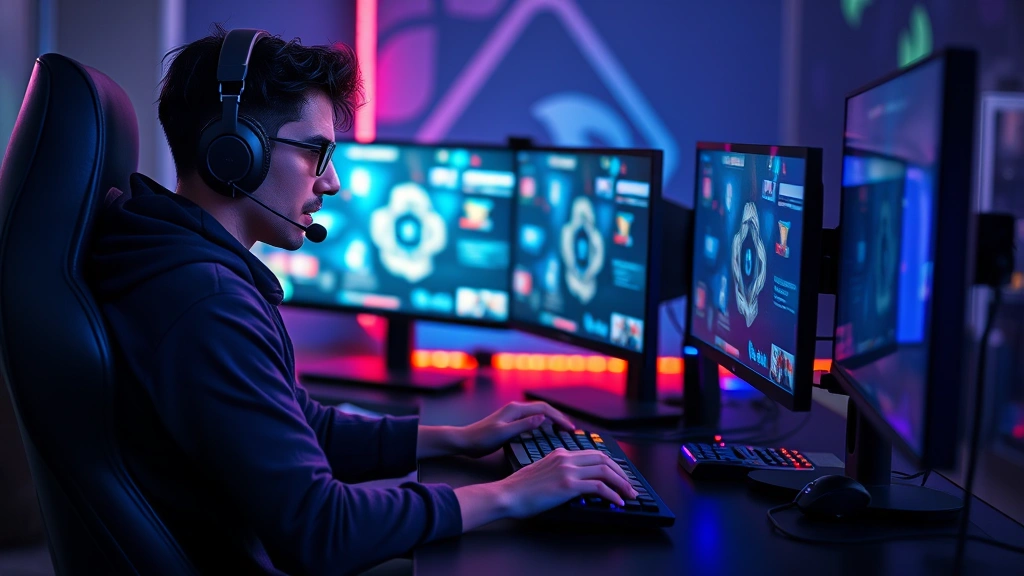
One of the most frustrating gamer struggles involves performance problems that disrupt gameplay. Frame rate drops, stuttering, input lag, and network latency can turn an enjoyable experience into a nightmare, especially in competitive environments where milliseconds matter.
FPS Drops and Stuttering: Low frame rates plague both console and PC gamers. If you’re experiencing performance issues, start by checking your graphics settings. Reducing resolution, lowering texture quality, and disabling ray tracing can dramatically improve performance. Many gamers don’t realize that hitting 60 FPS consistently matters more than chasing 144 FPS with inconsistent frame delivery.
Update your graphics drivers regularly—manufacturers like NVIDIA and AMD release optimization patches monthly. These updates specifically target popular games and can provide 5-15% performance improvements without any hardware changes. Check the gaming PC build guide for comprehensive hardware recommendations.
Network and Connectivity Problems: Lag during online matches represents another major struggle. Your connection quality matters more than raw speed. A stable 50 Mbps connection beats an unstable 200 Mbps connection every time. Use wired ethernet connections instead of WiFi whenever possible—this single change eliminates approximately 90% of connectivity issues.
Check your router placement, reduce interference from other devices, and consider upgrading to WiFi 6 (802.11ax) if wireless is necessary. Tools like Speedtest help diagnose connection problems. Monitor your ping constantly—anything under 50ms provides competitive advantage, while above 100ms becomes noticeably problematic.
Storage and Loading Times: Slow loading screens create frustrating delays. Solid State Drives (SSDs) load games 3-5 times faster than traditional hard drives. If you haven’t upgraded to an SSD, this single investment solves numerous performance frustrations immediately. NVMe M.2 drives offer even faster speeds for next-generation consoles and high-end PCs.
Hardware Limitations and Upgrades
Many gamers struggle with aging hardware that no longer meets modern game requirements. Graphics cards, processors, and RAM all impact gaming performance, and understanding upgrade priorities saves money while maximizing improvements.
GPU Bottlenecking: Your graphics card does the heavy lifting for gaming performance. If you’re playing at 1440p or 4K resolution, investing in a modern GPU like NVIDIA’s RTX 40-series or AMD’s RDNA 3 architecture provides the most noticeable performance jump. Budget-conscious gamers should prioritize GPU upgrades over everything else.
CPU Considerations: Modern games increasingly utilize multiple CPU cores. If you’re running a processor older than 5 years, upgrading to current-generation chips (Intel 13th-gen or AMD Ryzen 7000-series) eliminates CPU bottlenecks. However, for many gamers, the GPU upgrade delivers more noticeable improvements first.
RAM and Storage: 16GB of RAM is now the minimum for smooth gaming; 32GB provides future-proofing. Fast NVMe SSDs eliminate storage-related performance struggles. Check the comprehensive gaming PC build guide for specific component recommendations matching your budget.
Before purchasing new hardware, benchmark your current system using tools like 3DMark to identify actual bottlenecks. Sometimes a simple driver update or settings adjustment solves problems without expensive upgrades.
Physical Health and Ergonomics
Extended gaming sessions create serious physical health challenges that many gamers overlook. Wrist pain, neck strain, back problems, and eye fatigue represent genuine struggles affecting long-term gaming ability and overall health.
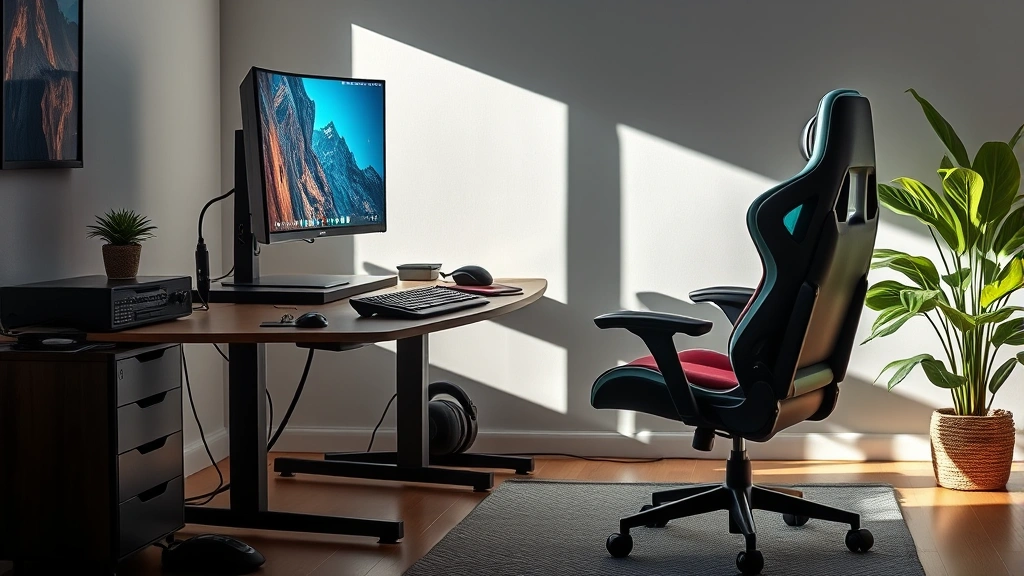
Proper Posture and Setup: Your chair, desk height, and monitor position dramatically impact physical comfort during long sessions. Your monitor should sit at eye level approximately 24-30 inches away. Elbows should rest at 90-degree angles on your desk. Feet should touch the floor completely. A quality gaming chair with proper lumbar support prevents chronic back pain that could sideline you permanently.
Wrist and Hand Health: Repetitive strain injuries (RSI) like carpal tunnel syndrome plague competitive gamers. Use ergonomic mice and keyboards designed for gaming. Take 5-minute breaks every 30 minutes to stretch your hands, wrists, and fingers. Wrist supports and gaming gloves provide additional protection during intense sessions. Professional esports athletes dedicate significant time to hand conditioning and stretching routines.
Eye Health: Screen time causes digital eye strain, leading to dry eyes, headaches, and blurred vision. Follow the 20-20-20 rule: every 20 minutes, look at something 20 feet away for 20 seconds. Use blue light filtering glasses or enable blue light reduction on your display. Maintain proper lighting to reduce glare and screen reflections.
Sleep and Rest: Gaming late into the night disrupts sleep patterns, reducing cognitive function and reaction times. Most professional gamers maintain strict sleep schedules, understanding that rest directly impacts performance. Your brain needs 7-9 hours of quality sleep for optimal gaming ability.
Mental Fatigue and Gaming Burnout
Many dedicated gamers experience burnout—losing passion for games they once loved. This psychological struggle affects casual and professional players alike, requiring intentional strategies to maintain long-term gaming enjoyment.
Recognizing Burnout Symptoms: Burnout manifests as loss of interest, reduced motivation, frustration with games you previously enjoyed, and difficulty concentrating. These aren’t character flaws—they’re natural responses to excessive gaming without adequate breaks and variety.
Game Variety Solutions: Rotating between different game genres prevents monotony. If you’ve been grinding competitive shooters, try exploring best indie games for PC or best single player games 2025 for fresh experiences. Story-driven games, puzzle games, and relaxing experiences provide mental recovery from intense competitive gaming.
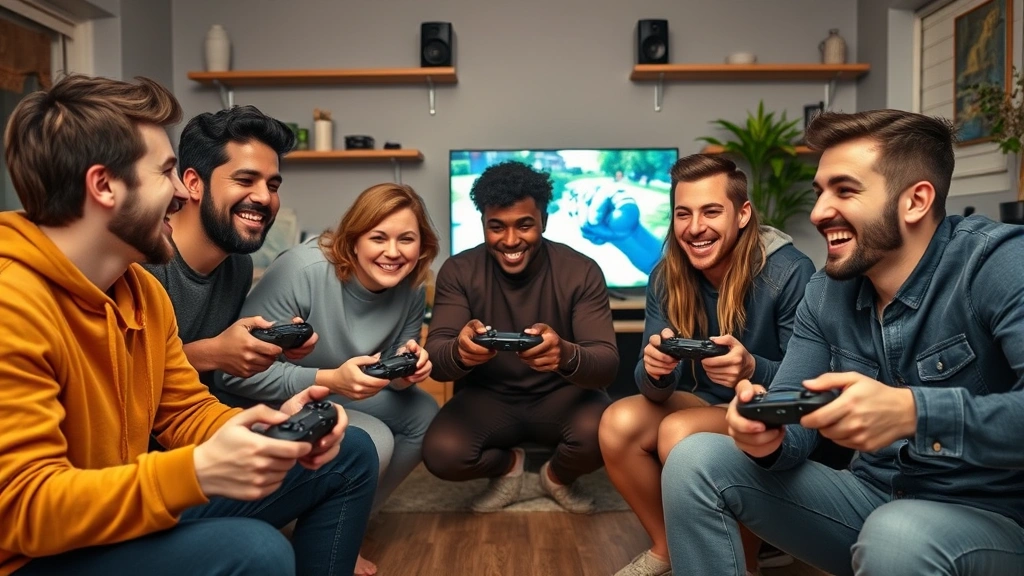
Social Gaming Benefits: Playing with friends revitalizes gaming passion. Best co-op games on Steam offer excellent opportunities for social connection while gaming. Multiplayer experiences create memories and community bonds that extend beyond individual achievement.
Setting Healthy Boundaries: Establish gaming schedules and stick to them religiously. Allocate specific gaming hours rather than playing until exhaustion. Professional gamers often practice 4-6 hours daily with structured breaks, not 12+ hour sessions. This disciplined approach maintains performance while preventing burnout.
Social and Competitive Pressures
Competitive gaming creates unique psychological pressures. Ranked anxiety, toxicity from other players, and pressure to perform at peak levels create significant emotional strain for competitive players.
Managing Ranked Anxiety: Fear of losing rank prevents many players from participating in competitive modes. Remember that rank represents skill level, not personal worth. Losses provide learning opportunities. Professional players embrace losses as feedback mechanisms for improvement. Focus on individual performance rather than win-loss records during learning phases.
Dealing with Toxicity: Online gaming communities sometimes harbor toxic players. Mute all-chat in competitive games, use language filters, and report abusive behavior immediately. Quality communities exist within games—seek guilds, Discord servers, and friend groups that maintain positive environments. Toxic environments damage mental health and should be avoided regardless of competitive benefits.
Performance Pressure: Content creators and aspiring professionals face immense pressure to perform consistently. This creates anxiety affecting actual performance. Remember that every professional player experiences bad days and losing streaks. Perspective helps—games should remain enjoyable despite competitive aspirations.
Game Selection and Decision Paralysis
Modern gaming offers unprecedented choice, yet this abundance creates decision paralysis. Too many options prevent gamers from committing to experiences, creating frustration rather than excitement.
Overcoming Choice Paralysis: Curated recommendation lists help narrow options. Visit the Game Forge Daily Blog for expert recommendations rather than scrolling endless storefronts. Read focused reviews targeting your preferences. Commit to completing games before jumping to the next title—finishing one game proves more satisfying than starting ten.
Genre Exploration: Systematically exploring different genres prevents boredom. If you typically play competitive shooters, dedicate a week to story-driven adventures or puzzle games. This intentional variety maintains engagement while preventing genre fatigue.
Trial and Error Approach: Use free-to-play versions and trial periods before committing to purchases. Many modern games offer substantial free content or limited-time trials. This reduces financial risk while helping identify genuine interests.
Time Management for Gamers
Balancing gaming with work, education, relationships, and other responsibilities represents a major struggle for many gamers. Time management strategies enable sustainable gaming without neglecting life responsibilities.
Scheduling Gaming Time: Treat gaming like any important activity—schedule it. Allocate specific hours for gaming rather than playing whenever possible. This creates anticipation, improves focus during gaming sessions, and ensures other responsibilities receive adequate attention.
Maximizing Gaming Efficiency: If limited time is available, prioritize meaningful gaming experiences. Single-player campaigns provide complete stories in finite timeframes. Competitive games demand extended commitment but offer unlimited progression. Match game choices to available time.
Content Creation Integration: If interested in creating gaming content, understand that how to record gameplay on PC efficiently saves significant time. Proper recording techniques, editing workflows, and platform optimization streamline content creation without consuming excessive additional hours.
Seasonal Gaming: Adapt gaming to life seasons. During busy work or school periods, maintain lighter gaming commitments. During slower seasons, engage more deeply with demanding games. This flexibility prevents guilt while maintaining gaming passion throughout life changes.
FAQ
What’s the most common gamer struggle?
Performance issues rank as the most universal struggle. Frame rate problems, lag, and technical issues affect both casual and professional gamers. Fortunately, driver updates, settings optimization, and strategic hardware upgrades solve most performance issues relatively affordably.
How can I prevent gaming-related wrist pain?
Invest in ergonomic peripherals designed for gaming, maintain proper posture with wrists neutral, take regular stretching breaks every 30 minutes, and consider wrist supports during intense gaming sessions. If pain persists, consult a healthcare professional to rule out repetitive strain injuries.
Is gaming burnout permanent?
No—gaming burnout is temporary and reversible. Taking breaks, exploring different game genres, playing with friends, and establishing healthy gaming boundaries revitalize passion. Many professional gamers experience and overcome burnout multiple times throughout their careers.
How many hours should I game daily?
This varies individually, but 4-6 hours represents a sustainable level for most people. Professional gamers typically practice 4-6 hours daily with structured breaks. Casual gamers should prioritize quality over quantity—a focused 2-hour session provides more enjoyment than 8 hours of distracted play.
What’s the best way to improve competitively?
Focus on deliberate practice rather than casual play. Record and review your gameplay, identify specific weaknesses, practice those skills intentionally, and seek feedback from better players. Most improvement comes from focused 1-2 hour sessions rather than extended casual play.
Should I upgrade my GPU or CPU first?
Prioritize GPU upgrades first for most gamers. Graphics cards have the most noticeable impact on gaming performance. CPU upgrades matter for competitive multiplayer games demanding high frame rates, but GPU improvements benefit the widest range of games and resolutions.