
The Hunger Games franchise has captivated millions of readers and viewers worldwide, presenting a dystopian world filled with complex characters and intense survival narratives. Among the most memorable tributes is Clove, a fierce Career tribute from District 2 whose role in the series extends far beyond what many casual fans realize. Her character arc, combat abilities, and psychological depth make her one of the most fascinating antagonists in the entire saga. Whether you’re exploring the latest gaming narratives or diving deep into fictional universes, understanding Clove’s significance reveals how The Hunger Games crafted compelling villains who challenge our moral perspectives.
Clove represents everything the Capitol trains its Career tributes to become: ruthless, skilled, and utterly devoted to the Games’ brutal spectacle. Her presence in the arena creates genuine tension and danger, serving as a constant reminder that survival in Panem’s most dangerous competition requires more than luck—it demands strategic thinking, combat mastery, and psychological fortitude. This expert analysis explores Clove’s multifaceted role across the books and films, examining her development, her relationships with other characters, and her ultimate significance to the Hunger Games narrative.
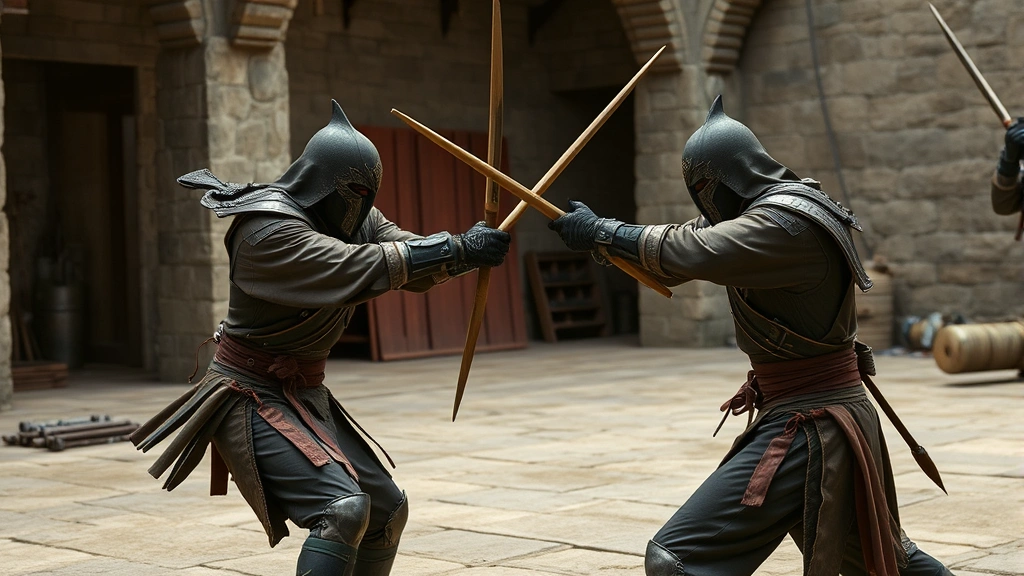
Who Is Clove in The Hunger Games
Clove Kentwell serves as the female tribute from District 2 during the 74th Hunger Games, representing one of the Career districts that actively trains children for competition in the arena. At just seventeen years old, she arrives at the Games with years of preparation, combat experience, and psychological conditioning that sets her apart from most tributes. Born and raised in a society that glorifies violence and conquest, Clove embodies the Capitol’s vision of a perfect tribute: disciplined, lethal, and utterly committed to victory.
Her introduction in the books immediately establishes her as a formidable threat. Unlike some tributes who view the Games as an unfortunate circumstance, Clove actually wants to be there. She volunteered for the honor, understanding that her training in District 2 has prepared her for this moment. This fundamental difference in perspective—viewing the Games as an opportunity rather than a death sentence—fundamentally shapes her approach to survival and combat throughout the competition.
The distinction between Career tributes and regular tributes cannot be overstated when analyzing Clove’s role. While tributes from districts like District 12 enter the arena with minimal preparation, Career tributes like Clove have spent years developing their skills. This advantage isn’t merely physical; it’s psychological and strategic. Clove enters the arena with confidence, allies, and a clear plan for domination. Her role as a Career tribute makes her instantly dangerous and immediately positions her as one of the primary obstacles standing between Katniss and victory.

Career Training and Combat Abilities
Clove’s combat prowess stems directly from her upbringing in District 2, one of the Capitol’s favored districts specifically known for producing elite warriors. From childhood, she underwent rigorous training in multiple combat disciplines, weapons handling, and survival techniques. Her primary weapon of choice is knives—throwing knives, hunting knives, and close-combat blades that she wields with exceptional precision and deadly accuracy.
What makes Clove particularly dangerous isn’t just her technical skill with weapons, but her tactical understanding of combat. She doesn’t simply throw knives randomly; she calculates angles, distances, and trajectories with the precision of someone who has practiced thousands of times. During the Games, she demonstrates an almost supernatural ability to locate tributes and strike with devastating accuracy. Her knife work becomes her signature throughout the competition, earning her a fearsome reputation among the remaining tributes.
Beyond blade work, Clove possesses exceptional hand-to-hand combat training. She’s trained in wrestling, grappling, and close-quarters fighting—skills that prove invaluable in direct confrontations. Her physical conditioning allows her to run, climb, and pursue prey across varied terrain without fatigue affecting her performance. This comprehensive combat training represents years of dedicated preparation, creating a tribute whose abilities far exceed those of untrained tributes entering the arena for the first time.
The strategic elements of competition that make games compelling apply directly to Clove’s approach. She understands positioning, resource control, and how to use environmental advantages to dominate her opponents. Her training isn’t merely about physical prowess; it’s about developing a warrior’s mindset where every decision serves the ultimate goal of survival and victory.
Clove’s Psychological Profile
Understanding Clove requires looking beyond her combat abilities to examine her psychological makeup. She represents a disturbing product of the Capitol’s system—a young person whose worldview has been shaped entirely by a society that celebrates violence, views human suffering as entertainment, and trains children to become killers. This psychological conditioning is perhaps her most defining characteristic.
Clove exhibits traits consistent with someone who has been indoctrinated from birth to view the Games not as a horrific death match, but as a legitimate sporting competition. She feels no moral qualms about killing other tributes; in her mind, they’re competitors to be eliminated, nothing more. This psychological distance from the moral weight of taking lives represents one of the most troubling aspects of her character—she’s not evil in a traditional sense, but rather a product of a system designed to create such individuals.
Her confidence borders on arrogance, stemming from her training and the certainty that she’s better prepared than most tributes. This overconfidence occasionally clouds her judgment, leading her to take risks that a more cautious tribute might avoid. She underestimates opponents, particularly those from non-Career districts, assuming that years of training make her inherently superior. This psychological blind spot becomes significant to her ultimate fate in the arena.
Clove demonstrates intelligence and strategic thinking throughout the Games. She communicates effectively with her alliance partners, adapts to changing circumstances, and makes calculated decisions about resource allocation and tribute pursuit. Her psychology isn’t that of a mindless killer, but rather a highly trained competitor operating within a framework where killing is not merely acceptable but celebrated and rewarded.
Her Relationship with Cato
The dynamic between Clove and Cato, the male tribute from District 2, forms a crucial element of the Career alliance strategy. As fellow tributes from the same district, they share a common background, similar training, and mutual understanding that makes them natural allies. Their relationship extends beyond simple partnership; they function as a cohesive unit within the larger alliance, with clear roles and responsibilities.
Cato and Clove demonstrate genuine tactical coordination throughout the Games. They hunt together, share information, and support each other in combat situations. However, their relationship isn’t romantic in the traditional sense—it’s built on respect, shared values, and the practical understanding that working together increases their chances of survival. Both understand that ultimately, only one tribute can win, meaning their alliance has an expiration date.
Clove appears to view Cato as an equal, not a subordinate or romantic interest. She holds her own in their interactions, makes independent decisions, and contributes equally to their alliance’s strategic planning. This equality is notable given the patriarchal nature of many dystopian narratives; Clove refuses to be sidelined or treated as secondary despite being in a partnership with a male tribute.
The breakdown of their alliance—which must eventually occur for one tribute to emerge victorious—represents a critical moment in the Games’ narrative. Whether through death or strategic necessity, Clove and Cato’s partnership cannot survive to the end. This inevitable conflict between allies mirrors the larger theme of the Games: that survival requires the ultimate betrayal of those closest to you.
The Bloodbath Strategy
The Bloodbath—the initial chaotic scramble for supplies at the Cornucopia immediately after tributes enter the arena—represents the Career tributes’ primary strategic advantage. Clove, as part of the Career alliance, plays a vital role in this opening gambit. The strategy is straightforward: use superior training and numbers to dominate the early moments of the Games, eliminate as many tributes as possible before they can scatter, and secure critical supplies.
Clove’s role in the Bloodbath showcases her combat abilities immediately. She moves with purpose and precision, her knives finding targets with lethal efficiency. The Bloodbath isn’t a battle of strategy or cunning; it’s raw combat prowess, and Clove excels in this environment. She’s trained specifically for this type of engagement, where speed, accuracy, and ruthlessness determine survival.
The Bloodbath serves multiple purposes beyond the immediate tactical advantage. It establishes Career dominance in the minds of viewers watching the Games, creating an intimidation factor that persists throughout the competition. Tributes who witness Clove’s performance during these opening moments understand they’re facing a genuine threat. This psychological advantage—the fear factor—becomes as important as her actual combat abilities.
However, the Bloodbath also represents a vulnerability. The chaos and blood create sensory overload, making tributes harder to track. Some tributes escape into the wilderness, establishing themselves in locations where the Careers must hunt them down. The initial victory of the Bloodbath doesn’t guarantee final victory; it merely establishes an advantageous position from which Clove and her allies must continue their hunt.
Tracking and Hunting Techniques
After the initial Bloodbath, Clove transitions from direct combat to tracking and hunting. These skills prove equally important to her success in the arena. She demonstrates exceptional ability to read signs—broken branches, disturbed earth, blood trails—that indicate tribute movement. Her training in District 2 includes wilderness survival and hunting skills that complement her combat abilities.
Clove works with her alliance to systematically hunt remaining tributes, using coordinated strategies to corner and eliminate prey. She’s patient when necessary but aggressive when opportunities present themselves. Her hunting style reflects her training: calculated, methodical, and ultimately devastating. She doesn’t waste energy on unnecessary pursuits; she makes tactical decisions about which tributes to prioritize based on threat assessment and resource availability.
Her knowledge of strategic positioning in competitive scenarios extends to environmental awareness. She understands how terrain affects combat, where tributes might seek shelter, and how to use natural advantages. This comprehensive hunting skillset makes her a relentless pursuer who systematically eliminates threats to her victory.
The hunting phase of the Games represents a transition from the structured brutality of the Bloodbath to the prolonged psychological warfare of extended pursuit. Clove adapts to this transition seamlessly, understanding that hunting requires patience, cunning, and the ability to predict tribute behavior based on knowledge of human psychology and desperation.
The Cornucopia Conflict
The Cornucopia—the golden horn filled with supplies positioned at the center of the arena—becomes a focal point of conflict throughout the Games. The Career alliance controls the Cornucopia, using it as both a resource repository and a strategic stronghold. Clove participates in defending this position, understanding that controlling the Cornucopia provides both practical advantages and psychological dominance.
Throughout the Games, various tributes attempt to infiltrate or raid the Cornucopia, seeking supplies they desperately need. Clove and her allies engage in repeated confrontations at this location, defending their advantage against desperate tributes willing to risk direct combat for critical resources. These conflicts showcase Clove’s combat abilities repeatedly, as she defends the Cornucopia against multiple threats.
The Cornucopia represents more than just supplies; it symbolizes Career dominance and the structural inequality built into the Games. Tributes with training and preparation control resources, while untrained tributes must survive without them. Clove’s role in maintaining this advantage reinforces the systemic unfairness that makes the Games so brutal. She’s not just fighting individuals; she’s defending a system that advantages her and disadvantages others.
Gamemakers occasionally use the Cornucopia strategically, creating events or conditions that force tributes toward it. These manufactured conflicts serve the entertainment value of the Games, ensuring dramatic confrontations and bloodshed. Clove must adapt to these Gamemaker interventions, understanding that the arena itself becomes an opponent alongside the other tributes.
Clove’s Death and Its Significance
Clove’s death in the Games represents a turning point in the narrative, marking the moment when the Career dominance begins to crack. Her death comes not from another Career tribute or a trained fighter, but from Katniss and Rue’s coordinated attack. This symbolic defeat of a superior, trained fighter by an untrained girl from District 12 carries enormous significance for the Games’ narrative.
The manner of her death—sudden and unexpected—demonstrates that training and preparation, while valuable, don’t guarantee survival. Clove’s confidence in her abilities makes her vulnerable to unconventional tactics and surprise attacks. Her assumption that she’s superior leads her to underestimate opponents, creating openings that more cautious tributes would never allow. In this sense, her own psychology contributes to her downfall.
Clove’s death serves as a catalyst for Cato’s subsequent actions and emotional responses. The loss of his ally and fellow District 2 tribute affects him psychologically, demonstrating that even hardened Career tributes experience emotional reactions to significant losses. Her death also shifts the balance of power in the arena, giving Katniss and other remaining tributes increased chances of survival.
In a broader thematic context, Clove’s death represents the Games’ ultimate message: that no one—regardless of training, preparation, or advantage—can truly control their destiny in this brutal arena. The system that created her, trained her, and sent her to compete ultimately claims her life. Her death is both a personal tragedy and a systemic indictment of the Games themselves.
Fan Theories and Interpretations
The Hunger Games fanbase has generated extensive discussion and analysis regarding Clove’s character, with many fans developing theories about her background, motivations, and what her life might have been outside the arena. Some fans theorize that Clove, like many Career tributes, was a victim of her own upbringing—shaped and molded by a system designed to create killers rather than a naturally evil person.
Fan interpretations often emphasize the tragedy of Clove’s character. She’s young, capable, and skilled, yet her entire existence has been predetermined by the Capitol’s system. Some fans argue that under different circumstances, Clove could have been a hero rather than a villain. This interpretation highlights how the Hunger Games system corrupts and destroys potential, regardless of individual character or capability.
Other fans focus on Clove’s relationship with violence and killing, debating whether her lack of moral qualms about murder represents genuine psychopathy or simply the result of thorough indoctrination. This discussion connects to broader questions about how systems shape individuals and whether people can be held morally responsible for behaviors they’ve been trained to perform since childhood.
The competitive dynamics of games and tributes inspire fan fiction exploring Clove’s character beyond her role as an antagonist. Many fan works reimagine her survival, her escape from District 2, or her experiences before the Games. These creative interpretations demonstrate how compelling her character is, inspiring fans to explore possibilities beyond the canonical narrative.
Some fans have created detailed analyses of Clove’s combat techniques, attempting to understand the practical applications of her knife skills and hunting methods. These technical discussions reflect how thoroughly the Hunger Games universe has been developed, allowing for detailed examination of even secondary characters’ capabilities and training.
FAQ
What district is Clove from in The Hunger Games?
Clove is from District 2, one of the Capitol’s favored districts known for producing elite warriors and Career tributes. District 2’s economy centers on masonry and weaponry, and the district has a strong culture of training young people for the Hunger Games competition.
Why was Clove a Career tribute?
Clove volunteered to be a Career tribute because she had been trained her entire life for the Games. In District 2, training for the Hunger Games is a prestigious pursuit, and successful tributes bring honor to their districts. Clove saw the Games as an opportunity to prove her skills and achieve glory.
What were Clove’s main weapons in the Games?
Clove’s primary weapons were knives—particularly throwing knives and hunting knives that she wielded with exceptional accuracy. Her knife skills represented years of training and made her a lethal threat in both close combat and ranged situations.
How did Clove die in The Hunger Games?
Clove was killed by Katniss and Rue in a coordinated surprise attack. Rue distracted her while Katniss struck from behind, demonstrating that unconventional tactics and teamwork could overcome superior individual training and preparation.
Did Clove appear in The Hunger Games films?
Yes, Clove appears in The Hunger Games film (2012), portrayed by actress Isabelle Fuhrman. The film adaptation captures her character as a fierce, skilled Career tribute, though some aspects of her character development from the books are condensed for the film format.
What makes Clove a significant character despite being an antagonist?
Clove represents the systemic corruption of the Hunger Games and the Capitol’s regime. She’s not evil by nature but rather a product of a system designed to create killers. Her character highlights themes about how societies shape individuals and how even antagonists can be tragic figures within oppressive systems. Her strategic role in the competition makes her essential to understanding how the Games function and how the Capitol maintains control.
How does Clove compare to other Career tributes?
Clove stands out among Career tributes for her precision and tactical thinking. While Cato is portrayed as more physically powerful and aggressive, Clove demonstrates superior strategic planning and weapon mastery. Her knife skills are particularly distinctive, setting her apart from other tributes who rely on broader combat training.
What can we learn from Clove’s character?
Clove’s character serves as a cautionary tale about how systems of violence perpetuate themselves by training young people to become killers. Her story encourages reflection on how individuals are shaped by their societies and how breaking cycles of violence requires systemic change, not just individual moral awakening. The narrative complexity of competitive scenarios becomes evident through examining her motivations and background.