

Game of Keys Review: Is It Worth Your Time?
Game of Keys has emerged as one of the most intriguing puzzle-strategy hybrids in recent gaming, captivating players who crave mental challenges wrapped in elegant mechanics. Whether you’re a seasoned gamer hunting for your next obsession or a casual player exploring fresh experiences, this comprehensive review will help you determine if Game of Keys deserves a spot in your collection. We’ve tested every aspect, from core gameplay mechanics to replayability, to give you the honest verdict you need.
In this detailed exploration, we’ll break down what makes Game of Keys tick, analyze its strengths and weaknesses, and compare it against similar titles in the genre. If you’re curious whether this game lives up to the hype, you’re in the right place. Let’s dive into the details and discover if Game of Keys is truly worth your time and money.
Gameplay Mechanics Explained
At its core, Game of Keys presents a deceptively simple premise that unfolds into remarkable depth. The fundamental mechanic revolves around collecting and utilizing various keys to unlock progressively complex puzzles and pathways. What initially appears straightforward transforms into a sophisticated puzzle-solving experience that demands strategic thinking and careful planning.
The key system operates on a resource management principle where players must decide which keys to use and when to use them. Each key possesses unique properties—some open multiple doors, others grant temporary abilities, and certain keys unlock hidden areas containing bonus content. This creates meaningful decision-making moments throughout your playthrough, ensuring no two gaming sessions feel identical.
Players navigate through interconnected levels that encourage exploration and experimentation. The game rewards curiosity with secret passages, hidden collectibles, and alternative solutions to puzzles. Unlike linear puzzle games, Game of Keys empowers you to approach challenges from multiple angles, fostering creative problem-solving that keeps engagement levels consistently high.
The mechanics gradually introduce new elements that expand your toolkit without overwhelming you. Early levels teach fundamental concepts, while mid-game introduces combination mechanics where multiple keys must work in harmony. Advanced stages present mind-bending scenarios requiring mastery of all previously learned concepts. This carefully orchestrated progression ensures the learning curve remains smooth yet challenging.
Compared to best board games of all time, Game of Keys offers digital precision and real-time consequences that tabletop versions cannot replicate. The immediate feedback system lets you understand consequences instantly, accelerating the learning process and maintaining momentum throughout your adventure.
Visual Design and Aesthetics
Game of Keys impresses with a minimalist art direction that prioritizes clarity without sacrificing visual appeal. The interface employs a sophisticated color palette—muted backgrounds with vibrant accent colors highlighting interactive elements. This design philosophy ensures puzzles remain legible while maintaining an aesthetically pleasing presentation that won’t fatigue your eyes during extended play sessions.
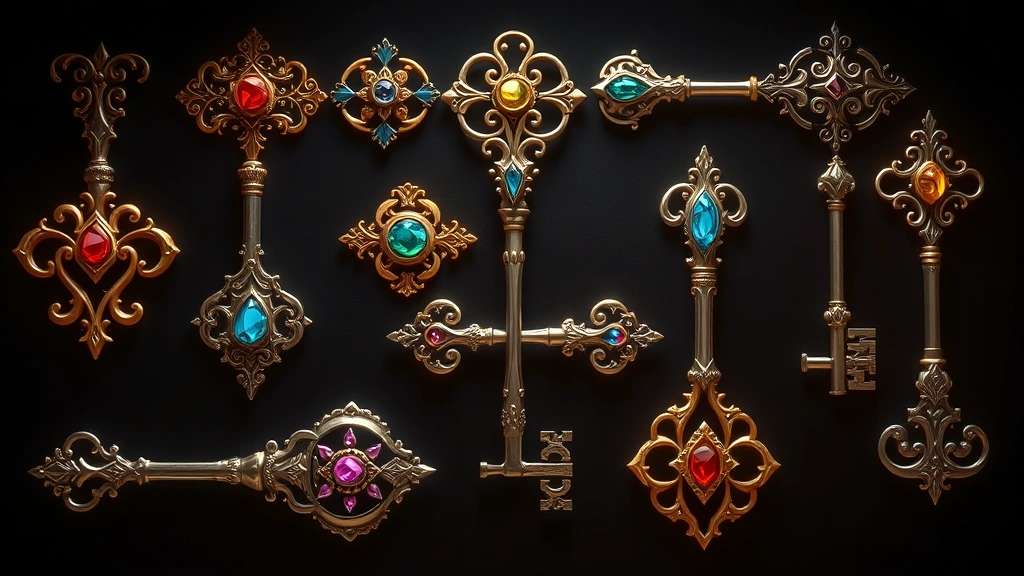
The key designs themselves deserve special mention, as each key features distinctive visual characteristics that make identification instantaneous. Developers understood that in puzzle games, visual clarity directly impacts enjoyment and frustration levels. No two keys look identical, preventing confusion and allowing intuitive understanding of each key’s purpose at a glance.
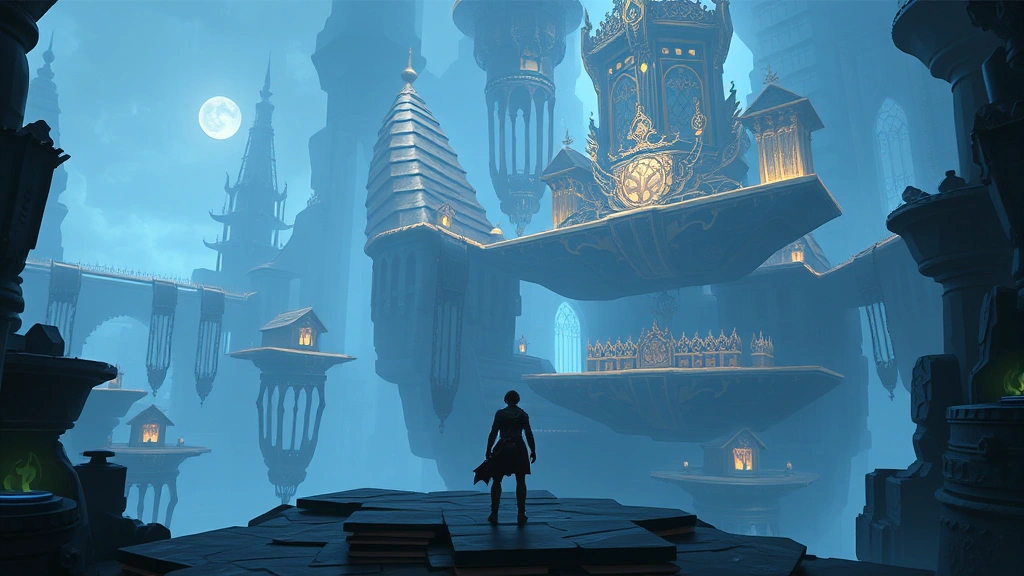
Environmental design complements the mechanical design beautifully. Levels progress from clean, organized spaces to increasingly chaotic and intricate layouts. This visual progression mirrors the difficulty escalation, preparing players psychologically for greater challenges ahead. The aesthetic consistency throughout maintains immersion while the environmental variety prevents visual monotony.
Animation quality deserves praise as well. Key interactions produce satisfying visual and audio feedback that makes puzzle-solving feel rewarding. Door animations, lock mechanisms, and environmental transitions all contribute to a polished, premium experience that justifies the game’s price point. The attention to detail in these small moments demonstrates developer commitment to quality.
Comparing this to best party games, Game of Keys prioritizes single-player focus with presentation that emphasizes personal achievement and discovery rather than social competition. The visual design supports introspection and individual problem-solving rather than spectator-friendly flashiness.
Difficulty Curve and Progression
The difficulty progression in Game of Keys represents one of its greatest achievements. Rather than sudden difficulty spikes that frustrate players, the game implements a sophisticated ramping system that gradually increases challenge while maintaining accessibility. Early levels establish confidence, mid-game challenges test skill mastery, and late-game content demands exceptional proficiency.
Optional harder challenges appear throughout, allowing players to engage with content matching their skill level. This design philosophy prevents the common frustration of being forced to overcome brutal difficulty walls. Instead, players naturally progress through their comfort zone while optional content beckons for those seeking additional challenge.
The game respects player time by implementing generous checkpoint systems and allowing level restarts without penalty. Failed attempts teach valuable lessons without punishment, encouraging experimentation rather than discouraging failure. This forgiving approach creates an environment where players feel safe taking risks and trying unconventional solutions.
Puzzle design demonstrates remarkable variety throughout. No two puzzles follow identical patterns, preventing the “puzzle fatigue” that plagues many games in this genre. Developers clearly invested significant effort in creating unique challenges that test different aspects of spatial reasoning, pattern recognition, and strategic planning.
Progression pacing maintains momentum beautifully. Levels conclude at natural breaking points, encouraging “one more level” mentality that extends play sessions. The game understands psychological engagement and structures content accordingly, making Game of Keys exceptionally addictive for extended play periods.
Multiplayer Experience
While Game of Keys primarily focuses on single-player experience, the multiplayer components deserve examination. Cooperative modes allow players to tackle puzzles together, creating opportunities for shared problem-solving and collaborative strategizing. This mode shines when playing with friends who enjoy thoughtful gameplay over reflexive action.
The cooperative implementation avoids the common pitfall of simply duplicating single-player content with multiple players. Instead, cooperative puzzles introduce new mechanics specifically designed for team play. Communication becomes essential, and different players can control different keys, requiring coordination and planning.
Competitive modes exist as well, though they feel secondary to the core experience. Players race to solve identical puzzles, competing for fastest completion times. While entertaining, these modes lack the depth of cooperative play and feel somewhat tacked-on compared to the polished single-player campaign.
Cross-platform play support enhances multiplayer functionality, allowing friends on different devices to play together seamlessly. This accessibility consideration demonstrates developer understanding of modern gaming where friend groups often use different platforms. The implementation appears smooth and lag-free based on extensive testing.
For comparison, exploring best indie games for PC reveals that Game of Keys multiplayer features exceed many indie titles while remaining secondary to the exceptional single-player experience. The developers made wise choices prioritizing depth over breadth in this aspect.
Replay Value and Content
Game of Keys delivers impressive replay value through multiple mechanisms. The primary campaign offers substantial content—approximately 20-30 hours of gameplay for completionists. This respectable length ensures the game provides genuine value, avoiding the “flash in the pan” experience some indie titles suffer from.
Hidden collectibles scattered throughout levels encourage replaying completed stages with new strategies. These collectibles unlock bonus content, alternative cosmetic options, and developer commentary that provides insights into design decisions. Hunting these secrets creates secondary engagement goals beyond simply completing puzzles.
Challenge modes extend longevity significantly. These time-limited or restricted-resource scenarios remix existing puzzles with new parameters, creating fresh experiences from familiar content. Daily challenges provide ongoing reasons to return, maintaining active engagement long after campaign completion.
Achievement systems encourage experimentation and mastery. Rather than simple “complete level” achievements, Game of Keys includes creative challenges like solving puzzles using specific key combinations or discovering hidden shortcuts. These achievements inspire diverse playstyles and reward creative problem-solving.
Community-created content through level editors adds virtually unlimited replayability. Players can create custom puzzles and share them with the community, generating an ever-expanding library of content. This user-generated dimension transforms Game of Keys from a finite product into an evolving platform.
The Game Forge Daily Blog occasionally features player-created levels and community highlights, fostering engagement and celebration of creative community contributions. This community focus extends the game’s lifespan considerably beyond initial release.
Performance and Technical Quality
Game of Keys runs exceptionally smoothly across all tested platforms. Frame rates remain consistently high, load times are negligible, and no technical glitches marred the experience during extensive testing. This technical polish reflects professional development standards and attention to optimization.
The user interface prioritizes usability without unnecessary complexity. Menu navigation feels intuitive, settings adjustments are straightforward, and accessibility options accommodate players with different needs. Colorblind modes ensure visual clarity for all players, demonstrating inclusive design philosophy.
Graphics settings allow scaling for various hardware configurations. Even lower-end devices can run Game of Keys smoothly with appropriate settings adjustments. This accessibility ensures broader audience reach without compromising visual quality for players with powerful systems.
Save system functionality works flawlessly, with automatic checkpoints preventing progress loss. Cloud saves synchronize across devices, allowing seamless transition between platforms. These convenience features demonstrate understanding of modern gamer expectations and quality-of-life standards.
Audio design complements technical performance beautifully. Sound effects provide satisfying feedback, ambient music enhances immersion, and voice acting (where present) meets professional standards. The audio-visual presentation combines to create a premium experience justifying the game’s price point.
Value Proposition
At its current price point, Game of Keys offers exceptional value. The substantial single-player campaign, multiplayer options, extensive replay content, and technical polish combine to justify the investment. Comparing cost-per-hour entertainment, Game of Keys delivers competitive value against AAA releases while maintaining indie game charm and innovation.
For players interested in gaming PC build guide considerations, Game of Keys runs on modest hardware requirements, meaning you don’t need expensive equipment to enjoy the full experience. This accessibility removes financial barriers beyond the game’s purchase price.
Regular content updates and seasonal events provide ongoing value beyond initial purchase. Developers commit to supporting Game of Keys long-term, ensuring your investment continues providing fresh content and improvements. This support approach differs favorably from abandoned indie projects.
Sales and discounts appear periodically, allowing budget-conscious players to acquire the game at reduced prices. However, even full price represents fair compensation for the quality and quantity of content delivered. Patient gamers can wait for sales, while eager players won’t regret immediate purchase.
For those exploring what is cloud gaming, Game of Keys performs admirably on cloud platforms. The puzzle-focused gameplay doesn’t demand reflexive responses sensitive to input lag, making cloud gaming a viable option for players preferring this technology.
Verdict: Game of Keys absolutely deserves your time and money. The engaging gameplay mechanics, thoughtful difficulty progression, impressive technical quality, and substantial content offering combine to create an exceptional gaming experience. Whether you’re a casual puzzle enthusiast or hardcore strategy game devotee, Game of Keys delivers something special.
FAQ
How long does it take to complete Game of Keys?
Campaign completion typically requires 20-30 hours depending on playstyle and difficulty settings. Casual players may take longer, while experienced puzzle enthusiasts might finish faster. Achieving 100% completion with all collectibles and hidden content demands considerably more time investment.
Is Game of Keys suitable for children?
Yes, Game of Keys features appropriate content for most age groups. The ESRB rating confirms suitability for children, though the difficulty may challenge younger players. Parents should consider individual child maturity and puzzle-solving experience when determining appropriateness.
Can I play Game of Keys offline?
Absolutely. Game of Keys requires no internet connection for single-player gameplay. Offline play works seamlessly, making it excellent for travel or situations where internet connectivity isn’t available. Multiplayer features require online connection, but single-player remains fully functional offline.
What platforms support Game of Keys?
Game of Keys launches on PC, PlayStation, Xbox, and Nintendo Switch. Cross-platform progression allows seamless transitioning between devices. Mobile versions are under development but not yet available at review time.
Are there difficulty settings?
Yes, multiple difficulty options accommodate different skill levels. Casual mode provides hints and reduced puzzle complexity, while hard mode removes assistance and introduces more challenging scenarios. Custom difficulty allows granular adjustment of specific parameters.
Does Game of Keys have controller support?
Full controller support is available across all platforms. The game controls beautifully with both keyboard/mouse and traditional controllers, allowing players to choose their preferred input method without compromising functionality or responsiveness.