
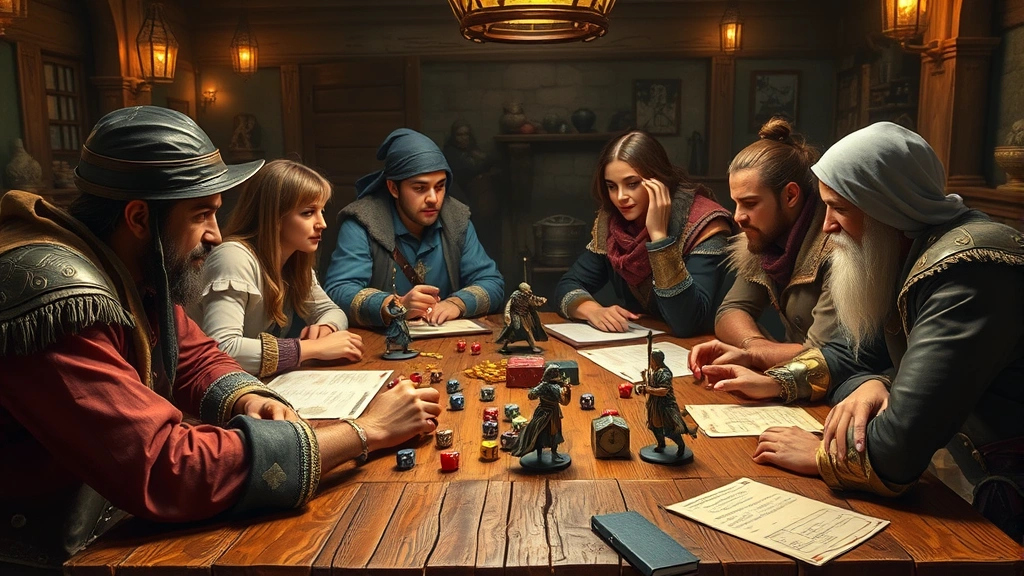
Pathfinder Tips: Master Your First Campaign!
Welcome to the exciting world of the Pathfinder Roleplaying Game! Whether you’re a seasoned tabletop enthusiast or picking up your first character sheet, embarking on your inaugural campaign can feel both exhilarating and overwhelming. The beauty of Pathfinder lies in its incredible depth, rich storytelling opportunities, and the collaborative magic that happens when a group of adventurers gathers around a table. This comprehensive guide will equip you with essential strategies, practical wisdom, and insider tips to help you navigate your first campaign with confidence and create unforgettable memories with your fellow players.
Starting your Pathfinder journey is about more than just understanding mechanics—it’s about embracing the spirit of adventure, learning to work with your group, and discovering what makes tabletop RPGs such a uniquely engaging form of entertainment. From character creation to understanding the intricate ruleset, we’ll walk you through everything you need to know to become a formidable adventurer and contribute meaningfully to your party’s success.
Character Creation Fundamentals
Creating your first Pathfinder character is an exciting opportunity to bring a unique personality to life. The character creation process in the Pathfinder Roleplaying Game involves several crucial decisions that will define your gameplay experience. Start by choosing your race—whether you opt for a classic human, an elven archer, a dwarven warrior, or something more exotic—your racial choice provides important mechanical bonuses and flavor that shape your character’s identity.
Next comes class selection, arguably the most impactful decision you’ll make. Are you drawn to the straightforward power of a fighter, the mystical versatility of a wizard, the divine magic of a cleric, or the cunning of a rogue? Each class offers distinct playstyles and responsibilities within the party. Beginners often find success with straightforward classes like fighters or clerics, which have clear mechanics and don’t require extensive optimization to be effective.
Ability scores form the numerical backbone of your character. You’ll assign numbers to Strength, Dexterity, Constitution, Intelligence, Wisdom, and Charisma. Understanding how these scores interact with your class is crucial—a wizard prioritizes Intelligence, while a barbarian thrives with high Strength and Constitution. Don’t neglect Constitution; every character benefits from additional hit points, which keep you alive during dangerous encounters.
Skills represent what your character can do beyond combat. Choose skills that align with your character concept and complement your party’s needs. If nobody else in your group has taken Perception, consider picking it up—this skill proves invaluable for detecting ambushes and hidden dangers. Similarly, having someone with solid Stealth and Disable Device skills opens up alternative solutions to problems.
Your feat selection determines special abilities and combat techniques. First-level characters receive one feat, and additional feats arrive at specific intervals. Research feats that synergize with your class and build concept. Combat Expertise, Weapon Finesse, and Power Attack are popular choices that provide mechanical benefits, while feats like Alertness or Skill Focus can specialize your character further.
Understanding Core Game Mechanics
The d20 system forms the foundation of Pathfinder’s mechanics. When your character attempts something with an uncertain outcome, you roll a twenty-sided die and add relevant modifiers. This elegant system creates tension and unpredictability—even powerful characters can fail, and determined underdogs can achieve miraculous victories. Understanding how modifiers stack, how advantage and disadvantage work, and when to invoke particular rules prevents confusion during gameplay.
Combat rounds represent six-second intervals where everyone acts in initiative order. On your turn, you typically receive one standard action, one move action, and one swift action (or free actions). Managing these actions efficiently separates experienced players from novices. Should you move closer to an enemy or cast a spell? Would a full attack be better than a tactical retreat? These decisions happen constantly during combat encounters.
Attack rolls determine whether your weapons or spells hit their targets. You roll a d20, add your attack bonus (derived from your base attack bonus plus ability modifiers), and compare the result to the target’s Armor Class. Rolling a natural 20 guarantees a hit and triggers a critical hit confirmation roll, while rolling a natural 1 automatically misses. Understanding attack mechanics prevents embarrassing misunderstandings during crucial moments.
Saving throws represent your character’s ability to resist harmful effects like poison, magical spells, or dragon breath. Three types of saves exist: Fortitude (physical resilience), Reflex (agility and quick reactions), and Will (mental fortitude). Your class and ability scores determine your save bonuses. A high Constitution helps your Fortitude save, while Dexterity boosts Reflex saves and Wisdom strengthens Will saves.
Spell mechanics differ significantly from weapon attacks. Most spells require an attack roll (touch attacks and ranged touch attacks) or a saving throw from the target. Understanding spell ranges, durations, and components prevents casting errors. Concentration checks become critical when you’re casting while threatened by enemies, and understanding when you provoke attacks of opportunity keeps you alive during tactical encounters.
Building Strong Party Dynamics
Your character doesn’t exist in isolation—you’re part of a collaborative team with specific roles and responsibilities. The classic party composition includes a tank (fighter, paladin), damage dealer (rogue, barbarian), spellcaster (wizard, sorcerer), and healer (cleric, druid). If your party is missing a crucial role, consider how your character can fill that gap. However, don’t feel obligated to play something you won’t enjoy; creative players find ways to make any character combination work effectively.
Communication with your fellow players prevents conflicts and ensures everyone has fun. If you’re building a character concept, discuss it with your group beforehand. Are you creating a charismatic bard who’ll attract trouble through social interaction, or a quiet ranger who prefers stealth? Knowing your party’s composition helps you make complementary choices and avoid stepping on toes.
Supporting your allies during combat enhances party effectiveness. Even damage-focused characters should occasionally use actions to heal allies, provide tactical information, or set up other players for success. Flanking rules reward coordinated attacks—if you and an ally attack the same enemy from opposite sides, you both gain +2 bonuses to attack rolls. Positioning matters tremendously in Pathfinder combat.
Out-of-combat cooperation proves equally important. Successful adventuring parties develop chemistry through shared experiences. When another character faces a moral dilemma, your character’s response helps create memorable roleplay moments. When someone’s character is captured, the rescue mission becomes a campaign highlight. Investing in your party’s story creates bonds that extend beyond the game table.
Consider exploring our guide on best co-op games to understand how cooperative gameplay mechanics enhance entertainment value—principles that apply equally to Pathfinder’s collaborative nature.
Combat Strategy and Tactics
Combat encounters represent the most mechanics-heavy aspect of Pathfinder, but mastering tactical thinking transforms you into a valuable party member. Position yourself strategically on the battlefield. Ranged characters should maintain distance from melee enemies, while melee combatants position themselves to protect vulnerable allies. Understanding terrain features—walls for cover, elevation for advantage, narrow passages for controlling enemy movement—gives you tactical edges.
Action economy matters tremendously in Pathfinder. Some abilities let you act multiple times per round, while others consume your entire turn. A fighter with multiple attacks per round generates tremendous damage output, while a wizard casting a powerful spell uses their entire turn. Understanding what you accomplish versus what enemies accomplish each round helps you predict combat outcomes and adjust tactics accordingly.
Knowing when to retreat saves lives. Not every fight requires standing your ground. If enemies outnumber your party, if your allies are falling, or if retreat is tactically sound, consider using the Withdraw action to disengage safely. This action costs your movement but prevents provoking attacks of opportunity, allowing you to reposition without penalty.
Crowd control abilities prove invaluable in difficult encounters. Spells that stun, paralyze, or frighten enemies remove them from combat temporarily, giving your party numerical advantages. A single well-placed Hold Person spell can swing an encounter dramatically. Understanding which enemies are vulnerable to which control effects helps you contribute beyond damage output.
Managing resources during combat prevents dangerous situations. If you’re a spellcaster, tracking spell slots prevents casting spells you don’t have prepared. If you’re using limited-use abilities, considering whether now is the right time to deploy them prevents wasting powerful effects on minor encounters. Successful adventurers learn when to hold back and when to unleash everything.
Roleplay and Character Development
The Pathfinder Roleplaying Game shines brightest when players embrace their characters’ personalities and motivations. Your character sheet provides mechanical statistics, but your character’s voice, mannerisms, and personality come from you. Don’t simply describe actions mechanically—embody your character. Instead of saying “I use Bluff to lie about my identity,” try “My scarred face twists into a grimace as I spin a tale about being a retired mercenary.” This descriptive approach creates memorable moments.
Character motivations drive engaging narratives. Why does your character adventure? Are they seeking redemption for past sins, pursuing knowledge of ancient civilizations, protecting their homeland, or simply seeking fortune and glory? A character with clear motivations responds to situations consistently and creates roleplay opportunities. Your dungeon master can weave your character’s goals into the broader campaign, creating personal stakes that elevate the entire experience.
Character arcs transform campaigns from series of encounters into meaningful narratives. A noble knight discovers the organization they served operates through corruption, forcing them to choose between loyalty and morality. A wizard’s research uncovers dangerous knowledge that could destroy the world. A rogue confronts the crime boss who murdered their family. These arcs create emotional investment and memorable storytelling moments.
Relationships with other party members enrich roleplay. Does your character trust the party wizard, or do they harbor suspicions? Are you the group’s conscience, comic relief, or voice of reason? Developing dynamic relationships creates natural roleplay conflicts and resolutions. The gruff dwarf fighter and the scholarly elf wizard might bicker constantly, but their banter becomes beloved by the entire table.
Growth and change demonstrate that campaigns matter. As your character gains experience, they should evolve. Traumatic encounters might make them more cautious. Victories might inspire confidence. Betrayals might foster cynicism. Allowing your character to change based on their experiences creates satisfying character arcs that feel earned rather than predetermined.
Resource Management and Survival
Hit points represent your character’s health and capacity to survive damage. Understanding your maximum hit points and tracking damage carefully prevents surprise defeats. When your character reaches 0 hit points, they fall unconscious and begin dying. Negative hit points equal to your Constitution score mean death. Keeping track of your current hit points throughout combat prevents miscalculations that could prove fatal.
Spell slots represent the magical fuel powering spellcasters. Unlike weapons that work all day, spells deplete a finite resource that requires rest to replenish. Managing spell slots strategically prevents running out of magic during critical moments. A wizard with one spell slot remaining faces difficult choices—is this worth your last spell, or should you save it for emergencies?
Ammunition for ranged weapons requires tracking in some campaigns. While many dungeon masters simplify this rule, understanding that arrows, crossbow bolts, and similar projectiles can run out prevents embarrassing situations. Carrying adequate ammunition or having a character with Craft skills create arrows ensures you’re never caught unprepared.
Gold and equipment represent your adventuring resources. Maintaining your equipment prevents malfunctions, while purchasing better gear improves your effectiveness. However, overspending leaves you unprepared for unexpected costs. Successful adventurers balance equipment upgrades with maintaining reserves for emergencies, magical items, and unexpected expenses.
Rest and recovery mechanics determine how quickly resources replenish. A full eight hours of rest restores spell slots and removes fatigue. Understanding these mechanics helps you plan expeditions. A dungeon delve spanning multiple days without rest becomes increasingly dangerous as spellcasters deplete slots and everyone accumulates fatigue. Tactical parties recognize when pushing forward becomes reckless.
Communication with Your Dungeon Master
Your dungeon master orchestrates the entire campaign, but they can’t read minds. Clear communication prevents misunderstandings and ensures everyone enjoys the experience. Before the campaign begins, discuss expectations. What tone is the campaign—serious and gritty, humorous and lighthearted, heroic and epic? What player agency level does your DM prefer? Understanding these preferences helps you create appropriate characters and expectations.
During gameplay, communicate your intentions clearly. Don’t assume your dungeon master understands your tactical plans. Describing what your character attempts gives your DM the information needed to adjudicate outcomes fairly. “I want to disarm the orc’s sword using my whip and Combat Expertise” provides clear information, while “I attack” leaves your DM guessing your intent.
Asking questions prevents confusion about rules. Pathfinder contains thousands of rules, and clarifying how something works before acting prevents disputes. “Does my attack trigger an attack of opportunity?” “What happens if I critically fail this saving throw?” “Can I use this ability in this situation?” These questions demonstrate engagement and prevent frustration.
Providing feedback helps your dungeon master improve the experience. After sessions, mention what you enjoyed and what could improve. Constructive feedback helps your DM understand what the party enjoys and allows them to tailor the experience accordingly. Most DMs appreciate players who care about the campaign’s quality.
Respecting your dungeon master’s rulings maintains table harmony. While rules discussions happen, once your DM makes a ruling, move forward. Arguing extensively about mechanics disrupts flow and frustrates everyone. Save rules discussions for breaks or between sessions when they don’t interrupt gameplay.
For additional perspective on collaborative gaming, check out our best board games guide, which explores how group dynamics enhance entertainment across different gaming formats.
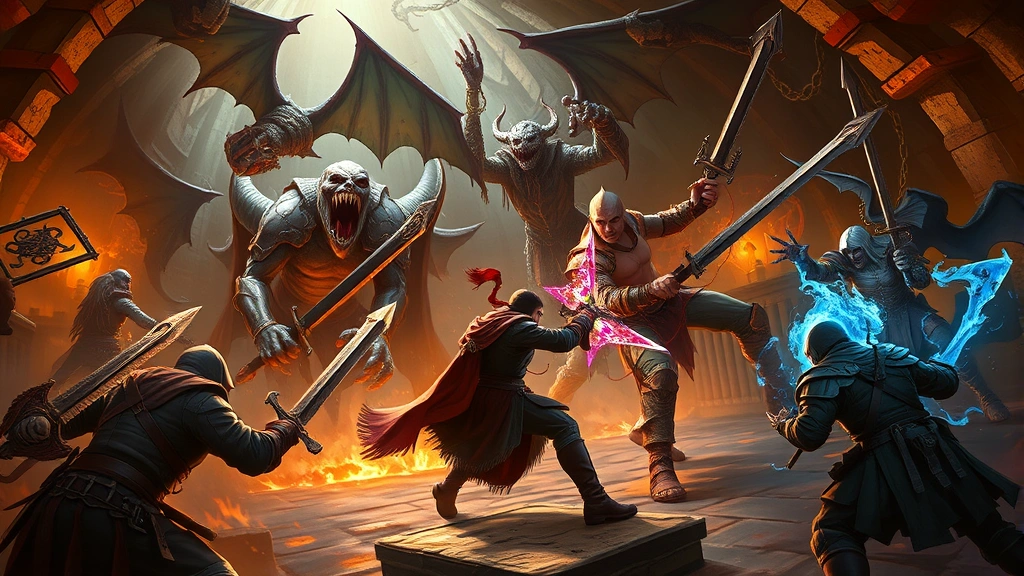
Advanced Tips for Experienced Players
Once you’ve mastered the basics, Pathfinder offers incredible depth for optimization and creative problem-solving. Multiclassing—combining levels from different classes—creates unique character builds with unexpected synergies. A fighter with wizard levels gains spellcasting while maintaining martial prowess. A rogue with cleric levels becomes a healing-focused sneaky character. Researching multiclass combinations opens possibilities beyond single-class characters.
Feat chains create powerful combinations when planned carefully. Taking Improved Initiative early allows you to act first in combat, while Combat Reflexes lets you take multiple attacks of opportunity. Power Attack combined with Great Cleave enables devastating area attacks. Understanding how feats chain together creates characters with unexpected capabilities.
Spell selection for prepared casters determines flexibility and power. Wizards choosing which spells to prepare each day face constant tactical decisions. Knowing which spells solve common problems—Dispel Magic for magical effects, Knock for locked doors, Invisibility for stealth—makes you invaluable to your party. Similarly, clerics choosing which spells to prepare should balance healing with utility and damage options.
Prestige classes represent advanced character paths requiring specific prerequisites. The Eldritch Knight combines martial prowess with spellcasting, the Mystic Theurge masters multiple magic types, and the Assassin specializes in deadly precision. These advanced classes reward careful planning and create distinctive character identities.
Item crafting and magical item acquisition significantly impact power levels. Understanding magic item economics—what items cost, which items provide the best benefits—helps you make smart purchases. Some items provide disproportionate power boosts compared to their costs, making them priority acquisitions for optimized characters.
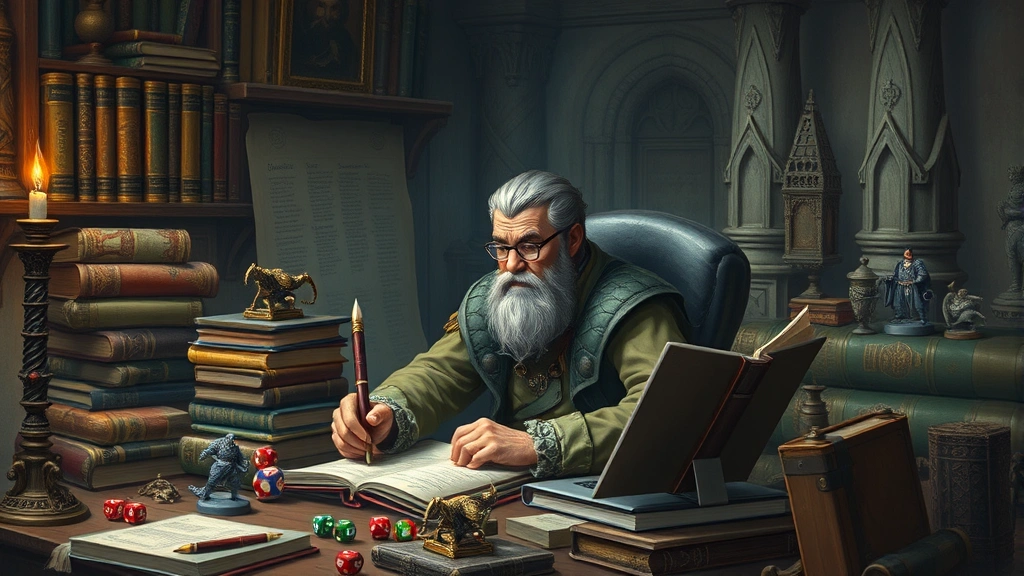
Common Mistakes and How to Avoid Them
New players often spread ability scores too thin, creating mediocre characters rather than specialists. A fighter with 10 Intelligence doesn’t need a higher Intelligence score—that point could boost Strength or Constitution instead. Focus your abilities on what matters for your class and build.
Neglecting Perception checks leads to missed story details and dangerous surprises. Always roll Perception when entering new areas, even if you’re not specifically looking for something. Many dungeon masters reward perceptive characters with additional information that creates advantages.
Forgetting feats and class abilities happens surprisingly often. If you have an ability that triggers under specific circumstances, remind your dungeon master when those circumstances occur. “I have Uncanny Dodge—shouldn’t I take half damage from that fireball?” Tracking your abilities ensures you receive benefits you’ve earned.
Underestimating social encounters leads to missed opportunities. Combat isn’t the only solution to problems. A charismatic character might convince enemies to surrender, negotiate better prices with merchants, or gather intelligence through conversation. Explore non-combat solutions before defaulting to violence.
Hoarding resources like spells and abilities wastes their potential. If you’re saving your best spell for an emergency that never comes, you’ve wasted that spell. Use powerful abilities when they’re meaningful, and trust your dungeon master to provide appropriate challenges.
Essential Resources and References
The Pathfinder Core Rulebook contains the fundamental rules you’ll reference constantly. While expensive, many gaming groups share a single copy, or you can access rules online through official sources. Understanding basic rules prevents constant lookups during gameplay.
Online communities like Paizo’s official forums provide rules clarifications and community discussion. When you’re uncertain about how something works, these communities offer quick answers from experienced players.
Character optimization guides help you understand powerful builds and synergies. Websites dedicated to Pathfinder optimization showcase creative combinations and explain why certain builds work. Learning from optimized characters teaches you to recognize powerful synergies in your own builds.
Campaign journals and actual play podcasts demonstrate excellent roleplay and tactical gameplay. Listening to experienced players describe their decisions shows how professionals approach Pathfinder challenges. Many podcasts like Giant in the Playground forums discuss Pathfinder extensively.
Your dungeon master’s campaign notes and house rules represent the most important resource. Understanding your campaign’s specific rules and tone ensures you create appropriate characters and meet your DM’s expectations. Ask your DM for clarification on anything you’re uncertain about.
For broader gaming context, our best story games guide explores how narrative and gameplay intertwine across different gaming formats, principles that apply directly to Pathfinder’s storytelling potential.
FAQ
What’s the difference between Pathfinder and Dungeons & Dragons?
While both are d20-based fantasy RPGs, Pathfinder evolved from D&D 3.5 edition and maintains a more complex ruleset with additional options for character customization. D&D 5th edition simplified many mechanics. Both are excellent games—Pathfinder offers more tactical depth, while D&D 5e emphasizes streamlined gameplay.
How long does a typical Pathfinder campaign last?
Campaigns vary tremendously. A short campaign might run 10-20 sessions, while epic campaigns span 100+ sessions across years. Your dungeon master sets the campaign’s scope. Discussing expected campaign length before starting helps manage expectations.
Do I need to own a rulebook to play?
While owning a rulebook helps, it’s not strictly necessary. Many online sources provide free rules, and your dungeon master likely owns reference materials. However, owning your own book helps you learn the system and provides reference during gameplay.
How do I handle character death?
Character death happens in Pathfinder when you reach negative hit points equal to your Constitution score. Discuss resurrection options with your dungeon master beforehand. Some campaigns allow easy resurrection, while others make it rare and meaningful. Understanding your campaign’s stance on death prevents surprise disappointment.
What should I do if I’m struggling with my character build?
Talk to your dungeon master. Most DMs allow respecification for struggling characters, especially early in campaigns. Your DM wants everyone enjoying their character. If you’re unhappy, discussing alternatives beats suffering through a character you dislike.
How can I improve my roleplay?
Practice describing actions with personality and emotion. Record yourself describing character actions to hear how you sound. Watch actual play videos to see experienced roleplayers in action. Most importantly, embrace your character’s perspective and respond to situations as they would, not as you would.
What’s the best way to learn Pathfinder rules?
Start with core mechanics—attack rolls, saving throws, and basic spellcasting. Master these fundamentals before diving into advanced rules. Your dungeon master can explain specific rules when they become relevant. Learning through gameplay proves more effective than memorizing the entire rulebook beforehand.