

Squid Game Cookie Recipe: A Chef’s Guide to Making Dalgona Treats
If you’ve watched the hit Netflix series Squid Game, you’ve probably been mesmerized by that unforgettable scene where contestants carefully carve shapes out of honeycomb candy. The Dalgona cookie—a crispy, golden Korean treat—became an instant global sensation thanks to the show’s intense spotlight on this deceptively simple dessert. But here’s the exciting part: you can recreate this iconic treat right in your own kitchen without the life-or-death pressure of the games.
The Squid Game cookie recipe has captured the hearts and taste buds of millions worldwide. What started as a nostalgic Korean street snack featured in a television drama has transformed into a viral sensation that bridges the gap between pop culture and culinary creativity. Whether you’re a hardcore fan of the series looking to immerse yourself in its world or a home baker seeking a fun new challenge, mastering this recipe opens doors to understanding Korean confectionery traditions while creating something genuinely delicious and shareable.
This comprehensive guide will walk you through every step of creating perfect Dalgona cookies at home. We’ll explore the history behind these treats, break down the science of what makes them work, and provide you with professional techniques to ensure consistent, stunning results every single time you bake.
What is Dalgona Cookie?
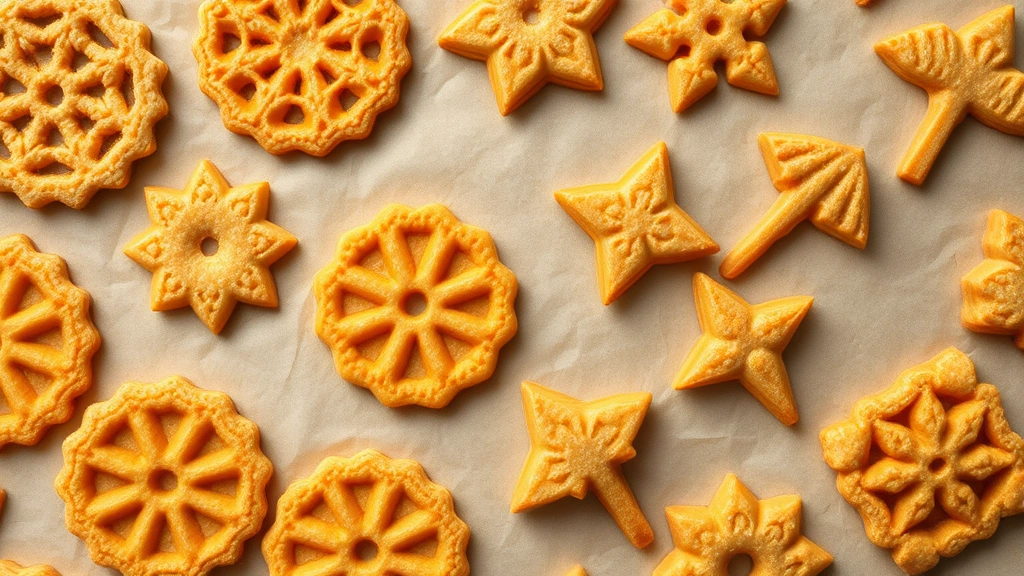
Dalgona is a traditional Korean honeycomb candy that has been enjoyed for generations, long before it became a television sensation. The name itself comes from the Latin-inspired Korean word for the caramelized sugar treat that vendors have sold on street corners throughout Korea since the 1970s. The cookie is essentially hardened caramel with a unique, airy texture that crackles when you bite into it, creating an explosion of sweet, buttery flavor on your palate.
The magic of Dalgona lies in its simplicity. Made with just sugar and baking soda, this dessert achieves its distinctive honeycomb structure through a chemical reaction between the two ingredients. When baking soda meets hot caramel, it creates carbon dioxide bubbles that get trapped in the cooling candy, resulting in that characteristic porous, crispy texture. The result is a cookie that’s light, crunchy, and absolutely addictive—a perfect blend of texture and taste that explains why this humble treat has remained popular in Korea for decades.
What makes the Squid Game version particularly memorable is the carving element. In the show, contestants must carefully cut shapes—circles, triangles, and umbrellas—from the cookie without breaking it. This element of precision and tension transformed a simple candy into a high-stakes game, but for home bakers, it’s simply a fun and creative challenge that adds an artistic dimension to the cooking process.
History and Cultural Origins
The Dalgona cookie represents a significant piece of Korean culinary heritage. Street vendors throughout South Korea have been making and selling this treat for nearly five decades, positioning it as a beloved nostalgic snack for multiple generations. The candy became particularly popular during the 1970s and 1980s when Korean children would rush to vendors with coins in hand, eager to try their luck at purchasing a piece with an intact carved shape inside.
Korean confectionery traditions run deep, and Dalgona exemplifies the ingenuity of street food culture. The treat emerged during an era when Korea was experiencing rapid modernization and economic growth, yet traditional snacks remained central to daily life and childhood memories. Parents would buy these cookies for their children as special treats, and the act of carefully eating or carving the candy became a cherished ritual.
The global explosion of Dalgona’s popularity happened relatively recently when the Netflix series Squid Game premiered in September 2021. Within weeks, the cookie became a worldwide phenomenon, with people from every continent attempting to recreate the recipe and master the carving technique. Social media platforms exploded with videos of people making and sharing their own versions, turning a quiet Korean tradition into an international cultural moment. This surge in interest has actually helped preserve and celebrate Korean confectionery arts on a global stage.
Ingredients and Equipment You’ll Need
Creating the perfect Squid Game cookie requires precision, and that begins with understanding exactly what you need. The ingredient list is refreshingly short, which is part of what makes this recipe so accessible and impressive—you’re creating something extraordinary from the most basic components.
Essential Ingredients
- Granulated sugar: One cup (200 grams) of standard white granulated sugar forms the base of your Dalgona. Use pure granulated sugar without any additives.
- Baking soda: One to two teaspoons (5-10 grams) of baking soda is crucial. This ingredient creates the signature honeycomb texture through a chemical reaction with the hot caramel.
- Water: Two tablespoons (30 milliliters) of water helps dissolve the sugar evenly and prevents crystallization during cooking.
- Butter (optional): Some recipes include one tablespoon of butter to enhance flavor and improve texture, though traditional recipes omit it entirely.
- Salt (optional): A pinch of salt can balance sweetness and enhance the caramel flavor profile.
Essential Equipment
- Heavy-bottomed saucepan: A sturdy pot prevents burning and ensures even heat distribution across the sugar.
- Candy or cooking thermometer: Temperature control is essential. You’ll want to reach 300-310°F (150-155°C) for optimal results.
- Wooden spoon or silicone spatula: Use heat-resistant utensils to stir without conducting heat to your hands.
- Parchment paper: Line your baking sheet to prevent sticking and make cleanup easier.
- Sharp knife or toothpick: You’ll use these tools for carving shapes into the cooled candy.
- Baking sheet: A flat, even surface for pouring and cooling your Dalgona.
- Small bowl: For mixing baking soda before adding it to the caramel.
Having all your equipment prepared and ready before you begin—a concept called mise en place in professional kitchens—makes the cooking process smoother and safer. Caramel cooking happens quickly, and you won’t have time to search for tools once you’ve started.
Step-by-Step Recipe Instructions
Now let’s dive into the actual process of creating your Dalgona cookies. Follow these steps carefully for the best results, and remember that practice makes perfect—your first batch might not be flawless, but each attempt teaches valuable lessons.
Preparation Phase
Begin by measuring out your sugar and water with precision. Pour the sugar into your heavy-bottomed saucepan, then add the water. Stir gently over medium heat until the sugar completely dissolves. This initial stage typically takes three to five minutes. Once the sugar has dissolved completely, stop stirring. Continuing to stir can cause crystallization, which ruins the smooth caramel texture you’re aiming for.
As the sugar heats, it will gradually change color, progressing from clear to pale yellow to golden amber. This visual progression is your primary guide for doneness. If you’re using a thermometer, watch for the temperature to climb steadily toward 300°F (150°C). This hard-crack stage is essential for achieving the proper texture.
The Critical Baking Soda Addition
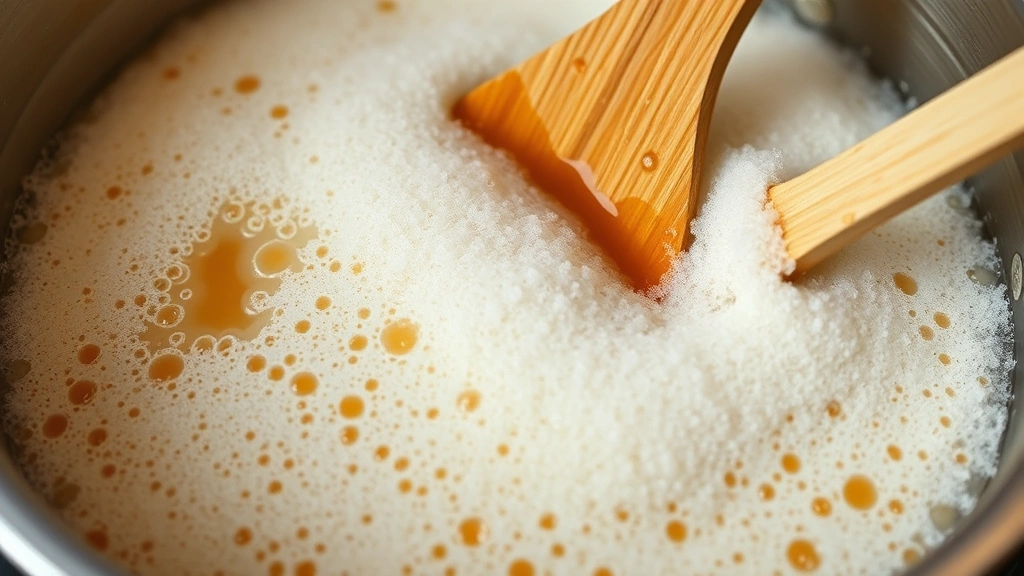
When your caramel reaches 300-310°F (150-155°C) and has achieved that beautiful amber color, it’s time for the magic moment. Have your baking soda measured and ready in a small bowl. Quickly and carefully add the baking soda to the hot caramel while stirring vigorously. The mixture will immediately begin to foam and expand dramatically—this is the chemical reaction creating your honeycomb structure.
This step requires courage and quick action. The mixture will bubble up significantly, potentially doubling or tripling in volume. This is completely normal and exactly what you want. Continue stirring for about 30 seconds to a minute until the baking soda is fully incorporated and the foaming subsides slightly.
Pouring and Cooling
Immediately pour the mixture onto your prepared parchment paper-lined baking sheet. Work quickly, as the caramel begins to set within seconds. You can use an oiled spatula to spread it into a roughly even layer, though the thickness doesn’t need to be perfectly uniform—part of Dalgona’s charm is its rustic appearance.
Allow the candy to cool completely at room temperature. This typically takes 15-30 minutes depending on thickness and ambient temperature. Resist the urge to refrigerate or freeze it, as this can affect the texture and make carving more difficult. The candy should reach a hard, crispy consistency that snaps cleanly when you apply pressure.
Carving Shapes Like a Professional
Once your Dalgona has cooled completely, the creative part begins. The carving element is what made this treat famous through Squid Game, and it’s both challenging and deeply satisfying when executed well.
Start by breaking your cooled candy into manageable pieces if you’ve poured it as one large sheet. You can carve individual pieces or work with sections. The most famous shapes from the show include circles, triangles, and umbrellas, but you’re free to create any design that appeals to you.
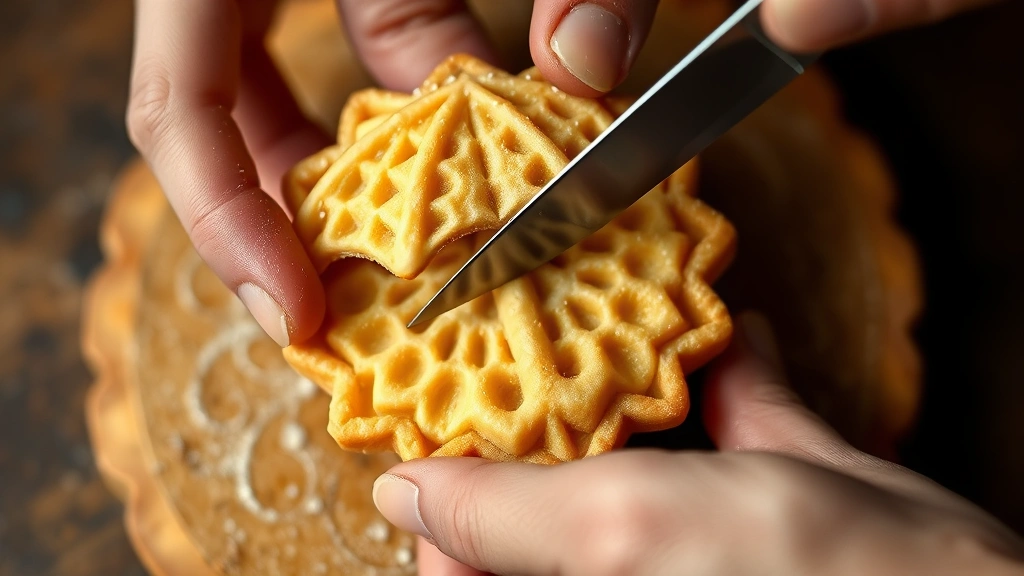
Use a sharp knife, toothpick, or specialized carving tool to gently score your design into the surface. The key is applying steady, gentle pressure rather than trying to force the knife through. Make multiple light passes rather than one aggressive cut. This technique reduces the risk of shattering the candy.
For circles, you might use a small circular cutter or trace around a coin with a toothpick to create a guide. Triangles require straight, confident lines from corner to corner. The umbrella shape is more complex, requiring a curved handle and a rounded canopy top. Take your time with each piece—this isn’t a race, and the meditative quality of careful carving is part of the experience.
If you make mistakes or break pieces, don’t worry. These fragments are still delicious and can be enjoyed as-is or crushed and used in other desserts. The broken pieces are sometimes called “Dalgona dust” and make excellent toppings for ice cream or yogurt.
Troubleshooting Common Issues
Even experienced candy makers encounter challenges with Dalgona. Understanding what can go wrong helps you solve problems and improve your technique with each batch.
Crystallized Sugar
If your caramel becomes grainy or cloudy, you’ve experienced sugar crystallization. This usually happens from stirring too much or from sugar crystals forming on the pan’s sides. To prevent this, use a wet pastry brush to brush down the sides of the pan during cooking, and minimize stirring once the sugar has dissolved.
Candy Won’t Set
If your Dalgona remains sticky or soft after cooling, you didn’t reach a high enough temperature. The hard-crack stage (300-310°F) is essential. Next time, use a thermometer and don’t remove from heat until you’ve reached the proper temperature. Also ensure your baking soda isn’t stale, as old baking soda loses potency.
Candy Shatters When Carving
Excessive brittleness can result from cooking too long or at too high a temperature. Keep your caramel in the 300-310°F range rather than pushing it higher. Additionally, ensure the candy has cooled to room temperature completely before carving—warm candy is more brittle than fully cooled candy.
Uneven Texture
If some parts are dense while others are airy, your baking soda might not have been fully incorporated. Stir more vigorously for a longer duration when adding it. Also, ensure your baking soda is fresh—expired baking soda won’t create sufficient bubbles.
Creative Variations and Flavor Enhancements
While the traditional recipe is perfect, you can experiment with variations to create unique versions. Check out our Game Forge Daily Blog for more creative cooking inspiration.
Salted Caramel Dalgona
Add a pinch of sea salt to the caramel before adding baking soda. The salt enhances the sweet caramel flavor and creates a sophisticated sweet-salty balance that’s absolutely addictive.
Matcha Dalgona
Mix one teaspoon of matcha powder with the baking soda before adding it to the caramel. This creates a subtle green tea flavor and a beautiful pale green color that’s visually stunning.
Chocolate-Covered Dalgona
Once your cookies have cooled and been carved, dip them partially in melted dark chocolate. Allow the chocolate to set on parchment paper for an elegant, indulgent version.
Spiced Dalgona
Add one-quarter teaspoon of cinnamon, a pinch of nutmeg, and a hint of cardamom to your caramel. These warm spices complement the sweet candy beautifully.
Nut-Studded Dalgona
After pouring the mixture onto your baking sheet but before it fully sets, quickly press chopped nuts—almonds, pistachios, or sesame seeds—into the surface. These add textural interest and nutritional value.
The beauty of this recipe is its adaptability. Once you understand the basic technique, you can confidently experiment with flavors and presentations. Like learning how to make a video game, mastering the fundamentals opens creative possibilities.
Storage and Serving Tips
Proper storage ensures your Dalgona cookies remain fresh and crispy for days after making them.
Storage Methods
Store cooled Dalgona in an airtight container at room temperature. The candy is hygroscopic, meaning it absorbs moisture from the air, so an airtight seal is essential for maintaining crispness. Avoid storing in the refrigerator, which can introduce condensation and soften the candy.
Properly stored Dalgona will remain fresh and crispy for up to one week. If you notice the candy becoming soft, you can crisp it up by placing it in a 200°F (95°C) oven for five to ten minutes.
Serving Suggestions
Present your Dalgona cookies on a beautiful platter for an impressive dessert display. The visual appeal of carefully carved shapes makes these treats as much about presentation as taste. Pair them with hot beverages like Korean coffee, tea, or hot chocolate—the contrast between the crispy candy and warm drinks is delightful.
You can also crumble Dalgona and use it as a topping for ice cream, yogurt, or pudding. This creates a sophisticated dessert with interesting texture contrasts. Some creative bakers even incorporate crushed Dalgona into cheesecake crusts or use it as a garnish for elegant plated desserts.
If you’re hosting a party, serving homemade Dalgona is an excellent conversation starter. Your guests will be impressed by both the taste and your newfound candy-making skills. For a complete entertainment experience, you might pair this with a watch party of Squid Game itself or explore other gaming-related content from Squid Game cartoon drawing tutorials.
Frequently Asked Questions
Can I make Dalgona without a candy thermometer?
Yes, though a thermometer makes the process more reliable. Without one, watch for color changes—you want a medium amber color, not too light or dark. Use the cold water test: drop a small amount of caramel into cold water; it should become brittle and snap easily when cool.
Why did my baking soda not create bubbles?
Your baking soda might be expired or stale. Baking soda loses potency over time, especially if exposed to air or moisture. Always use fresh baking soda from a new package for best results. Also ensure your caramel is hot enough when you add it.
Is Dalgona gluten-free?
Yes! Traditional Dalgona made with just sugar and baking soda is naturally gluten-free. However, always verify that your baking soda hasn’t been processed in a facility that handles gluten if you have celiac disease.
Can I make this recipe vegan?
The basic recipe is already vegan since it contains no animal products. If you choose to add butter for flavor, you can substitute it with vegan butter or coconut oil in equal amounts.
What’s the difference between Dalgona and toffee or brittle?
The primary difference is the baking soda addition. Traditional toffee and brittle don’t include baking soda, so they lack the honeycomb structure and airy texture that makes Dalgona unique. The baking soda is what creates those characteristic bubbles.
Can I double this recipe?
Yes, doubling the recipe works fine. However, you may need to extend cooking time slightly and ensure your saucepan is large enough to accommodate the expanded mixture when baking soda is added. A larger pot is essential to prevent overflow.
How do I prevent my hands from burning when carving?
Always allow the candy to cool completely to room temperature before carving. The candy should be hard and cool to the touch. If it’s still warm, wait longer. You can also wear thin cotton gloves while carving for extra protection, though this may reduce tactile sensitivity.
What should I do if my Dalgona breaks while carving?
Don’t despair! Broken pieces are still delicious. Enjoy them as-is, or use them to create other desserts. The broken fragments can be crushed and used as a topping for ice cream or incorporated into other baked goods. Some of the best discoveries come from happy accidents in the kitchen.
Can I add food coloring to make colored Dalgona?
Oil-based food coloring won’t work in caramel since oil and sugar don’t mix well. However, you can use gel-based food coloring by adding it to the water before heating, or you can use ingredients like matcha, cocoa powder, or fruit purees for natural color and flavor.
How hot does caramel get, and is it dangerous?
Caramel reaches temperatures of 300-310°F (150-155°C), which can cause severe burns. Always exercise extreme caution, keep children away from the cooking area, and never touch the caramel or hot pan. Use long-handled utensils and wear long sleeves while cooking. Treat hot caramel with the respect it deserves.
Making Squid Game cookies transforms a simple recipe into an engaging culinary experience that combines skill, creativity, and cultural appreciation. Whether you’re recreating a beloved scene from the show or simply exploring Korean confectionery traditions, these Dalgona cookies deliver satisfaction with every crispy, caramelized bite. Start with the basic recipe, master the technique, then experiment with variations once you’ve built confidence. Your kitchen will fill with the sweet aroma of caramel, and your guests will be amazed by your homemade treats. For more gaming-related content and creative inspiration, explore best indie games for PC and best board games of all time on our site.