


Trouble Board Game Rules: Expert Guide to Mastering the Classic
Trouble is one of the most iconic board games ever created, captivating players for generations with its simple yet addictive gameplay mechanics. Whether you’re a seasoned board game enthusiast or picking up the game for the first time, understanding the trouble board game rules is essential to enjoying this timeless classic. The distinctive Pop-O-Matic bubble has become synonymous with board gaming nostalgia, and learning how to play properly ensures everyone at your table has a fantastic experience.
This comprehensive guide breaks down every aspect of Trouble’s rules, from setup to victory conditions, so you can confidently host game nights and teach new players. We’ll explore the mechanics that make this game so engaging, discuss common questions players have, and provide pro tips to enhance your gameplay. If you’re looking to expand your board game collection, check out our guide to the best board games of all time for more recommendations.
Game Overview and Objective
Trouble is a race-based board game designed for 2-4 players, typically recommended for ages 5 and up, though older players find the strategic elements equally entertaining. The core objective is straightforward: be the first player to move all four of your pawns from their starting position, around the board, and safely into your home zone. Each player controls pawns in different colors—traditionally red, yellow, blue, and green—and must navigate the circular board while dealing with the unpredictable nature of the Pop-O-Matic bubble and the strategic blocking of opponents.
The game typically lasts 30-45 minutes, making it perfect for casual family game nights or quick entertainment between longer gaming sessions. The beauty of Trouble lies in its balance between luck and strategy. While the Pop-O-Matic bubble introduces randomness, skilled players can still leverage positional advantage and strategic pawn placement to gain victory. Understanding board game mechanics across different titles helps you appreciate what makes Trouble special.
Setup and Preparation
Before diving into gameplay, proper setup is crucial. Each player selects a color and places all four pawns in their corresponding home base—the designated starting area matching their color. The board features four home bases positioned at cardinal directions, with a circular track connecting them. The Pop-O-Matic bubble should be placed in the center of the board, easily accessible to all players.
The game board itself displays numbered spaces from 1 to 120 (in most versions), creating the track that pawns will traverse. Each player has a home stretch—typically six spaces leading to their home zone—which only their pawns can occupy. This is a critical rule that prevents opponents from blocking you in your final approach to victory.
To determine play order, each player presses the Pop-O-Matic bubble once. Whoever rolls the highest number goes first, with subsequent turns following clockwise around the table. This initial roll doesn’t move any pawns; it simply establishes turn sequence. Make sure everyone understands this distinction before starting, as confusion here can derail your game night.
Understanding the Pop-O-Matic Bubble
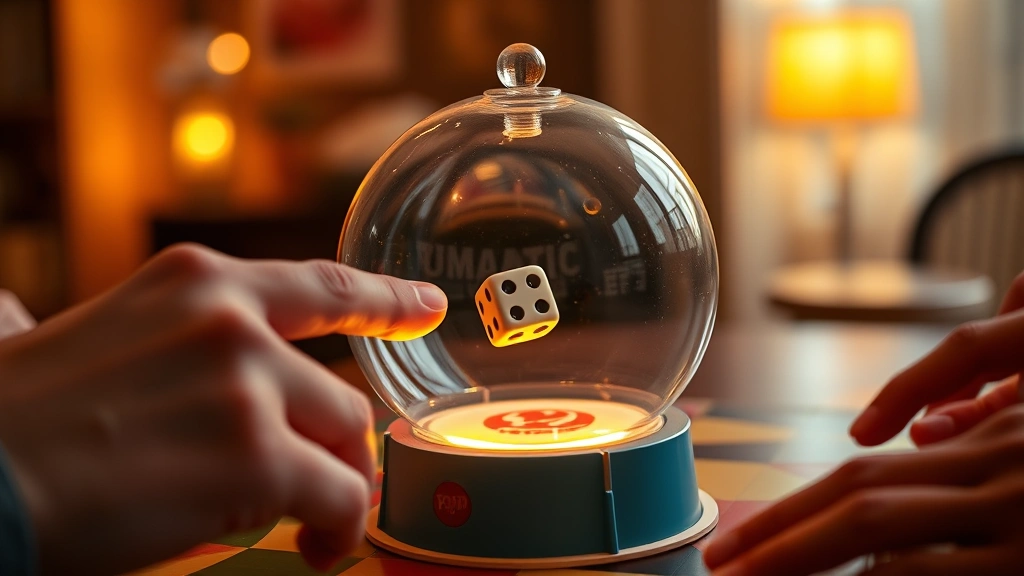
The Pop-O-Matic bubble is the heart and soul of Trouble, serving as both the game’s randomization mechanism and its most distinctive feature. This transparent dome houses a die that players activate by pressing down on the bubble sharply. The pressure forces the die to pop up inside the dome, revealing a number from 1 to 6. This replaces traditional dice rolling and adds a satisfying tactile element to gameplay.
Players must press the bubble firmly enough to generate a proper pop; pressing too gently may result in an unclear roll or require a re-roll. The beauty of this mechanism is that it’s difficult to manipulate outcomes—the randomness is genuinely random, though some players swear they can influence results through technique. Each turn requires exactly one bubble press, so you’ll become very familiar with this iconic feature during extended play sessions.
One important rule: if the bubble malfunctions or fails to pop properly, take a re-roll. Never attempt to shake the bubble or force it open, as this damages the mechanism. The Pop-O-Matic should last for years with proper care, becoming a cherished family heirloom for board game enthusiasts.
Movement Rules Explained
Movement in Trouble follows a straightforward clockwise pattern around the board. On your turn, you press the Pop-O-Matic bubble and move one of your pawns forward by the number of spaces indicated. However, there’s a crucial rule: you must roll a 6 to bring a pawn out of your home base onto the board. This means rolling a 6 isn’t optional—if you roll a 6, you must bring a pawn out if one remains in your home base.
Once pawns are on the board, you have flexibility in choosing which pawn to move with subsequent rolls. If you roll a 4, you can move any of your pawns already on the board forward four spaces. You cannot split a single roll between multiple pawns; the entire roll value must be applied to one pawn’s movement.
Rolling a 6 grants an additional turn immediately after moving. This means rolling a 6 can be strategically powerful—you get to move and then roll again. Some players find this rule creates exciting momentum shifts, while others debate whether it provides excessive advantage. Regardless, it’s a core rule that significantly impacts gameplay strategy.
When moving pawns, count the spaces carefully. Each numbered space on the board counts as one space in your movement count. Spaces occupied by your own pawns don’t block movement; you can move your pawn directly onto a space where another of your pawns sits, though this isn’t strategically useful. However, spaces occupied by opponent pawns create blocking situations we’ll discuss shortly.
Capturing and Blocking Pawns
One of the most exciting aspects of Trouble is the capturing mechanic. If you move a pawn onto a space occupied by an opponent’s pawn, you capture that pawn and send it back to its home base. This is called “bumping” and represents the primary way to eliminate opponent progress. The captured pawn must return to its starting position and wait for a 6 to re-enter the board.
This creates fascinating strategic decisions: should you move aggressively to capture opponent pawns, or focus on advancing your own pieces? Experienced players understand that well-timed captures can dramatically shift momentum. A single capture in the late game might be the difference between victory and defeat.
However, safe spaces exist on the board—typically marked with star symbols or special coloring. Pawns occupying safe spaces cannot be captured, providing temporary refuge from aggressive opponents. These safe spaces are strategically positioned throughout the board, usually near home bases and scattered around the main track. Understanding their locations is vital for both defensive and offensive planning.
Your home stretch is automatically safe; opponent pawns cannot enter this final approach section, so once you’re in the home stretch, you cannot be captured. This rule creates a clear endpoint where players can’t interfere with each other’s final moves. The transition to the home stretch represents a critical milestone in each game.
Home Stretch Strategy
The home stretch consists of six spaces that only your pawns can occupy. Once a pawn enters this zone, it’s protected from capture and simply needs to reach home. However, reaching the home stretch requires precise die rolls. You must move your pawn into the home stretch with an exact roll—overshooting means your pawn continues around the board.
For example, if your pawn is three spaces away from entering the home stretch and you roll a 6, you cannot enter because 6 spaces of movement overshoots the entry point. Your pawn moves around and must try again next turn. This creates tension in the endgame as players hope for the exact numbers needed to enter and complete their home stretch journey.
Once in the home stretch, you simply continue moving your pawns toward the home space by rolling numbers that move them forward one space at a time. The first player to get all four pawns safely into their home position wins the game. The home position is the final space in your home stretch—a dedicated area where completed pawns rest.
Strategic players sometimes deliberately slow their approach to the home stretch, focusing on capturing opponent pawns or maintaining board position. This calculated patience can pay dividends if you can eliminate enough opponent pawns to effectively lock down the board before making your final push.
Winning the Game
Victory in Trouble goes to the first player to successfully move all four pawns completely through the board and into their home zone. This requires getting all four pawns out of the home base (requiring at least four rolls of 6), moving them around the entire board, navigating them into the home stretch, and finally into the home position.
The game ends immediately when a player completes this objective. Remaining players can continue playing for second, third, and fourth place if desired, though typically the game concludes when the winner is determined. Some house rules allow players to play until everyone has won, creating a more inclusive ending.
Winning requires a combination of lucky rolls and smart strategic decisions. While the Pop-O-Matic bubble introduces significant randomness, experienced players understand that pawn placement, timing captures strategically, and managing risk create competitive advantages. If you enjoy strategic board gaming, exploring other strategic games can enhance your overall gaming experience.
Celebrate your victories graciously and remember that Trouble’s accessibility makes it perfect for casual play with family and friends. The game’s longevity—it’s been in continuous production since 1965—speaks to its timeless appeal and well-balanced ruleset.

FAQ
Can you move a pawn backward in Trouble?
No, all movement in Trouble is strictly clockwise around the board. You cannot move pawns backward under any circumstances. This unidirectional movement keeps the game flowing and prevents complicated position disputes.
What happens if you roll a 6 and have no pawns in your home base?
If you roll a 6 but all your pawns are already on the board, you simply move one pawn forward six spaces instead of bringing a new pawn out. You still get the bonus turn that comes with rolling a 6. This flexibility creates interesting decisions about which pawn to move.
Can two pawns of the same color occupy the same space?
Yes, your pawns can stack on the same space. While this doesn’t provide strategic advantage, it’s perfectly legal. You cannot move through or over your own pawns, but you can land on the same space.
Are there different versions of Trouble with varying rules?
Yes, Trouble has had several editions and variations over its 50+ year history. The core rules remain consistent, but some versions include house rules or slight modifications. The classic version we’ve described here is the most widely recognized. Always check your specific game’s instruction manual for any edition-specific rules.
What’s the minimum number of players for Trouble?
Trouble can technically be played with two players, though it’s designed optimally for 3-4 players. With two players, the game plays faster but loses some of the strategic blocking elements that make multiplayer matches engaging. For the full experience, gather three or four friends.
How do you handle disputes about pawn placement?
Always count spaces carefully and have all players verify movement before the next player takes their turn. If disputes arise, recount together calmly. Establishing clear communication prevents most placement disagreements. Consider using the board’s printed numbers as reference points.
Can you choose not to move after rolling?
No, you must move a pawn with your roll result. If you roll a 6 with no pawns in your home base, you must move a pawn on the board. Mandatory movement keeps the game flowing and prevents “analysis paralysis” during turns.
What if the Pop-O-Matic bubble breaks?
If your Pop-O-Matic breaks during gameplay, you can substitute standard six-sided dice. Simply roll the die and use the result as your movement value. Many vintage Trouble boards have Pop-O-Matic mechanisms that have worn out, making dice substitution common in well-loved copies.
For more gaming entertainment, explore our game forge daily blog for reviews and guides covering everything from board games to digital gaming. Whether you’re interested in triple-A games or best indie games for PC, we’ve got comprehensive coverage of the gaming world.