
Top 2-Player Board Games: Expert Choices for Head-to-Head Gaming
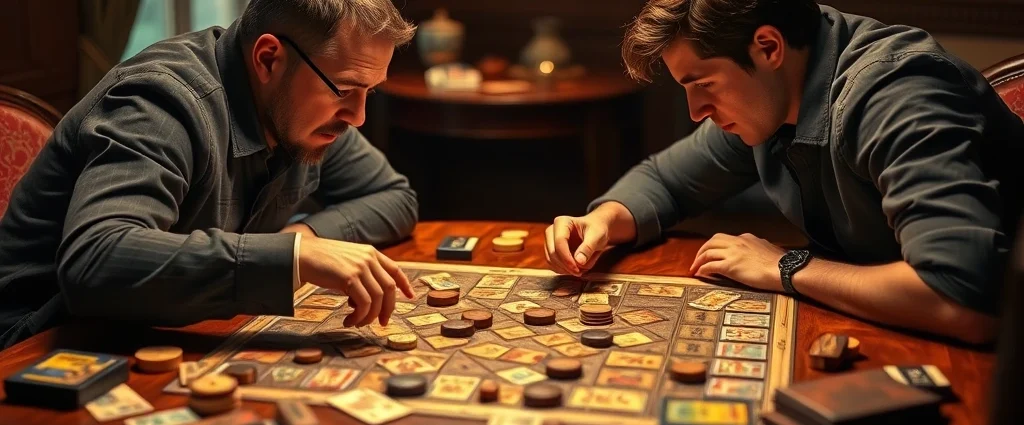
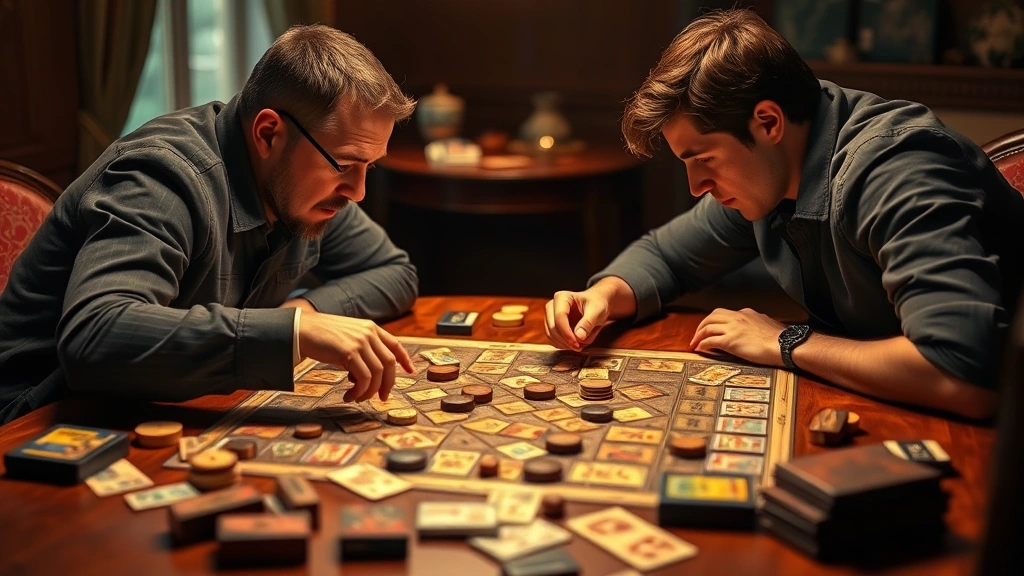
Board games have experienced a renaissance in recent years, and two-player games represent one of the most exciting segments of the hobby. Whether you’re looking to challenge a friend, bond with a partner, or enjoy some competitive fun during game night, two-person board games offer strategic depth, engaging mechanics, and memorable experiences that digital alternatives sometimes struggle to replicate. The beauty of two-player board games lies in their intimate gameplay—every decision matters, every turn creates tension, and the direct competition creates unforgettable moments.
The market for quality two-player board games has exploded, with designers crafting experiences specifically optimized for head-to-head play. These games range from quick 20-minute skirmishes to epic 3-hour strategic battles, ensuring there’s something for every taste and time commitment. In this comprehensive guide, we’ll explore the expert-recommended choices that consistently rank among the best two-person board games available today, breaking down what makes each one special and why they deserve a spot in your collection.
Why Two-Player Board Games Matter
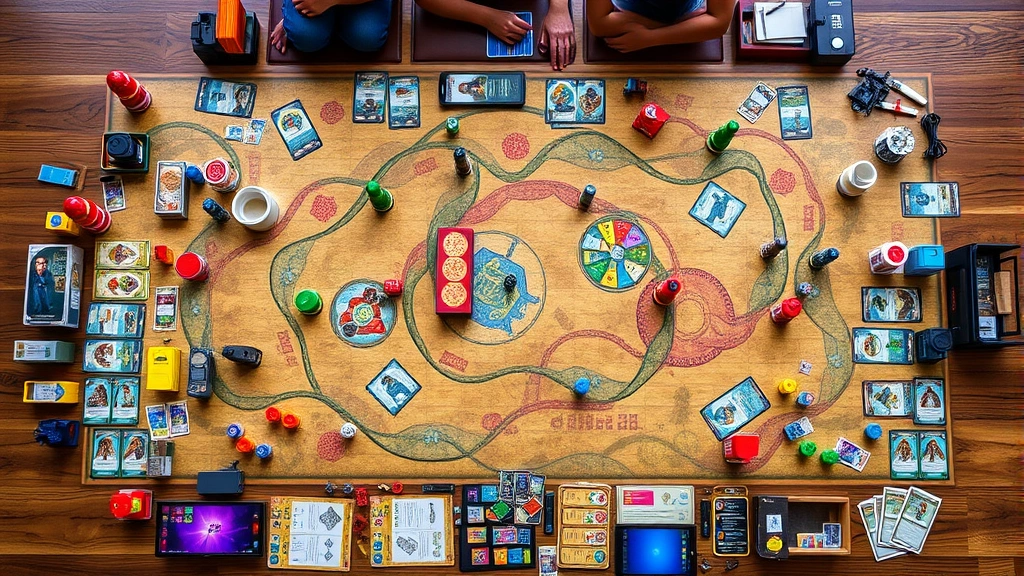
Two-player board games occupy a unique space in tabletop gaming that deserves serious attention. Unlike larger multiplayer games where luck and player elimination can create downtime and frustration, two-player games ensure constant engagement and meaningful interaction. Every action you take directly impacts your opponent, and every decision they make affects your strategy. This creates a purity of competition that many gamers find incredibly satisfying.
From a design perspective, creating excellent two-player games requires a different approach than designing for larger groups. Designers must balance direct confrontation, ensure both players remain engaged throughout, and prevent one player from dominating through luck alone. The best board games of all time often excel at two-player count, proving that quality gameplay transcends player count.
Whether you’re a seasoned board gamer or just beginning to explore the hobby, understanding what makes two-player games special helps you build a collection that brings joy and challenge. Many experts recommend that any serious board game enthusiast should have at least 3-5 quality two-player games in their collection, as these games see the most frequent play in most households.
Strategic Masterpieces for Competitive Players
Twilight Struggle stands as the gold standard for competitive two-player board games. This acclaimed design simulates the Cold War, with one player controlling the United States and the other the Soviet Union. The game’s card-driven mechanics create incredible tension—every card serves double duty as both a historical event and a source of influence points. With over 600 cards representing pivotal Cold War moments, no two games feel identical. Experts consistently recommend Twilight Struggle for players seeking deep, meaningful strategic gameplay that rewards careful planning and tactical adaptation.
7 Wonders Duel represents the pinnacle of card drafting mechanics in a two-player context. Players construct civilizations by selecting cards from a unique pyramid formation, forcing difficult decisions about which cards your opponent will access. The game features three distinct eras, each building upon previous choices, creating a narrative arc that spans roughly 45 minutes. The simultaneous resource management and tableau building create delightful tension, making every selection feel consequential.
Agricola can be played with two players and creates an engaging farming simulation where resource management and worker placement drive the action. Players must balance expanding their farms, planting crops, and raising livestock while managing limited actions. The game’s depth comes from the interaction between players competing for the same limited spaces and resources, creating a puzzle that rewards both long-term planning and tactical flexibility.
Brass: Lancashire and its sequel Brass: Birmingham challenge players to build industrial networks during the Industrial Revolution. These economic games require careful planning, network building, and reading your opponent’s intentions. The canal and rail networks you build remain on the board, creating dynamic shifting in advantage throughout the game. These designs reward players who think several turns ahead and understand the interconnected systems driving the economy.
Quick Games for Casual Gaming Sessions
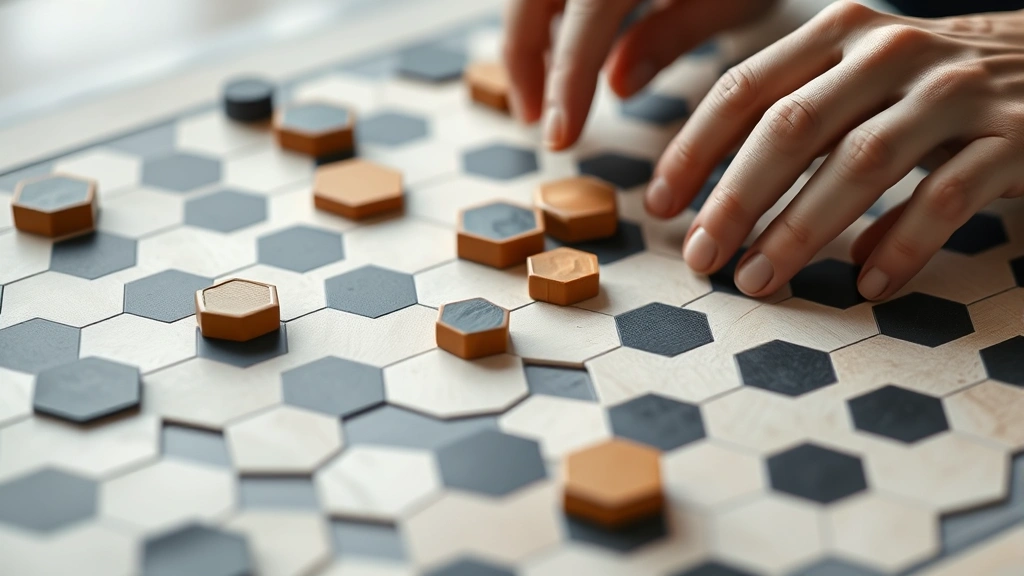
Not every gaming session needs to consume three hours. Quick two-player games provide excellent value for busy gamers who want meaningful competition without lengthy commitment. Hive is a portable abstract game using hexagonal tiles representing insects, each with unique movement patterns. With no board setup required and games lasting 15-20 minutes, Hive offers surprising strategic depth in a compact package. The game’s elegance lies in its simplicity—just a handful of rules create emergent complexity.
Jaipur is a trading game where players act as merchants competing in an Indian market. The push-your-luck mechanics create exciting moments as players decide whether to take goods now or gamble for better cards. Games last approximately 30 minutes, and the quick pace means you can easily play multiple rounds in a single session. The game’s accessibility makes it perfect for introducing new players to strategic board gaming.
Patchwork is a charming quilting-themed game where players purchase fabric pieces to create the most beautiful patchwork quilt. Despite the cozy theme, this is a genuinely strategic game with surprising depth. The unique time-track mechanic means players must balance progress with positioning, creating interesting decisions throughout the 30-minute play time. This game proves that quick doesn’t mean shallow.
7 Wonders Duel, mentioned earlier for its strategic depth, also qualifies as a relatively quick game at 45 minutes, making it perfect for players wanting strategy without excessive time investment. Check out our party games guide for more fast-paced options.
Cooperative Experiences for Partners
Sometimes the best gaming experiences involve working together rather than competing directly. Pandemic revolutionized cooperative board gaming by creating genuine tension where players must coordinate effectively to prevent disease outbreaks across the globe. The difficulty scales beautifully from casual to brutal, and the game’s randomness ensures replayability. Playing cooperatively creates bonding experiences as you celebrate victories and commiserate over defeats together.
Arkham Horror: The Card Game delivers narrative-driven cooperative gameplay where players investigate supernatural mysteries. The campaign structure means your decisions in early scenarios impact later games, creating an evolving story. The asymmetrical investigator roles ensure both players have distinct abilities and responsibilities, preventing one person from dominating decision-making. This game excels at creating shared narrative experiences that stick with players long after finishing.
Spirit Island is a complex cooperative game where players control spirits defending an island from colonizers. Each spirit has unique powers and asymmetrical abilities, requiring genuine coordination and communication. The game’s difficulty and complexity mean it rewards mastery—players discovering new strategic combinations after dozens of plays. This represents cooperative gaming at its most sophisticated.
For those seeking cooperative experiences, our guide to cooperative games on Steam explores digital alternatives, though board game versions often provide superior social interaction.
Asymmetrical Games That Break the Mold
Asymmetrical games where players have fundamentally different abilities, goals, or mechanics create unique design spaces. Root is a revolutionary game of woodland warfare where each faction plays by entirely different rules. The Marquise de Cat controls territory, the Eyrie Dynasties manage declining resources, the Woodland Alliance spreads sympathy, and the Vagabond adventures solo. This asymmetry means players must understand multiple game systems simultaneously, creating engaging complexity. No two factions play identically, ensuring fresh experiences across repeated plays.
Food Chain Magnate is an economic simulation where players build restaurant empires in a simulated market. The asymmetrical starting positions and emergent gameplay create narratives of business triumph and failure. This game rewards ruthless capitalism and creative problem-solving, though it demands significant player engagement and time commitment.
Innovation is a chaotic card game where players affect history itself, with cards representing technological, cultural, and social developments. The game’s wild swings of fortune create hilarious moments and unexpected comebacks. It’s less about perfect strategy and more about adapting to constant change—perfect for players who enjoy unpredictability and narrative-driven moments.
Cosmic Encounter allows players to customize alien species with unique powers, creating asymmetrical matchups where no two games play identically. The negotiation and alliance-building create dynamic social interactions alongside strategic gameplay.
Abstract Games for Pure Strategic Thinking
Abstract games strip away theme to focus on pure strategic mechanics. Go, an ancient game spanning thousands of years, remains one of humanity’s greatest strategic challenges. The elegant rules—place stones on a grid, claim territory, capture opponent stones—hide enormous complexity. Experts recognize Go as the ultimate abstract strategy game, with depth that rewards lifetime study.
Chess needs no introduction but deserves mention as the quintessential two-player strategic game. While many modern designers have moved beyond chess, its enduring appeal and proven strategic depth make it essential for any serious gamer’s collection. The game’s perfect information and deterministic mechanics mean victory depends entirely on player skill.
Azul is a modern abstract using tile-placement mechanics where players draft decorative tiles to create patterns. The simple rules hide tactical depth—blocking your opponent from valuable tiles while securing your own tiles requires careful spatial reasoning. Games last 30-45 minutes and remain engaging throughout.
Oink Games produces numerous excellent abstract two-player games in compact formats. Games like Tak and Gipf offer strategic challenges in minimal packages, perfect for players who prioritize pure mechanics over theme.
How to Choose Your Perfect Two-Player Game
Selecting the right two-player board game depends on several factors worth considering. First, determine your preferred play time. Games range from 15-minute quick experiences to 3+ hour epics. Identify whether you prefer competitive head-to-head battles or cooperative partnership experiences. Consider your opponent’s preferences—experienced strategists may enjoy heavy economic simulations while casual players prefer accessible games with quick learning curves.
Theme matters significantly for many players. Some prefer thematic games where mechanics reinforce narrative (Pandemic’s disease management creates thematic tension), while others prefer abstract games where mechanics stand alone. Your physical space affects which games work—some require large tables while others function in compact spaces.
Budget considerations matter as well. Board games range from $15 quick games to $100+ deluxe editions. Identify your price point and prioritize quality over quantity. Starting with one excellent game beats owning five mediocre ones. Consider the GameForge Daily Blog for ongoing recommendations and reviews of new releases.
Replayability determines long-term value. Games with random elements, variable player powers, or multiple viable strategies encourage repeated plays. Games with high player interaction create different experiences based on opponent decisions. Modular boards or expansions extend game life significantly.
Finally, consider accessibility for teaching new players. Games with simple core rules but emergent complexity (Azul, Hive) teach quickly while maintaining strategic depth. Conversely, games like Twilight Struggle demand initial learning investment but reward understanding with incredible experiences.
Whether you’re building your first collection or expanding existing ones, quality two-player games provide some of the most satisfying gaming experiences available. The intimate nature of two-player competition creates memorable moments, fierce rivalries, and genuine connections between players. Take time selecting games that match your preferences, and you’ll build a collection providing years of entertainment.
FAQ
What’s the best two-player board game for beginners?
Azul or Patchwork are excellent choices for beginners. Both teach quickly, play in 30 minutes, and offer surprising strategic depth. Their simple rules and elegant mechanics make them perfect entry points into serious board gaming.
Are there good two-player games that play quickly?
Absolutely! Hive, Jaipur, and Azul all play in 20-45 minutes while maintaining strategic depth. For shorter sessions, Patchwork plays in roughly 15-20 minutes.
What two-player games have the most replayability?
Twilight Struggle is legendary for replayability thanks to its 600+ card deck ensuring varied game states. Root offers asymmetrical factions providing entirely different experiences. 7 Wonders Duel features variable card pools and multiple viable strategies.
Can party games work for two players?
Most party games require larger groups for optimal play. However, some party games adapt well to two players with modified rules. Generally, dedicated two-player games offer better experiences for pairs.
Should I buy competitive or cooperative two-player games?
This depends on your preference and opponent. Competitive games create head-to-head tension and victory satisfaction. Cooperative games build partnership and shared narrative experiences. Many serious gamers own both types, rotating based on mood and available time.
What’s the most strategic two-player board game?
Go remains unmatched for pure strategic depth, though Twilight Struggle and Chess offer incredible strategic challenges. For modern designs, Brass: Birmingham and Spirit Island deliver exceptional strategic complexity.
How much should I spend on a two-player board game?
Quality two-player games range from $20-80. Excellent games exist at every price point. Rather than spending excessively, prioritize games matching your interests and play style. One $60 game you’ll play 100 times beats five $25 games gathering dust.