
Top Vintage Bookshelf Games: A Collector’s Guide to Classic Tabletop Treasures
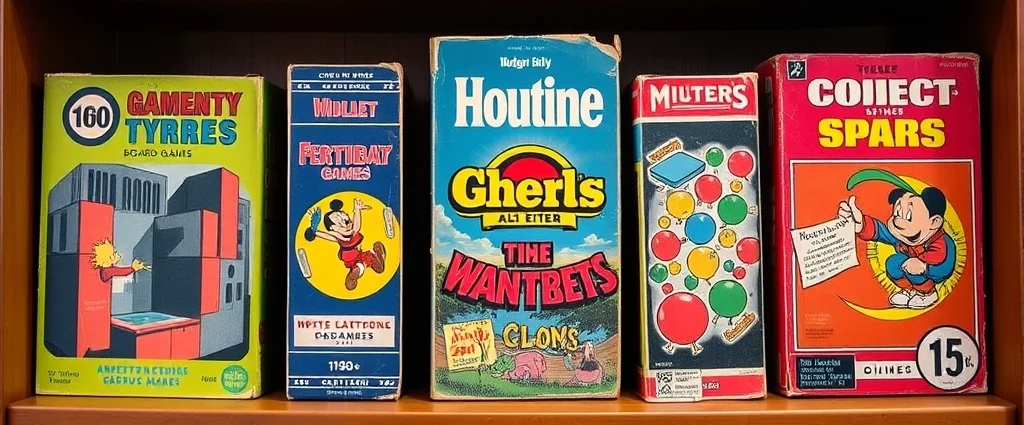
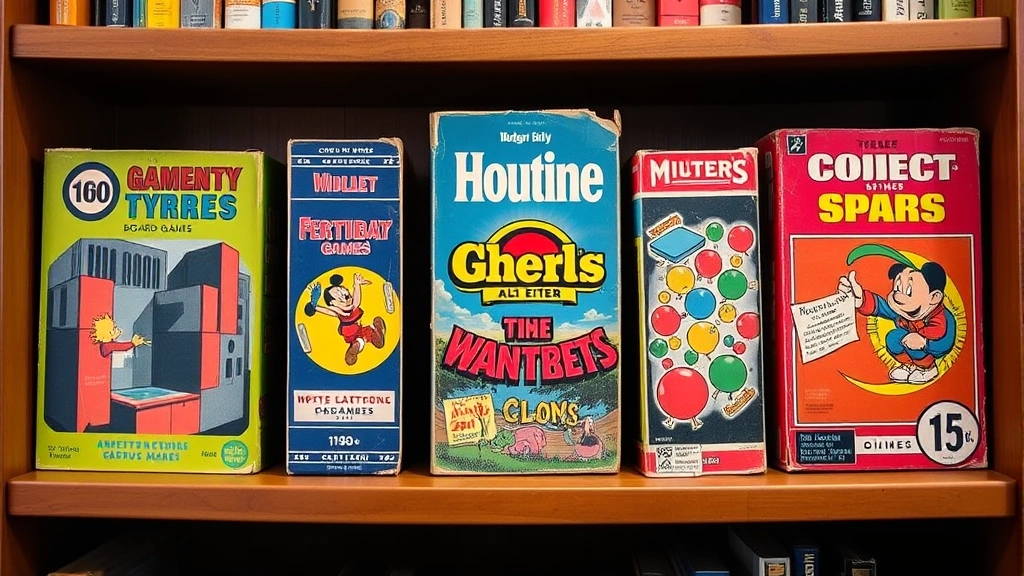
Vintage bookshelf games represent a unique intersection of nostalgia, craftsmanship, and timeless entertainment that modern gaming often struggles to capture. These classic titles, typically published between the 1950s and 1990s, have become increasingly sought-after by collectors, board game enthusiasts, and anyone looking to add authentic gaming history to their shelves. Whether you’re a seasoned collector or just discovering the charm of vintage gaming, understanding what makes these games special—and which ones are worth hunting for—can transform your collection into something truly remarkable.
The appeal of vintage bookshelf games extends far beyond mere nostalgia. These games showcase exceptional graphic design, innovative mechanics that still hold up today, and physical components that were built to last. Unlike many contemporary games designed for quick obsolescence, vintage titles were created with durability and longevity in mind. From hand-painted boards to meticulously crafted wooden pieces, every element tells a story of an era when game manufacturing was as much art as it was commerce.
Understanding Vintage Game Value and Rarity
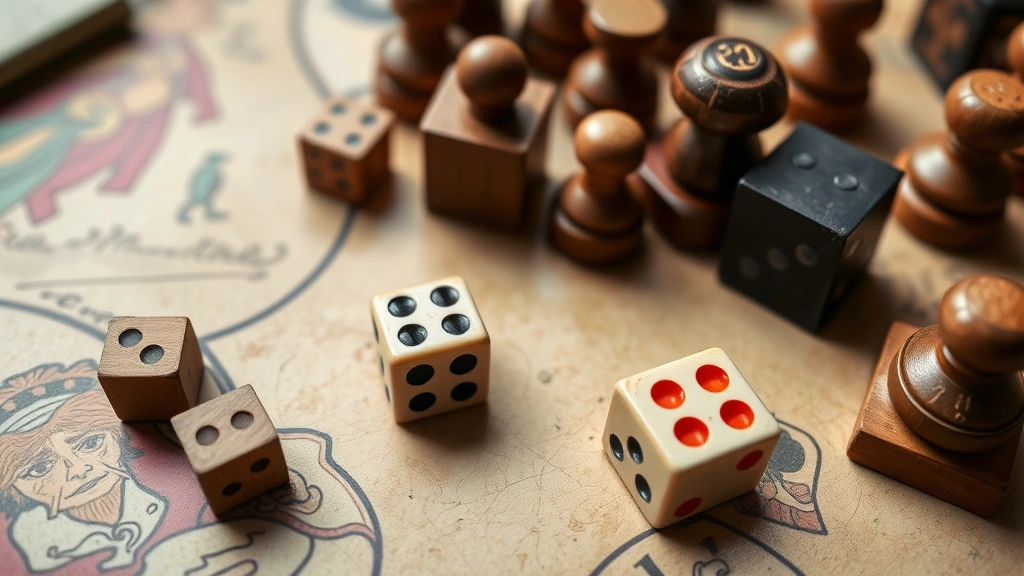
When evaluating vintage bookshelf games, several factors determine their desirability and market value. First edition printings typically command higher prices than later reprints, particularly if they feature original artwork or different component quality. The condition of the game—including the box, board, cards, and pieces—significantly impacts valuation. A complete, unplayed game in mint condition can be worth exponentially more than one missing pieces or showing wear.
Rarity plays a crucial role in pricing. Games with limited production runs, regional releases, or those that didn’t sell well initially often become highly sought-after decades later. Some vintage games are virtually impossible to find, making them legendary among collectors. Understanding the production history of your target games helps identify which ones are genuinely rare versus simply out of print.
Provenance and documentation add significant value to vintage games. Games that come with original receipts, period advertisements, or historical documentation about the publisher command premium prices. The gaming community values authenticity, and having verifiable history attached to a piece makes it far more desirable than an identical unmarked copy.
If you’re interested in learning more about game mechanics and design philosophy, our guide on how to make a video game explores how classic design principles influence modern development. Additionally, exploring the best board games of all time provides context for understanding which vintage titles influenced contemporary design.
The Golden Age Classics Worth Collecting
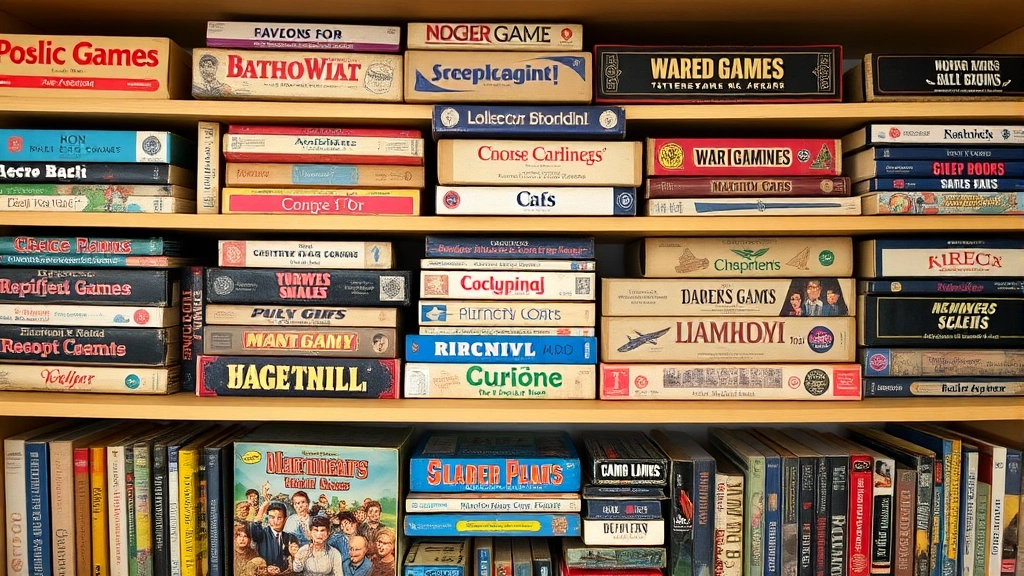
The 1950s and 1960s represent the golden age of bookshelf gaming, when American families embraced tabletop entertainment as a staple of home life. Games from this era feature distinctive aesthetic qualities—bold typography, vibrant colors, and imaginative illustrations—that define mid-century design. Collecting from this period means acquiring pieces of cultural history that shaped how families spent leisure time.
Scrabble (1938) stands as one of the most successful word games ever created. Early versions, particularly those from the 1940s-1950s with original artwork and wooden tiles, are highly collectible. The game’s elegant simplicity belies its lasting appeal, and vintage editions showcase the evolution of graphic design across decades.
Monopoly editions from the 1930s-1960s are particularly valuable to collectors. Early Parker Brothers editions feature significantly different artwork, tokens, and board designs compared to modern versions. Certain regional variants and special editions from this period are genuinely rare and command substantial prices among serious collectors.
Risk (1959) revolutionized strategy gaming by introducing accessible world conquest mechanics. Vintage editions feature beautiful map artwork and substantial wooden armies that feel satisfying to manipulate. The game’s timeless appeal means that even well-played copies retain significant value.
Clue (1949) represents mystery gaming at its finest. Early editions featured different suspect names and room configurations than modern versions, making them historically significant. The game’s elegant deduction mechanics remain engaging today, and collecting different editions traces the evolution of mystery gaming design.
Strategy Games That Changed Everything
Beyond the mainstream classics, vintage strategy games pushed mechanical boundaries and created entirely new genres. These titles appeal to both collectors and serious gamers who appreciate sophisticated rule systems and challenging gameplay.
Axis & Allies (1981) brought World War II strategy to accessible audiences. Early editions featured beautifully detailed plastic armies and historically accurate components. Collecting different versions from the 1980s-1990s shows how designers refined mechanics and expanded the game’s scope across multiple editions.
Avalon Hill titles represent the pinnacle of complex, historically-informed wargaming. Games like Squad Leader, Advanced Squad Leader, and Up Front feature intricate rulebooks and deeply thematic gameplay. These games appeal to dedicated hobbyists who view gaming as serious intellectual pursuit. Vintage Avalon Hill games are increasingly recognized as design masterpieces.
Wargaming classics like Tactics II and various SPI (Simulations Publications Inc.) titles created the foundation for modern strategy gaming. These games featured complex terrain systems, probability charts, and historically accurate scenarios. Collectors value these titles for their design innovation and historical significance.
Understanding how these vintage games influenced modern design helps contextualize their importance. Check out our best indie games for PC article to see how contemporary designers draw inspiration from classic mechanics.
Family Favorites from the Mid-Century Era
Not all valuable vintage games are complex strategy titles. Many beloved family games from the 1950s-1980s remain highly collectible because they capture an era’s aesthetic while delivering genuine entertainment value.
Candy Land (1949) introduced young children to board gaming through its colorful, whimsical design. Vintage editions feature absolutely stunning artwork that modern versions cannot replicate. The game’s simplicity is actually its strength—it provides a perfect introduction to gaming mechanics while maintaining visual appeal for adults.
Chutes and Ladders similarly represents innocent, accessible gaming from the post-war era. Vintage editions showcase charming illustrations and durable components designed for family use. These games appeal to collectors interested in gaming history and childhood nostalgia.
Sorry! (1934) combines luck and strategy in a package that remains engaging across generations. Early Parker Brothers editions feature beautiful board designs and substantial wooden pieces. The game’s enduring popularity means vintage copies are readily available, but first editions in excellent condition command premium prices.
Game of Life (1960) captured American optimism and aspiration through its engaging simulation mechanics. Vintage editions feature period-appropriate artwork and component design that reflects 1960s aesthetic sensibilities. The game’s evolution across editions makes collecting multiple versions historically fascinating.
Building Your Vintage Collection Wisely
Developing a meaningful vintage game collection requires strategy, patience, and informed decision-making. Rather than accumulating indiscriminately, thoughtful collectors focus on specific themes, eras, or designers that genuinely interest them.
Define your collecting focus. Some collectors specialize in particular decades, while others focus on specific genres, designers, or publishers. Parker Brothers, Milton Bradley, and Avalon Hill each produced distinctive games reflecting their design philosophies. Narrowing your focus helps you develop expertise and build a coherent collection.
Research thoroughly before purchasing. Verify production dates, identify different editions, and understand which versions are genuinely rare. Online communities, price guides, and auction sites provide valuable information. Connecting with other collectors through forums and social media helps you avoid overpaying for common games.
Condition matters significantly. Decide whether you’re collecting for play or display. Games in mint, unplayed condition command premium prices but may lack the charm of well-loved copies. Many collectors prefer games showing gentle play—they’re more affordable while still maintaining character and integrity.
Budget strategically. Vintage games range from affordable to astronomical in price. Setting a budget and prioritizing your wish list ensures you can build a collection aligned with your financial capacity. Remember that patience often yields better deals than rushing to acquire pieces.
For additional perspective on building gaming collections, our gaming PC build guide discusses how to invest thoughtfully in gaming infrastructure, principles that apply equally to physical game collecting.
Preservation and Maintenance Tips
Protecting your vintage game collection ensures these pieces remain enjoyable and valuable for future generations. Proper storage, handling, and maintenance practices prevent deterioration and preserve the games’ integrity.
Storage environment matters. Keep games in climate-controlled spaces away from direct sunlight, which fades artwork and degrades components. Humidity fluctuations cause warping and mold growth, so maintain stable moisture levels. Extreme temperatures damage cardboard, cardstock, and wooden pieces.
Box preservation is crucial. The original box is often the most valuable component of a vintage game. Store boxes vertically like books rather than stacking them, which causes crushing and warping. Acid-free storage boxes provide additional protection for extremely valuable pieces. Handle boxes with clean hands to prevent oils from transferring to cardboard.
Component care requires attention. Wooden pieces benefit from occasional light dusting but should never be washed or treated with oils. Cards and paper components need protection from moisture and physical damage. Consider using archival-quality sleeves for cards in frequently played games. Metal pieces benefit from occasional gentle cleaning but should never be polished aggressively.
Document your collection. Photograph each game, noting condition, edition details, and any unique characteristics. Keep detailed records including acquisition date, purchase price, and provenance information. This documentation proves invaluable for insurance purposes and helps future collectors understand your collection’s history.
Display thoughtfully. If displaying games, use UV-protective glass or acrylic to shield boxes from light damage. Ensure shelving can support the weight—vintage games are often heavier than modern versions. Rotate displayed games periodically to prevent uneven fading.
Connecting with other collectors through gaming communities enhances your preservation knowledge. Visit our Game Forge Daily Blog for ongoing discussions about gaming culture and collecting practices.
FAQ
What makes a vintage game valuable?
Multiple factors determine vintage game value: rarity (limited production or regional releases), condition (mint games command premiums), first edition status, completeness (all original pieces and box), and historical significance. Games designed by influential designers or those that revolutionized mechanics appreciate in value over time.
Where should I buy vintage games?
Reputable sources include specialized vintage game dealers, established auction houses, board game conventions, and online marketplaces with seller ratings. Estate sales and antique shops occasionally yield finds, though prices vary widely based on seller knowledge. Join collector communities to get recommendations for trustworthy dealers.
How can I authenticate vintage games?
Research the game’s publication history, including printing dates and edition variations. Compare your copy against documented examples in collector guides and online databases. Check for period-appropriate manufacturing techniques, materials, and artwork. Connect with experienced collectors who can verify authenticity based on their expertise.
Should I play vintage games or keep them sealed?
This depends on your collecting philosophy. Some collectors prioritize preservation and display, keeping games sealed or in mint condition. Others believe games should be enjoyed and played gently. Most collectors find balance—keeping rare first editions sealed while playing accessible vintage games.
How much should I expect to spend?
Vintage game prices range dramatically. Common games from the 1960s-1980s might cost $10-50. Mid-range collectibles typically run $50-200. Rare first editions and sought-after titles can exceed $1,000. Research comparable sales and set realistic budgets aligned with your collecting goals.
What’s the difference between vintage and antique games?
Generally, vintage games are 20-50 years old (roughly 1970s-2000s), while antique games are older than 100 years (pre-1920s). The distinction matters for valuation and collecting focus. True antique games are increasingly rare and command premium prices. Most modern collectors focus on vintage rather than antique titles.
How do I start collecting with limited budget?
Begin with affordable games from the 1970s-1980s that interest you personally. Focus on games you’d actually enjoy playing rather than purely investment pieces. Develop expertise in one genre or publisher before expanding. Patience yields better deals than rushing acquisitions. Build relationships with dealers who offer better pricing for regular customers.