
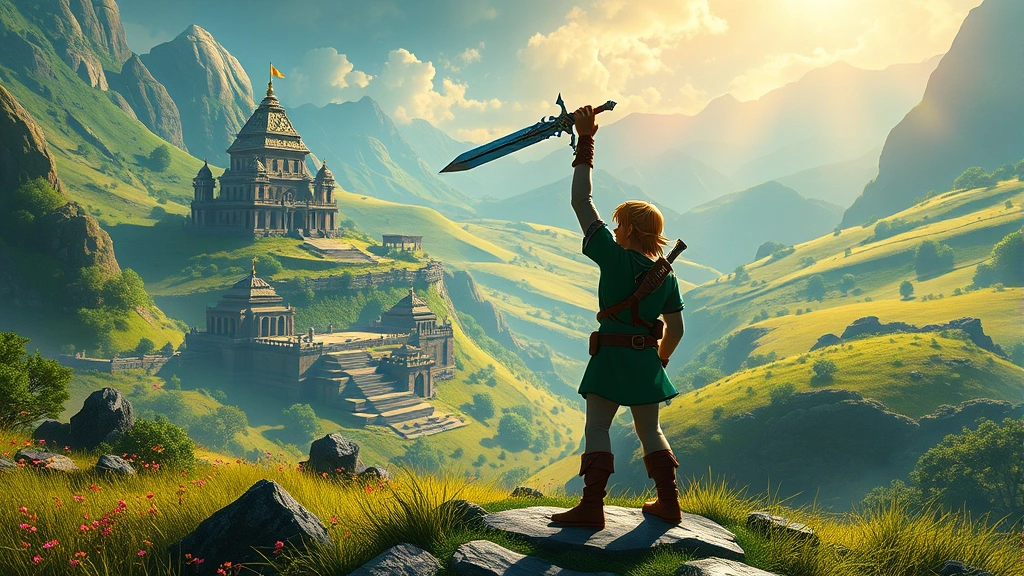
Top Zelda Games Ranked! Expert Review
The Legend of Zelda franchise stands as one of gaming’s most iconic and beloved series, captivating players across generations with its perfect blend of exploration, puzzle-solving, and adventure. Since Link first picked up a sword in 1986, Nintendo has crafted masterpieces that have defined what adventure gaming can be. Whether you’re a longtime fan or discovering these games for the first time, understanding which Zelda titles deserve your precious gaming time is essential. This comprehensive ranking breaks down the absolute best Zelda games, examining what makes each one special and why they’ve earned their place in gaming history.
Ranking Zelda games is no easy task—each entry brings something unique to the table, from revolutionary gameplay mechanics to breathtaking world design. We’ve analyzed gameplay depth, innovation, story impact, and lasting appeal to create this definitive ranking. If you enjoy exploring curated lists of exceptional games, you might also appreciate our guide to the best party games for more gaming recommendations across different genres.
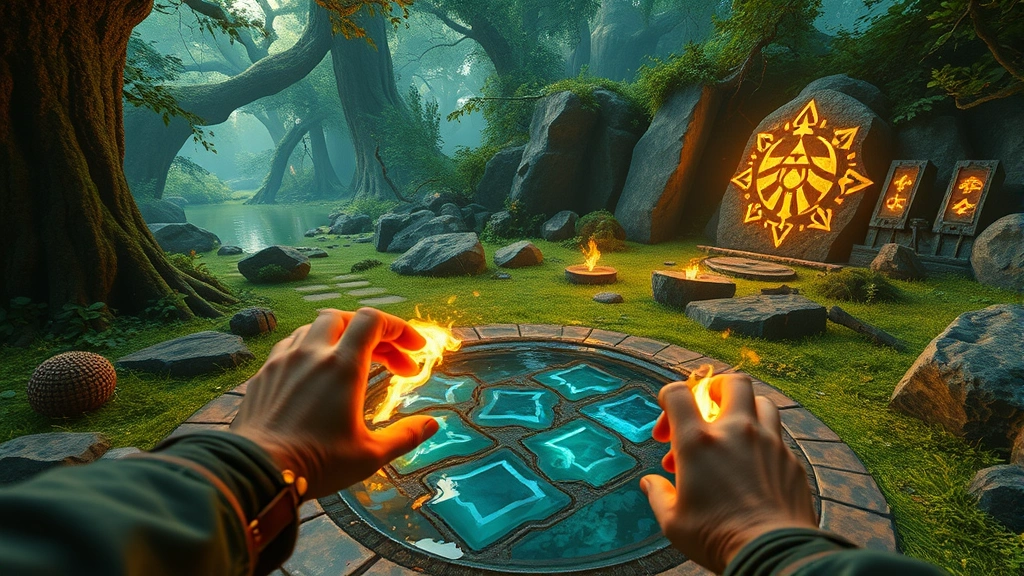
Breath of the Wild – The Revolutionary Masterpiece
The Legend of Zelda: Breath of the Wild fundamentally changed open-world game design when it launched alongside the Nintendo Switch in 2017. This game redefined what players expect from adventure titles by offering unprecedented freedom in how you approach objectives. Rather than following a linear path, you can tackle dungeons in nearly any order, approach enemies with creative strategies, and explore a vast landscape filled with secrets and surprises.
The genius of Breath of the Wild lies in its environmental puzzle design and physics system. Every object in the world can interact with Link and his abilities in meaningful ways. Need to cross a chasm? Use fire to create updrafts. Want to solve a puzzle? Try combining different environmental elements. This philosophy of “try anything” empowers players like few games ever have. The weapon durability system, initially controversial, brilliantly encourages experimentation since no tool feels precious or irreplaceable.
Combat feels satisfying whether you’re engaging in direct sword fights or orchestrating elaborate traps using the environment. The stealth mechanics work beautifully, allowing you to sneak past entire enemy camps or eliminate them silently. With over 120 shrines to discover, 900 Korok seeds to find, and four major dungeons that showcase incredible design, Breath of the Wild offers hundreds of hours of engaging content. It’s not just the best Zelda game—it’s arguably one of the finest games ever created, influencing industry design philosophy for years to come.

Ocarina of Time – The 3D Pioneer
When The Legend of Zelda: Ocarina of Time launched on the Nintendo 64 in 1998, it established the blueprint for 3D adventure games that developers still follow today. This wasn’t just a great Zelda game; it was a revolutionary title that showed the industry how to transition beloved franchises into three dimensions successfully. The game’s influence cannot be overstated—it created the template for camera systems, lock-on targeting, and exploration in 3D spaces that countless games have adopted.
The dual-timeline structure—playing as young Link and adult Link—provides variety and allows the narrative to explore meaningful themes about growing up and responsibility. The time-travel mechanic isn’t just a gimmick; it fundamentally changes how you experience Hyrule. Locations transform between timelines, revealing environmental storytelling that rewards observation and encourages revisiting familiar areas. The seven main dungeons are masterclasses in puzzle design, each introducing new mechanics and building on previous concepts in intelligent ways.
Ocarina of Time’s Z-targeting system revolutionized how players interact with 3D games, creating a focus system that remains relevant in modern titles. The ocarina playing mechanic adds musicality to gameplay, and the various songs you learn provide both mechanical function and emotional resonance. Even today, the game holds up remarkably well, though some dated camera angles occasionally frustrate modern players accustomed to more responsive controls. This is essential playing for anyone interested in gaming history or Zelda excellence.
Tears of the Kingdom – The Evolution Continues
The Legend of Zelda: Tears of the Kingdom took the foundation Breath of the Wild established and expanded it in nearly every direction. Released in 2023, this sequel proves that Nintendo understood exactly what made its predecessor special while identifying meaningful ways to enhance the experience. The Ultrahand ability—which lets you grab, move, and attach objects together—opens up even more creative problem-solving possibilities than the original game offered.
The addition of Fuse mechanics allows you to combine weapons with various materials, creating custom tools that feel personal to your playstyle. Want to attach a flame to your sword? Done. Create an elaborate rolling contraption to solve a puzzle? Absolutely possible. This depth of customization extends the experimentation philosophy of Breath of the Wild into new territory. The sky islands add a vertical dimension to exploration that previous games lacked, and the underground regions provide darker, more mysterious areas to discover.
Tears of the Kingdom respects player time by making exploration rewarding at every turn. Hidden caves, secret shrines, and environmental puzzles are scattered throughout the world, encouraging you to examine your surroundings carefully. The narrative explores themes of sacrifice and rebirth more directly than its predecessor, with memorable character moments that enhance emotional investment. While some feel the core formula doesn’t deviate enough to justify being a full sequel, the refinements and additions make this an outstanding continuation of the Zelda legacy.
Majora’s Mask – The Ambitious Experiment
The Legend of Zelda: Majora’s Mask remains gaming’s boldest experiment in consequence-driven design. Rather than exploring a vast world, you navigate a three-day cycle repeatedly, with the world’s fate resetting unless you use the Ocarina to turn back time. This structure sounds restrictive, but it creates incredible tension and encourages thoughtful planning. You can’t explore everywhere—you must choose what matters most, creating a unique sense of urgency absent from other Zelda titles.
The mask transformation system provides mechanical variety that’s genuinely exciting. Becoming a Deku Scrub, Goron, or Zora fundamentally changes how you interact with the world and solve puzzles. Each transformation feels distinct with unique abilities and combat styles. The Fierce Deity transformation delivers incredible power and satisfying combat, serving as a reward for collecting all masks. Beyond the main transformations, dozens of smaller masks offer additional benefits or cosmetic changes, rewarding thorough exploration.
Majora’s Mask tells a darker, more introspective story than typical Zelda entries. The haunting atmosphere, melancholic music, and focus on individual stories within the larger narrative create an experience that lingers long after completion. While the three-day structure and limited exploration might not appeal to everyone, those who embrace the game’s unique design find one of gaming’s most memorable adventures. The Clock Town area becomes a character itself, with NPCs following daily routines and personal story arcs that you piece together through observation and interaction.
Wind Waker – The Artistic Triumph
The Legend of Zelda: Wind Waker proved that Zelda games could succeed with radically different artistic direction. The cel-shaded visual style was controversial when announced but has aged beautifully, creating a timeless aesthetic that still looks charming and appealing decades later. The ocean setting provides a refreshing change from typical Zelda environments, and sailing across the sea while discovering islands creates a genuine sense of adventure and exploration.
The game’s dungeons are exceptional, featuring creative themes and intricate puzzle design that showcases the development team’s design mastery. The Forsaken Fortress segments, where you infiltrate an enemy stronghold, provide thrilling stealth sequences that break up traditional dungeon crawling. The story of the flooded world and the remnants of ancient Hyrule adds melancholic depth to the adventure, exploring themes of legacy and change. The relationship between Link and Tetra develops naturally, creating genuine emotional investment in their journey.
While the Triforce hunt in the late game represents a pacing misstep that the HD remaster improved, Wind Waker’s core experience remains outstanding. The sailing mechanic, initially criticized for being tedious, actually provides valuable meditation time between action sequences. The game’s music, composed by Kota Suzuki, ranks among the finest video game soundtracks ever created. If you enjoy games that aren’t afraid to take artistic risks, Wind Waker demonstrates how style and substance work together to create gaming magic. For more recommendations on exceptional games, check out our best games on Game Pass for additional titles worth your time.
A Link to the Past – The 2D Classic
The Legend of Zelda: A Link to the Past defined the 2D adventure formula and remains the gold standard for sprite-based action games. Released on the Super Nintendo, this game demonstrated that Zelda’s appeal transcended the original 8-bit hardware. The parallel worlds—the Light World and Dark World—provide meaningful variation while maintaining cohesive level design. Discovering how the Dark World mirrors the Light World creates satisfying moments of understanding and exploration.
The dungeon design in A Link to the Past is methodical and rewarding, with each dungeon introducing new items that not only solve its puzzles but become useful in future dungeons and exploration. This interconnected design philosophy encourages players to think about how tools function across different contexts. The overworld, while smaller than modern open worlds, is densely packed with secrets, hidden caves, and environmental storytelling that rewards thorough exploration. The difficulty curve feels perfectly balanced, providing appropriate challenges at each stage of progression.
A Link to the Past’s influence on game design cannot be overstated. Its structure of finding items, solving dungeons, and progressively gaining power established patterns that countless games have followed. The game respects player intelligence, providing minimal hand-holding while ensuring the critical path remains clear. The soundtrack, featuring iconic themes that have become synonymous with Zelda itself, elevates emotional moments and exploration sequences. This is essential gaming history that remains thoroughly enjoyable for modern players.
Twilight Princess – The Dark Adventure
The Legend of Zelda: Twilight Princess brought a mature, darker aesthetic to the series while maintaining the gameplay excellence fans expect. The wolf transformation provides mechanical variety and unique puzzle-solving opportunities, though some feel it’s underutilized. The motion controls in the Wii version divided players, but the HD remaster on Switch provides traditional controls that many prefer. The game’s atmosphere is notably darker than most Zelda entries, with themes of corruption, loss, and redemption explored throughout the narrative.
Midna, the Twilight Princess companion, becomes genuinely important to the story and characters in ways that enhance emotional investment. The relationship between Link and Midna develops meaningfully, creating moments of genuine poignancy. The dungeons showcase incredible design, with each presenting unique challenges and memorable set pieces. The boss battles feel epic and challenging, requiring pattern recognition and tactical thinking rather than simple button mashing. The game’s scope feels appropriately grand, with a world that feels worth exploring despite its darker tone.
While Twilight Princess doesn’t revolutionize the formula like Breath of the Wild did, it represents traditional Zelda design at its finest. The story of the Twilight Realm invasion and the quest to restore light to the world provides meaningful narrative context for your actions. The game’s pacing could be tighter—some players find the opening hours slow—but once the adventure truly begins, the experience becomes compelling and difficult to put down. This is excellent traditional Zelda gaming for those seeking a more linear, story-focused experience.
Skyward Sword – Motion Control Innovation
The Legend of Zelda: Skyward Sword attempted to revolutionize combat through motion controls, with mixed results that divided the fanbase. The 1:1 sword motion mechanics created a more active, physical approach to combat that felt genuinely fresh and engaging when it worked properly. The game’s motion-controlled flying and various environmental interactions showcased Wii remote possibilities in creative ways. The OLED Switch version eliminated many motion control frustrations, making the experience more accessible and enjoyable for modern players.
The sky setting provides a unique aesthetic different from typical Zelda environments, and the various sky islands offer distinct visual themes and exploration opportunities. The timeshift stones mechanic, which ages environments forward or backward, creates interesting puzzle possibilities and environmental storytelling. The narrative explores the origins of the Master Sword and Hyrule itself, providing lore that resonates with longtime series fans. The relationship between Link and Zelda develops naturally throughout the adventure, creating emotional stakes for the final confrontation.
Skyward Sword’s greatest weakness is its reliance on motion controls, which can feel imprecise or frustrating depending on your hardware and play style. The game also features extended tutorial sequences and repeated boss fights that pad playtime without adding meaningful content. However, the core adventure remains solid, with dungeons that showcase creative design and a story that rewards attention. For those willing to embrace its unique approach, Skyward Sword offers a distinctly memorable Zelda experience that shouldn’t be dismissed.
Link’s Awakening – The Handheld Gem
The Legend of Zelda: Link’s Awakening proves that handheld Zelda games can rival their console counterparts. Originally released on Game Boy, this adventure demonstrated that technical limitations needn’t restrict creativity or fun. The game’s world feels surprisingly complete despite its smaller scope, with distinct locations that each have personality and purpose. The mysterious dream setting creates an unsettling atmosphere that makes the experience feel different from typical Zelda adventures.
Link’s Awakening introduced the dungeon-building mechanic through the Seashell Mansion, allowing players to customize their experience in meaningful ways. The game’s puzzles are clever and often require lateral thinking rather than simply following obvious paths. The various instruments you collect serve as both plot devices and mechanical tools, with each one changing how you interact with the world. The game’s ending, which I won’t spoil, provides surprising emotional resonance and raises interesting questions about the nature of the game world itself.
The Nintendo Switch remake modernized the graphics and added a dungeon creation mode that provides additional content for dedicated players. However, the original Game Boy version remains impressive for its technical achievement and thoughtful design. Link’s Awakening deserves recognition as more than just a handheld curiosity—it’s a complete, well-crafted adventure that stands proudly alongside console entries. If you enjoy exploring diverse gaming experiences, you might appreciate our guide to best family games that offer quality experiences for various skill levels.
Honorable Mentions
Several other Zelda games deserve recognition for their contributions to the series, even if they don’t crack the top tier. The Legend of Zelda: Oracle of Seasons and Oracle of Ages represented Game Boy Color’s capabilities impressively, offering substantial adventures that proved handheld gaming could deliver console-quality experiences. Four Swords Adventures brought multiplayer cooperation to the series with charm and creativity, though it remains somewhat obscure compared to other entries.
The Legend of Zelda: A Link Between Worlds successfully modernized A Link to the Past’s formula with the wall-merging mechanic and non-linear dungeon progression, creating a game that felt both nostalgic and innovative. The Legend of Zelda: The Minish Cap introduced size-changing mechanics that created interesting puzzle possibilities and exploration opportunities on the Game Boy Advance. Spirit Tracks brought train-based exploration to the handheld platform, offering a unique take on traversal despite its reliance on stylus controls.
For those interested in exploring more game recommendations across different genres, our comprehensive guide to fun family games provides excellent suggestions that appeal to various age groups and preferences. Additionally, if you’re building a collection of exceptional games, our best board games of all time article offers recommendations for tabletop experiences that provide different types of entertainment value.
The original The Legend of Zelda deserves eternal respect as the game that defined the action-adventure genre. While it hasn’t aged as gracefully as some later entries, the clever level design and sense of discovery remain impressive. Zelda II: The Adventure of Link remains divisive for its departure from typical Zelda formula, but its side-scrolling perspective and action RPG elements created a unique experience that influenced game design in unexpected ways.
What Makes a Zelda Game Great
Understanding what separates the best Zelda games from the rest reveals patterns that define the series’ excellence. Dungeon design stands as paramount—each dungeon should introduce new mechanics, build on existing concepts, and challenge players to think creatively about problem-solving. The greatest Zelda games feature dungeons where the environment itself becomes a puzzle, and progression feels earned through understanding and observation.
Exploration rewards create lasting engagement and encourage players to examine their surroundings thoroughly. Whether through hidden caves, optional puzzles, or environmental secrets, discovering something unexpected keeps players motivated to explore every corner. The best Zelda games respect player curiosity by ensuring that thoroughness yields genuine rewards rather than feeling like busywork.
Mechanical innovation prevents the series from feeling stale. Whether through new items, transformation abilities, or environmental interaction systems, fresh mechanics provide gameplay variety and keep the adventure feeling fresh. The greatest Zelda games introduce mechanics that feel intuitive yet open unexpected possibilities for creative problem-solving.
Narrative coherence ensures that story elements enhance rather than interrupt gameplay. The best Zelda games weave narrative naturally into exploration and puzzle-solving, making the story feel like a natural consequence of your actions rather than an external layer imposed on top of mechanics. Characters should develop meaningfully, and the world should feel alive with its own concerns beyond serving as your playground.
Pacing and progression guide players through increasingly complex challenges at an appropriate pace. The best Zelda games introduce difficulty gradually, teaching you systems through play rather than exposition. The sense of progression—gaining new abilities that unlock new areas and possibilities—creates satisfying feedback loops that make players feel genuinely more capable as they advance.
Playing Through the Zelda Series
If you’re planning to experience the best Zelda games, consider starting with Breath of the Wild if you want modern game design and freedom, or Ocarina of Time if you prefer understanding the series’ historical context and influence. From there, branch into games that appeal to your preferences—if you enjoyed Breath of the Wild, Tears of the Kingdom offers natural progression. If you prefer traditional dungeon-based adventures, A Link to the Past, Wind Waker, or Twilight Princess provide excellent experiences.
Don’t overlook handheld entries like Link’s Awakening or the Oracle games—they demonstrate that Zelda excellence isn’t restricted to console hardware. Majora’s Mask deserves a playthrough for its unique structure, though its time-pressure mechanics aren’t for everyone. Skyward Sword works best on Switch with the motion control improvements, and it provides valuable lore for series enthusiasts.
Consider checking out authoritative sources like IGN’s Zelda coverage for additional perspectives and in-depth reviews of specific titles. GameSpot’s reviews provide thorough analysis of recent entries. Metacritic aggregates critic reviews, helping you understand critical consensus around each game. The Zelda subreddit community offers passionate fan perspectives and discussion.
Return to our Game Forged Daily Blog for more gaming recommendations and in-depth analysis of franchises you love.
FAQ
Which Zelda game should I play first?
If you’re new to the series, Breath of the Wild offers the most accessible entry point with modern game design and freedom to explore. If you want historical context, Ocarina of Time shows the series’ foundation. Both are excellent choices depending on whether you prioritize modern gameplay or understanding gaming history.
Is Tears of the Kingdom better than Breath of the Wild?
Tears of the Kingdom builds on Breath of the Wild’s foundation with additional mechanics and refinements, but whether it’s “better” depends on personal preference. Some prefer the original’s streamlined design, while others appreciate the sequel’s expanded possibilities. Both are exceptional games worthy of your time.
Why is Majora’s Mask so different from other Zelda games?
Majora’s Mask deliberately departed from traditional Zelda design to create a more experimental, consequence-driven experience. The three-day cycle and mask transformation system create unique gameplay and atmosphere that distinguish it from other entries. This uniqueness makes it memorable but also means it’s not for everyone.
Can I skip older Zelda games and jump to recent ones?
Absolutely! Zelda games are largely standalone adventures with minimal plot connections between entries. Each game tells its own story, so you can jump into any entry that appeals to you without missing crucial context. However, playing through the series’ history provides rewarding perspective on how the franchise evolved.
Which Zelda game has the best story?
Story quality varies by entry—Majora’s Mask offers the most introspective narrative, Wind Waker provides emotional depth, and Twilight Princess explores mature themes. Breath of the Wild and Tears of the Kingdom tell more environmental stories through world design than traditional narrative. Your preference depends on what story type resonates with you.
Are handheld Zelda games as good as console versions?
Absolutely! Link’s Awakening, Oracle of Seasons/Ages, and The Minish Cap demonstrate that handheld limitations don’t restrict Zelda excellence. These games offer complete, well-designed adventures that stand proudly alongside their console counterparts.
What makes Breath of the Wild so influential?
Breath of the Wild revolutionized open-world design by prioritizing player freedom and environmental interaction over linear progression. Its “try anything” philosophy, physics-based puzzles, and non-linear structure influenced countless subsequent games and changed industry expectations for open-world design.