
Top Children’s Card Games: Expert Recommendations for Fun Family Entertainment
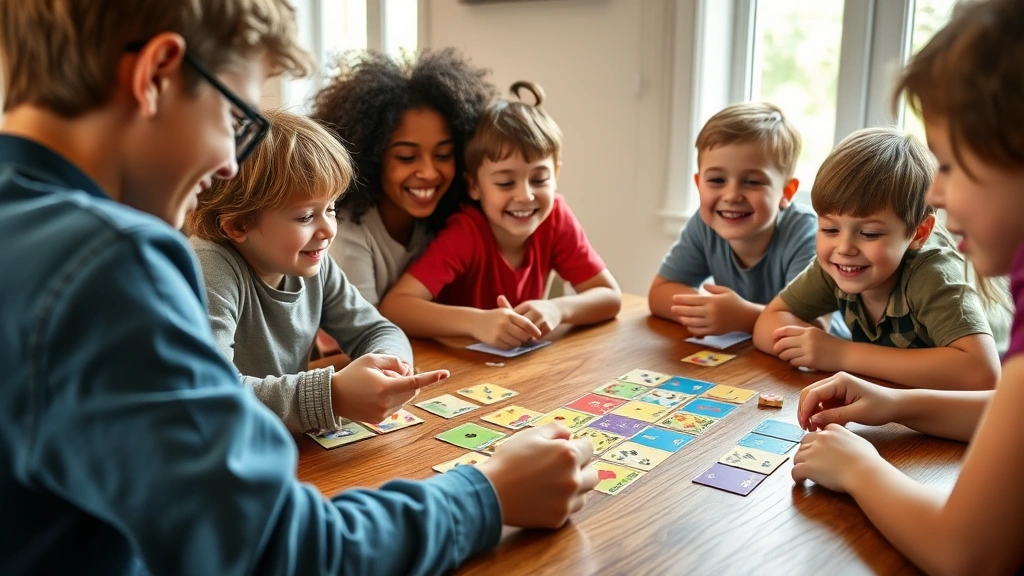
Card games have been a cornerstone of childhood entertainment for generations, offering more than just fun—they develop critical thinking, strategic planning, and social skills. Whether you’re a parent seeking engaging activities, a teacher looking for classroom entertainment, or a guardian wanting quality time with kids, children’s card games provide endless hours of enjoyment without screens. The beauty of card games lies in their simplicity, portability, and ability to bring families together around a table.
Modern card games designed for children have evolved dramatically from traditional decks. Today’s market offers colorful, thematic options that capture young imaginations while teaching valuable lessons about turn-taking, memory, and friendly competition. From lightning-fast matching games to strategic adventures, there’s something for every age group and interest level. Our expert recommendations highlight the best children’s card games that combine educational value with genuine entertainment.
Classic Card Games That Stand the Test of Time
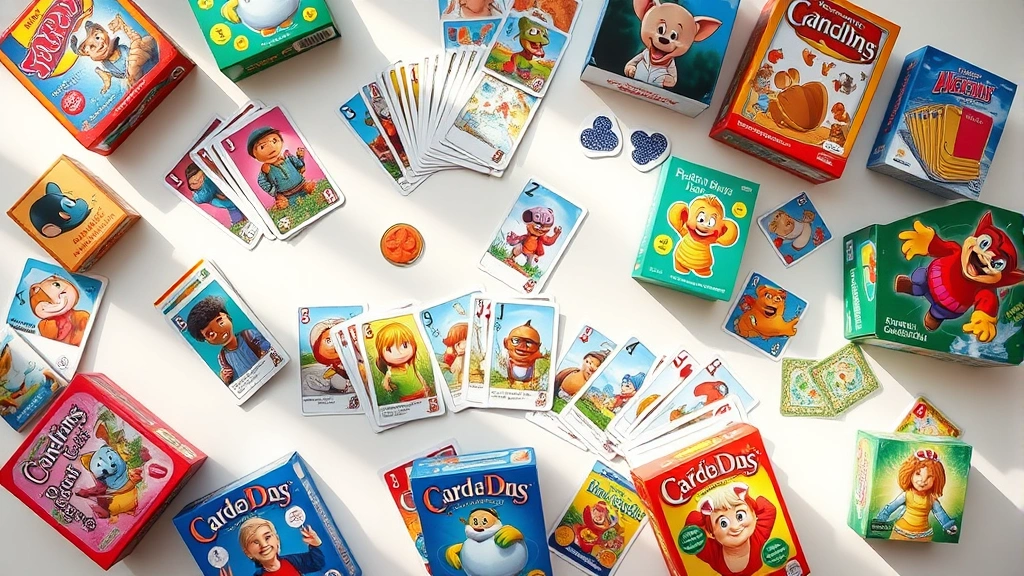
When discussing best board games of all time, we can’t overlook the timeless card games that have entertained children for decades. Crazy Eights remains a perfect introduction to card gaming, teaching children about matching suits and numbers while keeping gameplay simple enough for preschoolers yet engaging for older kids. The unpredictability of special cards keeps everyone on their toes, and games move quickly enough to maintain attention spans.
Go Fish is arguably the most accessible card game for young children, requiring minimal rules while teaching memory and matching skills. Its simplicity makes it ideal for children as young as three or four years old. The social interaction component—asking other players for specific cards—develops communication skills naturally. Parents often find that Go Fish serves as the perfect gateway game, introducing children to the concept of turn-based gaming.
Spit (also called Speed) combines luck with quick reflexes, making it thrilling for children who enjoy fast-paced action. The game teaches number recognition and quick decision-making while maintaining excitement throughout. Unlike turn-based games, Spit’s simultaneous gameplay means no child sits idle waiting for their turn, keeping energy levels high.
War offers pure simplicity—flip cards, highest number wins. While it requires no strategy, War teaches children about comparing numbers and introduces concepts of winning and losing gracefully. It’s perfect for very young children or as a quick filler game between more complex options.

Strategic Card Games for Developing Young Minds
As children develop cognitively, they’re ready for games requiring genuine strategic thinking. Uno stands as the gold standard for children’s card games, introducing color and number matching with special action cards that add unpredictability. The strategic element emerges when children learn to hold onto Wild cards for crucial moments or recognize when opponents are close to winning. Uno teaches forward-thinking and teaches children to observe what others are playing.
Sushi Go! represents modern board game design adapted for cards, offering surprising depth wrapped in an adorable package. Players draft cards simultaneously, selecting which sushi combinations to pursue while blocking opponents from completing their sets. The game teaches resource management and forward planning—children must think several rounds ahead. It’s appropriate for ages eight and up, making it perfect for family game nights where age ranges vary.
Splendor: Quick Play brings engine-building mechanics to a card game format accessible to children. Players collect gem tokens to purchase development cards, gradually building an economic engine. The game teaches long-term planning, resource management, and understanding how current actions affect future possibilities. Children learn to balance immediate gains against long-term strategy.
Hanabi offers a unique cooperative experience where players work together against the game itself. The catch—players see everyone else’s cards but not their own, and communication is strictly limited. This game develops problem-solving, logical deduction, and teamwork while creating memorable moments of triumph or hilarious miscommunication.
Fast-Paced Games Perfect for Quick Play Sessions
Sometimes you need games that fit into busy schedules. Exploding Kittens delivers chaotic fun in under fifteen minutes, combining luck, strategy, and hilarious outcomes. The card illustrations appeal to kids while the gameplay remains engaging for adults. Each game feels different thanks to the randomness factor, ensuring repeated plays stay fresh.
Love Letter fits in your pocket and plays in five minutes, making it perfect for travel or quick entertainment breaks. Players deduce who holds the Princess card through logical elimination and luck. The lightning-fast rounds mean children who lose early can jump into the next game quickly, maintaining engagement throughout.
Skull King combines trick-taking mechanics with pirate theming that captivates children’s imaginations. Players bid on tricks they’ll win, then play cards to fulfill (or fail) their predictions. The bidding system adds a strategic layer while keeping individual rounds swift. Games typically last twenty to thirty minutes, making it ideal for after-school entertainment.
Pit brings controlled chaos to the card game table with simultaneous trading and shouting. Children experience the thrill of negotiation, quick thinking, and the excitement of frantic table action. While traditionally played with commodity cards, the pit trading mechanic works wonderfully with themed card variants designed specifically for younger players.
Themed Card Games That Spark Imagination
Thematic games transport children to fantastical worlds while teaching game mechanics. Unstable Unicorns combines absurdist humor with strategic card play, appealing to children who enjoy silly, imaginative scenarios. Players build unicorn armies with magical powers, creating ridiculous combinations that lead to genuine laughter. The game works as both entertainment and a gateway to understanding how card combinations create powerful effects.
Dragonwood
Taco Cat Goat Cheese Pizza
Hoot Owl Hoot
Cooperative Games That Teach Teamwork
Cooperative games represent a paradigm shift from traditional competitive card games. Forbidden Island
The Resistance-style social deduction games like One Night Ultimate Werewolf
For purely cooperative card experiences, Pandemic: The Cure translates the popular board game to dice and cards, requiring players to work together to cure diseases before they spread globally. Children learn about prioritization, resource management, and supporting teammates. The game teaches that individual success means nothing if the team loses. Exploring best party games often reveals that cooperative mechanics create stronger social bonds than competitive ones. Children remember the games where they laughed together and overcame challenges as a team more vividly than games where someone simply won. Consider Age and Attention Span: Younger children need games with simple rules and quick rounds. A five-year-old won’t enjoy a game requiring thirty minutes of strategic planning, but a ten-year-old might find simple matching games too basic. Match game complexity to developmental stage. Evaluate Player Count: Some games shine with exactly three players while others need five or more. Check whether you’re typically playing with siblings, in classroom settings, or at family gatherings, then select games matching your usual group size. Think About Social Dynamics: Competitive children might love head-to-head games, while sensitive children thrive with cooperative options. Some kids enjoy luck-based games where anyone can win, while others prefer skill-based games rewarding learning and improvement. Check Component Quality: Games with sturdy cards and appealing artwork get played more frequently. Children are more excited about games with beautiful illustrations and durable components that withstand repeated use. Look for Replayability: Games with variable setups, random elements, or strategic depth remain interesting after multiple plays. Games that play identically every time get boring quickly, while games with genuine variability maintain engagement. When exploring card games for kids, consider how the game teaches valuable skills while providing entertainment. The best children’s card games achieve both simultaneously. Research Reviews and Ratings: Check resources like BoardGameGeek for detailed reviews from parents and educators who’ve tested games extensively. Reading multiple perspectives helps identify whether a game suits your specific situation. Start Simple and Progress: Introduce children to games gradually, starting with simpler options before advancing to more complex games. This progression builds confidence and prevents frustration from overwhelming rule sets. Remember that Game Forged Daily Blog regularly updates recommendations based on new releases and evolving gaming trends, ensuring you stay current with the latest children’s card games hitting the market. The investment in quality children’s card games pays dividends through family bonding, skill development, and genuine entertainment. Unlike digital entertainment, card games encourage face-to-face interaction, conversation, and the kind of unstructured fun that builds lasting memories. Whether you’re introducing children to gaming for the first time or expanding an existing collection, these expert recommendations provide excellent starting points for discovering games your family will treasure. Go Fish is universally recommended as the perfect first card game. It requires minimal rules, teaches matching and memory skills, and works for children as young as three years old. The social interaction of asking other players for specific cards develops communication naturally. Check the manufacturer’s recommended age range, but also consider your child’s specific interests and abilities. A precocious five-year-old might handle games recommended for seven-year-olds, while some eight-year-olds prefer simpler games. Reading parent reviews on gaming sites helps identify whether games suit your child’s maturity level. Absolutely. Card games teach number recognition, matching, memory, strategic thinking, turn-taking, and social skills like good sportsmanship and handling both winning and losing. Many teachers incorporate card games into classroom activities specifically for their educational benefits. Children’s card games feature simpler rules, shorter play times, and themes appealing to younger audiences. They typically require less strategic depth and faster decision-making. However, quality children’s games offer genuine entertainment value for adults too, making them excellent family games. Quality matters more than quantity. Three to five well-chosen games that suit your family’s preferences will see more play than a dozen mediocre options. Focus on games everyone enjoys rather than collecting extensively. Many educators and therapists recommend card games for children with ADHD or learning challenges. Games with quick turns maintain engagement, while games with clear rules and visual elements support learning. Cooperative games reduce frustration, while strategic games build problem-solving skills. Consult with educators about games matching specific needs. Check resources like IGN’s board game section and GameSpot for contemporary game reviews. BoardGameGeek offers comprehensive databases with parent and educator reviews. Local board game cafes often have demo copies available for testing before purchasing.Tips for Choosing the Right Game for Your Child
FAQ
What’s the best first card game for a young child?
How do I know if a card game is age-appropriate?
Are card games educational?
What’s the difference between children’s card games and adult card games?
How many card games should a family have?
Can card games help with ADHD or learning challenges?
Where can I find recommendations for new children’s card games?