
Top Cornish Game Hen Recipes: Chef Approved
Cornish game hens are the ultimate culinary game-changer for home cooks and professional chefs alike. These petite, tender birds offer a sophisticated alternative to traditional chicken, delivering restaurant-quality results with minimal effort. Whether you’re hosting an intimate dinner party or preparing a special family meal, Cornish game hen recipes provide the perfect canvas for creative cooking techniques and bold flavor combinations.
With their compact size and delicate meat, Cornish game hens cook faster than their larger counterparts while maintaining exceptional tenderness and juiciness. Each bird serves one to two guests, making them ideal for elegant plating and individual presentations. The versatility of these birds means you can prepare them using virtually any cooking method—roasting, grilling, braising, or pan-searing—while achieving consistently impressive results.
This comprehensive guide explores the best chef-approved Cornish game hen recipes, cooking techniques, and flavor profiles that will elevate your dinner table. From classic preparations to contemporary innovations, you’ll discover how to transform these remarkable birds into unforgettable meals.
Understanding Cornish Game Hens
Cornish game hens represent a hybrid breed developed in the 1950s by crossing Cornish chickens with White Plymouth Rocks. These birds typically weigh between 1.5 to 2.5 pounds and feature remarkably tender, flavorful meat despite their small size. The meat-to-bone ratio in Cornish game hens is superior to standard chickens, offering more edible meat per pound.
The appeal of Cornish game hens extends beyond their culinary qualities. They offer practical advantages for home cooks: reduced cooking times (typically 45-60 minutes), individual portions for elegant presentation, and the ability to customize each bird with different seasonings or preparations. Professional chefs appreciate these birds for their consistency, reliability, and the impressive visual impact they create on the plate.
When selecting Cornish game hens at your local market or specialty butcher, look for birds with unblemished skin and a pleasant aroma. Fresh birds are preferable to frozen, though frozen varieties work exceptionally well when properly thawed. Most quality butchers can order premium specimens if you’re planning a special meal.
Classic Herb-Roasted Cornish Game Hen
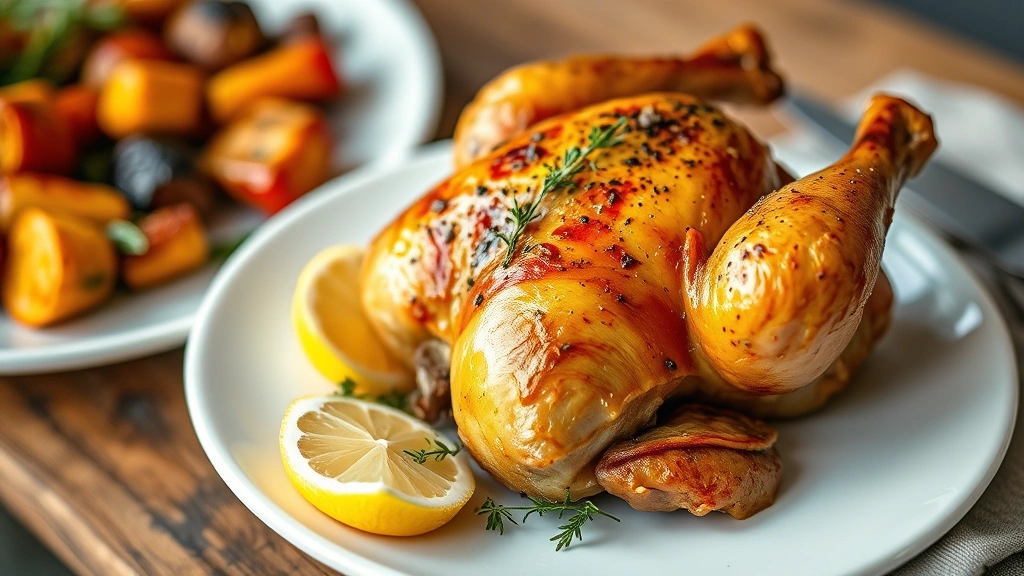
The classic herb-roasted preparation remains the gold standard for showcasing the natural flavors of Cornish game hen. This foundational recipe demonstrates why these birds have earned their place in fine dining establishments worldwide.
Ingredients: Two 2-pound Cornish game hens, 4 tablespoons softened butter, 2 tablespoons fresh thyme, 1 tablespoon fresh rosemary, 3 cloves minced garlic, zest of one lemon, sea salt, freshly ground black pepper, and 1 cup chicken stock.
Preparation Method: Begin by patting the hens dry with paper towels—this crucial step ensures crispy skin. Mix softened butter with fresh herbs, minced garlic, and lemon zest to create an aromatic compound butter. Gently loosen the skin on each hen and distribute half the herb butter under the skin, working carefully to avoid tears. Rub the remaining butter over the exterior, season generously with salt and pepper, and tie the legs together with kitchen twine.
Place the prepared hens on a roasting rack in a preheated 425°F oven. Roast for 45-55 minutes, basting every 15 minutes with pan juices. The birds are done when the internal temperature reaches 165°F at the thickest part of the thigh. Transfer to a cutting board and rest for 10 minutes before serving.
The herb-roasted preparation pairs beautifully with roasted root vegetables, creamed spinach, or wild mushroom risotto. Consider the fun family games you might enjoy while enjoying this classic dinner with loved ones.
Mediterranean-Inspired Preparation
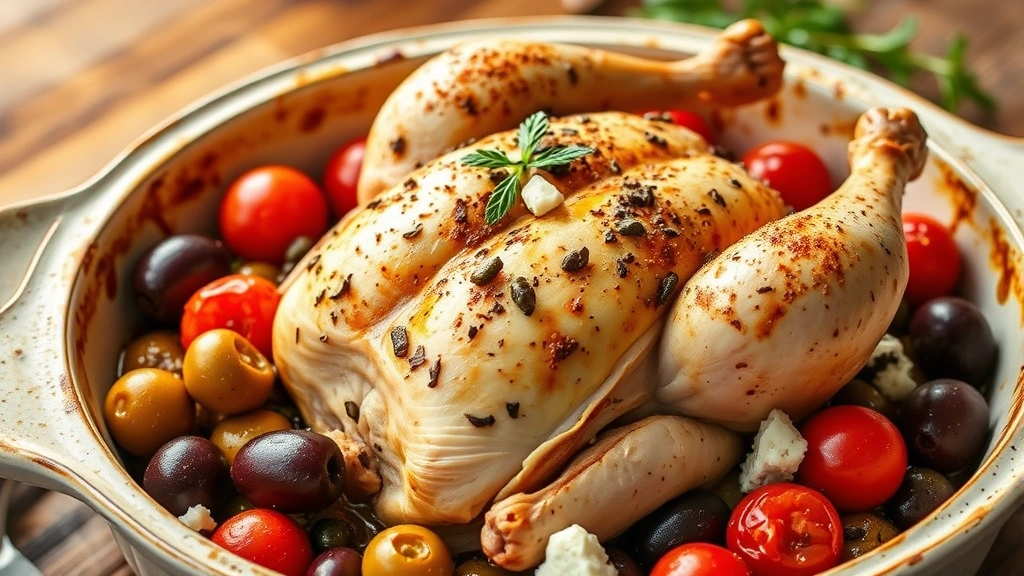
Mediterranean flavors create a vibrant, sun-soaked preparation that transports your palate directly to the coastal regions of Southern Europe. This recipe incorporates olives, capers, tomatoes, and aromatic herbs that complement the delicate chicken meat beautifully.
Ingredient Highlight: Kalamata olives, capers, sun-dried tomatoes, fresh oregano, feta cheese, and a quality olive oil form the foundation of this Mediterranean preparation. The combination of briny, acidic, and herbaceous flavors creates complex taste dimensions.
Cooking Technique: Score the skin of each hen in a crosshatch pattern to allow Mediterranean seasonings to penetrate. Create a marinade using olive oil, lemon juice, minced garlic, oregano, salt, and pepper. Marinate the hens for 4-8 hours in the refrigerator. When ready to cook, place each hen in a baking dish surrounded by kalamata olives, capers, cherry tomatoes, and sliced red onions. Pour the marinade over the birds and roast at 400°F for 50-60 minutes, basting frequently with the pan juices and accumulated flavors.
This preparation creates its own sauce as the vegetables break down and release their juices. The resulting pan sauce requires minimal additional preparation—simply strain and reduce over medium heat if desired. Serve over couscous, polenta, or with crusty bread for sauce absorption. Explore best party games to entertain guests while this Mediterranean masterpiece rests before serving.
Asian-Fusion Recipes
Asian-fusion preparations showcase the versatility of Cornish game hens while introducing bold, dynamic flavors inspired by Southeast Asian and East Asian cuisines. These recipes often incorporate soy sauce, ginger, garlic, and finishing touches of sesame oil and scallions.
Soy-Ginger Glaze Variation: Combine soy sauce, rice vinegar, fresh ginger, garlic, brown sugar, and sesame oil to create a glossy glaze. Brush this mixture onto the hens during the final 20 minutes of roasting, creating a caramelized, deeply flavorful exterior. The glaze develops an appetizing sheen while the soy and ginger flavors penetrate the meat.
Five-Spice Preparation: Chinese five-spice powder (containing star anise, cloves, cinnamon, Sichuan pepper, and fennel) creates an aromatic, slightly sweet profile when combined with soy sauce and sesame oil. Rub this mixture under and over the skin, allowing flavors to develop. Roast at 425°F until the exterior becomes dark and fragrant. The five-spice creates an impressive crust while maintaining tender, juicy meat inside.
Thai Coconut Variation: Create a Thai-inspired preparation using coconut milk, lemongrass, kaffir lime leaves, and Thai chilies. Stuff each hen with fresh herbs and lemongrass, then place in a roasting pan with coconut milk and aromatics. Roast at 375°F, basting with the coconut mixture every 15 minutes. The resulting sauce becomes rich, aromatic, and distinctly Thai.
These Asian-fusion recipes pair exceptionally well with jasmine rice, stir-fried vegetables, or noodle preparations. The bold flavors create memorable dining experiences that rival restaurant-quality results.
Wine-Braised Variations
Wine-braising elevates Cornish game hen to sophisticated restaurant territory, creating tender meat and deeply flavored pan sauces that impress even the most discerning palates. This classic French technique demonstrates why professional chefs favor these birds for elegant preparations.
Red Wine Coq au Vin Style: This adaptation of the classic coq au vin uses Cornish game hens instead of larger chickens, reducing cooking time significantly. Brown the hens in a heavy pot with bacon lardons and pearl onions. Remove the birds and sauté mushrooms, garlic, and carrots in the rendered fat. Return the hens to the pot, pour in full-bodied red wine (Burgundy or Pinot Noir), add chicken stock and tomato paste, then cover and braise at 325°F for 45-50 minutes. The resulting sauce becomes rich, wine-dark, and absolutely luxurious.
White Wine Braising: For lighter preparations, use dry white wine such as Sauvignon Blanc or Pinot Grigio. Braise with shallots, fresh tarragon, and cream, creating an elegant, refined sauce. This variation works beautifully for spring and summer entertaining when lighter flavors are preferred.
Champagne Preparation: For truly special occasions, braise Cornish game hens in Champagne or sparkling wine with pearl onions, mushrooms, and fresh herbs. The bubbles add a delicate, celebratory quality while the acidity cuts through the richness of the meat. Finish with a touch of crème fraîche for an absolutely stunning presentation.
Wine-braised hens require careful temperature control to prevent drying out. The braising liquid keeps the meat constantly moist while developing flavor complexity. These preparations showcase why best board games of all time often feature in dinner party settings—the impressive main course deserves equally engaging entertainment.
Grilled and Smoked Techniques
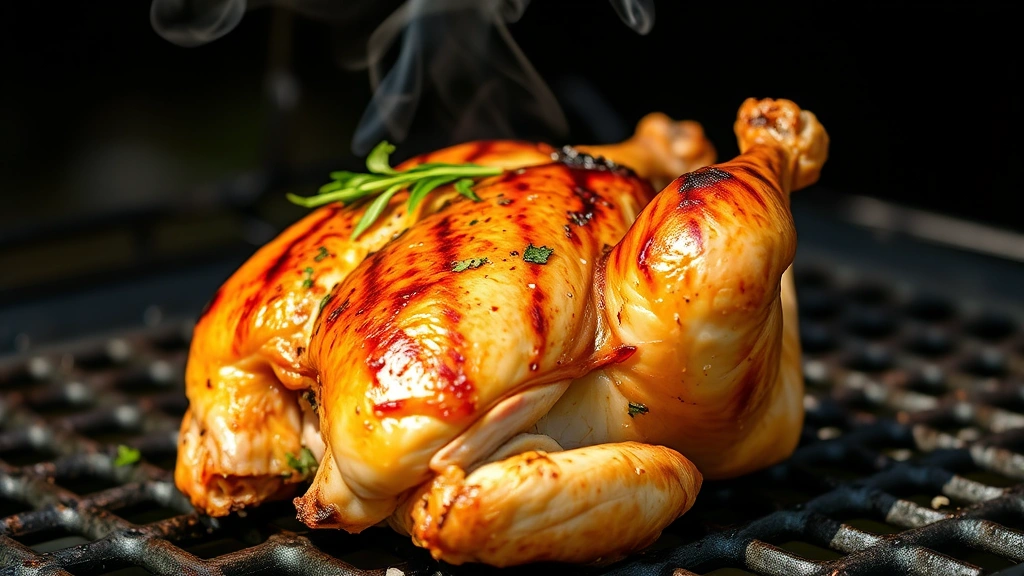
Grilling and smoking Cornish game hens creates exceptional results, offering charred exteriors and smoky, tender meat. The small size of these birds makes them ideal for even heat distribution on the grill.
Spatchcock Grilling Method: Remove the backbone from each hen using kitchen shears or a sharp knife, then press the bird flat on the cutting board. This technique, called spatchcocking, ensures even cooking and allows the entire bird to make contact with the grill grate. Season the flattened hens and grill over medium-high heat for 30-40 minutes, skin-side down initially, then skin-side up for the final portion. The direct contact creates beautiful grill marks while the meat cooks through evenly.
Indirect Grilling: For more controlled cooking, use indirect heat by placing coals or burners on one side of the grill only. Position hens on the cooler side and grill with the lid closed for 50-60 minutes. This method produces more evenly cooked results and prevents charring. Baste with your favorite glaze during the final 20 minutes for added flavor and moisture.
Smoking Preparation: Smoking Cornish game hens produces remarkable depth of flavor. Prepare hens with a dry rub of your choice—consider combinations like paprika, garlic powder, brown sugar, salt, and pepper. Smoke at 225-250°F using your preferred wood (hickory, apple, or cherry work wonderfully) for 2-3 hours. The small size means these birds reach proper internal temperature relatively quickly while absorbing smoke flavor throughout.
Herb-Brined Variation: Before grilling or smoking, brine the hens for 6-12 hours in a mixture of salt, sugar, and herbs. This step ensures exceptional juiciness and flavor penetration. The brine helps the meat retain moisture during the high-heat cooking process.
Sauce Pairings and Accompaniments
The right sauce elevates Cornish game hen preparations from excellent to extraordinary. Professional chefs understand that sauce selection can define the entire dining experience.
Pan Reduction Sauces: After roasting, deglaze the roasting pan with wine, stock, or both, scraping up the flavorful browned bits. Reduce over medium-high heat until the sauce concentrates and thickens naturally. Whisk in cold butter for richness and silky texture. This classic technique requires minimal ingredients but produces professional-quality results.
Mustard-Cream Sauce: Combine Dijon mustard with heavy cream, fresh herbs, and a splash of white wine for a luxurious sauce that complements roasted hens beautifully. The mustard’s slight sharpness balances the cream’s richness perfectly.
Chimichurri Variation: Fresh chimichurri sauce—made from parsley, garlic, red wine vinegar, and olive oil—provides bright, herbaceous notes that cut through the richness of the meat. This Argentinian-inspired sauce works particularly well with grilled preparations.
Mushroom Demi-Glace: Sauté mushrooms in butter, add shallots and garlic, deglaze with red wine, and reduce with veal or chicken stock until concentrated. This elegant sauce demonstrates why professional chefs favor Cornish game hens for fine dining presentations.
Citrus Gastrique: Create a sweet-tart sauce by reducing orange or lemon juice with sugar until it caramelizes, then add stock and finish with butter. The bright citrus flavor provides the perfect counterpoint to rich roasted poultry.
Cooking Tips from Professional Chefs
Professional chefs offer invaluable insights that transform home cooking results. Understanding these professional techniques ensures consistent success with Cornish game hen preparations.
Temperature Control: Use an instant-read meat thermometer to ensure perfect doneness. The thigh should reach 165°F internal temperature, but many chefs prefer 170-175°F for more tender meat. Remove birds from heat and allow them to rest for 10-15 minutes before carving—this crucial step allows juices to redistribute throughout the meat.
Skin Crisping Technique: Pat hens completely dry before cooking. For extra-crispy skin, some chefs rub the skin with a mixture of baking powder and salt. This creates an exceptionally crunchy, flavorful exterior while maintaining tender meat inside.
Seasoning Strategy: Season hens inside and out, including under the skin where seasoning directly contacts the meat. Don’t skip the cavity seasoning—aromatic herbs, lemon halves, or garlic cloves inside the bird perfume the meat during cooking.
Trussing Importance: Tying the legs together with kitchen twine ensures even cooking and creates a more compact, attractive presentation. Proper trussing also prevents legs from drying out before the breast meat finishes cooking.
Resting Protocol: Never skip the resting period. During this time, carryover cooking continues, and muscle fibers relax, reabsorbing juices. Birds carved immediately after cooking lose significant moisture and tenderness.
Butter Basting: Basting with butter every 15-20 minutes during roasting keeps the skin moist and promotes browning. This technique creates exceptional color and texture while adding rich flavor.
For more culinary inspiration and entertaining ideas, explore card games for kids to plan family dinner entertainment, or check out games to play over text to coordinate meal planning with friends.
FAQ
How long does it take to cook a Cornish game hen?
Cooking time varies by method. Roasting at 425°F takes 45-55 minutes, while lower-temperature braising at 325°F requires 45-50 minutes. Grilling over medium-high heat requires 30-40 minutes, and smoking at 225-250°F takes 2-3 hours. Always verify doneness using an instant-read thermometer rather than relying on time alone.
Can I cook multiple Cornish game hens simultaneously?
Absolutely. Arrange hens on a roasting pan with adequate spacing to allow air circulation. Cooking time increases slightly—typically by 5-10 minutes—when roasting multiple birds. Ensure your oven temperature remains consistent and rotate the pan halfway through cooking for even results.
Should I cover Cornish game hens while roasting?
Generally, no. Uncovered roasting produces crispier skin. However, if the skin begins browning too quickly, tent loosely with foil for the final 15-20 minutes. Remove the foil for the last few minutes to re-crisp the skin.
How do I store leftover Cornish game hen?
Refrigerate leftover meat in an airtight container for up to 3 days. The meat works wonderfully in salads, sandwiches, and grain bowls. Freeze leftover bones and scraps for homemade stock—Cornish game hen stock offers exceptional flavor for soups and sauces.
What side dishes pair best with Cornish game hen?
These birds complement virtually any side dish. Classic pairings include roasted root vegetables, creamed spinach, wild mushroom risotto, polenta, couscous, or roasted potatoes. Light preparations like steamed vegetables work well with richly sauced birds, while substantial sides balance grilled or smoked preparations.
Can I prepare Cornish game hens ahead of time?
Yes. Prepare hens up to 24 hours in advance by seasoning, stuffing, and trussing them, then refrigerating until cooking time. Bring refrigerated birds to room temperature for 30 minutes before roasting for more even cooking. This advance preparation is invaluable for entertaining.
What’s the difference between Cornish game hens and regular chicken?
Cornish game hens are smaller (1.5-2.5 pounds versus 4-6 pounds for regular chickens), cook faster, and offer superior meat-to-bone ratio. The meat is notably tender and flavorful. Individual portions make Cornish game hens ideal for elegant presentations and precise cooking control.