
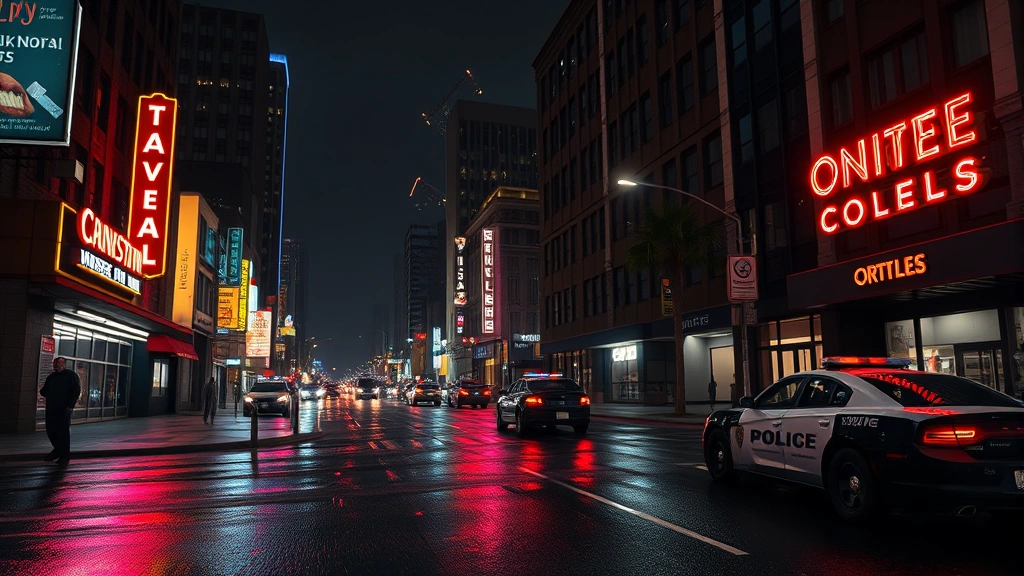
True Crime: Streets of LA – A Classic Review Insight into Gaming’s Gritty Urban Adventure
True Crime: Streets of LA stands as one of the most ambitious open-world crime games of the early 2000s, delivering an experience that captivated millions of players worldwide. Developed by Luxoflux and published by Activision in 2003, this game represented a bold attempt to capture the chaotic energy of Los Angeles and translate it into an interactive playground where players could engage in intense police pursuits, detective work, and street-level combat. The game’s unique approach to the crime genre, blending sandbox gameplay with a compelling narrative structure, made it a standout title during an era when open-world games were still finding their footing.
What made True Crime: Streets of LA particularly special was its commitment to authenticity and scale. The developers created a sprawling recreation of Los Angeles that felt lived-in and dangerous, populated with memorable characters and intricate storylines that kept players engaged long after the initial novelty wore off. Whether you were pursuing criminals through downtown streets or investigating crime scenes in residential neighborhoods, the game maintained a sense of purpose and immersion that elevated it beyond simple sandbox gameplay. This classic review insight explores what made the game tick, why it resonated with audiences, and how it continues to influence crime-focused games today.
The Game’s Revolutionary Concept and Development
True Crime: Streets of LA emerged during a pivotal moment in gaming history when developers were beginning to understand the potential of open-world game design. While Grand Theft Auto III had already established the template for urban sandbox games, True Crime: Streets of LA took a distinctly different approach by centering the player’s role as a police officer rather than a criminal. This fundamental shift in perspective created unique gameplay opportunities and narrative possibilities that set the game apart from its contemporaries.
The development team at Luxoflux spent considerable time researching actual Los Angeles geography, architecture, and law enforcement procedures to ensure authenticity. They conducted interviews with LAPD officers, studied crime patterns, and meticulously recreated neighborhoods from various parts of the city. This dedication to detail manifested in gameplay elements like proper police procedures, realistic interrogation sequences, and authentic crime scene investigation mechanics. The game’s commitment to depicting police work accurately made it feel fresh and distinct from other crime-focused titles that prioritized action over authenticity.
Producer John Wasilczuk and his team understood that simply creating another GTA clone wouldn’t succeed. Instead, they crafted a game that asked players to think like detectives, use evidence to solve crimes, and navigate the moral complexities of law enforcement. This thoughtful design philosophy resonated with players who wanted more than just mindless violence—they wanted meaningful gameplay that challenged them intellectually and emotionally. If you’re interested in exploring best games on Game Pass, you’ll find that many modern titles owe a debt to this innovative approach.
Gameplay Mechanics That Defined a Generation
The core gameplay loop in True Crime: Streets of LA revolved around investigation, pursuit, and combat—a trinity of mechanics that worked together to create engaging missions. Players would receive crime reports, investigate scenes by collecting evidence and interviewing witnesses, pursue suspects through the city streets, and ultimately engage in hand-to-hand or vehicular combat to apprehend criminals. This structure provided variety that kept the gameplay fresh throughout the extended campaign.
Investigation sequences were particularly noteworthy, requiring players to examine crime scenes carefully and piece together clues. The game rewarded observant players with better evidence, which could then be used during interrogation sequences to pressure suspects into confessions. These interrogation scenes featured branching dialogue options where players could choose different tactics—aggressive questioning, good cop routine, or clever manipulation. The success of these interactions depended on the quality of evidence collected, creating a satisfying feedback loop that made detective work feel consequential.
Combat in True Crime: Streets of LA offered a surprisingly deep fighting system with multiple combos, grapple moves, and environmental interactions. Players could engage in hand-to-hand combat with criminals, utilize improvised weapons, or employ firearms during shootouts. The melee combat system borrowed inspiration from professional wrestling, allowing players to perform dramatic takedowns and submission holds. Vehicle chases added another layer of excitement, with players pursuing suspects through traffic while managing their vehicle’s health and the risk of innocent casualties. The game’s gaming PC requirements at the time were moderate, making it accessible to a broad audience.
One innovative feature was the morality system, which tracked how players conducted themselves during investigations and pursuits. Excessive force, harming innocent bystanders, or using illegal interrogation tactics would lower your morality rating, affecting which assignments became available and how characters responded to you. This system encouraged players to think about their actions and consider the ethical implications of their methods, adding depth beyond simple mission completion.
Los Angeles as a Living, Breathing World
True Crime: Streets of LA presented an impressive recreation of Los Angeles that spanned approximately 240 square kilometers. The developers included recognizable landmarks like the Griffith Observatory, Santa Monica Pier, downtown skyscrapers, and various neighborhoods that captured the city’s diverse character. Driving through the game world felt authentic, with realistic street layouts, appropriate architectural styles for different areas, and environmental details that made exploration rewarding.
The city wasn’t merely a backdrop—it was populated with hundreds of pedestrians, traffic patterns that shifted based on time of day, and random street crimes that could occur during free roaming. Players could stumble upon muggings, assaults, or car thefts while driving around, creating spontaneous gameplay moments that enhanced immersion. These dynamic events made the world feel alive and unpredictable, rewarding players who paid attention to their surroundings and engaged with the environment beyond scripted missions.
Weather effects, day-night cycles, and traffic patterns all contributed to making Los Angeles feel like a real place with its own rhythm and personality. The game featured a robust radio system with licensed music and authentic DJ personalities, further enhancing the sense of place. Cruising through the city with the radio on became a satisfying pastime in itself, encouraging players to explore every corner of the map. This world-building approach influenced how modern games approach open-world design, emphasizing atmosphere and authenticity alongside gameplay mechanics.
Story, Characters, and Narrative Depth
The narrative of True Crime: Streets of LA followed Detective Nicholas Kang, a morally ambiguous cop navigating the underbelly of Los Angeles law enforcement. The story weaved together personal drama, professional challenges, and the investigation of a mysterious criminal organization. Kang’s character development throughout the game reflected his choices, creating a personalized narrative experience where player decisions shaped his moral trajectory.
The supporting cast featured memorable characters with distinct personalities and complex motivations. Partner officers, informants, love interests, and antagonists all felt like genuine people with stakes in the story. Voice acting quality varied, but standout performances brought depth to key characters. The game featured a surprisingly mature narrative that explored themes of corruption, loyalty, redemption, and the toll of police work on personal relationships. These thematic elements elevated the story beyond typical action-game fare, creating emotional investment in the outcome.
Mission variety kept the narrative engaging, with some assignments focusing on major case investigations while others involved personal storylines or character development. The game balanced action-heavy sequences with quieter moments of character interaction and dialogue-driven storytelling. This pacing prevented the game from becoming monotonous and ensured that players remained invested in the unfolding narrative. For those interested in narrative-driven experiences, checking out our Game Forge Daily Blog reveals how storytelling has evolved in modern games.
” alt=”Detective Nicholas Kang stands in a neon-lit Los Angeles street at night, rain reflecting on the pavement, with tall buildings towering in the background and city lights illuminating the scene” style=”max-width:100%;height:auto;margin:20px 0;”>
Technical Achievements and Limitations
For a 2003 release, True Crime: Streets of LA represented impressive technical accomplishment. The game rendered a massive open world with reasonable draw distance, maintained consistent frame rates during intense action sequences, and managed hundreds of NPCs simultaneously. The destruction physics allowed players to crash through fences, break windows, and interact with environmental objects, creating dynamic interaction possibilities. Vehicle physics felt weighty and authentic, rewarding skillful driving while punishing recklessness.
However, the game wasn’t without technical limitations. Pop-in was occasionally noticeable, particularly when traveling at high speeds. The AI could be unpredictable—sometimes frustratingly so—with suspects occasionally behaving illogically or NPCs walking directly into traffic. Loading times between city sections could be lengthy by modern standards, though they were acceptable for the era. Despite these limitations, the overall technical execution remained impressive for the platform and time period.
The game’s performance varied between console versions, with the PlayStation 2 version running at lower resolution than the Xbox iteration. The PC port, released later, offered enhanced graphics and performance but suffered from occasional stability issues. Despite these technical quirks, the core experience remained compelling across all platforms, demonstrating that strong design and engaging gameplay could overcome technical imperfections.
Legacy and Lasting Impact on Crime Games
True Crime: Streets of LA spawned a sequel, True Crime: New York City, which expanded the formula but failed to capture the magic of the original. However, the legacy of the first game extended far beyond direct sequels. The game’s approach to open-world crime storytelling influenced numerous titles that followed, from the Grand Theft Auto series’ evolution to newer crime-focused games that prioritized narrative complexity and player agency.
The game demonstrated that open-world games could feature meaningful moral choices and consequence-driven storytelling. It proved that players wanted more than simple sandbox gameplay—they wanted narratives that responded to their actions and characters they could emotionally invest in. This insight shaped how developers approached open-world design in subsequent generations, leading to more sophisticated systems and deeper storytelling integration.
True Crime: Streets of LA also highlighted the potential for authentic setting recreation in games. The detailed Los Angeles environment showed how geography and architecture could enhance immersion and create a sense of place that transcended typical level design. This philosophy influenced games like the Grand Theft Auto series, which similarly invested in detailed urban recreations that felt authentic and lived-in. The game’s commitment to authenticity extended to its police procedures and investigative mechanics, elements that modern detective games continue to develop and refine.

” alt=”Aerial view of Los Angeles sprawling cityscape with mountains in the distance, freeways intersecting through neighborhoods, and sunset casting golden light across the urban landscape” style=”max-width:100%;height:auto;margin:20px 0;”>
Comparing with Modern Titles
Compared to modern open-world games, True Crime: Streets of LA feels dated in some respects but surprisingly timeless in others. Contemporary titles like IGN’s coverage of modern crime games showcases significantly advanced graphics and more sophisticated mechanics, yet many of these newer games struggle with the same design challenges that True Crime: Streets of LA addressed elegantly. Modern games offer better graphics, more refined combat systems, and technically impressive worlds, but they sometimes sacrifice the focused mission design and narrative clarity that made the original special.
The investigation mechanics in True Crime: Streets of LA remain relevant and engaging even by modern standards. While contemporary detective games like L.A. Noire refined the interrogation system with more sophisticated facial animations and micro-expressions, the core concept originated from True Crime’s innovation. The game’s approach to making detective work feel consequential and rewarding influenced how modern crime games structure their investigation sequences.
Vehicle physics and driving mechanics have advanced considerably, but True Crime: Streets of LA’s pursuit sequences remain thrilling and strategically engaging. The game required players to think tactically about how to apprehend suspects without causing excessive collateral damage, a design philosophy that modern games often overlook in favor of spectacle. The balance between action and consequence that True Crime: Streets of LA achieved remains a gold standard for open-world crime games.
Exploring the GameSpot archives for crime game reviews reveals how the genre has evolved, but many elements that made True Crime: Streets of LA special remain underutilized in modern titles. The game’s emphasis on player agency, consequence-driven storytelling, and meaningful moral choices created an experience that transcended typical open-world gameplay. Contemporary games with massive budgets sometimes struggle to achieve the focused design and narrative clarity that made this classic so memorable.
For those interested in exploring more gaming classics and modern recommendations, our guide to best board games of all time demonstrates how timeless design principles apply across gaming mediums. The same principles that made True Crime: Streets of LA compelling—clear objectives, meaningful choices, and engaging mechanics—apply whether you’re playing digital games or traditional board games.
FAQ
What platforms was True Crime: Streets of LA released on?
True Crime: Streets of LA was released on PlayStation 2, Xbox, and later on PC. The console versions were the most popular, though the PC port offered enhanced graphics for players with sufficient hardware. Each version had slightly different performance characteristics and visual quality, but the core gameplay remained consistent across platforms.
How long does it take to complete True Crime: Streets of LA?
The main story campaign typically takes 20-30 hours to complete, depending on player skill level and engagement with side missions. The game offers significantly more content if players pursue all optional assignments, collectibles, and random street crimes, potentially extending playtime to 40+ hours. The pacing allows players to progress at their own speed without feeling rushed.
Can you play True Crime: Streets of LA on modern consoles?
True Crime: Streets of LA is not officially available on modern consoles through legitimate digital distribution. However, used physical copies remain available for PlayStation 2 and Xbox. PC emulation options exist for players with older gaming hardware, though legal availability varies by region. Some backward compatibility initiatives have explored re-releasing classic titles, but this game hasn’t been officially included.
How does the morality system affect gameplay?
The morality system tracks player conduct during investigations, pursuits, and combat. Excessive force, civilian casualties, and illegal interrogation tactics lower your morality rating. This affects which assignments become available, how characters respond to you, and the game’s ending. Maintaining high morality opens different mission paths and creates a different narrative experience than low-morality playthroughs.
What makes True Crime: Streets of LA different from Grand Theft Auto?
While both are open-world crime games, True Crime: Streets of LA positions you as a police officer rather than a criminal, fundamentally changing the gameplay approach. The game emphasizes investigation, evidence collection, and proper police procedures rather than criminal activity. This perspective shift creates distinct gameplay mechanics and narrative themes that differentiate it from the Grand Theft Auto series’ criminal protagonist focus.
Is there multiplayer in True Crime: Streets of LA?
The original True Crime: Streets of LA is primarily a single-player experience with no multiplayer modes. The game focuses entirely on the single-player campaign and free-roaming exploration. This design choice allowed developers to concentrate resources on crafting a compelling single-player narrative and world rather than spreading development across multiplayer features.