

Top Great Escape Games? Expert Reviews Inside!
Escape games have revolutionized how we think about interactive entertainment, blending puzzle-solving, storytelling, and pure adrenaline-pumping fun into unforgettable experiences. Whether you’re a seasoned puzzle enthusiast or someone looking to challenge your mind, great escape games offer something truly special that keeps players coming back for more. These games demand creativity, observation skills, and out-of-the-box thinking while immersing you in compelling narratives that make every solved puzzle feel like a genuine accomplishment.
In this comprehensive guide, we’ve compiled expert reviews of the most captivating escape games available today. From atmospheric horror experiences to lighthearted puzzle adventures, we’ll explore what makes these games exceptional and why they deserve a spot in your gaming library. Whether you’re interested in indie escape games or AAA productions, you’ll discover titles that challenge, entertain, and inspire.
What Defines Great Escape Games
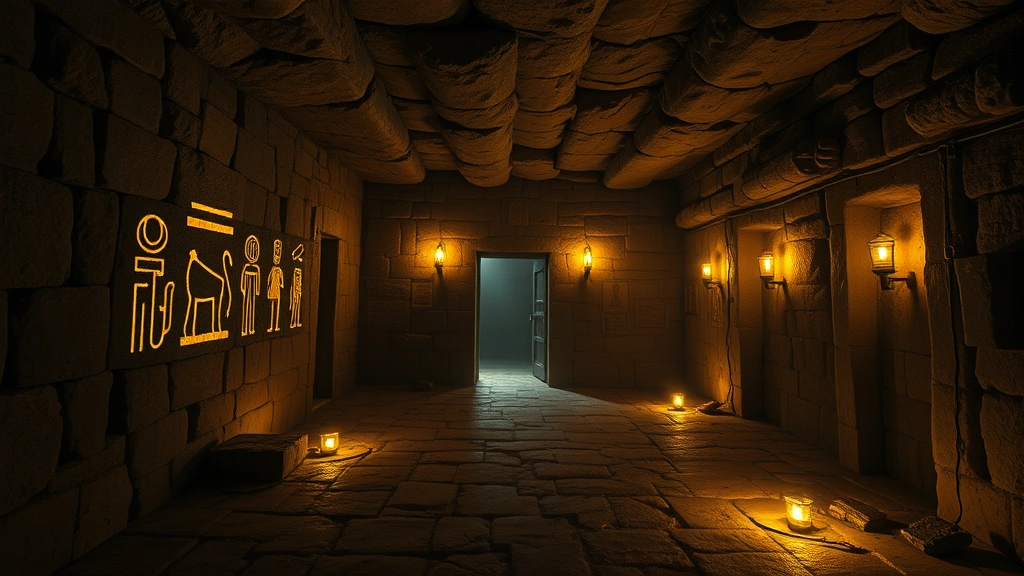
Understanding what separates exceptional escape games from mediocre ones requires examining several key elements. The best escape games combine intuitive puzzle design with immersive world-building that makes players feel genuinely trapped and motivated to escape. These games succeed when every puzzle feels logical in hindsight, even if it stumped you moments before, and when the narrative reason for escaping feels emotionally resonant rather than arbitrary.
Great escape games prioritize player agency and exploration. Rather than holding your hand through every step, the finest titles trust players to discover solutions through careful observation and creative thinking. They reward curiosity by hiding secrets in unexpected places and creating satisfying “aha!” moments when puzzle pieces finally click together. The pacing matters tremendously—players need sufficient challenge without feeling frustrated, and the difficulty curve should escalate naturally as you progress through increasingly complex scenarios.
The visual and audio design of escape games significantly impacts their effectiveness. Atmospheric sound design, detailed environments, and visual clarity help players identify important objects and clues without feeling like they’re searching for invisible needles in a haystack. When developers nail this balance, escape games become meditative experiences that engage both analytical and creative thinking.
Additionally, independent developers have proven exceptionally skilled at creating innovative escape experiences with smaller budgets than AAA studios. This has led to explosive growth in the genre, with fresh ideas constantly emerging from creative minds worldwide.
Top Narrative-Driven Escape Games
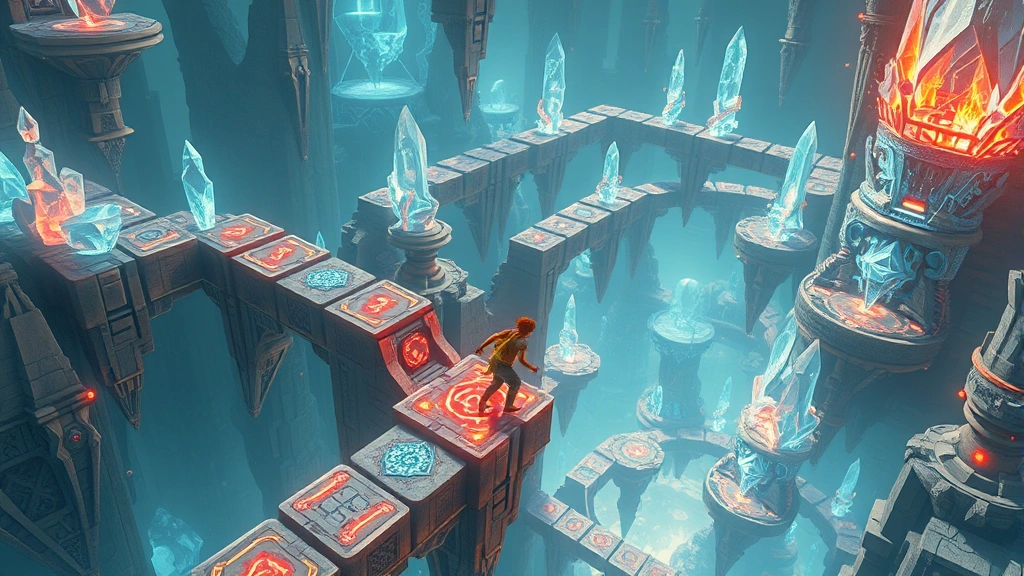
The Room Series stands as the gold standard for narrative escape games, with each installment building on the previous formula while introducing mind-bending new mechanics. These games excel at making players feel like genuine puzzle detectives uncovering mysteries through environmental storytelling. The fourth installment, The Room: Old Sins, particularly impresses with its interconnected puzzle design and deeply satisfying revelations that reward careful attention to detail.
Rusty Lake games, particularly Rusty Lake: Roots and Rusty Lake Hotel, create deeply unsettling yet captivating experiences that blur the line between escape games and psychological narratives. The Rusty Lake universe develops across multiple titles, rewarding players who explore the entire franchise with deeper understanding and appreciation for the overarching mythology. These games prove that escape experiences don’t need to be light-hearted to be engaging.
Firewatch redefines escape game expectations by prioritizing narrative and atmosphere over traditional puzzle-solving mechanics. While technically a walking simulator with light puzzle elements, its compelling story about a man isolated in a Wyoming fire tower creates genuine emotional investment. The game demonstrates how gaming experiences can transcend genre boundaries to create something uniquely memorable.
What Remains of Edith Finch similarly reimagines escape game conventions by focusing on exploration and discovery rather than puzzle-solving. This haunting family saga uses environmental storytelling to create an emotional journey through a family home filled with secrets. The game proves that escape mechanics extend far beyond locked doors and hidden keys.
For those seeking strategic puzzle experiences with narrative depth, Portal and Portal 2 revolutionized first-person puzzle games by combining innovative mechanics with genuinely hilarious writing and compelling character development. These games demonstrate how escape-style puzzles can fuel a narrative-driven adventure rather than simply serving as obstacles to overcome.
Best Puzzle-Focused Experiences
When pure puzzle design takes center stage, certain titles rise above the competition through sheer ingenuity and elegant problem-solving. The Witness presents an island filled with interconnected puzzles that gradually teach you their logic through observation and experimentation. This game respects player intelligence by never explicitly explaining its puzzle rules, instead allowing you to discover patterns and apply them creatively across hundreds of challenges.
Myst remains a foundational title that literally invented the escape game genre decades ago. Even today, exploring Myst’s beautifully realized worlds and solving its environmental puzzles delivers genuine satisfaction. The original game’s influence on puzzle design cannot be overstated, and returning to it reveals why it captivated millions of players worldwide.
The Talos Principle combines philosophical themes with elegant puzzle design, creating an experience that challenges both your problem-solving abilities and your perspective on existence. The game gradually introduces new mechanics while ensuring previous puzzles remain solvable, creating a brilliant difficulty curve that keeps players engaged throughout.
Baba Is You revolutionizes puzzle game design by making the rules themselves puzzles to manipulate. By moving word blocks that define game logic, you fundamentally change how the game operates. This innovative mechanic creates nearly infinite puzzle variety while maintaining elegant simplicity, proving that sometimes the best escape games come from reimagining basic assumptions about how games work.
Obra Dinn presents a unique mystery where you must identify the fates of crew members aboard a ghost ship using only visual clues and deductive reasoning. This game trusts players completely, providing no hints or confirmation until you’ve solved the entire mystery. The satisfaction of correctly deducing the final puzzle piece after hours of investigation feels genuinely earned.
Horror-Themed Escape Adventures
For players seeking great escape games with genuine scares and atmospheric dread, horror-themed experiences deliver psychological tension alongside puzzle-solving. Amnesia: The Dark Descent pioneered first-person horror escape mechanics, trapping players in a gothic castle with no weapons and only darkness as protection. The game’s innovative monster AI creates genuine unpredictability, making every encounter feel dangerous and each escape genuinely earned.
Outlast and its sequel intensify the horror escape formula by adding physical danger and limited resources. Armed only with a camera and night-vision capability, you must navigate asylum horrors while gathering evidence and solving environmental puzzles. The game’s commitment to vulnerability—you cannot fight back—creates constant tension that transforms escape mechanics into survival narratives.
The Evil Within series blends survival horror with escape game mechanics, creating scenarios where you must solve puzzles while avoiding supernatural threats. These games excel at creating moments where escape feels impossible, making successful puzzle solutions feel like genuine survival achievements rather than simple intellectual exercises.
Soma presents philosophical horror wrapped in escape game mechanics. Aboard an underwater research facility, you must navigate puzzle scenarios while confronting existential questions about consciousness and identity. The game’s willingness to slow pacing for reflection creates a unique horror experience that frightens through ideas as much as atmosphere.
Multiplayer Escape Game Recommendations
While many escape games focus on single-player experiences, excellent multiplayer options exist for those seeking collaborative puzzle-solving. Keep Talking and Nobody Explodes brilliantly forces communication and teamwork by giving one player a bomb defusal manual while other players see the bomb but not the manual. The game’s design creates hilarious moments while genuinely testing communication skills under pressure.
We Were Here series specializes in cooperative escape experiences requiring constant communication between players separated by game world barriers. These games prove that escape mechanics work exceptionally well as collaborative experiences, with puzzle solutions demanding both players contribute unique observations and problem-solving approaches.
A Way Out delivers an escape-adjacent experience focused on cooperation, requiring both players to solve environmental puzzles while progressing through a breakout narrative. The game’s split-screen design ensures both players remain actively engaged rather than one person solving while others watch.
Platform Availability and Accessibility
Great escape games exist across virtually every platform, from PC and console to mobile devices. PC remains the primary platform for escape games, with IGN’s game database showcasing hundreds of titles across various price points. Steam particularly dominates the PC escape game market, offering both free experiences and premium titles with extensive player reviews.
Console versions of popular escape games provide excellent experiences on PlayStation, Xbox, and Nintendo Switch. Many developers optimize their titles specifically for console controllers, creating intuitive control schemes that rival mouse-and-keyboard precision. The transition between platforms rarely diminishes puzzle quality.
Mobile escape games deserve recognition for bringing the genre to casual audiences. While some mobile titles rely on microtransactions, many exceptional free and premium options exist that rival console experiences. Mobile’s touch interface actually suits certain puzzle mechanics beautifully, making phones and tablets legitimate platforms for serious escape game enthusiasts.
Accessibility features increasingly matter in modern escape games. The best titles offer colorblind modes, adjustable text sizes, and optional puzzle hints for players who need additional support. Games like The Witness and Portal demonstrate that challenging puzzles and accessibility can coexist beautifully.
FAQ
What’s the difference between escape games and escape rooms?
Escape games are video game experiences played on digital devices, while escape rooms are physical spaces where people gather to solve puzzles in real-time. However, many escape game concepts derive from physical escape room design, and the mechanics translate remarkably well to digital formats.
Are escape games only for puzzle experts?
Absolutely not! Great escape games offer difficulty settings and hint systems accommodating various skill levels. Many titles start with simple puzzles, gradually escalating complexity as you learn the game’s logic. Players without puzzle experience often discover newfound enjoyment through escape games’ satisfying learning curves.
How long do typical escape games take to complete?
Completion times vary dramatically depending on the game and player skill. Some escape games take 2-3 hours, while others require 20+ hours for complete exploration and solution. The Room series typically takes 8-12 hours, while larger titles like The Witness can consume 50+ hours for completionists.
Can I play escape games cooperatively with friends?
Yes! Many escape games support local or online cooperation, with titles like Keep Talking and Nobody Explodes and We Were Here specifically designed for collaborative play. Even single-player games work wonderfully with friends offering suggestions and discussing puzzle solutions together.
Which escape game should I start with?
Beginners often enjoy The Room series for its intuitive design and satisfying progression, or Portal for its engaging mechanics and hilarious writing. These games teach escape game conventions while remaining accessible to newcomers, making them ideal entry points into the genre.
Where can I find reviews of great escape games?
Platforms like GameSpot and IGN provide comprehensive reviews of major escape game releases. Additionally, Steam’s community reviews offer valuable perspectives from thousands of players who’ve experienced these games firsthand.