
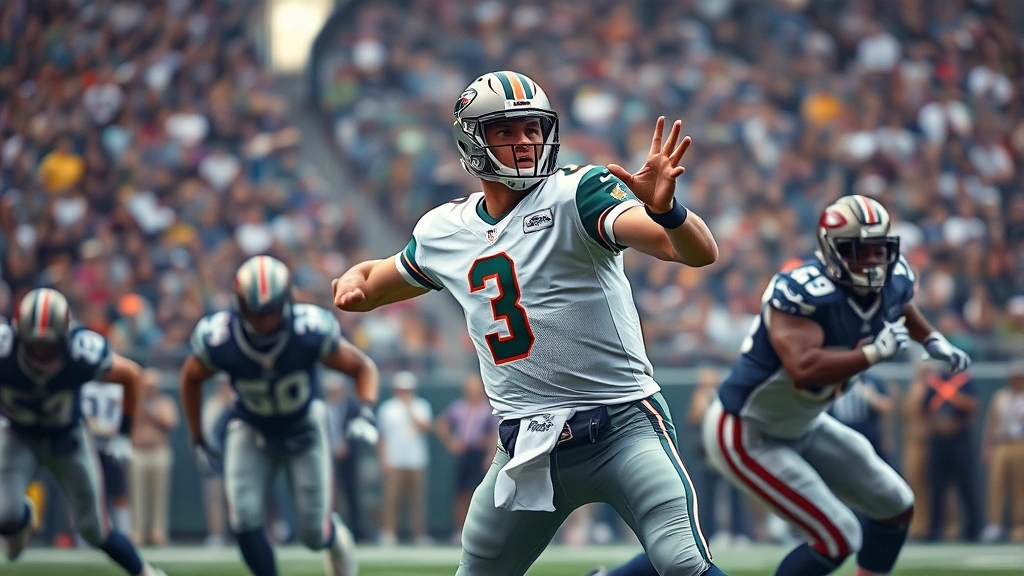
How Long is an NFL Game? Expert Insights on Duration
When you settle in for an NFL game, you’re committing to more than just the action on the field. The average professional football game lasts approximately 3 hours and 10 minutes, though this can vary significantly based on numerous factors. Whether you’re a die-hard fan planning your Sunday or a casual viewer wondering what you’re getting into, understanding the breakdown of game duration helps you manage your time and expectations. Unlike board games that follow strict timing rules like those found in Game of Life Rules, NFL games operate within a framework of quarters and clock management that creates unpredictable timing scenarios.
The actual playing time—the time the clock is running—is only 60 minutes, divided into four 15-minute quarters. However, the total duration stretches much longer due to stoppages, commercial breaks, timeouts, and other administrative elements. This dramatic difference between actual game time and total duration surprises many viewers who aren’t familiar with football’s pacing. Understanding these components is essential for anyone interested in sports entertainment, whether you’re exploring different gaming experiences like Best Party Games or committed football enthusiasts.
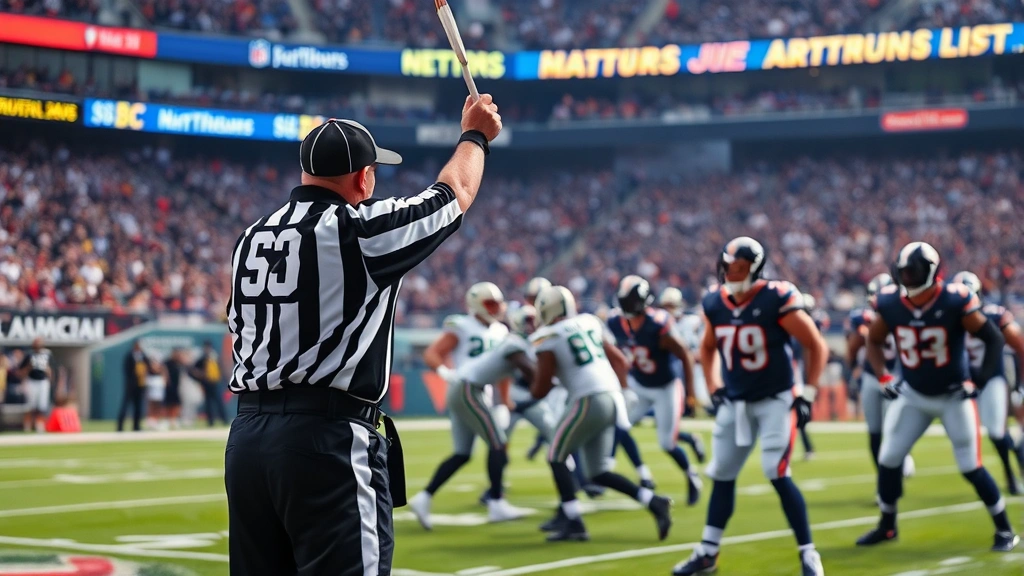
Official Game Time Breakdown
The official playing time of an NFL game consists of exactly 60 minutes split into four quarters of 15 minutes each. However, the clock stops frequently during gameplay—when a player goes out of bounds, an incomplete pass occurs, a timeout is called, or a penalty is assessed. This means that the actual elapsed time between the start of the first quarter and the end of the fourth quarter is substantially longer than the 60 minutes of clock time.
Each team receives three timeouts per half, allowing coaches to stop the clock strategically. The two-minute warning in each half also triggers a timeout, giving teams additional opportunities to manage the game’s pace. These timeouts typically last around 90 seconds, and with multiple stoppages per game, they collectively add 15-20 minutes to the total duration. Understanding these mechanics is similar to grasping the strategic elements found in Best Board Games of All Time, where timing and resource management create competitive advantage.
Between quarters, there’s a two-minute break, except at halftime when the break extends to 12 minutes in regular season games and slightly longer in playoff contests. Halftime entertainment, including the famous Super Bowl halftime shows, can extend this break even further. The halftime period provides teams time to regroup strategically and fans time to grab refreshments.
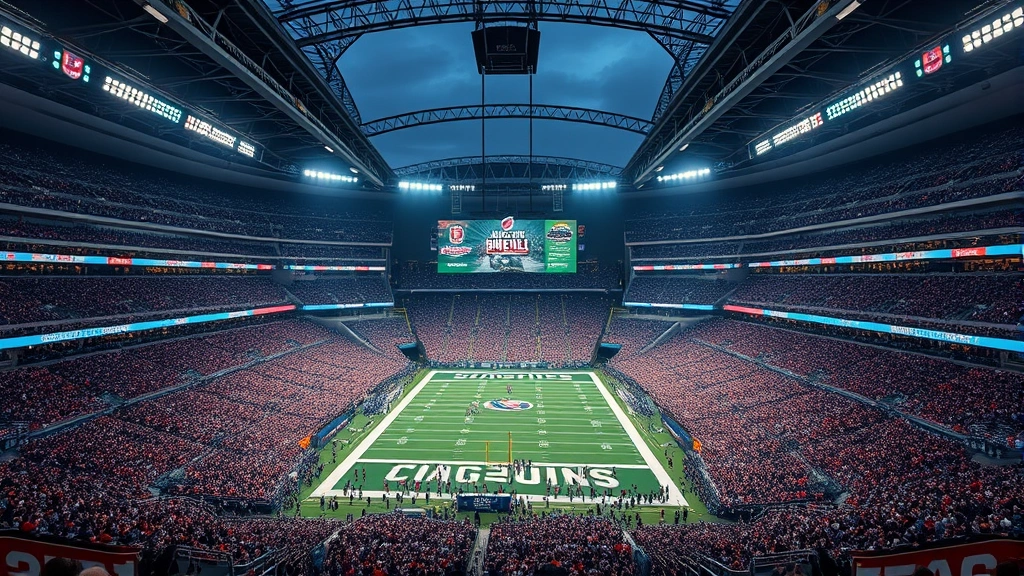
Commercial Breaks and Stoppages
Commercial breaks constitute the largest chunk of non-playing time in NFL broadcasts. Networks like NFL.com and major broadcasters dedicate approximately 50-55 minutes of a typical game to commercials. These breaks occur after touchdowns, field goals, and during timeouts, creating natural stopping points where advertisers can reach millions of viewers. The revenue generated from these commercials—sometimes costing upwards of $5-7 million for 30 seconds during prime-time games—makes commercial breaks essential to the broadcasting model.
The pacing of commercials follows specific patterns established by the NFL and broadcasters. After a touchdown, both teams receive a timeout, and the ensuing kickoff is preceded by commercial breaks on both sides. Field goals trigger similar commercial stoppages. Injuries on the field also necessitate timeouts and commercial breaks, though these are less predictable. The two-minute warning, occurring near the end of each half, triggers an automatic timeout and commercial break, regardless of game action.
Penalty flags and challenges also extend game duration. When a penalty occurs, the offense or defense may call a timeout, leading to additional commercial breaks. Coaches’ challenges—where teams can dispute official calls—create stoppages that typically last 2-3 minutes while officials review footage. These challenges have become increasingly common as the league emphasizes accuracy in critical decisions.
Playoff and Overtime Considerations
Playoff games introduce additional complexity to game duration. The playoff format, culminating in the Super Bowl, features extended broadcast windows and potential overtime scenarios. A standard playoff game typically runs 3.5 to 4 hours due to increased commercial breaks and production elements. The Super Bowl, being the championship game, often stretches to 4+ hours with elaborate halftime entertainment and premium commercial slots.
Overtime rules significantly impact game length. In the NFL’s current playoff overtime format (adopted in 2022), both teams are guaranteed a possession regardless of the first team’s scoring outcome. This ensures more balanced competition but also extends game duration unpredictably. A single overtime period adds 15-20 minutes of actual playing time plus additional commercial breaks, potentially pushing game duration to 4+ hours. Regular season overtime, which follows a sudden-death format, typically adds less time but remains variable.
The Super Bowl represents the extreme end of game duration, frequently exceeding 4 hours due to the combination of playoff-level play, premium halftime entertainment, and maximum commercial breaks. Fans attending the Super Bowl or watching broadcasts should anticipate a significant time commitment, similar to how serious gamers dedicate extended sessions to Fun Family Games tournaments.
Factors That Extend Game Duration
Several unpredictable factors significantly influence how long an NFL game lasts. Scoring plays extend duration substantially—each touchdown or field goal triggers mandatory commercial breaks and clock stoppages. High-scoring games naturally run longer than defensive battles. A game with 50+ combined points might stretch to 3.5+ hours, while a defensive showcase with limited scoring could finish in 2.5-3 hours.
Injuries represent another variable factor. Serious injuries require medical attention, which halts the game for 5-10+ minutes. While these stoppages serve the critical purpose of ensuring player safety, they inherently extend game duration. The NFL’s emphasis on concussion protocols means injured players receive thorough evaluation before returning, adding time to proceedings.
Weather conditions also play a role. Games in cold, snowy conditions or heavy rain may experience slower play as athletes adjust to conditions, potentially extending duration. Wind can affect field goal attempts, requiring more attempts and stoppages. Conversely, games played in ideal conditions with quick-paced offenses might finish closer to the minimum duration.
Coaching decisions impact timing significantly. Conservative coaches who frequently use timeouts and challenge calls create more stoppages than aggressive coaches. Teams trailing late in games often use timeouts strategically to extend the game, while leading teams may let the clock run. The strategic use of timeouts near the end of halves or games can add 5-10 minutes to total duration.
How Networks Manage Broadcasting Time
Television networks carefully manage NFL broadcast schedules to fit within predetermined time slots. Sunday games typically air within 3-hour windows (1:00 PM to 4:00 PM ET or 4:25 PM to 8:00 PM ET), while Monday Night Football and Thursday Night Football have similar constraints. Networks employ experienced producers and directors who understand pacing and can adjust commercial break timing to ensure games finish within their allocated windows.
The ESPN NFL coverage and other broadcasters use sophisticated scheduling software that accounts for game flow, potential overtimes, and commercial requirements. If a game threatens to run long, networks may compress post-game coverage or adjust subsequent programming. This planning requires expertise in understanding game dynamics and audience expectations.
Broadcasters also utilize “floating” commercial breaks—advertisements that can be positioned flexibly depending on game flow. This allows them to maintain consistent advertising inventory without forcing artificial delays. The balance between viewer experience and commercial requirements represents a constant challenge for networks managing multiple simultaneous games.
International broadcasts add another layer of complexity. Games aired in Europe or other regions may require different scheduling considerations, affecting how networks structure commercial breaks and on-air commentary. The global popularity of the NFL means broadcasters must accommodate diverse time zones while maintaining the integrity of the game experience.
Comparing NFL Duration to Other Sports
Compared to other major sports, NFL games occupy a unique position in terms of duration. NBA basketball games typically last 2.5 hours with 48 minutes of playing time, making them significantly shorter than NFL contests. MLB baseball games average 3+ hours with variable playing time depending on innings and scoring, placing them closer to NFL duration but with different pacing dynamics.
Soccer matches, whether in the Premier League or World Cup, last exactly 90 minutes of playing time plus stoppage time, resulting in roughly 2-2.5 hours of total duration—considerably shorter than NFL games. Hockey games run approximately 2.5 hours with 60 minutes of playing time, similar to basketball. This makes NFL games among the longest-running major sports events in terms of broadcast time.
The extended duration of NFL games reflects the sport’s strategic complexity and commercial model. The frequent stoppages allow for tactical adjustments, player substitutions, and strategic planning that define football. This contrasts with sports like soccer or basketball where continuous play dominates. While some viewers appreciate the strategic depth enabled by stoppages, others find Card Games for Kids or other entertainment with faster pacing more appealing.
Understanding these comparative durations helps sports fans make informed decisions about which sports fit their schedules and preferences. Someone committed to following NFL teams should expect roughly 3+ hours per game, significantly more than other major sports viewing commitments.
FAQ
What is the average length of an NFL game?
The average NFL game lasts approximately 3 hours and 10 minutes, though this can range from 2.5 to 4+ hours depending on scoring, overtime, and other factors. Regular season games typically fall within this range, while playoff games and Super Bowls often extend longer.
How much of an NFL game is actual playing time?
Only 60 minutes constitute actual playing time, divided into four 15-minute quarters. The remaining 2+ hours consist of commercial breaks, timeouts, stoppages, and administrative time.
Why do NFL games take so long?
NFL games extend beyond playing time primarily due to commercial breaks (50-55 minutes), timeouts, penalties, injuries, clock stoppages, and halftime. The strategic nature of football also involves frequent stoppages for play-calling and substitutions.
Are playoff games longer than regular season games?
Yes, playoff games typically run 3.5-4 hours, longer than regular season games. The potential for overtime in playoff contests and increased commercial breaks during playoff broadcasts extend duration. The Super Bowl frequently exceeds 4 hours.
What happens during overtime in the NFL?
In playoff overtime, both teams are guaranteed a possession. In regular season overtime, the game continues until one team scores. Overtime periods typically add 15-20+ minutes of playing time plus additional commercial breaks, significantly extending total game duration.
Can an NFL game finish in less than 3 hours?
While rare, games with minimal scoring and few penalties can potentially finish in 2.5-2.75 hours. However, most games approach or exceed the 3-hour mark due to commercial requirements and natural game flow stoppages.