
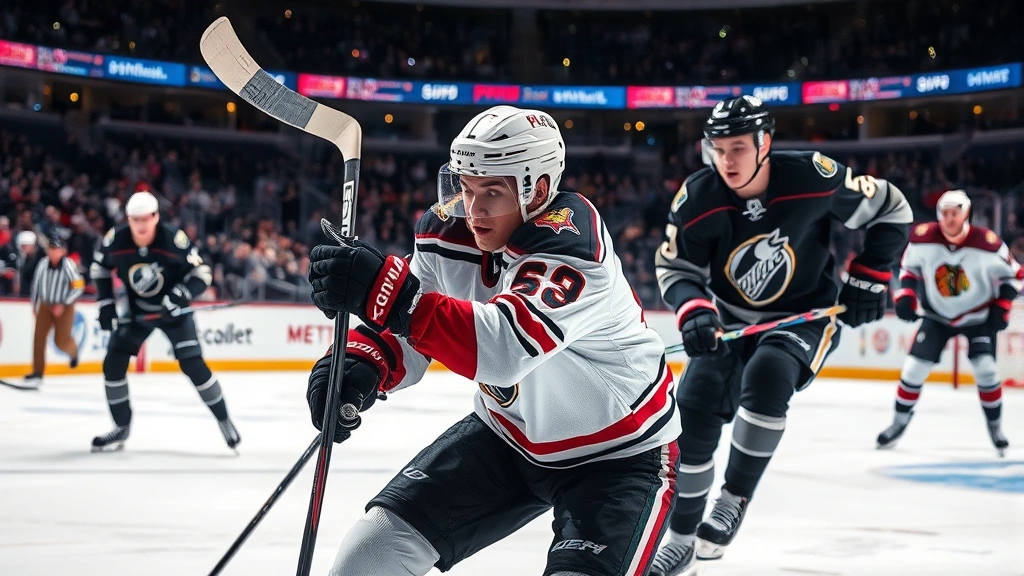
Hockey Game Periods Explained: Official Breakdown
Whether you’re a die-hard hockey fan or just getting into the sport, understanding the structure of a hockey game is essential. One of the most fundamental questions newcomers ask is: how many periods in a hockey game? The answer is straightforward—professional hockey games consist of three 20-minute periods, but the story behind this structure, the rules governing each period, and what happens when games go into overtime reveals the beautiful complexity of this fast-paced sport.
Hockey’s period-based structure has evolved over more than a century, creating a unique rhythm that sets it apart from other major sports. Unlike basketball’s quarters or football’s halves, hockey’s three periods create natural momentum shifts and strategic opportunities. Each period presents distinct challenges, varying energy levels, and crucial tactical decisions that can determine the outcome of the match. Understanding these nuances transforms you from a casual viewer into someone who truly comprehends the game’s strategic depth.
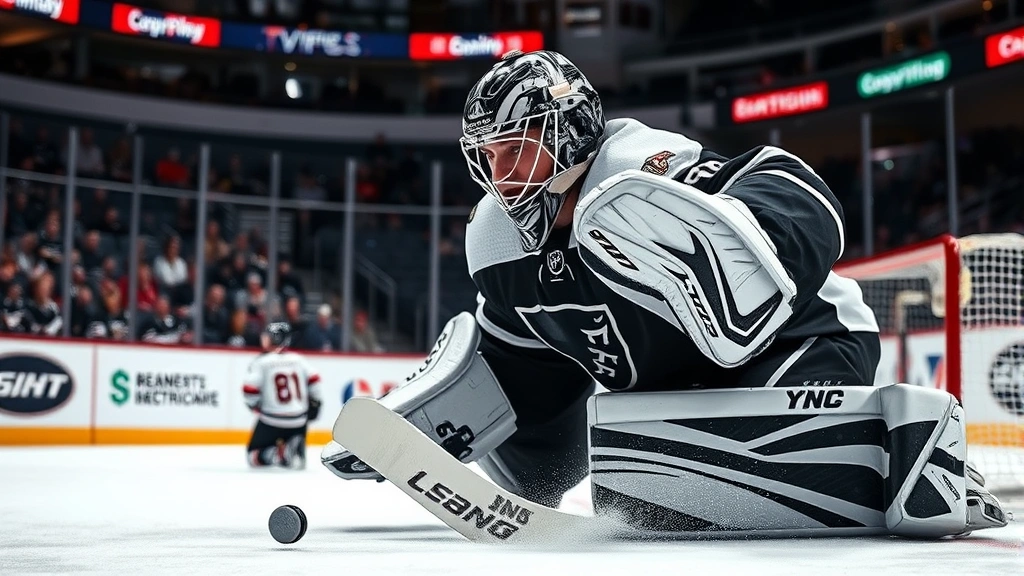
Standard Hockey Game Structure
A regulation hockey game consists of three 20-minute periods, totaling 60 minutes of actual play time. However, the actual duration of a professional hockey game typically runs between 2.5 to 3 hours when you factor in stoppages, timeouts, and intermissions. This structure applies to the National Hockey League (NHL), international competitions, and most professional hockey organizations worldwide.
Each 20-minute period is broken into clock time, meaning the clock stops whenever play is interrupted. This is fundamentally different from sports where the clock runs continuously. In hockey, stoppages occur for various reasons: goals scored, penalties, icings, offsides calls, and injuries. The referee controls the clock, adding time back when necessary to ensure each period contains the full 20 minutes of actual play.
The first period sets the tone for the entire game. Teams are typically fresh, aggressive, and looking to establish dominance early. Players execute their strategies with maximum energy, and the pace is often the fastest of the three periods. Coaches use this period to gauge their opponent’s strengths and weaknesses while implementing their game plan. If you’re interested in competitive gaming structures, check out our Game Forged Daily Blog for insights into how esports organizations structure competitive formats.
The second period is often considered the most unpredictable. Players begin to tire, which can lead to either increased intensity as teams push harder or sloppy play as fatigue sets in. Momentum swings are common during this period, and comebacks often begin here. Coaches frequently make strategic adjustments based on what they observed in the first period, leading to different tactical approaches and line combinations.
The third period represents the final push. This is where championship-caliber teams separate themselves from the rest. With the outcome often undecided, both teams bring maximum effort despite physical exhaustion. The third period typically features the most dramatic moments—last-minute goals, desperate defensive stands, and incredible displays of skill and determination. This is why hockey fans often consider the third period the most exciting part of any game.
What Happens Between Periods
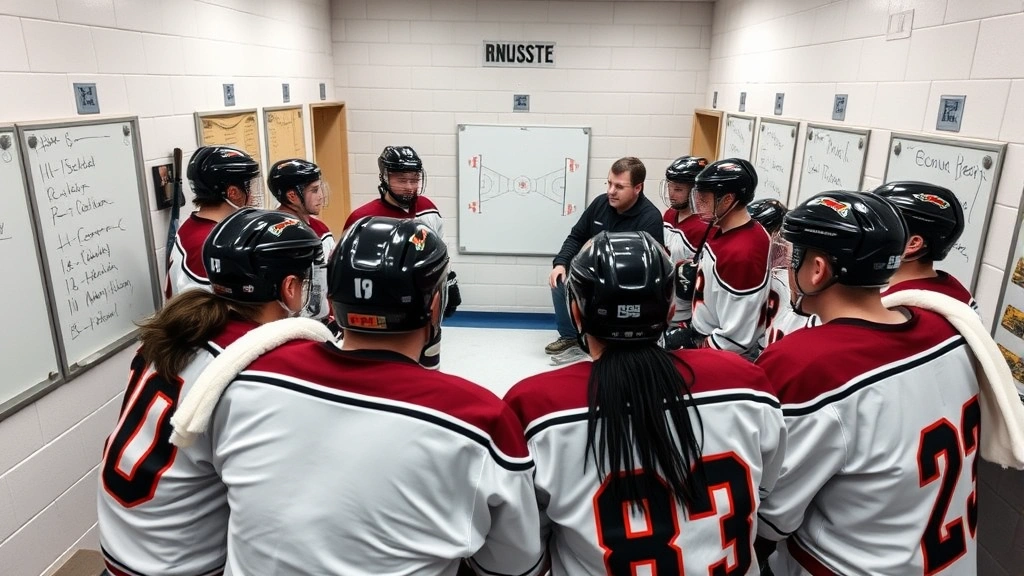
Between each of the three periods, there’s a 15-minute intermission (in the NHL and most professional leagues). This break serves multiple crucial functions beyond simply giving players a rest. During intermissions, teams retreat to their locker rooms where coaching staffs provide strategic adjustments, medical staff attend to injuries, and players hydrate and recover physically.
Intermissions are also when broadcasters provide analysis, replays, and commentary. For viewers at home, this is the perfect time to grab snacks or discuss the game with fellow fans. For fans in the arena, intermissions offer opportunities to visit concession stands, use restrooms, and enjoy entertainment. Many arenas feature live music, contests, and other entertainment during these breaks to keep the crowd engaged.
The first intermission typically lasts 15 minutes, as does the second intermission between the second and third periods. These breaks are standardized across professional hockey to ensure consistent game flow and allow proper recovery time. The physical and mental demands of hockey are so intense that these intermissions are absolutely essential. Without them, player performance would deteriorate significantly, and injury rates would skyrocket.
Coaches use intermission time strategically. They review footage of plays, make tactical adjustments, and deliver motivational speeches. Players receive treatment for minor injuries, change equipment if needed, and mentally prepare for the upcoming period. The coaching staff’s effectiveness during intermissions often determines whether a team can maintain momentum or make crucial adjustments to counter their opponent’s strategy.
Overtime Rules and Sudden Death
If the score is tied after three periods, the game proceeds to overtime, where the rules change dramatically. In the NHL regular season, overtime consists of a single 5-minute sudden-death period with three skaters per side (instead of the usual five). This creates a wide-open, fast-paced environment where a single goal ends the game immediately—hence the term “sudden death.”
The sudden-death format was introduced to create excitement and ensure games don’t drag on indefinitely. In sudden-death overtime, the first team to score wins the game. This creates intense, edge-of-your-seat hockey where every possession matters. Players are more aggressive, taking calculated risks because one goal determines the entire outcome. The goaltenders face incredible pressure, knowing a single mistake could cost their team the game.
If the score remains tied after the 5-minute overtime period in regular season play, the game proceeds to a shootout. In a shootout, each team selects three players to take penalty shots against the opposing goaltender. If the score is still tied after three rounds, it becomes sudden-death, with players from each team alternating penalty shots until one team scores and the other doesn’t on their subsequent attempt. The team with the most goals after this process wins the game.
Playoff overtime operates differently. Instead of the 3-on-3 sudden-death format followed by a shootout, playoff games continue with full 5-on-5 sudden-death overtime periods until a goal is scored. These periods continue indefinitely until one team breaks the tie. Some of the most memorable moments in hockey history have occurred during playoff overtime, with games extending multiple periods into the early morning hours.
Penalties and Stoppages During Periods
Throughout each 20-minute period, various infractions can occur, resulting in penalties that affect gameplay. Minor penalties result in a 2-minute bench sentence, where the penalized player sits out while their team plays short-handed (with fewer players on ice). The penalized player can return early if the opposing team scores during the power play.
Major penalties result in 5-minute sentences, with the penalized player sitting out the entire duration regardless of goals scored. Misconduct penalties add 10 minutes to a player’s time, and game misconducts result in ejection from the game. Understanding penalties is crucial for comprehending hockey strategy, as power plays (when one team has a numerical advantage) and penalty kills (defensive strategies while short-handed) are vital aspects of the sport.
Stoppages also occur for icings and offsides calls. Icing happens when a player shoots the puck from behind the red line across the opponent’s goal line without anyone touching it. This results in a stoppage and a faceoff in the offending team’s defensive zone. Offsides occurs when an attacking player precedes the puck into the opponent’s zone. When either infraction happens, play stops and resumes with a faceoff at a designated location.
Injuries and equipment failures also cause stoppages. If a player is injured, medical staff attend to them while play is halted. If a goaltender’s equipment becomes dislodged or a stick breaks, play stops until the situation is remedied. These stoppages, while sometimes frustrating for fans, are essential for player safety and maintaining game integrity.
Differences Across Hockey Leagues
While the standard three 20-minute periods apply to most professional hockey, variations exist across different leagues and levels. The NHL, as the premier professional league, sets the standard that most other organizations follow. However, international hockey, college hockey, and minor league hockey sometimes implement different period structures or timing.
In international hockey competitions, the basic structure remains three 20-minute periods, but some rule variations exist. The International Ice Hockey Federation (IIHF) oversees international competitions and maintains consistency across different nations and tournaments. Olympic hockey, world championships, and other international events all follow the three-period format.
Youth and amateur hockey often follows similar structures, though some recreational leagues might implement shorter periods or different timing to accommodate younger players’ physical capabilities. High school hockey in the United States typically features three 15-minute periods, while college hockey uses the standard three 20-minute periods.
The structure of hockey periods has remained remarkably consistent because it creates the perfect balance. Sixty minutes of play provides enough time for meaningful competition without becoming excessively long. The three-period format also creates natural narrative arcs, with each period offering distinct strategic opportunities and emotional moments. If you’re interested in how different competitive formats are structured, our guide on best co-op games on Steam explores how game developers structure competitive and cooperative experiences.
Strategic Implications of Three Periods
The three-period structure fundamentally shapes hockey strategy and team dynamics. Coaches must manage player fatigue across three distinct phases, rotating lines strategically to ensure fresh legs throughout the game. Different players excel in different periods—some thrive early when energy is highest, while others are “third-period warriors” who perform best when the game is on the line.
The period structure also influences penalty management. A team trailing heading into the third period might take more risks, accepting penalties in exchange for offensive opportunities. Conversely, teams protecting a lead play more conservatively in the third period, prioritizing defensive structure over aggressive play.
Line matching is another strategic consideration. Coaches can strategically deploy their best players against the opponent’s top lines, and this matchmaking becomes more important as the game progresses. In the third period, when every shift matters, coaches carefully consider which lines face which opponents, sometimes using their checking lines to neutralize dangerous offensive threats while their top scorers face less elite defensive opposition.
Goaltender management also relates to the period structure. A goaltender’s performance often improves as they settle into a game, meaning the third period can showcase their best work. Conversely, a goaltender struggling early might be replaced before the third period begins, allowing a fresh netminder to reset momentum.
The three-period format also creates compelling narratives. Teams can experience complete turnarounds—entering the third period down significantly and mounting incredible comebacks. These dramatic moments are only possible because the three-period structure provides enough time for meaningful changes while maintaining urgency.
Historical Context and Evolution
The three-period structure hasn’t always been standard in hockey. Early hockey games featured different formats, with some matches consisting of two 30-minute halves or other configurations. As the sport evolved and standardized, the three 20-minute period format emerged as optimal.
The adoption of three periods coincided with hockey’s professionalization and the establishment of formal leagues. When the NHL was founded in 1917, the three-period format was already becoming standard, and it has remained unchanged for over a century. This consistency demonstrates how well this structure serves the sport.
The intermission structure has also evolved. Early hockey matches featured longer breaks, but as broadcasting became important, intermissions were standardized at 15 minutes to accommodate television schedules and commercial breaks. This timing has proven ideal for player recovery while maintaining viewer engagement.
Understanding hockey’s period structure provides insight into how the sport has evolved while maintaining its fundamental appeal. The format works so well that it’s been adopted globally, creating consistency across different leagues, nations, and competitive levels. For those interested in how gaming structures competitions, check out our gaming PC build guide to understand the hardware that supports esports broadcasting and competitive gaming.
The beauty of three periods lies in their perfect balance. They’re long enough to tell complete stories—allowing comebacks, momentum shifts, and dramatic conclusions—yet short enough to maintain intense focus and maximum effort from all participants. Players cannot coast through entire periods; every shift demands engagement. This structure creates the fast-paced, exciting hockey that captivates millions worldwide.
FAQ
How many periods are in a professional hockey game?
A professional hockey game consists of three 20-minute periods, totaling 60 minutes of actual play time. This applies to the NHL and most professional hockey organizations worldwide. The actual duration of a game typically runs 2.5 to 3 hours when including stoppages and intermissions.
What happens if a hockey game is tied after three periods?
If the score is tied after three periods, the game proceeds to overtime. In the NHL regular season, overtime consists of a 5-minute sudden-death period with three skaters per side. If no goal is scored, the game proceeds to a shootout where each team selects three players for penalty shots. Playoff games continue with full 5-on-5 sudden-death overtime periods until a goal is scored.
How long are the intermissions between hockey periods?
Intermissions between hockey periods last 15 minutes in professional hockey. During this time, teams retreat to locker rooms for strategy adjustments and player recovery, broadcasters provide analysis, and fans enjoy arena entertainment. These breaks are essential for player recovery and strategic planning.
Why does hockey have three periods instead of four quarters?
Hockey adopted the three-period format during its standardization in the early 20th century. This structure creates the optimal balance—long enough for meaningful competition with possible comebacks, yet short enough to maintain intense focus and maximum effort. The format has remained unchanged for over a century because it works exceptionally well for the sport.
Do all hockey leagues use three 20-minute periods?
Most professional and international hockey organizations use three 20-minute periods, including the NHL and IIHF competitions. However, some variations exist—college hockey uses three 20-minute periods, high school hockey sometimes uses three 15-minute periods, and recreational youth leagues may implement different timing to accommodate younger players.
Can a hockey game end in a tie?
In the NHL regular season, games cannot end in ties. After three periods, tied games proceed to overtime and potentially a shootout. However, in some recreational leagues and international tournaments, ties may be allowed depending on league rules. Playoff games always continue until a winner is determined.
What is sudden-death overtime in hockey?
Sudden-death overtime in the NHL regular season is a 5-minute period with three skaters per side (instead of five). The first team to score wins immediately. If no goal is scored after 5 minutes, the game proceeds to a shootout. This format creates intense, high-stakes hockey where a single goal determines the game’s outcome.