

Top Input/Output Games: Expert Roundup
Input/output games represent a fascinating intersection of puzzle-solving, strategy, and creative problem-solving that challenges players to think beyond traditional gameplay mechanics. These games focus on managing data flow, resource management, and logical systems where your inputs directly determine the outputs you receive. Whether you’re routing signals through circuit boards, managing factory production lines, or orchestrating complex systems, input/output games demand precision, planning, and innovative thinking. This expert roundup explores the best input/output games that have captivated millions of players worldwide and redefined what puzzle games can achieve.
The beauty of input/output games lies in their elegant simplicity paired with escalating complexity. Players start with basic concepts and gradually unlock new mechanics that expand the puzzle space exponentially. From indie darlings to mainstream successes, these games have proven that engaging gameplay doesn’t require flashy graphics or action-packed sequences—just smart design and satisfying feedback loops. Let’s dive into the games that experts and communities consider essential plays in this genre.
What Are Input/Output Games?
Input/output games form a unique category where players manipulate systems by providing inputs and observing outputs to solve puzzles or achieve objectives. The term encompasses various gameplay styles, but they all share a core mechanic: you control what goes into a system, and you must understand the system’s logic to predict and manage what comes out. This creates a satisfying loop of experimentation, learning, and optimization.
These games often feature minimalist aesthetics and clean interfaces that put the focus squarely on the puzzle mechanics. They appeal to players who enjoy logic puzzles, programming concepts, and systems thinking. Many input/output games don’t require any programming knowledge—they teach these concepts intuitively through gameplay. Check out our best indie games for PC to discover more titles in this innovative space.
The genre has exploded in popularity over the past decade, with developers recognizing that players crave intellectually stimulating experiences. Input/output games provide that challenge without requiring reflexes or hand-eye coordination, making them accessible to a broader audience while remaining deeply engaging for hardcore puzzle enthusiasts.
The Masterpieces: Top-Tier I/O Games
TIS-100
TIS-100 stands as the definitive input/output game that introduced millions to the satisfaction of optimizing systems. Created by Zachtronics, this game simulates a broken computer and tasks you with writing assembly-like code to repair it. Each puzzle requires you to manipulate data flowing between nodes, managing limited memory and processing power.
What makes TIS-100 exceptional is how it teaches programming concepts through pure puzzle gameplay. You never write traditional code—instead, you arrange visual nodes and connections that handle data manipulation. The game features a massive community that shares solutions, competes on optimization leaderboards, and creates increasingly ridiculous challenges. Players often spend hundreds of hours perfecting solutions, shaving off individual operations to achieve “optimal” runs.
Opus Magnum
Also from Zachtronics, Opus Magnum transforms input/output mechanics into alchemical puzzles. You control animated arms on a 2D grid, arranging them to grab, manipulate, and combine elements to create compounds. Each puzzle provides specific input molecules and demands you produce exact output molecules through chemical reactions.
The visual feedback in Opus Magnum elevates the genre—watching your solution execute smoothly and efficiently feels incredibly rewarding. The game includes a robust sharing system where players compare solution metrics like cycle time, area used, and parts count. This creates organic competition and encourages players to revisit puzzles repeatedly, always chasing that perfect solution.
Shenzhen I/O
Shenzhen I/O presents input/output gaming through the lens of electronics engineering. You build circuits using virtual microcontrollers, programming them to handle incoming signals and produce correct outputs. The game simulates real hardware constraints, making solutions feel tangible and grounded.
This game appeals particularly to players interested in hardware and electronics, but the core loop remains universally satisfying—receive input, process it logically, produce output. The learning curve is steep, but the community provides extensive documentation and tutorials. Expert players create mind-bending solutions that seem impossible until you understand the underlying logic.
For those building their gaming setup, our gaming PC build guide ensures you have the hardware to run these computationally complex simulations smoothly.
Infinifactory
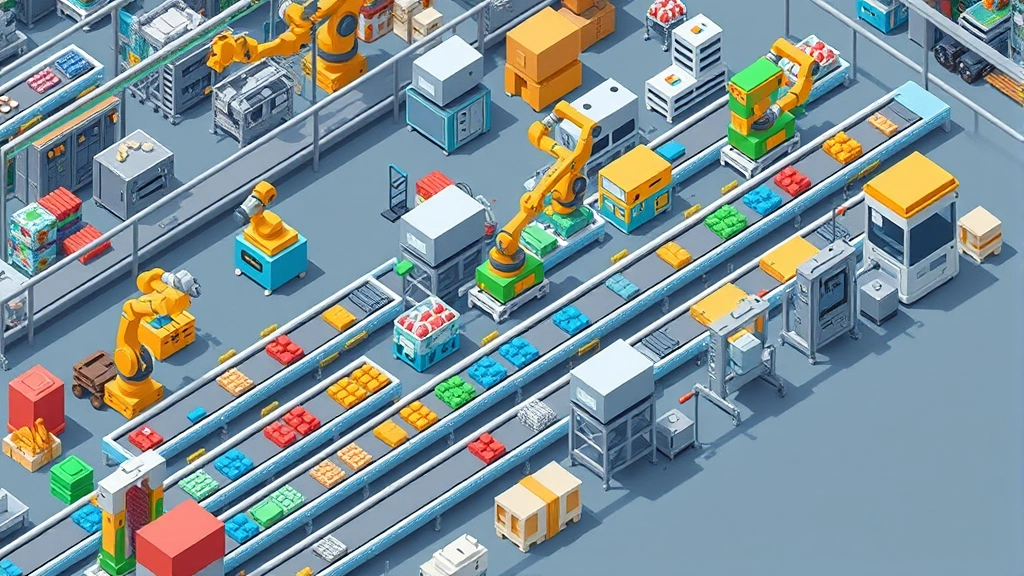
Infinifactory takes the factory-building concept and applies it to three-dimensional space. You design production lines that accept input blocks, process them through various machines, and output finished products. The 3D perspective adds complexity and requires different spatial reasoning than 2D puzzle games.
The game gradually introduces new machine types and mechanics, consistently expanding what’s possible. Later puzzles feel genuinely challenging, requiring careful planning and optimization. The ability to pause and rewind execution helps you debug solutions without frustration, making the learning process smoother.
SpaceChem
SpaceChem pioneered many input/output game mechanics through molecular manipulation. You guide atoms through reactor chambers, bonding and splitting them according to specific formulas. Each puzzle provides input molecules and demands exact output molecules in correct quantities.
SpaceChem’s elegance lies in its constraint-based puzzle design. Limited reactor space, movement restrictions, and synchronization requirements force creative thinking. The game features an impressive difficulty curve that accommodates both casual players and hardcore optimizers. Many consider SpaceChem the spiritual predecessor to modern input/output games.
Hidden Gems Worth Playing
Exapunks
Exapunks wraps input/output mechanics in a cyberpunk narrative wrapper. You play as a newly minted hacker learning to code through real-world scenarios. The game teaches programming fundamentals while maintaining engaging storytelling and character development.
What distinguishes Exapunks is its narrative integration. Unlike pure puzzle games, Exapunks gives context to your solutions—you’re hacking into systems to help friends, uncover conspiracies, and explore a richly realized cyberpunk world. This narrative layer makes the puzzles feel meaningful beyond pure optimization.
Factorio
Factorio expands input/output concepts into a massive factory-building experience. You extract resources, process them through increasingly complex production chains, and automate everything. The game offers both peaceful sandbox mode and challenging survival scenarios.
Factorio’s genius lies in how it teaches systems thinking. Early puzzles feel simple, but as you progress, managing multiple production chains simultaneously becomes genuinely complex. The game runs on PC and has inspired countless mods and community challenges. For those interested in recording their factory creations, check out our guide on how to record gameplay on PC.
While True: Learn()
While True: Learn() gamifies programming education through visual node-based coding. You solve increasingly complex problems by arranging and connecting logic blocks. The game covers fundamental computer science concepts while remaining accessible to beginners.
This game serves dual purposes—entertainment and education. Many educators use While True: Learn() to introduce programming concepts to students. The visual approach makes abstract programming ideas concrete and understandable.
Contraptions
Contraptions offers a more relaxed take on input/output gaming. You build Rube Goldberg-style machines that process items through creative chains. The emphasis is on experimentation and fun rather than optimization and perfection.
The game’s charm comes from its forgiving nature and visual humor. Solutions don’t need to be perfect—they just need to work. This accessibility makes Contraptions perfect for players intimidated by more hardcore puzzle games.
Multiplayer and Competitive I/O Games
While many input/output games focus on single-player experiences, some titles explore competitive or cooperative mechanics. Human Resource Machine offers asynchronous competition through leaderboards, encouraging players to optimize their solutions against others.
Check out our best co-op games on Steam ultimate 2024 guide for titles that blend cooperative gameplay with input/output mechanics. Several games in that category feature shared puzzle-solving where communication and coordination matter as much as individual puzzle-solving skills.
The competitive scene around input/output games has grown significantly, with communities organizing optimization contests. Players compete on leaderboards tracking cycle time, area used, and instruction count. These competitions drive innovation and inspire creative solutions that push the boundaries of what’s possible.

Why Experts Love This Genre
Intellectual Stimulation Without Reflexes
Input/output games prove that engaging gameplay doesn’t require twitch reflexes or action sequences. They appeal to players who enjoy thinking deeply about problems, experimenting with solutions, and optimizing systems. This accessibility opens gaming to audiences traditionally underserved by mainstream titles.
Clear Feedback Loops
Expert game designers consistently praise input/output games for their elegant feedback systems. You immediately understand whether your solution works and can measure its efficiency. This clarity makes learning intuitive—you experiment, observe results, and adjust accordingly.
Infinite Replayability
Because optimization is always possible, input/output games offer essentially infinite replayability. You can return to puzzles months later and still find new approaches or improvements. This creates long-term engagement that keeps players invested far beyond initial completion.
Community-Driven Content
The input/output game community thrives on sharing solutions, discussing optimization strategies, and creating custom challenges. This social dimension extends game life and creates emergent content that developers never anticipated. Players become co-creators of the experience.
Educational Value
Many input/output games teach genuine programming and systems thinking concepts. They serve educational purposes while remaining genuinely fun, making them valuable tools for learning. According to IGN’s analysis of puzzle games, input/output titles consistently score high for educational merit alongside entertainment value.
Artistic Expression Through Systems
Input/output games represent a unique art form—expressing creativity through systems design rather than traditional artistic mediums. Solutions that balance efficiency, elegance, and functionality become artistic statements. This convergence of art and logic appeals to diverse player types.
FAQ
What’s the difference between input/output games and programming games?
Input/output games focus on manipulating data or systems to achieve specific outcomes, while programming games explicitly teach coding. However, many input/output games teach programming concepts intuitively through gameplay. The distinction is more about focus than mechanics—input/output games emphasize puzzle-solving, while programming games emphasize learning code syntax.
Do I need programming experience to enjoy input/output games?
No programming experience is necessary. Input/output games teach concepts through gameplay without requiring prior knowledge. Many players discover they enjoy programming after playing these games and decide to learn actual coding. The games make abstract concepts concrete and understandable.
Which input/output game should beginners start with?
Human Resource Machine offers the gentlest introduction, teaching fundamental concepts without overwhelming complexity. SpaceChem provides a more challenging but still accessible starting point. Avoid starting with TIS-100 unless you’re prepared for steep difficulty—it’s better suited for experienced puzzle gamers.
Are input/output games competitive or cooperative?
Most input/output games are single-player experiences with asynchronous competition through leaderboards. Some titles offer cooperative puzzle-solving elements. The genre emphasizes personal optimization rather than direct player-versus-player competition, though community challenges create emergent competitive elements.
Where can I find more input/output games?
Visit the GameForge Daily Blog for comprehensive game recommendations and reviews. Steam’s puzzle category consistently features new input/output games. Check GameSpot’s reviews for expert analysis of upcoming titles. The input/output game community actively discusses new releases on Reddit and Discord.
How long are input/output games?
Campaign length varies significantly. Human Resource Machine takes 4-6 hours, while Factorio can consume hundreds of hours. Most input/output games can be completed in 10-20 hours but offer massive post-game content through optimization challenges and custom scenarios. The “true” playtime depends entirely on how deep you want to optimize.
What makes a great input/output game?
Expert consensus identifies several key qualities: clear feedback systems, gradual difficulty curves, elegant constraint design, strong optimization potential, and active community support. Games that master these elements create experiences that remain engaging for hundreds of hours.
Can input/output games run on cloud gaming services?
Yes, most input/output games are lightweight and run efficiently on cloud gaming platforms. For more information about cloud gaming capabilities, check our what is cloud gaming guide. Their modest system requirements make them ideal for cloud streaming, allowing you to play anywhere.