
Mind the Gap Game Review: Expert Analysis
Mind the Gap stands as a delightfully creative puzzle platformer that challenges players to think beyond traditional gaming conventions. This indie gem combines clever level design with charming aesthetics, creating an experience that rewards both patience and creative problem-solving. Whether you’re a seasoned gamer or someone exploring best indie games for PC, this title deserves your attention.
The game’s core mechanic revolves around manipulating perspective and spatial awareness, encouraging players to literally and figuratively mind the gap between platforms. With its unique visual style and increasingly challenging puzzles, Mind the Gap offers hours of engaging gameplay that will keep you coming back for more. Our comprehensive review breaks down every aspect of this innovative title, from gameplay mechanics to artistic presentation.
Gameplay Mechanics and Core Concepts
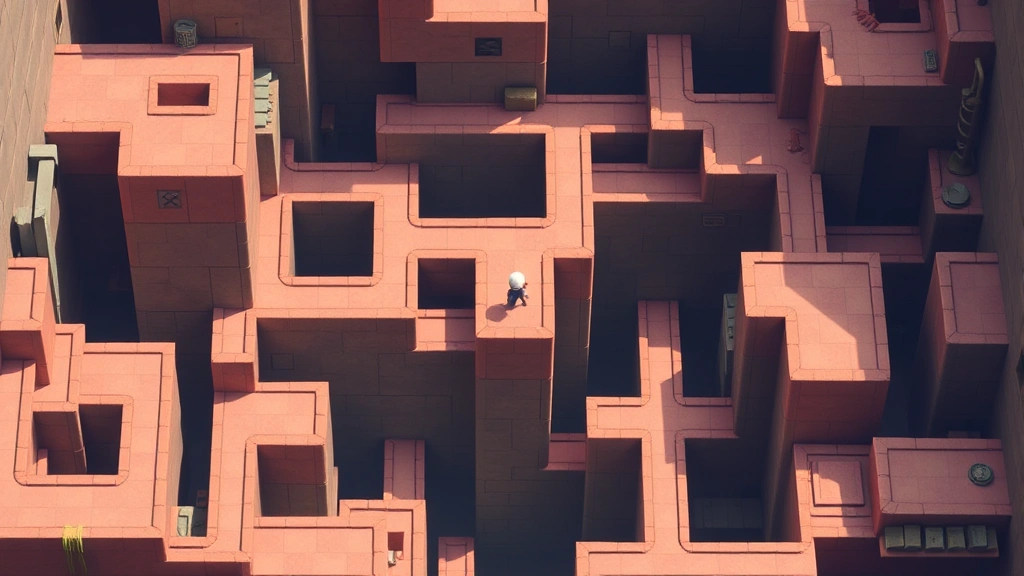
Mind the Gap introduces a refreshingly original mechanic that sets it apart from conventional platformers. The primary gameplay loop involves navigating your character across increasingly complex environments where perspective and spatial relationships become crucial puzzle elements. Rather than simply jumping from platform to platform, players must understand how the game’s unique perspective system works to progress.
The central mechanic allows players to shift how they perceive the game world, creating opportunities to bridge gaps that initially seem impossible to cross. This perspective-shifting element transforms what might otherwise be straightforward level navigation into genuine brain-teasing challenges. Each puzzle presents multiple solutions, encouraging creative thinking and experimentation. The game respects player intelligence by never explicitly stating how to proceed, instead allowing discovery through trial and error.
Character control feels responsive and precise, which becomes essential when attempting challenging sequences. Movement mechanics are intuitive enough for newcomers yet offer enough depth for players seeking mastery. The game teaches its mechanics gradually through well-designed tutorial levels that never feel patronizing. As you progress through the experience, new mechanics layer upon existing ones, building complexity naturally.
Compared to other best board games and puzzle experiences, Mind the Gap translates strategic thinking into real-time gameplay, creating a unique hybrid experience. The puzzle-platformer genre has seen significant evolution, and this title contributes meaningfully to that conversation.

Visual Design and Aesthetics
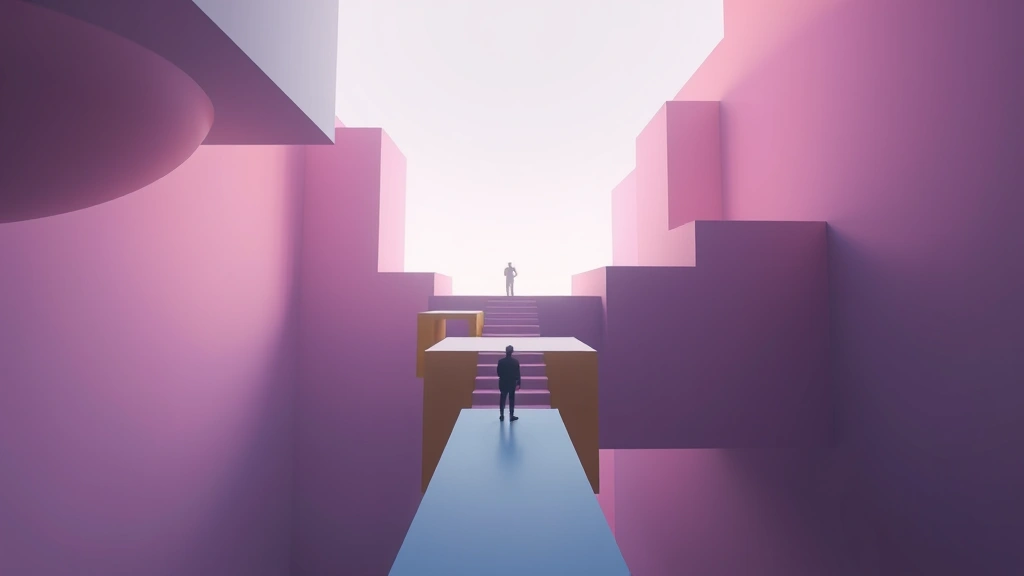
Visually, Mind the Gap employs a minimalist art style that belies the complexity underlying its design. The aesthetic choices serve functional purposes beyond mere decoration—colors and visual cues guide players toward solutions without being heavy-handed. The art direction demonstrates that indie developers can achieve remarkable visual impact without cutting-edge graphics technology.
The color palette shifts deliberately as you progress through different worlds, with each environment featuring distinct visual themes. This variety prevents visual fatigue across the game’s lengthy campaign while maintaining consistent artistic cohesion. Character design is charming without being distracting, allowing players to focus on puzzle-solving rather than admiring detailed character models.
Environmental design communicates level structure intuitively, with visual hierarchy guiding attention toward important elements. The perspective-shifting mechanic gains additional clarity through thoughtful visual design choices that make spatial relationships easier to comprehend. Players never feel confused about the three-dimensional space they’re navigating, even when perspective becomes mind-bending.
Level Design and Progression
The progression system in Mind the Gap demonstrates masterful understanding of difficulty scaling. Early levels introduce core concepts with generous margin for error, gradually increasing demands as player competency grows. Each world introduces new mechanics or variations on existing ones, preventing the experience from becoming stale despite the game’s considerable length.
Level design avoids artificial padding, with each stage serving clear pedagogical or entertainment purposes. Secret areas reward exploration without being essential for progression, offering additional challenge for dedicated players. The optional content provides meaningful additions rather than trivial collectibles, respecting player time investment.
Boss encounters, when they appear, challenge mastery of accumulated skills rather than introducing entirely new mechanics. These confrontations feel earned and satisfying, marking clear progression milestones. The game structure encourages multiple playthroughs, with subsequent runs often revealing alternative paths through familiar spaces.
Difficulty Balance and Accessibility
Mind the Gap’s difficulty curve remains consistently engaging without becoming frustratingly punishing. The game allows players to retry failed sections immediately without loading screens or excessive backtracking, maintaining momentum during challenging passages. This design philosophy respects player agency while preventing frustration from derailing enjoyment.
Accessibility options enhance the experience for players with varying skill levels. While the game doesn’t feature traditional difficulty settings, its design inherently accommodates different playstyles. Speedrunners find optimization challenges in each level, while casual players appreciate the forgiving checkpoint system. The game succeeds in appealing to diverse audiences without compromising its artistic vision.
For those building their gaming setup, understanding your hardware matters—check out our gaming PC build guide to ensure your system handles modern indie titles smoothly. Additionally, a quality gaming mouse with adjustable DPI can enhance precision during challenging platforming sequences.
Audio Experience and Soundtrack
The soundtrack perfectly complements Mind the Gap’s visual presentation, featuring atmospheric compositions that enhance immersion without overwhelming the experience. Music dynamically responds to player actions, building tension during challenging sequences and providing satisfaction through triumphant flourishes upon completion.
Sound design extends beyond music, with environmental audio cues providing subtle guidance toward solutions. Footsteps, impacts, and ambient sounds create convincing spatial awareness, reinforcing the perspective-shifting mechanic’s effectiveness. Audio feedback for successful actions feels rewarding without becoming annoying through repetition.
The overall audio direction demonstrates how indie titles can achieve professional-quality sound design through thoughtful implementation rather than massive budgets. Voice acting, where present, maintains the game’s charming tone without taking itself too seriously.
Replayability and Content Value
Mind the Gap offers substantial content for its asking price, with the main campaign providing 15-20 hours of engaging gameplay for most players. Speedrunners and completionists will find considerably more value through challenging optional content and hidden areas. The game’s structure naturally encourages replaying levels to discover alternative solutions.
Post-game content extends the experience for those who’ve mastered the main campaign. Challenge modes test specific skills, while community-driven content adds longevity. The game receives regular updates adding new levels and features, showing developer commitment to long-term support.
Compared to other modern indie releases featured in our GameForge Daily Blog, Mind the Gap delivers exceptional value. The replayability factor ensures your investment continues paying dividends long after initial completion.
Technical Performance
Performance-wise, Mind the Gap runs smoothly across target platforms with minimal technical issues. Load times are nearly imperceptible, allowing seamless progression through levels. The game maintains consistent frame rates even during visually complex sequences, demonstrating efficient optimization.
If you’re interested in what is cloud gaming, Mind the Gap’s relatively modest system requirements make it an excellent candidate for cloud gaming services. The game’s design doesn’t require split-second reflexes that would suffer from cloud latency, making it ideal for that platform.
Cross-platform support extends the experience to multiple devices, though performance varies slightly between systems. PC versions offer the most robust performance, while console versions provide excellent optimization for their respective hardware. Mobile ports maintain the core experience while adapting controls for touchscreen input.
Final Verdict
Mind the Gap represents everything excellent about indie game development: innovative mechanics, thoughtful design, and genuine passion for creating memorable experiences. The game respects player intelligence while remaining accessible to newcomers, striking that elusive balance that separates good games from great ones.
The perspective-shifting mechanic never becomes gimmicky, instead serving as the foundation for genuinely creative puzzle design. Each level feels purposefully crafted rather than procedurally generated, demonstrating human creativity in every stage. The emotional journey from initial confusion to triumphant mastery creates satisfaction that persists long after completion.
Technical excellence, artistic vision, and exceptional game design converge in Mind the Gap, creating an experience that deserves recognition among the finest indie titles. Whether you’re seeking your next gaming obsession or exploring new genres, this title demands your attention. The game proves that innovation doesn’t require massive budgets or cutting-edge technology—it requires thoughtful design and genuine understanding of what makes games engaging.
For additional perspective on the current indie gaming landscape, IGN’s coverage provides comprehensive reviews of contemporary titles. GameSpot’s database offers detailed information about puzzle-platformer mechanics and design philosophies. The Indie Games community celebrates innovative titles like Mind the Gap that push creative boundaries. For esports and competitive gaming perspectives, esports organizations occasionally feature puzzle-game speedrunning competitions.
FAQ
How long does it take to complete Mind the Gap?
Most players complete the main campaign in 15-20 hours, though completion times vary based on puzzle-solving speed and exploration thoroughness. Speedrunners complete it faster, while those pursuing 100% completion invest considerably more time.
Is Mind the Gap suitable for casual gamers?
Absolutely. While the game offers challenge for experienced players, its design accommodates casual gamers through forgiving checkpoints and intuitive mechanics. You can enjoy the experience at your own pace without pressure.
What platforms is Mind the Gap available on?
The game releases across PC, Nintendo Switch, PlayStation, and Xbox platforms, with mobile versions available on iOS and Android. Each version maintains the core experience while optimizing for platform-specific controls.
Does Mind the Gap have multiplayer features?
The main experience focuses on single-player gameplay, though some versions include local multiplayer modes for puzzle-solving cooperation. Check platform-specific versions for multiplayer availability.
Are there difficulty settings?
Rather than traditional difficulty settings, the game’s design naturally accommodates different skill levels. Optional challenges and secret areas provide additional difficulty for those seeking harder content.
How does the perspective-shifting mechanic work?
The core mechanic allows players to reorient how they perceive the game space, revealing hidden platforms and alternative paths. Learning to visualize three-dimensional space from different angles becomes essential for progression.