
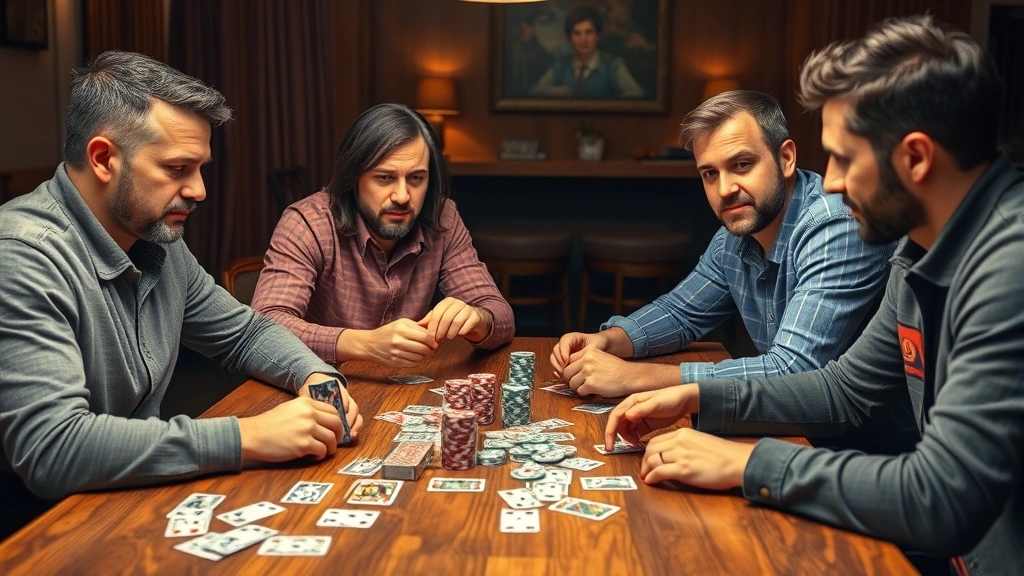
Oh Hell Game Tips: Expert Strategy Guide to Master the Card Game
Oh Hell, also known as “Contract Bridge” or “Bid Whist,” is a thrilling card game that combines luck, strategy, and psychological warfare. Whether you’re playing casually with friends or competing in serious tournaments, mastering this game requires understanding bidding mechanics, reading opponents, and managing risk effectively. This comprehensive guide will transform you from a casual player into a strategic powerhouse who consistently outsmarts the competition.
The beauty of Oh Hell lies in its elegant simplicity paired with surprising depth. Players must bid exactly how many tricks they’ll win—not more, not less—making it a game of precision and nerve. One wrong bid can derail your entire hand, while perfect prediction leads to glorious victory. Let’s dive into the strategies that separate champions from amateurs.
Understanding Oh Hell Game Fundamentals
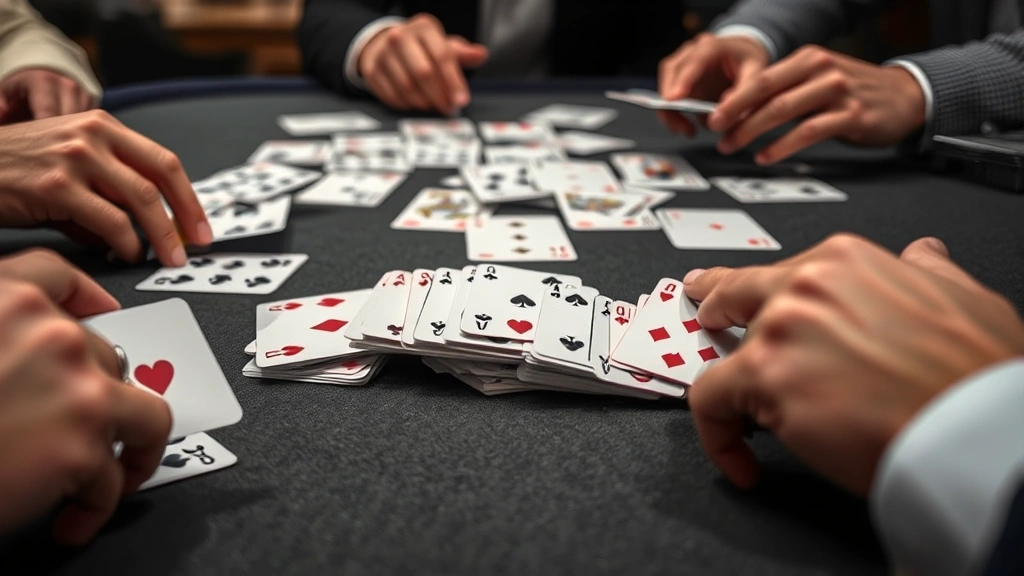
Before implementing advanced strategies, you must grasp the core mechanics of Oh Hell. The game uses a standard 52-card deck and involves 3-6 players, though 4-5 players is optimal. Each round, players receive a certain number of cards—starting with one card in round one and increasing by one each round until reaching the maximum (usually 13 with four players), then decreasing back down.
The trump suit changes each round, typically rotating through all suits and including a round where there’s no trump. This mechanic fundamentally alters strategy because trump cards can dominate tricks you’d otherwise lose. Understanding when trump is established and how it affects your hand strength is crucial for accurate bidding.
The core principle of Oh Hell is deceptively simple: you must win exactly the number of tricks you bid. Win one more, and you lose points equal to your bid plus one. Win one fewer, and you lose the same penalty. This creates intense pressure—a bid that seems safe might become catastrophic depending on how other players perform. The scoring system rewards precision and punishes overconfidence.
Card rankings follow standard conventions: Ace high, King, Queen, Jack, 10, 9, 8, 7, 6, 5, 4, 3, 2 low. However, what matters most isn’t individual card strength but how your cards interact with the trump suit and your opponents’ likely holdings. A low trump card can be worth more than an Ace in a non-trump suit if it guarantees a trick.
Mastering the Bidding Strategy
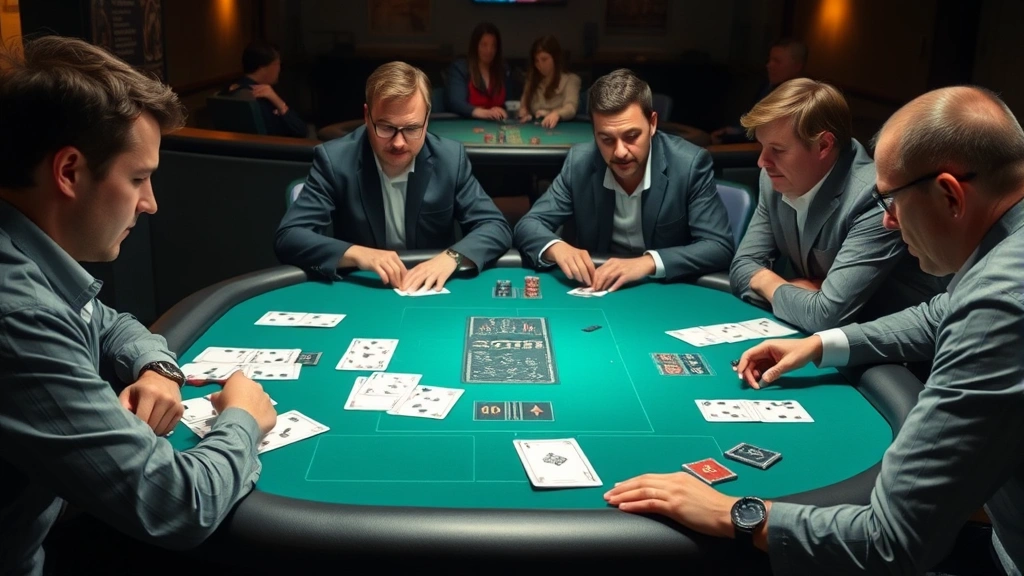
Bidding is where Oh Hell separates skilled players from novices. Your bid must reflect not just your hand’s strength but also your position at the table, the trump suit, and your opponents’ likely strategies. This is where true mastery begins.
First-Round Bidding Principles: When you receive your single card in the first round, bidding becomes almost mathematical. If your card beats the trump suit or matches it, bid one trick. If not, bid zero. The beauty of round one is its simplicity—it teaches the fundamental principle that only winners count.
Hand Evaluation Technique: Develop a systematic approach to evaluating hand strength. Count your sure tricks (cards that will definitely win), probable tricks (cards likely to win), and possible tricks (cards that might win depending on distribution). Conservative players should bid only sure tricks, while aggressive players might include one probable trick. Your table position affects this calculation significantly.
Position-Based Adjustments: Your seating position relative to the dealer dramatically impacts bidding strategy. Early positions (closer to dealer) have less information about opponents’ hands. Late positions see more cards played and can make more informed decisions. As a late-position player, you can bid more aggressively because you understand the table’s card distribution better.
The dealer’s position is particularly interesting—the dealer bids last and knows exactly what total bids other players made. If the total bids don’t equal the number of tricks available, the dealer must adjust their bid to create a mismatch. This forces the dealer into either bidding higher than their hand warrants or bidding lower, creating strategic tension.
Trump Suit Consideration: The trump suit’s identity matters enormously. If you hold low trump cards but few high cards in other suits, your hand’s value increases dramatically. Conversely, if you hold high cards in non-trump suits but weak trump, your hand value decreases. Always recalculate your bid after learning the trump suit.
Card Play Techniques and Tactics
Once bids are placed, card play determines success or failure. This is where you execute your strategy while adapting to opponents’ moves. Several tactical principles separate winners from losers.
Leading Strategy: Who plays first in each trick has significant control. Strong leaders establish patterns that opponents must respond to. If you’re trying to win exactly three tricks, leading with your strongest suit forces opponents to either waste high cards defending or concede tricks. Conversely, leading with weak suits can trap opponents into playing cards they’d prefer to save.
When you need to lose tricks (bid zero or one), leading your weakest cards encourages opponents to play high cards, wasting their strength. This is counterintuitive but powerful—sometimes you want to lose tricks strategically rather than fight for them.
Following Suit Discipline: Always follow suit when possible. Breaking this rule signals information about your hand composition, giving opponents crucial advantages. If you can’t follow suit, your discard choice becomes meaningful. Discard cards that duplicate information already known or cards you absolutely don’t need.
Trump Management: Use trump cards strategically, not automatically. Wasting trump on tricks you’d win anyway is inefficient. Save trump for tricks where it’s the only way to win or the only way to prevent opponents from winning. In Oh Hell, trump conservation often wins games more than aggressive trump usage.
If you’ve already made your bid, protecting it becomes paramount. If you bid three tricks and have already won three, play defensively. Force opponents to waste resources. Conversely, if you’re one trick short with few cards remaining, play aggressively to create opportunities.
End-Game Calculations: As tricks dwindle, track remaining cards carefully. If you need one more trick and two cards remain, calculate the probability that your remaining card beats what opponents might play. If you’re one trick over your bid with multiple cards left, play to lose tricks strategically.
Reading Your Opponents
Psychology and observation transform good players into great ones. Every action at the table provides information about opponents’ hands and strategies.
Bidding Pattern Analysis: Aggressive bidders who consistently overestimate their hands become predictable. Conservative bidders who underbid miss opportunities. Track each opponent’s bidding tendencies over multiple rounds. Does Player A always bid one less than they should? Does Player B consistently bid trump-heavy hands higher? These patterns become exploitable.
Card Play Tells: How quickly players make decisions reveals information. Instant plays usually indicate strength or weakness that’s obvious. Hesitation suggests difficult choices—perhaps the player is deciding between multiple reasonable plays. This hesitation often means they have intermediate-strength cards rather than clear winners or losers.
Watch for nervous habits, facial expressions, and betting patterns. Some players unconsciously play differently when they’re bluffing (bidding higher than their hand warrants) versus when they’re confident. These subtle tells accumulate into reliable information.
Hand Reconstruction: As tricks are played, reconstruct what cards opponents hold. If Player B played a 7 of hearts and never played hearts again, they likely only had one heart. If they played multiple hearts, they probably have more of that suit. This deduction process, repeated across multiple hands, builds a probabilistic model of each opponent’s hand composition.
Intention Signals: How players discard when not following suit often signals their strategy. Discarding high cards suggests they want to lose tricks. Discarding low cards suggests they’re saving high cards for tricks they want to win. These patterns help you predict their future plays.
Advanced Scoring Systems
Understanding scoring mechanics helps you bid and play more strategically. Different scoring variations exist, but the most common awards points for making your exact bid while penalizing over and under-tricks.
Standard Scoring: Making your bid exactly scores points equal to your bid plus a bonus (typically 10 points). Missing your bid by any amount costs points equal to your bid plus the number of tricks you missed by. This creates a non-linear penalty system where small mistakes cost significantly.
For example, bidding three tricks and winning three scores 13 points (3 + 10 bonus). Winning four tricks scores 0 points (failed by 1 trick = -4 points). Winning two tricks also scores 0 points (failed by 1 trick = -3 points). This symmetry emphasizes precision.
Cumulative Strategy: In multi-round games, cumulative scoring encourages different strategies at different times. Early rounds with few cards allow conservative play since you’ll have many opportunities to recover. Later rounds with maximum cards require more aggressive play to accumulate points quickly.
If you’re far behind in cumulative scoring, you must bid aggressively and take calculated risks. If you’re ahead, conservative bidding protects your lead. This dynamic creates fascinating strategic depth across entire games.
Variant Rules: Some groups play with modified scoring where making a zero bid scores bonus points, encouraging bluffing and risk-taking. Others use progressive scoring where later rounds score higher points. Understanding your specific scoring system before developing strategy is essential.
Common Mistakes to Avoid
Even experienced players make preventable errors. Awareness of these common pitfalls dramatically improves your win rate.
Overvaluing High Cards: Many players bid based primarily on card ranks without considering trump suit and distribution. An Ace in a non-trump suit might be worth less than a low trump card. Evaluate your hand holistically, not card-by-card.
Ignoring Position: Playing identically regardless of seating position wastes your positional advantage. Late-position players have superior information and should bid more aggressively. Early-position players should be more conservative. Adjust your entire strategy based on position.
Rigid Bidding: Some players bid the same way every game without considering the specific table composition, trump suit distribution, or cumulative score. Flexibility based on circumstances separates winners from losers.
Trump Waste: Using trump cards to win tricks you’d win anyway is inefficient. Every trump card used should either win a trick you’d otherwise lose or prevent opponents from winning a critical trick. Save trump for moments of maximum impact.
Emotional Bidding: Never bid based on anger, frustration, or the desire to punish opponents. Emotional decisions lead to poor bids and worse card play. Stay calm, think strategically, and execute your plan.
Dealer Position Confusion: The dealer’s unique position of knowing all bids before bidding creates special strategic considerations. Don’t ignore this advantage or disadvantage. If you’re the dealer and bids total more tricks than available, you must force a mismatch. Plan accordingly.
Tournament-Level Play
Competitive Oh Hell tournaments require elevated strategy and mental discipline. Players who master these advanced concepts dominate tournament play.
Risk Management: Tournament-level players understand variance and expected value. A bid with 60% success rate is worth taking if it puts you ahead in cumulative scoring. A bid with 40% success rate might still be worth taking if making it wins you the game. Calculate expected value, not just probability.
Table Image: Your reputation affects how opponents play against you. If you’ve established yourself as a conservative player, opponents respect your bids and your card plays. If you’ve been aggressive, they discount your bids and challenge your plays. Manage your table image strategically—sometimes being unpredictable wins games.
Bluffing in Oh Hell: Unlike poker, Oh Hell doesn’t involve hidden bets, but bidding itself is a form of bluffing. Occasionally bid higher than your hand warrants (when it makes mathematical sense given cumulative scoring) to establish unpredictability. Skilled opponents will respect these occasional aggressive bids.
Endgame Analysis: As you approach the game’s final rounds, calculate the exact bids needed to win. Sometimes this math reveals that you can’t win regardless of your play. In these situations, take calculated risks. You’ve already lost, so aggressive play might create opportunities. Conversely, if you’re guaranteed to win, play conservatively to protect your victory.
Consider checking out best board games of all time to explore other strategic card games that develop similar skills. Many competitive card game players benefit from studying multiple games.
Mental Stamina: Tournament play requires sustained focus over multiple games. Fatigue leads to poor decisions. Manage your energy, take breaks, and maintain concentration. Champions understand that Oh Hell is as much a mental game as a strategic one.
For players interested in recording their games for analysis, our guide to recording gameplay provides excellent techniques for capturing and reviewing your play.
FAQ
What’s the difference between Oh Hell and other trick-taking games?
Oh Hell’s defining characteristic is the requirement to win exactly your bid. Other trick-taking games like Bridge or Spades reward winning at least your bid. This exactness requirement creates unique psychological pressure and strategic depth. The increasing and decreasing hand sizes across rounds also distinguish Oh Hell from static-hand games.
How many players can play Oh Hell?
Oh Hell accommodates 3-6 players, though 4-5 players is ideal for balanced gameplay. With three players, hand distribution becomes skewed. With six players, the game extends quite long. Our gaming blog has discussed various player-count variations if you want to explore alternatives.
Can I bid zero tricks?
Absolutely! Bidding zero (called “going nil” in some variants) means you’re attempting to lose all your tricks. This is a valid and sometimes winning strategy, especially when your hand contains only low cards. Making a zero bid scores the same as making any other bid—the exact amount plus bonus.
What happens if the total bids don’t equal available tricks?
This is the dealer’s responsibility to prevent. Before the dealer bids, they know all other bids. If the total would equal the number of available tricks, the dealer must bid differently to create a mismatch. This is a built-in rule that prevents ties and adds strategic complexity.
How do I practice Oh Hell strategy?
Play regularly with consistent opponents to develop reading skills. Review hands afterward to analyze your bidding and card play decisions. Study how experienced players approach similar situations. If you enjoy strategic gaming, explore our indie games guide for digital implementations where you can practice against AI opponents.
Is Oh Hell purely luck or skill-based?
Oh Hell is approximately 40% luck (card distribution) and 60% skill (bidding and play). This balance makes it exciting—luck ensures anyone can win occasionally, but skill determines long-term winners. Master the strategic elements and you’ll consistently outperform casual players.
What’s the best trump suit in Oh Hell?
There’s no objectively best trump suit since it changes each round. However, trump distribution matters more than suit identity. If you hold multiple trump cards, trump strength increases your hand value. If you hold few trump cards, trump becomes less valuable. Evaluate your hand relative to the trump suit each round.
How should I adjust strategy for different player skill levels?
Against weak players, bid conservatively since they’re less likely to execute optimal plays. Against strong players, bid more aggressively and play with more nuance. Weak players often play predictably; strong players exploit patterns. Adapt your strategy to your table’s skill composition for maximum success.
For more strategic gaming content and discussions about competitive play, visit our gaming resources where we explore various gaming topics and strategies. You might also be interested in learning about cloud gaming options if you want to play Oh Hell digitally with online opponents.