
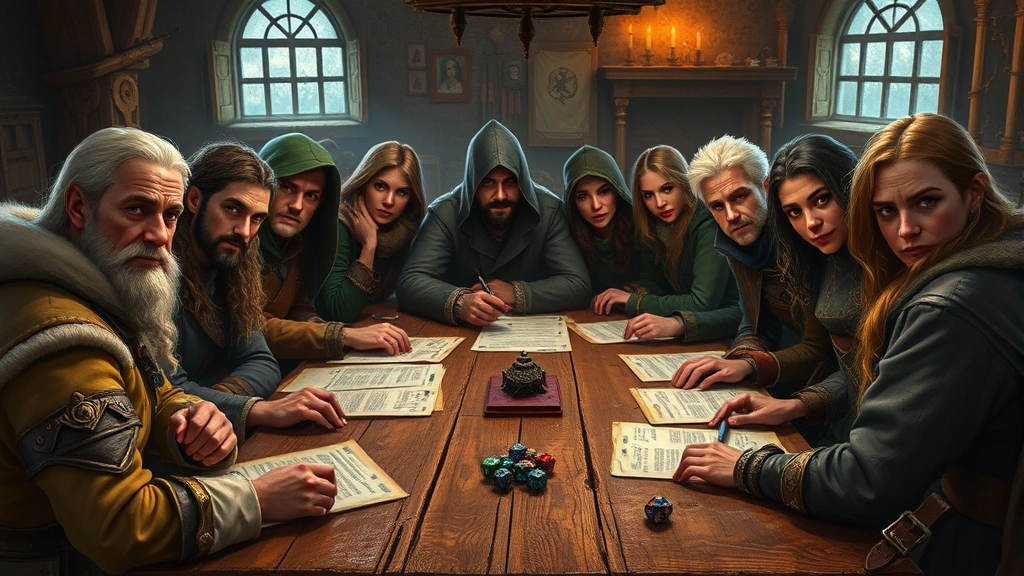
Top RPG Tabletop Games: Expert Roundup
The resurgence of tabletop role-playing games has transformed gaming culture over the past decade. What was once confined to basement gatherings and gaming conventions has exploded into a mainstream phenomenon, with streaming platforms showcasing epic campaigns to millions of viewers worldwide. Whether you’re a seasoned dungeon master or a curious newcomer, understanding the landscape of RPG tabletop games is essential for finding your next obsession.
The beauty of tabletop RPGs lies in their boundless creativity and social connectivity. Unlike video games that follow predetermined paths, these games empower players to craft their own stories, make meaningful choices, and collaborate with friends in ways that digital experiences simply cannot replicate. From fantasy epics to sci-fi adventures, horror campaigns to modern-day mysteries, there’s a tabletop RPG for every imagination and playstyle.
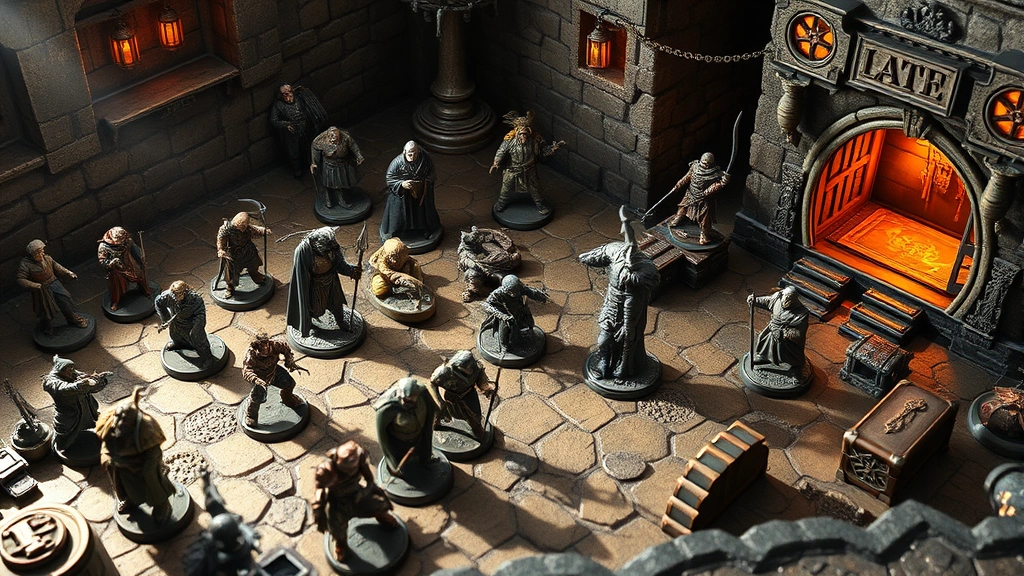
Dungeons & Dragons: The Gold Standard
When discussing RPG tabletop games, Dungeons & Dragons remains the undisputed heavyweight champion. Since its inception in 1974, D&D has defined the genre and continues to attract millions of players globally. The fifth edition, released in 2014, streamlined mechanics while maintaining the strategic depth that makes the game compelling.
D&D’s appeal transcends the gaming table. The accessibility of fifth edition rules makes character creation intuitive, while the flexibility of the system accommodates everything from tactical combat to narrative-driven roleplay. Players appreciate the balance between structure and improvisation, where a skilled dungeon master can adapt to player choices seamlessly.
The official sourcebooks provide exceptional world-building resources. From the Forgotten Realms to Eberron, these settings offer rich lore that inspires creativity. Additionally, the community-generated content on platforms like D&D Beyond and Reddit’s r/DMAcademy has created an invaluable knowledge base for both new and experienced players.
What makes D&D particularly special is its cultural penetration. Shows like Critical Role and Dimension 20 have introduced tabletop gaming to mainstream audiences, creating a self-reinforcing cycle of interest and accessibility. If you enjoy collaborative storytelling experiences, exploring our best co-op games guide might interest you as well.

Pathfinder: The Tactical Alternative
For players seeking deeper tactical complexity and character customization, Pathfinder represents an exceptional alternative to D&D. Originally built as a modification of D&D 3.5 edition, Pathfinder has evolved into a sophisticated system with two distinct editions: the original Pathfinder Roleplaying Game and the newer Pathfinder 2e.
Pathfinder excels in mechanical depth. With countless feats, archetypes, and multiclassing options, character building becomes an intricate puzzle that rewards system knowledge. Optimization enthusiasts find tremendous satisfaction in constructing powerful characters with synergistic abilities. The comprehensive ruleset ensures consistent adjudication across different tables.
The community surrounding Pathfinder is incredibly dedicated. Paizo, the publisher, maintains exceptional communication with players through organized play programs like Pathfinder Society, which allows players to participate in a shared world where their character’s actions have lasting consequences. This creates a unique sense of investment and community engagement.
Pathfinder 2e represents a significant departure from its predecessor, introducing a three-action economy that creates more dynamic combat encounters. The rebalancing of classes ensures that no single character dominates the spotlight, promoting balanced party composition and collaborative gameplay. For those interested in exploring various gaming genres, our indie games collection showcases similarly innovative rule systems.
Call of Cthulhu: Horror Reimagined
If you crave psychological horror and cosmic dread, Call of Cthulhu offers an entirely different flavor of tabletop gaming. Based on H.P. Lovecraft’s cosmic horror fiction, this game prioritizes investigation, atmosphere, and the slow erosion of sanity over combat-focused gameplay.
Call of Cthulhu’s mechanics brilliantly reinforce thematic elements. The sanity system ensures that discovering horrifying truths carries genuine mechanical consequences. Players experience increasing psychological strain as their characters encounter incomprehensible entities, creating a narrative arc where knowledge becomes a liability. This unique approach transforms the typical power fantasy into something far more unsettling.
The game’s flexibility accommodates various time periods and settings. Whether investigating mysterious murders in 1920s New York, exploring forgotten temples in the 1890s, or uncovering modern-day conspiracies, Call of Cthulhu’s core mechanics remain applicable. This versatility has spawned countless supplements and official settings that expand the game’s possibilities.
Keeper preparation (the Cthulhu equivalent of dungeon mastering) requires careful attention to pacing and atmosphere. The best Call of Cthulhu sessions prioritize investigative challenges and roleplay over combat encounters. This makes the game particularly rewarding for players who appreciate narrative depth and collaborative storytelling over tactical optimization.
Starfinder: Space Opera Adventures
For those who prefer futuristic settings to medieval fantasy, Starfinder delivers comprehensive space opera gameplay. Developed by Paizo, Starfinder builds upon the Pathfinder ruleset while introducing mechanics specifically designed for sci-fi adventures.
Starfinder’s universe is vast and welcoming. The game supports diverse character options, including androids, kasathas, vesk, and numerous other alien species. This diversity encourages creative character concepts and ensures every player can find a character concept that resonates with them. The technology system provides meaningful choices in equipment and customization.
Spaceship combat represents one of Starfinder’s most innovative features. The starship combat rules create tactical encounters that feel distinct from personal combat, encouraging creative problem-solving and tactical positioning. Players can engage in dogfights, boarding actions, and large-scale fleet battles with mechanics that remain engaging and accessible.
The Pact Worlds setting provides exceptional world-building infrastructure. Multiple playable factions, distinct cultures, and interconnected storylines create a cohesive universe that feels lived-in and dynamic. Adventure paths guide players through compelling narratives while maintaining the flexibility to improvise and adapt.
Vampire: The Masquerade
Vampire: The Masquerade revolutionized tabletop gaming by focusing on character-driven narratives within a modern supernatural setting. This game emphasizes political intrigue, personal horror, and moral ambiguity in ways that traditional fantasy games rarely explore.
The World of Darkness setting creates a compelling backdrop for human drama. Players navigate vampire politics, maintain the Masquerade (the secret of vampire existence), and struggle with their characters’ humanity. The system rewards roleplay and negotiation over combat, making it ideal for players who prioritize character development and interpersonal conflict.
Character creation in Vampire is remarkably engaging. The Camarilla structure, different bloodlines, and competing philosophies create immediate roleplay hooks. Players understand their character’s place in a complex social hierarchy from the moment they sit down at the table. This built-in conflict generates natural dramatic tension.
The game’s flexibility accommodates various playstyles. Some tables focus on gothic horror and personal tragedy, while others emphasize political scheming and resource management. This adaptability has sustained the franchise for decades, and the recent fifth edition rules update has introduced new mechanics that streamline gameplay while maintaining the game’s essential character.
Warhammer 40K RPG
Games Workshop’s Warhammer 40,000 RPG offerings provide rich gameplay experiences set in a grimdark far future. Multiple RPG systems operate within the Warhammer 40K universe, each offering distinct perspectives on this brutal setting.
Rogue Trader focuses on exploration and commerce in the vast Imperium, allowing players to captain void ships and discover new worlds. Deathwatch emphasizes elite military action as Space Marines fighting impossible odds. Black Crusade explores the perspective of chaos-corrupted antiheroes, while Only War grounds the experience in the gritty reality of Imperial Guard soldiers.
Each system captures different aspects of the Warhammer 40K experience. The shared universe creates opportunities for interconnected campaigns and crossover moments. The atmospheric writing and exceptional artwork immerse players in a universe where hope is a luxury and survival is an achievement.
The complexity of these systems varies significantly. Some require substantial rulebook familiarity, making them better suited for experienced players. However, the payoff justifies the investment for those seeking deep, setting-specific gameplay that captures the essence of Games Workshop’s expansive universe.
Beginner-Friendly Options
Not everyone wants to dive into complex rulebooks. Several RPG tabletop games prioritize accessibility without sacrificing depth or fun. These games serve as excellent entry points for curious newcomers.
Powered by the Apocalypse games like Dungeon World streamline traditional RPG mechanics while maintaining tactical depth. The move-based system creates engaging gameplay without requiring extensive rulebook consultation. These games emphasize narrative momentum and collaborative storytelling over mechanical optimization.
Fate Core offers narrative-focused gameplay using a simple d6-based system. Characters are defined by aspects rather than numerical statistics, encouraging creative problem-solving and improvisation. The flexibility of Fate allows customization for virtually any setting imaginable.
Kids on Bikes and Brindlewood Manor represent the cutting edge of accessible game design. These games prioritize fun and accessibility while delivering meaningful decision-making and surprising narrative twists. They’re perfect for introducing gaming to skeptical friends or younger players.
Choosing Your Perfect Game
Selecting the ideal RPG tabletop game requires considering several factors. First, evaluate your group’s priorities. Do you want tactical combat optimization, narrative-driven roleplay, horror atmosphere, or something entirely different?
Consider the time commitment. Some games require extensive preparation, while others prioritize improvisational gameplay. Complex systems reward deep engagement but demand more investment from the dungeon master. Simpler systems enable faster learning and more spontaneous fun.
Examine your group’s composition. New players benefit from accessible rules and character creation processes. Experienced gamers might appreciate mechanical depth and optimization opportunities. Diverse groups often thrive with flexible systems that accommodate various playstyles simultaneously.
Community support matters significantly. Games with active communities provide resources, advice, and inspiration that enhance your experience. Check online forums, subreddits, and streaming communities to gauge the vitality of each game’s fanbase.
Finally, start simple. Many experienced players began with D&D or Pathfinder and gradually explored other systems. There’s no shame in playing multiple games simultaneously or cycling through different systems. The tabletop gaming community welcomes experimentation and exploration.
If you’re interested in exploring games across different media, our VR games roundup showcases how immersive technology is revolutionizing interactive entertainment. Similarly, our gaming PC build guide helps you establish the technical foundation for digital gaming experiences that complement your tabletop adventures.
FAQ
What’s the best RPG tabletop game for beginners?
Dungeons & Dragons 5th Edition remains the most accessible starting point due to its widespread availability, intuitive rules, and massive community support. However, Dungeon World or Fate Core offer equally beginner-friendly alternatives with different mechanical philosophies.
How many players do I need to play tabletop RPGs?
Most games accommodate three to six players comfortably, though the dungeon master doesn’t count toward this number. Some games function excellently with two players, while others accommodate larger groups. Check specific game recommendations for optimal player counts.
Can I play tabletop RPGs online?
Absolutely. Platforms like Roll20, Fantasy Grounds, and Foundry Virtual Tabletop enable seamless online play. Many groups successfully play remotely, and some prefer the convenience despite missing the in-person social experience.
How long does a typical tabletop RPG session last?
Sessions typically run two to four hours, though some groups play for six hours or longer. Shorter sessions (ninety minutes) work well for casual groups, while dedicated players often embrace marathon sessions that allow for significant narrative progression.
Do I need to buy expensive rulebooks to play?
Many games offer free or pay-what-you-want basic rules online. While official rulebooks provide comprehensive content, numerous free resources and community-created materials enable satisfying gameplay without significant financial investment.
What’s the difference between tabletop RPGs and video game RPGs?
Tabletop RPGs prioritize collaborative storytelling with unlimited creative freedom, while video game RPGs follow programmed narratives and mechanics. Tabletop games emphasize social interaction and emergent storytelling, whereas video games offer polished graphics and predetermined content. Both offer distinct, valuable experiences.