
The Saran wrap game has become a beloved party favorite that combines luck, strategy, and hilarious unpredictability. Whether you’re hosting a holiday gathering, birthday celebration, or casual game night with friends, mastering this game can make you the ultimate victor. This interactive game challenges players to unwrap layers of plastic wrap using only their hands while sitting on the floor, racing against opponents to claim prizes hidden within. The excitement builds with every layer as participants scramble to be the fastest unwrapper, making it perfect for groups of any size.
If you’ve ever wondered how to consistently win at the Saran wrap game, you’re in the right place. This comprehensive guide reveals expert strategies, proven techniques, and insider tips that will give you a competitive edge. From understanding the mechanics to developing lightning-fast reflexes and strategic thinking, we’ll cover everything you need to dominate this addictive party game. Whether you’re a seasoned player looking to refine your skills or a complete beginner eager to learn the ropes, these expert insights will transform you into an unstoppable force at any gathering.
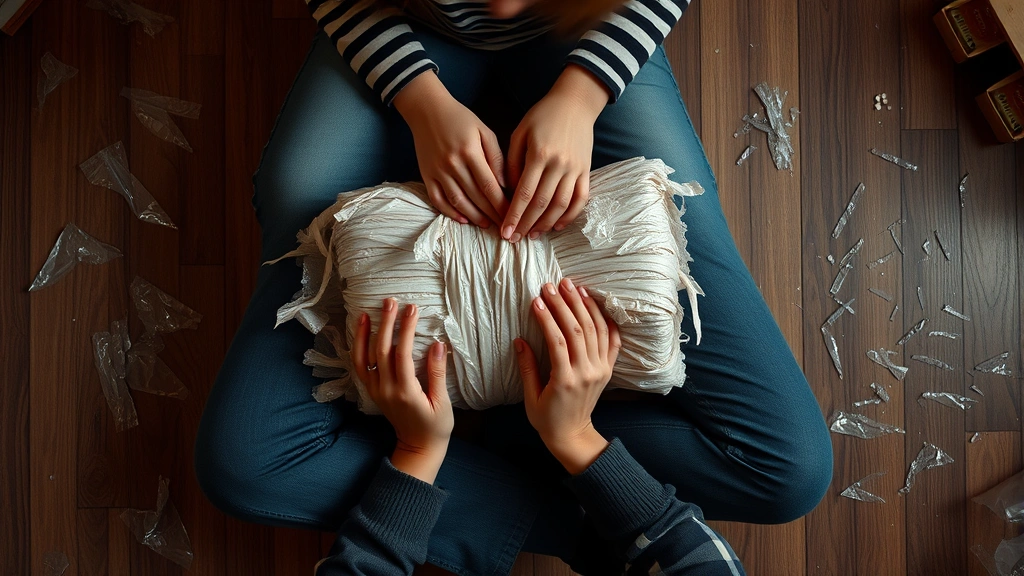
Understanding the Saran Wrap Game Rules
Before you can master the Saran wrap game, you need to understand the fundamental rules that govern play. The basic premise involves wrapping a prize—typically candy, gift cards, or small toys—in multiple layers of plastic wrap, sometimes with objects placed between layers to add complexity. Players sit in a circle, and when the game begins, one player starts unwrapping while others roll dice. The player rolling doubles gets to take over the unwrapping duties, creating a dynamic where possession constantly shifts.
The core objective is straightforward: unwrap the plastic layers and claim whatever prizes you discover inside. However, the twist comes from the dice mechanic. Only the player currently unwrapping can remove plastic wrap, meaning you need strategic timing and positioning to maximize your unwrapping time. Understanding these mechanics is crucial—you’re not just racing against the clock; you’re racing against the probability of someone rolling doubles and stealing your turn.
Different variations exist depending on your group’s preferences. Some versions allow unwrapping with teeth, while others enforce hands-only rules for increased difficulty. Some groups include multiple prizes throughout the layers, while others place all rewards at the center. Understanding your specific game’s ruleset before playing gives you a significant advantage in planning your strategy and optimizing your approach.

Essential Techniques for Speed and Efficiency
Speed is absolutely critical in winning the Saran wrap game. The faster you unwrap, the more layers you’ll remove before someone rolls doubles and takes your turn. Expert players employ specific techniques that maximize unwrapping velocity without sacrificing control or tearing the wrap unnecessarily.
The pinch-and-pull method is the foundation of rapid unwrapping. Rather than grabbing large sections, pinch the plastic wrap between your thumb and forefinger, then pull with quick, controlled motions. This technique requires less force than attempting to rip large sections and provides better precision. Your fingers should work independently—while one hand pulls, the other should be identifying and pinching the next section of wrap to maintain continuous motion.
Develop a rhythm that works for your natural hand speed. Some players find success with rapid, small pulls, while others prefer longer, more forceful motions. The key is consistency and continuous movement. Never pause between sections; the moment you stop pulling, you’re wasting precious seconds. Keep both hands engaged simultaneously when possible, alternating pulls to maintain momentum and prevent fatigue.
Consider the thickness of the plastic wrap. Thicker commercial-grade wrap requires more force but tears more predictably, while thinner wrap demands gentler handling to avoid uncontrolled tears. Adapt your technique based on the specific wrap being used. Professional players assess the wrap’s characteristics within the first few seconds of their turn and adjust their strategy accordingly.
Strategic Hand Positioning and Movement
Your physical positioning directly impacts your unwrapping efficiency in the Saran wrap game. How you hold the wrapped bundle, where you position your hands, and how you manage the accumulating plastic all contribute to victory.
Start by securing the bundle firmly between your knees or against your body. This prevents the wrap from rolling around, which wastes valuable time as you chase it. Your dominant hand should focus on pulling while your non-dominant hand performs precision work—identifying seams, finding edges, and holding sections steady. This division of labor allows maximum efficiency.
Identify the wrap’s edge immediately when you begin unwrapping. Rather than randomly attacking the bundle, locate where one layer ends and another begins. Most wrapping creates natural seams where layers overlap. Finding these seams reduces unwrapping time by 20-30% because you’re pulling along the natural separation point rather than fighting against the wrap’s structure.
Manage the accumulating plastic strategically. Rather than letting loose wrap pile around you, push it away consistently. Create a designated pile to your side, keeping your immediate workspace clear. This prevents tangling and reduces the likelihood of accidentally re-wrapping sections you’ve already removed. Some expert players even ball up removed wrap and toss it aside, maintaining maximum mobility.
Hand endurance matters more than most players realize. Your grip strength will fatigue during longer turns. Vary your grip style—sometimes pinching, sometimes grasping, sometimes using your nails—to distribute the workload across different muscle groups and tendons. This prevents premature fatigue that could slow your unwrapping during critical moments.
Mental Preparation and Focus
Winning the Saran wrap game isn’t purely physical; mental preparation plays an equally important role. Your psychological state directly impacts your performance, decision-making speed, and ability to handle pressure when victory is within reach.
Develop a pre-game mental routine that centers your focus. Some players visualize successful unwrapping sessions, mentally rehearsing their techniques and imagining rapid progress through the layers. Others use breathing exercises to calm pre-game jitters and enter a state of relaxed concentration. Find what works for your psychology and implement it before each game.
Maintain tunnel vision while unwrapping. Block out distractions—other players’ comments, background noise, and external stimuli. Your entire mental focus should center on the task at hand: identifying wrap edges, pulling efficiently, and progressing toward the prize. Players who get distracted inevitably slow down, giving competitors opportunities to steal their turn.
Develop mental resilience for when you lose your turn to a dice roll. Rather than becoming frustrated, immediately shift your mindset to observation mode. Watch the new unwrapper’s technique, identify their strengths and weaknesses, and mentally prepare for your next opportunity. Champions bounce back quickly from setbacks and use observation time productively.
Manage pressure effectively during endgame situations. When you’re close to the final prize and someone’s about to roll the dice, your stress levels naturally elevate. Experienced players acknowledge this pressure without letting it affect their performance. Maintain your rhythm, trust your technique, and execute with confidence regardless of how close you are to victory.
Common Mistakes to Avoid
Understanding what not to do is just as important as knowing the winning strategies for the Saran wrap game. Many players sabotage their own performance through preventable mistakes.
Rushing with poor control: Speed without precision leads to uncontrolled tearing and tangled wrap. You’ll spend more time managing chaos than actually unwrapping. Balance velocity with controlled, purposeful movements.
Ignoring the wrap’s seams: Many beginners attack the wrap randomly instead of identifying natural separation points. This inefficiency wastes seconds that could have been spent unwrapping clean layers.
Poor workspace management: Letting removed plastic accumulate around you creates obstacles and tangles. Maintain a clean, organized unwrapping area throughout your turn.
Inconsistent technique: Switching between different unwrapping methods mid-turn disrupts your rhythm. Develop a primary technique and stick with it unless you deliberately choose to shift strategies.
Mental lapses: Losing focus, getting distracted, or becoming discouraged when losing your turn all reduce performance. Maintain mental discipline throughout the entire game, regardless of circumstances.
Neglecting hand strength: Many casual players don’t realize their grip strength affects performance. Regular hand exercises and finger dexterity work translate directly to better unwrapping velocity.
Advanced Winning Strategies
Once you’ve mastered the fundamentals, advanced strategies separate champions from casual players in the Saran wrap game. These sophisticated approaches require practice but deliver significant competitive advantages.
The momentum preservation technique: Expert players maintain unwrapping momentum even as they transition between layers. Rather than pausing when one layer fully separates, they immediately identify and attack the next layer. This seamless transition prevents the micro-pauses that slow average players.
Strategic weakness exploitation: Watch your opponents during their turns. Identify their patterns, timing weaknesses, and technique inefficiencies. When you get your turn, deliberately use different approaches to avoid their predictable mistakes. Psychological adaptation gives you an edge.
The prediction game: Experienced players develop an intuition for dice probability. When someone’s had their turn for 15-20 seconds, you know the odds of doubles increase significantly. Mentally prepare for takeover moments and position yourself to immediately grab the bundle.
Endurance pacing: Rather than going all-out from the start, championship players pace themselves. They unwrap efficiently but sustainably, preserving hand strength and mental focus for critical endgame moments when the final prizes are within reach. This marathon mentality beats the sprint approach.
Psychological warfare (ethically): While maintaining sportsmanship, you can subtly affect opponents’ performance. Casual conversation, encouraging comments, or respectful competitive banter can distract others without crossing into unsportsmanlike conduct. The mental game matters.
Practice Drills to Sharpen Your Skills
Becoming a Saran wrap game champion requires deliberate practice. These specific drills target different aspects of your game and build the muscle memory, reflexes, and endurance necessary for victory.
Speed drill: Set a timer and unwrap as many layers as possible in 30 seconds. Record your results and try to beat your previous record daily. This builds raw speed and identifies your natural unwrapping velocity ceiling.
Precision drill: Practice unwrapping while maintaining perfect control—no unintended tears or tangling. Prioritize technique perfection over speed. This develops the fine motor control that separates amateurs from professionals.
Endurance drill: Continuously unwrap for 2-3 minutes without stopping. This builds hand strength, grip endurance, and mental fortitude. You’ll develop the stamina to maintain peak performance throughout entire games.
Obstacle drill: Have someone randomly place objects between wrap layers (similar to actual game conditions). Practice unwrapping around obstacles without damaging items or slowing significantly. This replicates real game scenarios.
Distraction drill: Practice unwrapping while someone creates distractions—talking to you, making noise, or creating movement. This trains your ability to maintain focus under pressure, a critical championship skill.
For more strategic party game experiences, check out our guide to best co-op games on Steam where teamwork and strategy dominate. If you enjoy competitive gaming in general, explore our RPG tabletop games collection for other engaging group activities.
FAQ
What’s the best hand position for unwrapping?
Position your dominant hand for pulling and your non-dominant hand for holding and identifying seams. Keep the wrapped bundle secure between your knees or against your body to prevent rolling.
Should I use my teeth to unwrap?
Only if your game’s rules permit it. Hands-only rules increase difficulty but are standard in most versions. Teeth can provide speed advantages but risk damaging prizes and breaking wrap unpredictably.
How can I improve my hand strength for the game?
Practice grip exercises, finger dexterity drills, and hand squeezes regularly. Stronger hands translate directly to faster, more controlled unwrapping during actual games.
What’s the ideal thickness for Saran wrap?
Commercial-grade plastic wrap (approximately 0.5 mils thick) offers the best balance between durability and unwrappability. Thinner wrap is harder to control; thicker wrap requires excessive force.
How do I stay focused during my turn?
Develop a pre-turn mental routine, maintain tunnel vision on the task, and practice mindfulness techniques. Block out distractions and commit fully to efficient unwrapping.
Can I practice unwrapping without playing the actual game?
Absolutely. Solo practice drills build muscle memory, speed, and technique without requiring other players. Time yourself and track improvements to maintain motivation.
What should I do if I lose my turn?
Shift immediately to observation mode. Watch your opponent’s technique, identify their weaknesses, and mentally prepare for your next opportunity. Use downtime productively.