

Skittles Game Tips: Expert Strategy Guide to Master This Classic Game
The Skittles game has captivated players for generations, blending physical skill with strategic thinking in a way that few recreational games can match. Whether you’re playing at a casual game night, a competitive tournament, or simply looking to impress friends at your next gathering, understanding the nuances of Skittles can dramatically improve your performance. This comprehensive guide will walk you through everything you need to know to dominate this timeless pastime.
Skittles, also known as ninepins in some regions, requires precision, timing, and mental fortitude. Unlike purely luck-based games, Skittles rewards players who invest time in mastering technique and developing strategic approaches to different game scenarios. From understanding ball weight distribution to reading lane conditions, every aspect of your Skittles game can be refined and optimized for maximum success.

Understanding the Basics of Skittles
Before diving into advanced strategies, you need to grasp the fundamental rules and objectives of Skittles. The game involves rolling or sliding a ball down a wooden lane toward nine pins arranged in a specific pattern. Your goal is to knock down as many pins as possible with each roll, earning points based on the pins you successfully topple.
The standard Skittles setup features nine pins arranged in a diamond formation, with one pin at the front (the head pin) and subsequent rows containing two, three, and two pins respectively. Understanding this formation is crucial because it determines which pins you should target and how the ball will interact with the pin cluster during each throw.
Scoring in Skittles varies depending on the specific ruleset you’re playing under, but most versions award points for each pin knocked down. Some variations include bonus points for striking all nine pins (known as a spare or strike depending on your rules), while others penalize players for gutter balls or missed throws. Familiarizing yourself with your specific game’s scoring system is essential before you begin developing strategy.
The beauty of Skittles lies in its accessibility combined with its depth. While anyone can pick up a ball and roll it down a lane, mastering the game requires dedication, practice, and a willingness to learn from both successes and failures. This makes Skittles an excellent choice for game night activities where players of all skill levels can participate together.
Proper Grip and Stance Techniques
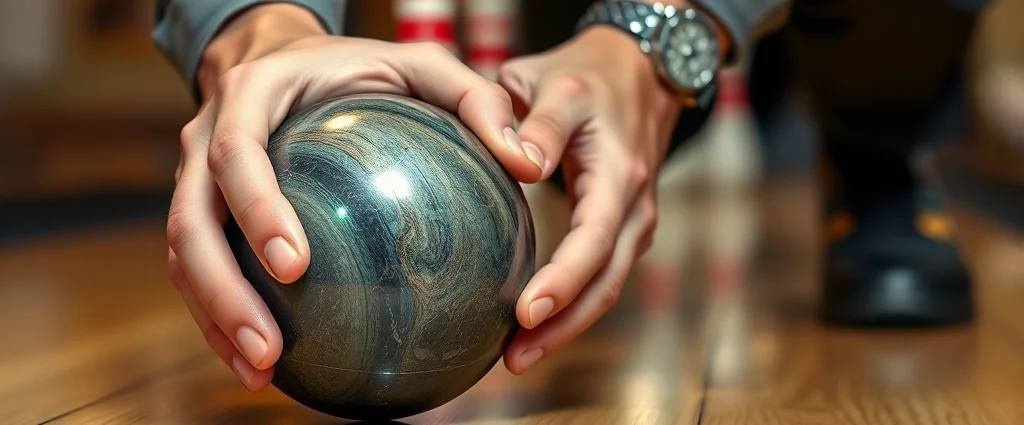
Your grip is the foundation of everything you’ll accomplish in Skittles. A proper grip provides stability, control, and consistency—three attributes that separate casual players from competitive ones. Start by holding the ball with your fingers (not your palm) on the underside of the ball, with your thumb positioned underneath for support and stability.
The most recommended grip for Skittles is the fingertip grip, where your fingers are inserted into the finger holes up to the second knuckle. This allows for maximum flexibility and control during your release. Your thumb should be comfortably seated in the thumb hole without excessive tension. Many players make the mistake of gripping too tightly, which restricts their natural motion and leads to inconsistent releases.
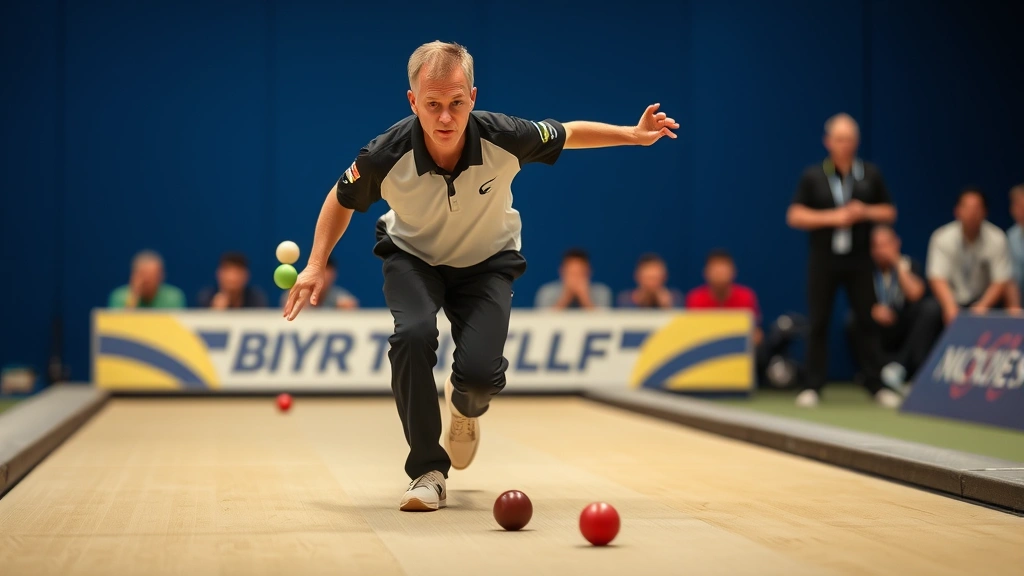
Your stance is equally important as your grip. Position your feet shoulder-width apart, with your non-throwing shoulder pointing toward the pins. Your knees should be slightly bent to maintain balance and absorb the motion of your throw. As you prepare to roll the ball, keep your body relaxed and your core engaged. This combination of tension and relaxation allows for smooth, controlled movements.
The approach to the lane should be deliberate and measured. Take consistent steps toward the foul line, maintaining your balance throughout. Your arm should swing naturally, like a pendulum, without forcing or jerking the motion. Many advanced players develop a specific number of steps they take during their approach—typically four to five steps—which helps establish rhythm and consistency.
Mastering Your Delivery and Release
The delivery and release are where your Skittles game truly comes alive. This is the moment where all your preparation and technique culminate in a single, fluid motion. A proper delivery starts with a smooth backswing, where your arm moves backward and upward in a natural arc. Your elbow should remain relatively straight, and your wrist should be firm but not rigid.
As you move into the downswing, your arm accelerates smoothly toward the pins. The speed of your delivery should match the lane conditions and your target pins. Some players prefer a slower, more controlled delivery that emphasizes accuracy, while others favor a faster approach that generates more pin action. Experiment with different speeds to discover what works best for your style and the specific lanes you’re playing on.
The release is the most critical component of your delivery. Your fingers should come off the ball smoothly and simultaneously, creating a clean exit that minimizes wobble and rotation. A common mistake among inexperienced players is releasing the ball too early or too late in their swing, which causes erratic ball motion and unpredictable results. Practice your release until it becomes second nature, allowing you to maintain consistency even under pressure.
Follow-through is often overlooked but incredibly important. After releasing the ball, your arm should continue its natural motion upward and across your body. A complete follow-through indicates that you’ve delivered the ball properly and helps maintain your balance. Stopping your arm abruptly after release can cause tension that negatively impacts your accuracy.
Advanced Positioning Strategies
Once you’ve mastered the fundamentals, it’s time to explore advanced positioning strategies that will elevate your Skittles game to competitive levels. Your starting position on the approach should be carefully considered based on your target and the lane conditions. If you’re aiming for a direct hit on the head pin, position yourself directly behind it. However, if you’re targeting a specific angle or combination, adjust your starting position accordingly.
Understanding angle of attack is crucial for advanced play. Rather than always rolling straight at the head pin, skilled players learn to approach from different angles to create optimal pin action. A slight angle from the right or left can cause the head pin to ricochet into adjacent pins more effectively than a direct hit, potentially resulting in more pins knocked down overall.
The pocket—the space between the head pin and one of the front corner pins—is where most successful strikes occur. Aiming for the pocket rather than dead center on the head pin often results in better pin action and more total pins knocked down. Experiment with slightly angled approaches that target the pocket, and you’ll notice immediate improvements in your scoring.
Advanced players also consider the state of the pins throughout a frame or round. If certain pins are already standing in less-than-ideal positions, you might adjust your strategy to knock them down before they can interfere with future throws. This requires reading the lane and planning ahead, skills that develop through experience and practice.
Reading Lane Conditions Like a Pro
Professional Skittles players spend significant time reading and understanding lane conditions, as these can dramatically impact ball behavior. Oil patterns on the lane affect how your ball rolls and how much it will curve or hook as it travels toward the pins. Some lanes have more oil in the middle, while others have more on the edges, and these variations require different approaches.
Pay attention to how your ball reacts during practice frames. Does it curve significantly? Does it maintain a relatively straight path? Does it slow down noticeably as it approaches the pins? All of these observations provide valuable information about the lane’s condition. Once you understand the lane’s characteristics, you can adjust your positioning, grip, and delivery to compensate for any quirks.
Lane conditions can change throughout the day as more players use the lanes and the oil pattern shifts. Some venues may refresh the lanes periodically, which resets the conditions and requires you to readjust your strategy. Successful Skittles players remain adaptable and continuously monitor lane conditions, making small adjustments to their approach as needed.
Humidity and temperature can also affect lane conditions, particularly in venues without climate control. Higher humidity can make lanes play slower, while lower humidity might make them play faster. Understanding these environmental factors and their impact on your game demonstrates the sophistication required to truly master Skittles at a competitive level.
Mental Game and Pressure Management
The mental aspect of Skittles is often underestimated, yet it’s absolutely crucial to competitive success. Maintaining focus and composure, especially during high-pressure situations, separates elite players from the rest. Develop a pre-shot routine that helps you get into the right mental state before each throw. This might include taking deep breaths, visualizing your target, or repeating a specific mantra.
Visualization is a powerful tool used by top Skittles competitors. Before each throw, mentally rehearse the perfect delivery, the ball’s path down the lane, and the desired pin action. This mental rehearsal primes your brain and body for success, increasing the likelihood that you’ll execute your planned shot properly.
Managing frustration and maintaining emotional equilibrium is essential. Even the best players miss sometimes, and how you respond to these moments determines your overall performance. Rather than dwelling on mistakes, quickly analyze what went wrong, make necessary adjustments, and move forward with confidence. This resilience is what champions are made of.
Pressure situations—whether you’re competing in a tournament or just trying to beat your friends—require specific mental strategies. Some players find that slowing down their breathing helps calm their nervous system. Others benefit from positive self-talk or focusing on the process rather than the outcome. Experiment with different techniques to discover what works best for your psychological profile.
Common Mistakes to Avoid
Even experienced Skittles players fall into common traps that limit their performance. One of the most prevalent mistakes is inconsistency in approach and delivery. Players who change their technique dramatically from throw to throw struggle to develop reliable accuracy. Establish a consistent routine and stick with it, making only minor adjustments when lane conditions warrant them.
Gripping the ball too tightly is another widespread problem. Tension in your hands and arms transfers throughout your body, creating jerky, uncontrolled movements. Aim for a firm but relaxed grip that allows your natural motion to flow smoothly. Practice relaxation techniques to maintain this balance even under pressure.
Many players fail to account for lane conditions and continue using the same approach regardless of how the lanes are playing. This inflexibility leads to inconsistent results and missed opportunities to optimize your performance. Develop the habit of reading the lane and making strategic adjustments based on what you observe.
Poor footwork and approach is another critical mistake. Players who shuffle their feet, take inconsistent steps, or rush their approach compromise their balance and control. Practice your approach until it becomes automatic, with consistent steps and smooth transitions that set you up perfectly for an optimal delivery.
Not tracking your scores and performance is a missed opportunity for improvement. Keep detailed records of your games, noting lane conditions, strategies used, and results achieved. Over time, this data reveals patterns and helps you identify areas for focused improvement.
Training Routines for Consistent Improvement
Developing a structured training routine is essential for continuous improvement in Skittles. Dedicate specific practice sessions to working on different aspects of your game. One session might focus entirely on grip and stance, another on release mechanics, and another on reading lane conditions and strategy.
Practice games against yourself are excellent for building consistency. Set specific targets—perhaps knocking down eight or more pins on three consecutive frames—and challenge yourself to achieve them. This self-competition builds mental toughness and provides measurable progress indicators.
Video analysis can be incredibly helpful for identifying technical flaws. Record yourself playing, then review the footage to spot inconsistencies in your approach, delivery, or release. Many players are surprised to discover habits they weren’t consciously aware of, and this awareness enables targeted corrections.
Playing against various opponents exposes you to different styles and strategies. Competitive play against skilled opponents pushes you to perform at your highest level and teaches valuable lessons that practice alone cannot provide. Seek out opportunities to compete in local tournaments or casual competitive leagues in your area.
Physical conditioning should not be overlooked. Skittles requires core strength, flexibility, and endurance. Incorporate exercises that strengthen your core, improve your balance, and enhance your flexibility. These physical attributes directly translate to better performance on the lanes.
Consider finding a mentor or coach who can provide expert feedback and guidance. An experienced coach can identify technical issues you might miss and provide personalized strategies for improvement. Many skilled Skittles players are happy to share their knowledge with dedicated learners.
For those interested in broader gaming experiences, exploring board games and indie games can provide mental breaks while still engaging your competitive spirit.
FAQ
What’s the difference between Skittles and regular bowling?
While both involve rolling a ball toward pins, Skittles uses nine pins in a different configuration than bowling’s ten pins. The lane is typically shorter and narrower than a bowling lane, and the rules and scoring systems differ significantly. Skittles emphasizes precision and control, while bowling incorporates more complex pin action dynamics.
How often should I practice to improve my Skittles game?
Ideally, dedicate at least two to three practice sessions per week, with each session lasting one to two hours. Consistency matters more than marathon sessions, so regular practice is more beneficial than occasional intensive sessions. Many competitive players practice four to five times weekly.
What’s the best ball weight for Skittles?
Most recreational Skittles balls weigh between four and six pounds, though this can vary based on personal preference and lane conditions. Heavier balls generate more pin action but require more control, while lighter balls are easier to control but may not move pins as effectively. Experiment with different weights to find your optimal choice.
Can I improve my Skittles game without access to a Skittles lane?
While practice on actual lanes is ideal, you can improve certain aspects of your game away from the lanes. Work on your physical conditioning, practice your approach and delivery mechanics (even without a ball), study game strategy and lane reading concepts, and visualize successful throws. When you do have access to lanes, you’ll see improved performance from this preparation.
What should I wear when playing competitive Skittles?
Wear comfortable, breathable clothing that allows full range of motion. Many competitive players prefer athletic wear similar to what bowlers wear. Your shoes should provide good support and stability, and some venues may require specific footwear. Check your venue’s dress code before competing.
How do I handle nerves during competitive play?
Develop a consistent pre-shot routine that calms your mind and prepares your body. Practice deep breathing techniques, positive self-talk, and visualization. Remember that some nervousness is normal and can actually enhance performance if channeled properly. Focus on executing your technique rather than the outcome, which helps reduce anxiety.