
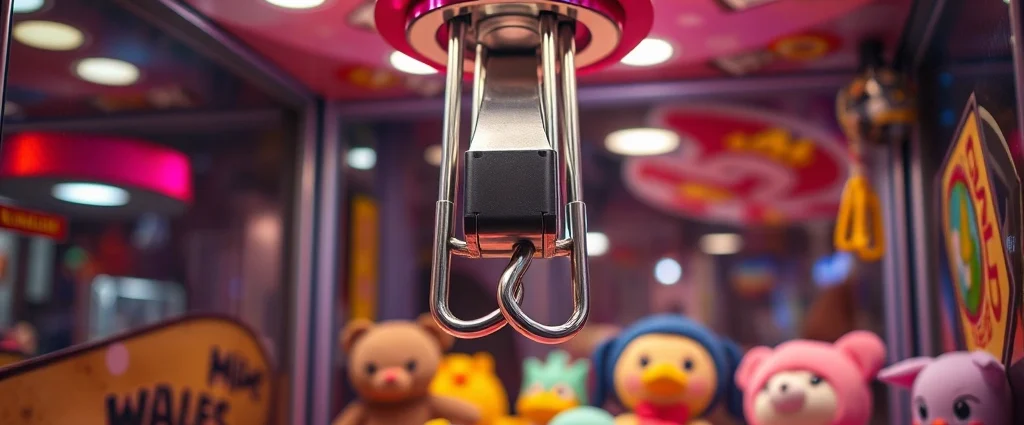
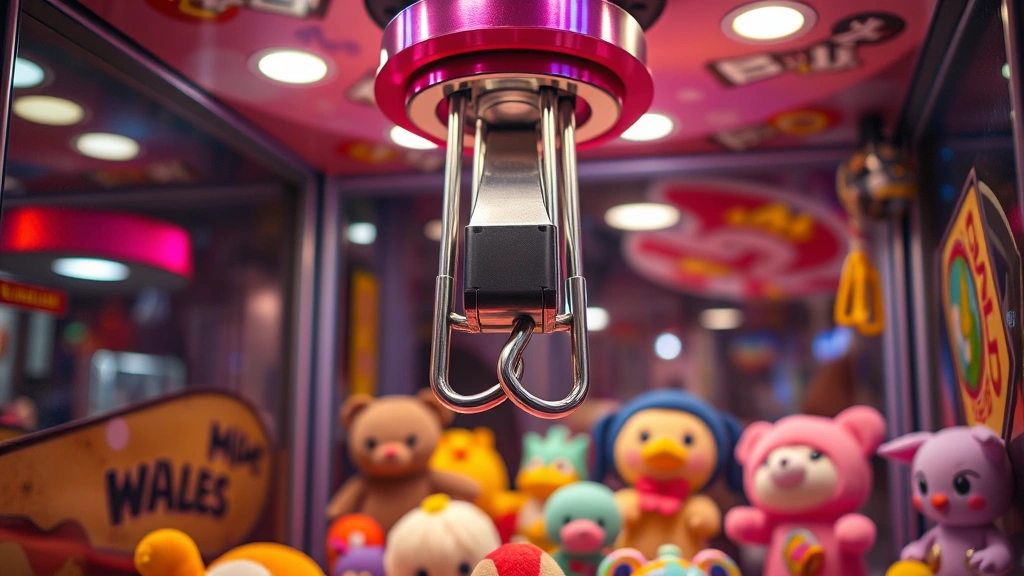
Winning Uma Musume Claw Game: Expert Tips & Strategies
Uma Musume Pretty Derby has captivated millions of players worldwide with its unique blend of horse racing simulation and character collection mechanics. One of the most engaging side activities in the game is the claw game mini-game, which offers players the chance to win exclusive rewards, rare character figures, and valuable in-game items. Whether you’re a casual player looking to snag a few prizes or a dedicated competitor aiming to master every aspect of the game, understanding the mechanics and strategies behind the Uma Musume claw game can significantly improve your success rate and overall gaming experience.
The claw game in Uma Musume isn’t just about luck—it’s a skill-based challenge that rewards precision, timing, and strategic thinking. Many players struggle with this mini-game, repeatedly losing tokens without securing their desired prizes. However, with the right approach and knowledge of advanced techniques, you can dramatically increase your winning percentage and accumulate impressive collections of rare items. This comprehensive guide will walk you through everything you need to know about dominating the Uma Musume claw game, from understanding the physics to mastering pro-level strategies.
Understanding the Claw Game Mechanics
The Uma Musume claw game operates on principles similar to real-world arcade claw machines, but with digital precision that makes it both predictable and challenging. The fundamental mechanics involve controlling a mechanical claw that descends into a prize box, attempting to grab items and lift them out. Unlike pure chance-based games, the Uma Musume claw game rewards players who understand the underlying physics and timing mechanics.
The claw itself has specific grip strength and positioning accuracy. When you initiate a grab, the claw descends at a consistent speed, and its closing mechanism engages based on proximity to objects. The key to success lies in understanding that not all positions are equally viable for grabbing. Items positioned near the edges of the box are typically easier to secure because the claw can apply pressure against the box walls, effectively increasing grip strength. Items in the center of the box require perfect claw positioning and maximum grip force to successfully extract.
The game calculates success based on several factors: claw position accuracy, item weight distribution, grip force application, and lift timing. When you pull up after the claw closes, the game determines whether the item’s weight exceeds the claw’s holding capacity at that specific angle. This is why understanding item weight and positioning is crucial—some prizes are intentionally heavier than others, requiring more precise claw placement and timing to successfully win.
One often overlooked aspect is the claw calibration. Each attempt in the Uma Musume claw game uses the same mechanical parameters, meaning the claw responds identically to identical inputs. This removes randomness from the equation and makes the game entirely skill-based. Once you understand these mechanics, you can predict outcomes and adjust your strategy accordingly. Check out our Game Forge Daily Blog for more gaming insights and mechanics breakdowns.

Analyzing Prize Positioning and Weight Distribution
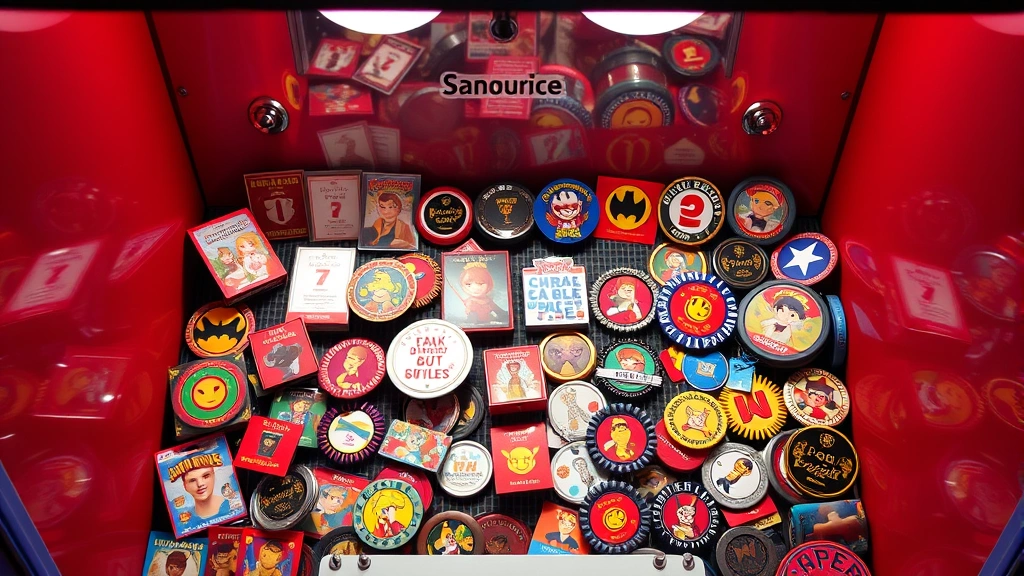
Before attempting any grab, spend time observing the prize box layout. In Uma Musume, prizes are strategically positioned to test your understanding of physics and spatial awareness. Lighter items like character badges are placed in various positions, while heavier plush figures and collectible boxes require more careful planning.
The most important observation is identifying weight-bearing edges. Prizes touching the box walls have external support, meaning the claw doesn’t need to support their full weight—the walls do. This is why edge prizes are significantly easier to win. A character figure positioned against the back wall requires only enough grip force to prevent slipping, not enough to support its entire weight from directly below.
Analyze the stacking patterns within the prize box. Multiple items stacked together create complex weight distribution scenarios. Sometimes grabbing the top item in a stack is easier because it has lower weight, but removing it might destabilize other prizes, creating new opportunities or complications. Experienced players study these patterns before making their first attempt, planning a multi-grab strategy if necessary.
The item orientation matters tremendously. Plush toys with varied shapes present different gripping surfaces. A toy oriented with its widest point toward the claw is harder to grab than one positioned with a narrow section accessible. Similarly, cylindrical items roll more easily than box-shaped prizes, affecting your grip strategy. Understanding how each item type responds to claw pressure helps you predict outcomes before attempting the grab.
Pay attention to friction surfaces within the box. Smooth plastic surfaces offer less friction than fabric or rubber textures. A plush figure on a smooth surface is more likely to slip during the lift phase, while the same figure on a textured surface provides better grip stability. This observation directly influences which prizes you should target first when multiple options exist.
Timing and Precision Techniques
Precision in the Uma Musume claw game comes down to three critical moments: positioning, gripping, and lifting. Each phase requires specific timing and control to maximize success probability.
Positioning Phase: When you initiate the claw’s descent, you have a brief window to adjust its horizontal position. Many players make their final position adjustment too late, resulting in suboptimal claw placement. Instead, position the claw early during the descent, allowing time for minor adjustments as it approaches the target item. This two-stage positioning technique gives you much greater accuracy than attempting a single precise movement.
The claw descends at a fixed speed, meaning you can predict exactly when it will reach different depths. Use this predictability to time your grip activation. The optimal grip moment is when the claw is positioned directly over or slightly above the item’s center of gravity. Activating the grip too early or too late significantly reduces success probability. Professional players develop a rhythm, counting the descent or using visual cues to time their grip activation perfectly.
Gripping Phase: Once the claw begins closing, it applies maximum grip force automatically. However, the grip’s effectiveness depends entirely on claw position. If the claw is positioned optimally, maximum force is all you need. If positioning is slightly off, even maximum force won’t secure the item. This is why positioning precision directly determines success more than any other factor.
Lifting Phase: The critical moment arrives when the claw begins lifting. At this instant, the item’s weight and the claw’s grip force interact with gravity to determine if the prize will be successfully extracted. Lifting should begin immediately after the grip activates—any delay reduces the grip’s effectiveness as the claw’s mechanical components settle. The upward movement should be continuous and steady, avoiding jerky motions that might cause the item to slip.
Advanced Grabbing Strategies
Beyond basic mechanics, advanced players employ sophisticated strategies that dramatically improve their success rate. These techniques separate casual players from competitive Uma Musume claw game champions.
The Edge Grab Strategy: This fundamental technique involves targeting prizes positioned against the box’s walls or corners. By positioning the claw to grip items against these hard surfaces, you effectively add the wall’s support to the claw’s grip force. This makes edge-positioned prizes 60-70% more likely to be successfully extracted compared to center-positioned items. Always prioritize edge prizes when available, as they offer the highest success probability.
The Lever Technique: Some prizes can be extracted by using them as levers against box corners or other items. Rather than gripping the prize directly, position the claw to grip the prize at an angle, using the box wall as a fulcrum. This technique requires precise understanding of physics but offers exceptional success rates for specific prize configurations. It’s particularly effective for longer items like character figurines or rolled plushies.
The Weight Transfer Method: When multiple items are stacked or closely positioned, sometimes removing one prize destabilizes others, making subsequent grabs easier. Strategic players calculate which prizes to target first to create advantageous conditions for remaining attempts. This multi-grab strategy turns what seems like a disadvantageous situation into a winning sequence. If you enjoy strategic planning, you’ll appreciate the Best Board Games of All Time which also reward tactical thinking.
The Grip Angle Optimization: Not all grips are created equally. Positioning the claw so its prongs grip the item from opposite sides (forming a line through the item’s center of gravity) provides maximum stability. Conversely, gripping from a single side or at angles creates rotational forces that cause slipping. Advanced players mentally calculate the optimal grip angle before each attempt, positioning the claw accordingly.
Token Management and Resource Planning
Success in the Uma Musume claw game isn’t just about winning individual attempts—it’s about maximizing your return on invested tokens. Strategic token management separates efficient players from those who waste resources on impossible attempts.
Analyze the difficulty-to-reward ratio for each prize. Some items are positioned perfectly for easy extraction and offer substantial rewards. Others are nearly impossible to win and offer minimal value. Focus your tokens on prizes that offer good value relative to their difficulty. This doesn’t mean only targeting easy prizes—sometimes a difficult rare item is worth the extra token investment if the reward justifies it.
Establish a loss threshold for each target. Decide in advance how many unsuccessful attempts you’ll make before moving to a different prize. This prevents the frustrating cycle of repeatedly attempting an impossible grab while burning through tokens. If you’ve failed three times on a specific prize with good technique, the prize positioning likely makes it extremely difficult for your current position options. Move to a different target rather than wasting additional tokens.
Consider the token-to-prize ratio across your entire gaming session. If you’re winning approximately one prize per three tokens spent, you’re performing well. If your ratio drops below one prize per five tokens, reassess your strategy and target selection. Some game sessions naturally offer better prize positioning than others, so adjust your expectations and token expenditure accordingly.
Build a prize collection strategy rather than randomly pursuing items. Some prizes are seasonal or limited-time offerings in Uma Musume. Plan your token expenditure to ensure you attempt limited prizes before they disappear. This forward planning prevents the regret of missing exclusive items due to poor token management earlier in the event.
Common Mistakes to Avoid
Even skilled players make mistakes that cost them valuable tokens and missed prizes. Understanding common errors helps you avoid these costly pitfalls.
Mistake 1: Rushing the Positioning Phase – Many players adjust the claw position too quickly and inaccurately, then attempt the grab with suboptimal positioning. Take your time positioning the claw, making fine adjustments as it descends. A few extra seconds of positioning precision translates directly to higher success rates.
Mistake 2: Targeting Center Prizes First – Beginners often attempt center-positioned prizes, which are significantly harder to win. Start with edge prizes to build confidence and tokens before attempting more difficult center grabs. This approach builds your skill progressively while maintaining a positive token balance.
Mistake 3: Inconsistent Grip Timing – Activating the grip at different moments relative to the claw’s position creates inconsistent results. Develop a consistent timing rhythm, using visual cues or counting to activate the grip at the optimal moment every time. Consistency is more valuable than occasional perfect timing.
Mistake 4: Ignoring Weight Distribution – Players often attempt grabs without considering item weight and the claw’s lifting capacity. Always assess whether the target item’s weight is reasonable for successful extraction from your intended grip position. Overestimating the claw’s strength wastes tokens on impossible attempts.
Mistake 5: Emotional Decision-Making – After several unsuccessful attempts, frustration drives poor decisions. Stick to your pre-planned strategy and loss threshold rather than emotionally chasing losses. The most successful players maintain discipline and strategic thinking throughout their gaming session.
Pro Tips from Top Players
Championship-level Uma Musume claw game players share advanced insights that elevate performance beyond standard techniques. These pro tips represent years of accumulated experience and optimization.
Tip 1: Master the Visual Reference System – Top players develop an internal coordinate system by identifying visual landmarks within the prize box. Using the box corners, prize positions, and wall features as reference points allows faster, more accurate claw positioning. Practice identifying these landmarks quickly to accelerate your positioning phase.
Tip 2: Study Claw Behavior Patterns – Each claw has subtle variations in closing speed and grip force application. Spend initial tokens observing how your specific claw behaves, noting any quirks or consistent patterns. This knowledge allows you to adjust your strategy specifically for that claw’s characteristics, improving success rates significantly.
Tip 3: Develop Muscle Memory – Professional players practice the same positioning and timing movements repeatedly until they become automatic. This muscle memory allows faster decision-making during actual attempts, reducing hesitation and improving precision. Dedicate practice sessions to specific techniques rather than random gameplay.
Tip 4: Analyze Failure Patterns – Rather than dismissing failed attempts as bad luck, analyze what went wrong. Did the item slip during lifting? Did the claw miss the target? Did weight distribution cause the item to rotate? Understanding failure modes helps you adjust your strategy to prevent recurrence. For more strategic gaming insights, explore our Best Party Games guide which emphasizes strategic thinking.
Tip 5: Optimize Your Attempt Sequence – Plan your attempts strategically, starting with easiest prizes to build tokens, then progressing toward more difficult targets. This pyramid strategy ensures you have maximum tokens available when attempting the most valuable prizes, maximizing your overall haul.
Tip 6: Track Historical Prize Positioning – If you play regularly, maintain notes on how prizes are typically positioned in different events. Patterns emerge over time, allowing you to predict optimal grab strategies before the event even begins. This preparation gives you an enormous advantage over unprepared players.
Tip 7: Use the Practice Mode Strategically – Many Uma Musume events offer practice rounds with different prize configurations. Use these practice opportunities to test new techniques and strategies without token expenditure. Successful experiments in practice mode can be refined for token-based attempts.
The Uma Musume claw game rewards dedication and strategic thinking. By mastering the mechanics, developing consistent techniques, and managing your resources wisely, you’ll join the ranks of successful players accumulating impressive prize collections. Remember that progression is gradual—each gaming session teaches you something new about the game’s nuances and your own capabilities. Stay patient, maintain discipline, and continuously refine your approach. For more gaming strategy content, visit our Best Indie Games for PC guide which celebrates games rewarding player skill and strategy.
FAQ
How much does the claw grip strength vary between attempts?
The claw maintains consistent grip strength across all attempts. Variations in success result from positioning accuracy and item weight distribution, not fluctuating claw strength. This makes the game entirely skill-based rather than luck-dependent.
Can I predict which prizes will be easiest to win?
Yes, analyzing prize positioning relative to box walls is highly predictive. Edge-positioned prizes are consistently easier than center-positioned items. Additionally, lighter items and those with favorable grip surfaces are more likely to be successfully extracted.
What’s the optimal number of attempts per prize?
This depends on your skill level and the prize’s difficulty. Generally, if you’ve failed three quality attempts with solid technique, the prize positioning likely makes it extremely challenging. Moving to different targets often yields better token efficiency.
Does claw speed affect success probability?
The claw descends at a fixed speed, so speed itself doesn’t vary. However, timing your grip activation relative to the claw’s descent position is critical. Consistent timing produces consistent results regardless of the fixed descent speed.
Are certain character figures easier to grab than others?
Absolutely. Figures with wider, flatter designs offer more stable gripping surfaces than narrow or cylindrical designs. Additionally, figures positioned against box walls are dramatically easier than those in the center, regardless of their shape.
How can I improve my positioning accuracy?
Practice using consistent reference points within the prize box. Identify landmarks like corners or adjacent prizes and use them to guide your positioning. Developing this visual reference system through repeated practice dramatically improves accuracy.
Should I always target the rarest prizes?
Not necessarily. While rare prizes are valuable, they’re often positioned in difficult locations requiring significant token investment. Balance your strategy between rare items and well-positioned prizes to maintain a healthy token balance throughout your gaming session.
Can I win multiple prizes in one attempt?
Typically, successful extraction of one prize completes the attempt. However, in rare configurations where multiple items are loosely stacked, successfully lifting one item might cause others to shift into winning positions for subsequent attempts.