

Top Card Drinking Games: Party Expert Picks for Epic Nights
Card drinking games have become the ultimate staple for unforgettable parties, combining strategy, luck, and social chaos into one incredible package. Whether you’re hosting a weekend gathering or looking to spice up your next celebration, card-based drinking games deliver endless entertainment that keeps everyone engaged and laughing until the early morning hours. These games require minimal setup, travel easily in your pocket, and work perfectly for groups of any size.
The beauty of card drinking games lies in their versatility and accessibility. Unlike video games that demand expensive equipment or board games that require dedicated table space, a simple deck of cards transforms any environment into a party hotspot. From casual house parties to themed events, these games create memorable moments where friendships strengthen, new connections form, and hilarious stories emerge that friends retell for years.
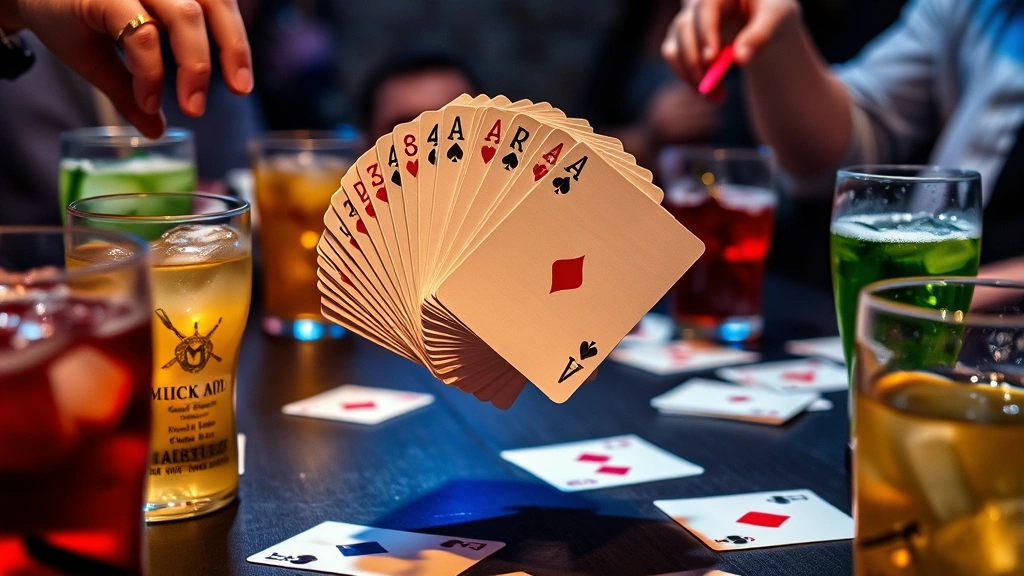
Kings Cup: The Ultimate Card Drinking Game Classic
Kings Cup stands as the undisputed heavyweight champion of card drinking games, beloved by party enthusiasts across the globe. This game combines simple rules with unpredictable outcomes, creating an environment where every card draw brings excitement and anticipation. The premise involves players sitting in a circle, drawing cards one by one from a shuffled deck, with each card corresponding to specific actions.
The card-to-action assignments make Kings Cup infinitely customizable. Typically, Aces mean everyone drinks, Twos involve truth or dare scenarios, Threes prompt someone to drink, Fours require bathroom trips, Fives activate never-have-I-ever rounds, Sixes mean girls drink, Sevens indicate guys drink, Eights create rhyming challenges, Nines spark storytelling, and Tens trigger category games. The coveted Kings Cup itself sits in the center, and whenever someone draws a King, they pour a portion of their drink into the communal cup—the unfortunate player who draws the fourth King must consume the entire mixture.
What makes Kings Cup exceptional is its flexibility. House rules vary wildly between friend groups, creating unique versions that become legendary within specific communities. Some groups add elaborate card meanings, while others simplify the rules for faster gameplay. The game typically lasts 30-60 minutes depending on player count and drink sizes, making it perfect for sustained party energy.
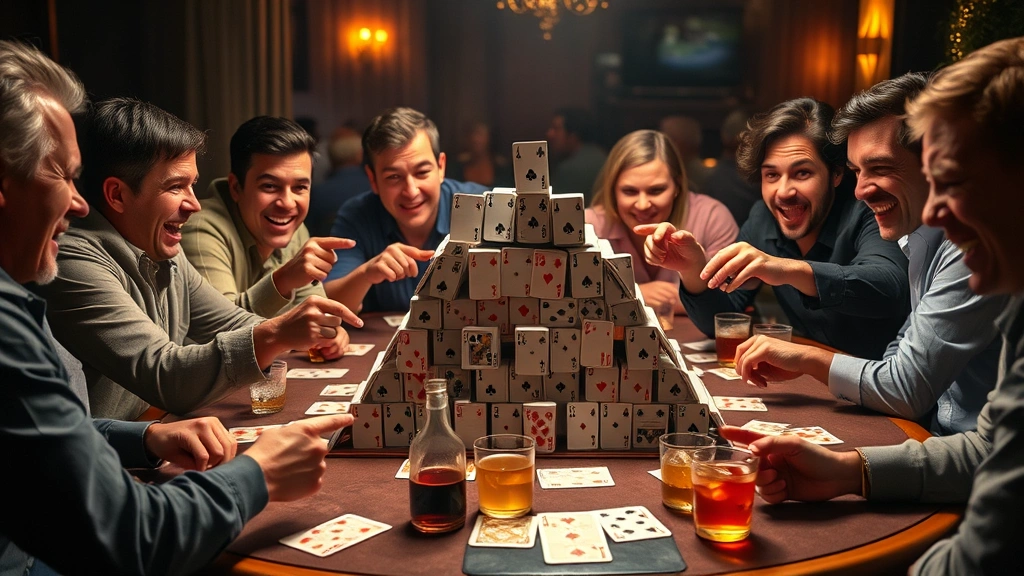
Ride the Bus: Strategic Drinking Gameplay
Ride the Bus delivers a more strategic alternative to purely luck-based games, rewarding players who make intelligent predictions. This game unfolds in stages, each presenting different challenges that progressively increase in difficulty. The setup involves creating a pyramid of cards face-down, with players attempting to predict card outcomes.
The first stage presents red or black predictions—players guess whether the next card is red or black, with incorrect guesses earning drinks. Subsequent stages increase difficulty by asking players to predict higher or lower, inside or outside, or specific suits. The final stage forces the losing player to “ride the bus,” where they must correctly predict card outcomes in rapid succession without mistakes. A single wrong prediction extends their ride, potentially creating hilarious moments where someone must endure numerous rounds.
Ride the Bus works exceptionally well for groups that enjoy analytical thinking mixed with drinking consequences. The strategy element prevents the game from feeling purely random, and skilled players can actually improve their odds through pattern recognition and probability assessment. Most games conclude within 45 minutes, making it ideal for parties where you want substantial gameplay duration.
Higher or Lower: Simple Yet Addictive Fun
Higher or Lower represents the most accessible card drinking game for newcomers, requiring virtually no explanation or complex rule memorization. The dealer flips cards one by one, and players predict whether the next card will be higher or lower than the current card. Correct predictions advance the chain, while incorrect guesses result in drinking penalties.
The addictive nature of Higher or Lower stems from its escalating tension. As chains grow longer—five correct predictions, then ten, then fifteen—players become increasingly invested in the outcome. The psychological element intensifies as players question whether they should continue their streak or accept their current position. This creates natural drama where spectators enthusiastically encourage or discourage continued play.
Higher or Lower plays quickly, with individual rounds concluding in just minutes. This rapid pace allows multiple games during a single party, preventing boredom while accommodating various arrival times as guests show up throughout the evening. The game accommodates any group size, from intimate gatherings to large parties, making it remarkably versatile.
Pyramid: Building Tension and Excitement
Pyramid creates a visually impressive game structure where cards arrange in pyramid formation, progressively narrowing from bottom to top. Players ante drinks before the game begins, with the pyramid itself determining drinking amounts and consequences. The dealer flips each pyramid card, and any player holding a matching card must drink—matching a bottom-row card means one drink, middle rows mean two drinks, and top cards mean three or four drinks.
The psychological warfare in Pyramid develops naturally as players assess their hand strength. Players holding powerful cards might confidently stay in, while those holding weak cards face difficult decisions about continuing or folding. The escalating stakes create genuine tension that builds throughout the game, culminating in dramatic final rounds where fortunes reverse instantly.
Pyramid games typically last 20-30 minutes, making them perfect for parties where you want focused, intense gameplay rather than extended marathon sessions. The visual pyramid structure also makes the game easier to follow for spectators, allowing non-players to enjoy the action and root for their friends.
Cheat: Deception and Bluffing Mechanics
Cheat transforms card gaming into psychological warfare, rewarding players who master deception and read their opponents effectively. Players take turns playing cards face-down while announcing their card values—they might play a Five but claim it’s a King, or legitimately play cards while lying about their identity. Other players can challenge suspicious plays, forcing the card-player to reveal their claim.
If the challenged player was truthful, the challenger drinks and takes the pile. If they were bluffing, they drink and take the pile themselves. This creates brilliant moments where players must decide whether they believe their friends or risk drinking penalties on hunches. Skilled Cheat players develop tells and patterns that observant opponents exploit, rewarding those who pay attention to behavioral cues.
Cheat works best with groups of four to eight players, allowing sufficient interaction without excessive downtime. Games typically conclude within 30-45 minutes, though particularly competitive groups might extend gameplay considerably. The game appeals especially to social players who enjoy reading others and engaging in friendly deception.
Setting Up Your Perfect Game Night
Successfully hosting card drinking game parties requires thoughtful preparation that ensures smooth gameplay and maximum enjoyment. Start by selecting games that match your guest demographics—if your group includes competitive players, strategy-heavy games like Ride the Bus or Cheat excel. For casual parties emphasizing fun over competition, Kings Cup or Higher or Lower work wonderfully.
Prepare adequate supplies before guests arrive. Multiple decks of cards prevent confusion and allow simultaneous games if your party grows large. Stock various beverage options accommodating different preferences and tolerance levels—craft beers, spirits, mixed drinks, and non-alcoholic alternatives ensure everyone enjoys themselves responsibly. Clear your gaming space of obstacles, providing comfortable seating arranged in circles that facilitate interaction and card visibility.
Establish house rules clearly before gameplay begins, preventing disputes that derail party momentum. If you’re unfamiliar with specific games, research rules thoroughly beforehand or designate someone as rule-keeper. Many players appreciate written rule sheets displayed prominently, allowing quick reference without interrupting flow. Consider having board games and card games available as backup entertainment options if card drinking games conclude early.
Timing matters significantly for party success. Introduce card drinking games after guests have arrived and socialized briefly, when the party energy reaches optimal levels. Avoid starting games too early when attendance remains incomplete, as latecomers feel excluded. Similarly, transition to calmer activities as the evening progresses and people become fatigued.
Safety Tips for Responsible Gaming
While card drinking games create incredible fun, responsible gaming practices ensure everyone remains safe and enjoys themselves. Establish clear boundaries about acceptable drinking amounts before gameplay begins, allowing players to pace themselves appropriately. Encourage water consumption between games, maintaining hydration and moderating overall alcohol intake.
Never pressure anyone to participate if they seem uncomfortable or have indicated they’re not drinking. Provide non-alcoholic drink alternatives so players can participate fully without consuming alcohol. Assign a sober friend to monitor the party, ensuring no one drinks excessively or makes poor decisions. Establish a buddy system where friends watch out for each other throughout the evening.
Know your limits and respect others’ boundaries. Card drinking games work best when everyone maintains reasonable sobriety levels that allow continued enjoyment without dangerous consequences. If someone appears significantly intoxicated, gently encourage them to stop drinking and relax in a safe space.
Never drive after consuming alcohol—arrange designated drivers, taxi services, or overnight accommodations before the party begins. Make sure everyone has safe transportation planned, preventing risky decisions made in intoxicated states. Keep phone numbers for emergency services readily available, though hopefully you’ll never need them.
Consider checking out Game Forge Daily’s main gaming hub for more entertaining party ideas and gaming recommendations that complement your card game nights perfectly.
FAQ
What’s the easiest card drinking game for beginners?
Higher or Lower stands as the most beginner-friendly option. The rules require minimal explanation—simply predict whether the next card is higher or lower than the current card. Players learn quickly and can enjoy the game within minutes of starting, making it perfect for first-time participants or large mixed-experience groups.
How many players do card drinking games accommodate?
Most card drinking games work with three to ten players, though some accommodate larger groups. Kings Cup and Higher or Lower scale beautifully to any group size, while Cheat works best with four to eight players. For massive parties, running simultaneous games on different tables prevents excessive downtime between turns.
Can non-drinkers participate in these games?
Absolutely! Simply substitute alcoholic drinks with non-alcoholic beverages like juice, soda, or water. Players can participate fully while maintaining their personal preferences. Many groups appreciate having non-drinking participants who can stay sharp and enjoy the social experience without alcohol.
What’s the ideal party size for card drinking games?
Four to eight players creates the optimal balance of interaction and pacing. Groups smaller than four can feel too intimate and provide insufficient entertainment variety, while groups larger than eight create excessive downtime between turns. For larger parties, running multiple simultaneous games on different tables works wonderfully.
How long do typical card drinking game sessions last?
Individual games typically last 20-60 minutes depending on the specific game and player count. Kings Cup and Pyramid tend toward shorter durations (20-30 minutes), while Ride the Bus and Cheat often extend to 45-60 minutes. Most parties feature multiple games throughout the evening, creating varied entertainment.
Where can I find more party game recommendations?
Check out our comprehensive guide to co-op games for multiplayer entertainment ideas beyond card games. You might also explore gaming recommendations for video game alternatives when you want to shift entertainment styles.